
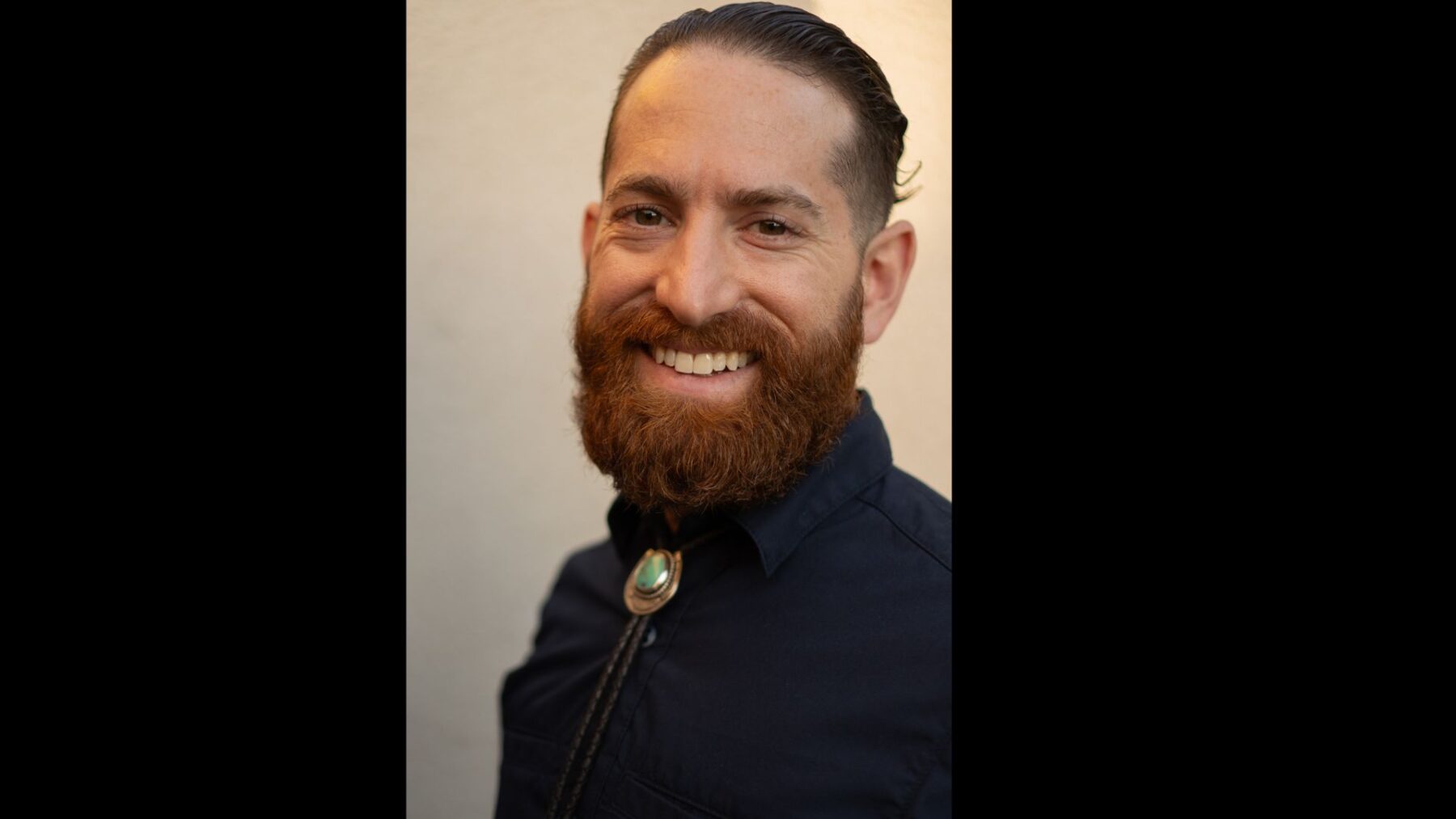
Purdue Doctor of Technology grad and Air Force Captain transitions from military service to working for major tech startup
The last time Purdue University caught up with online Doctor of Technology (DTech) graduate Ethan Sneider, he was working in software and technology development at Kessler Run, a United States Air Force software development division in Boston, Massachusetts, and at the Massachusetts Institute of Technology (MIT) in the AI Accelerator Unit. In those roles, he was able to combine his military expertise with the advanced tech training he received in Purdue’s DTech program and make significant strides in cloud computing and artificial intelligence applications for national defense. Since then, Sneider has continued his persistent pursuit to integrate emergent tech within the military, this time as a senior engagement manager on the pacific team at Onebrief, a tech startup focused on military optimization.
“At Onebrief, we create AI-powered workflow software designed for military staff,” said Sneider. “We want to create smarter and more efficient decisions with the goal to enhance, not replace, human decision making.”
This goal is a culmination of what Sneider has already spent years working on — first in his military career, and then in his experiences in Purdue’s Dtech program, and then in Cambridge, Massachusetts where he was introduced to Onebrief. At Onebrief, Sneider was given the opportunity to merge all of his interests and experiences into one unified goal, but transitioning from the military to the private sector was a big change. According to Sneider, private tech companies function in a fast-paced environment — they have to be flexible, adaptable and continuously improving to survive in a competitive market. For Sneider, this competition is exciting, and it’s an opportunity to use what he’s learned.
“[Excelling in this role] requires bridging the gap between the military and corporate world,” Sneider said. “It also requires multinational collaboration, communicating across differences and adaptability. As someone who has lived on a ship and traveled all around the world, I’m a good person for building those relationships.”
With his team at Onebrief, Sneider has been working to develop software technology that utilizes AI to improve the performance of defense technology. One of Sneider’s goals is to help users and military personnel make the best possible decisions in the shortest amount of time. After all, when it comes to national defense, the stakes are high and time is limited. Sneider thinks emergent technology can help the military accomplish its goals more efficiently and safely.
“Something I’ve learned about AI is that it works best for targeted solutions,” Sneider said. “You need to try to solve specific problems rather than broad issues. This role has helped me identify those areas where AI provides the most value.”
Ready to launch your technology career?
Sneider’s experience in Purdue’s Doctor of Technology program has greatly informed his approach to technology and leadership. The program taught him how to effectively collaborate with interdisciplinary teams on complex projects. It also taught him the value of continuous improvement when it comes to technological development. Working at a tech startup, Sneider uses what he learned about growth and collaboration every day — it’s helped him create order out of chaos.
“With tech, everything moves so quickly, you really need to be adaptable,” Sneider said. “It’s important to test things so you understand how they work and be able to make changes quickly. Purdue prepared me for that.”
Purdue’s Doctor of Technology program also helped Sneider learn how to work with emergent technologies like AI. The state-of-the-art training he received helped him feel confident in transitioning careers from military service to working in private industry. He thinks investing in continued education can help other service members maximize their opportunities, particularly in high-growth fields like tech. An advanced degree can build credibility and show commitment to taking on new challenges.
“Purdue was the perfect platform to show I was serious about emergent technology,” Sneider said. “If I could give other service members advice, it would be to find what excites you and pursue that. Learn how to harness that excitement to drive value for yourself and others.”
Sneider has been able to prove he can drive value at Onebrief, which recently achieved unicorn status after receiving a $1.1 billion evaluation. This status is given to private companies that are valued at $1 billion or more and reflects the company’s potential, innovation and market growth. Sneider has been integral in helping Onebrief grow, and he credits his success to his adaptability, communication skills, ability to implement technological solutions and solve complex problems, and his continuous focus on customer satisfaction — all skills he honed in Purdue’s Dtech program.
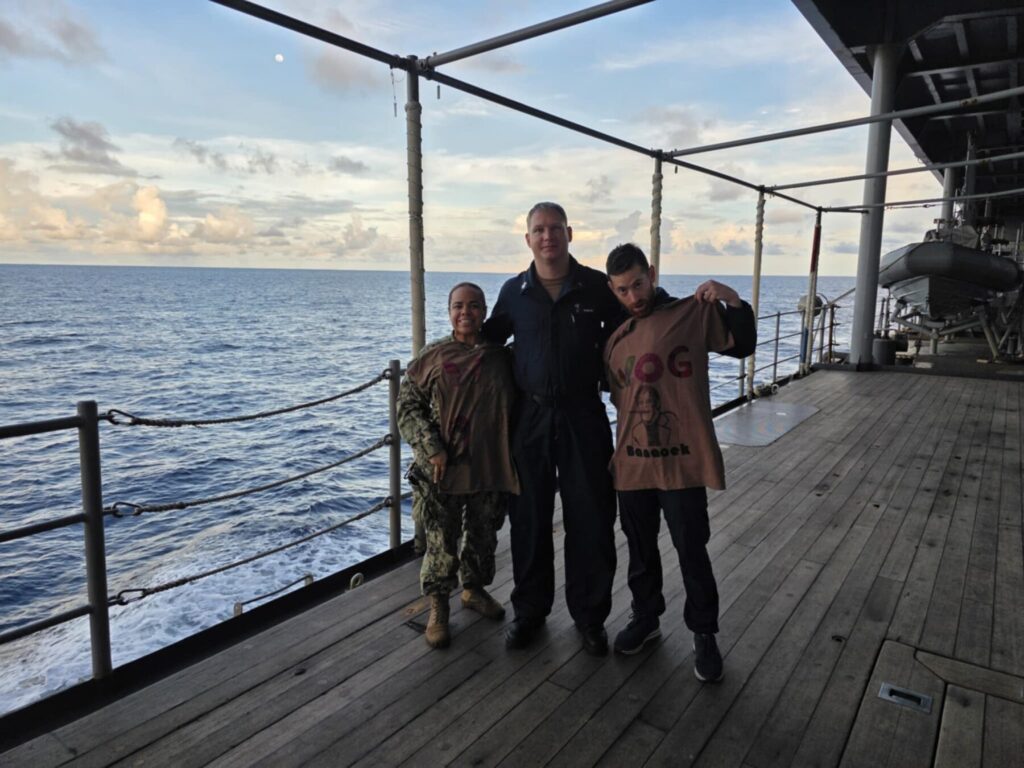
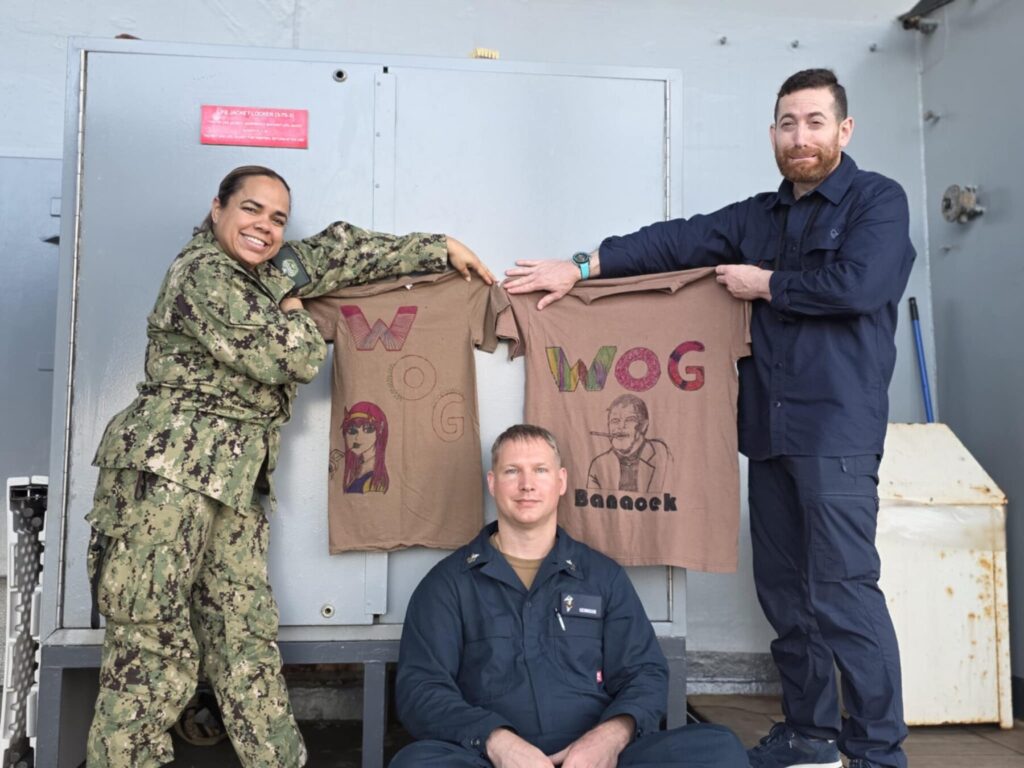
In the future, Sneider would like to continue using his cross-cultural communication skills to foster technological innovation at complex, multi-cultural organizations. Sneider loves working with people all around the world, an interest he picked up through his experience in the military, which took him to dozens of locations around the globe. In all of those locations, Sneider ran a marathon, including on the ship where he was stationed. Sneider’s ceaseless commitment to challenge himself and continuously improve shows through in everything — from running to work. In his words, every new challenge invites a process of discovery.
“My advice would be, continue to be curious,” Sneider said. “If you’re open to the process of learning something new or changing your career, you can do it. I’ve been open to the process of discovery, and it keeps paying off.”
Learn more about Purdue’s Doctor of Technology program at the program’s webpage.