Yard and Garden News

The following news stories are written by Rosie Lerner, Extension Consumer Horticulture Specialist, and are distributed to news media around the state by Agricultural Communication Service, at Purdue University.


Rain Gardens Go with the Flow

Rain gardens are areas of the landscape designed to catch rainwater long enough to allow it to percolate slowly back into the groundwater rather than run off the soil. Rain gardens help recharge groundwater, improve the water quality of streams and rivers, reduce flooding, and provide cover for wildlife and butterflies. Rain gardens can be just shallow depressions of a few inches or elaborately constructed sites, depending on available space and needs of the site….Read more about Rain Gardens Go with the Flow[Read More]
Saving Seeds From the Garden

Collecting seeds from garden plants to plant next year may seem like a good way to save money, but you may be in for a surprise. Some seeds can be saved from year to year with good results, particularly the old-fashioned cultivars. But modern hybrid cultivars rarely breed true from collected seed. To get that disease-resistant tomato or frilly double petunia, two or more plants with desirable characteristics were crossbred. The seed from these hybrid…Read more about Saving Seeds From the Garden[Read More]


Coping With Storm-Damaged Trees

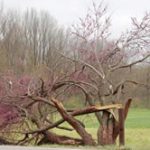
Homeowners assessing tree damage caused by recent storms will want to make a few important decisions soon. Small trees with minor damage can probably be taken care of by the homeowner but large mature trees likely will need the help of a professional tree service. It can be hard to decide whether trees with severe damage should be completely removed. Homeowners often are reluctant to cut down a tree, either because of sentimental attachment or…Read more about Coping With Storm-Damaged Trees[Read More]


Harvesting Grapes

One of the toughest things about growing your own grapes is beating the birds to the harvest! So understandably, gardeners can get in a big hurry to cut those beautiful clusters from the vine. But don’t be too hasty in cutting the fruits just to one-up the birds. Make sure your grapes are ripe before you harvest. Although color change is important in determining when to harvest grapes, it should not be the only consideration….Read more about Harvesting Grapes[Read More]


Harvesting Grapes

One of the toughest things about growing your own grapes is beating the birds to the harvest! So understandably, gardeners can get in a big hurry to cut those beautiful clusters from the vine. But don’t be too hasty in cutting the fruits just to one-up the birds. Make sure your grapes are ripe before you harvest. Although color change is important in determining when to harvest grapes, it should not be the only consideration….Read more about Harvesting Grapes[Read More]


Stressed Plants May Look Like Early Fall

Many of our landscape plants are under stress this summer from one or more factors, including excessive heat and humidity, insect feeding, disease infection, and depending on location and timing, drought and/or excessive rains, wind and hail. Some trees are already losing leaves, and leaves may be turning color before they drop. Early defoliation is common when plants are under stress, and this season has been quite challenging for many trees, both old and young….Read more about Stressed Plants May Look Like Early Fall[Read More]


Weeding Is Good Exercise

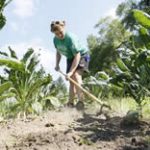
No matter if the weather is cool or hot or wet or dry, gardeners must do battle with weeds. Despite having a number of weapons to fight this battle, this year the weeds have won the war at my place. Between torrential rains, heat waves and ravenous mosquitoes, I must confess to nearly giving up. But I have renewed my efforts by putting myself on a weeding exercise schedule. That’s right, weeding is good exercise!…Read more about Weeding Is Good Exercise[Read More]


Watering 101

Although recent rains have relieved many gardeners from their watering chores, the respite is sure to be temporary. Seasonal thunderstorms may deluge some gardens with water while other areas, even those close by, may stay fairly dry. Most garden plants will need 1-1.5 inches of water per week to maintain healthy leaves, flowers and fruit. When Mother Nature does not provide enough, it’s up to the gardener to supply the rest. When you do need…Read more about Watering 101[Read More]


Control Weeds in the Garden and Landscape

No matter what kind of garden you tend, weeds are likely one of your more frustrating challenges. However, there are a number of practices you can incorporate in your bag of tricks to keep weeds under control. Cultural control includes any gardening practice that prevents the introduction of weeds to the garden or makes the environment less favorable for weed development and more favorable for desirable plants. Controlling weeds before they mature their seed will…Read more about Control Weeds in the Garden and Landscape[Read More]


Coping With Storm-Damaged Trees

Homeowners assessing tree damage caused by recent storms will want to make a few important decisions soon. Small trees with minor damage can probably be taken care of by the homeowner but large mature trees likely will need the help of a professional tree service. It can be hard to decide whether trees with severe damage should be completely removed. Homeowners often are reluctant to cut down a tree, either because of sentimental attachment or…Read more about Coping With Storm-Damaged Trees[Read More]


Page last modified: February 2, 2017

Indiana Yard and Garden – Purdue Consumer Horticulture - Horticulture & Landscape Architecture, 625 Agriculture Mall, West Lafayette, IN 47907

© 2026 Purdue UniversityAn equal access/equal opportunity universityCopyright ComplaintsMaintained by Indiana Yard and Garden – Purdue Consumer Horticulture

If you have trouble accessing this page because of a disability, please contact Indiana Yard and Garden – Purdue Consumer Horticulture at homehort@purdue.eduAccessibility Resources