Yard and Garden News

The following news stories are written by Rosie Lerner, Extension Consumer Horticulture Specialist, and are distributed to news media around the state by Agricultural Communication Service, at Purdue University.


Gardeners’ Glossary

Gardening enthusiasts have their own set of jargon, just like many other hobbyists. Some of these terms can be confusing, especially to the gardening newcomer. So here’s a brief list of terms that all gardeners should get familiar with. Annual — Plant that completes its life cycle from seed germination to seed production in one growing season. Biennial — Plant that completes its life cycle over two growing seasons; usually produces only vegetation its first…Read more about Gardeners’ Glossary[Read More]
 Categories:

Shining a light on why potatoes turn green

Potato tubers turn green when exposed to light. Whether store-bought or homegrown, potatoes will turn green when they are exposed to light. Most folks know that they shouldn’t eat potatoes that have turned green, or should at least cut away the affected portion. But it’s not actually the green color that is the problem. The green color comes from the pigment chlorophyll, produced as a response to light. The potato tuber that we eat is…Read more about Shining a light on why potatoes turn green[Read More]

 Categories:

Storing Leftover Garden Seed

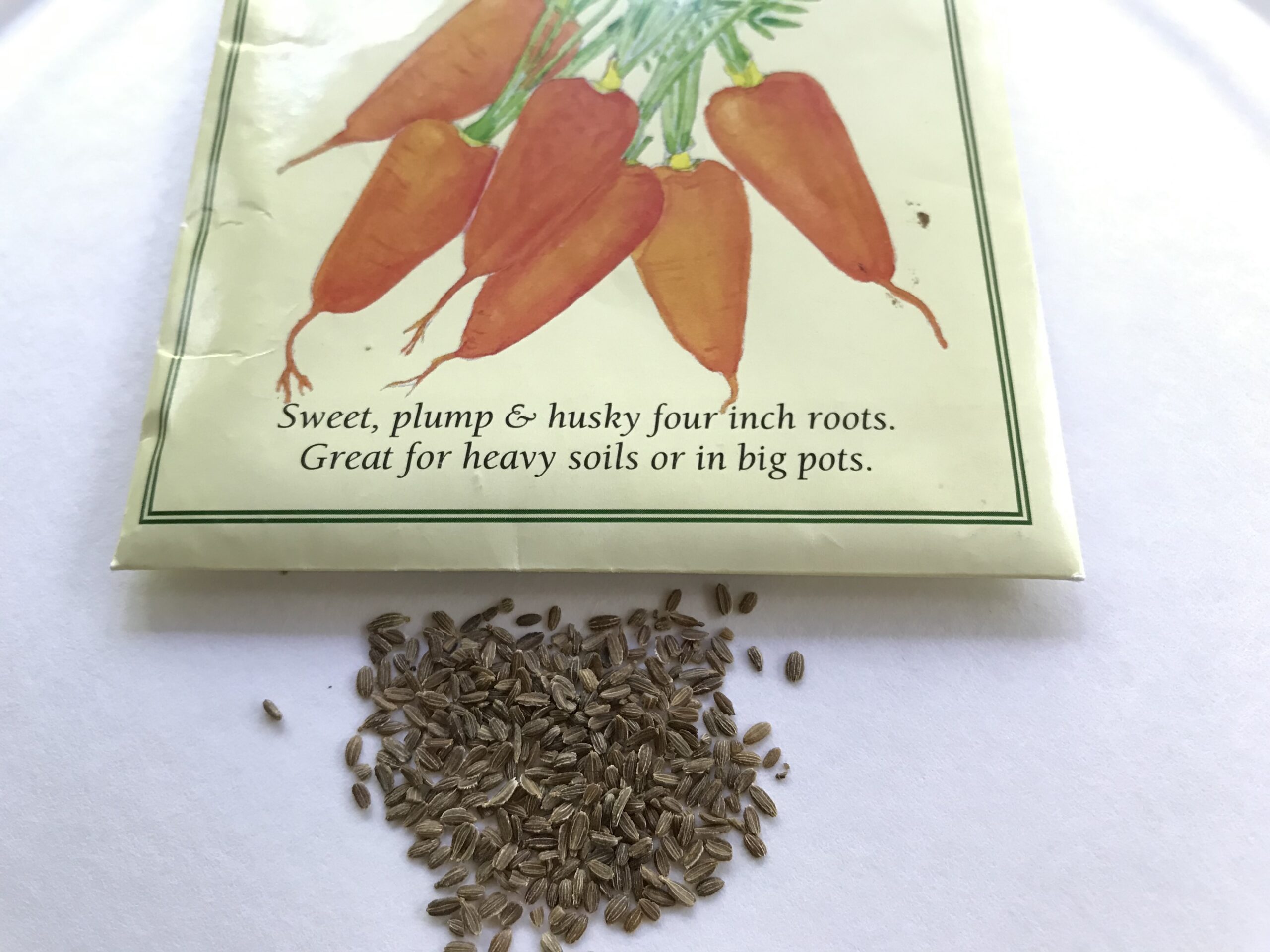
Carrot seed, photo provided by Rosie Lerner If you didn’t use up all the garden seed you bought this year, much of it can be stored for use in next year’s garden – depending on the plant species. Seeds of some plants ,such as corn, parsley, onion, viola (pansies), verbena, phlox, and salvia, are not very long lived, lasting only 1 or 2 years at best. Other seeds, including beans, carrots, lettuce, peas, radishes, snapdragon,…Read more about Storing Leftover Garden Seed[Read More]


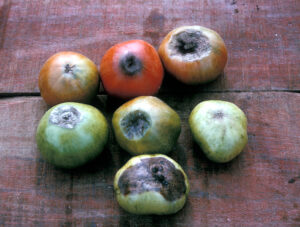
Blossom-End Rot Frustrates Tomato Growers

Eager tomato growers, having lovingly nurtured their plants, anxiously await their ripe gems. But alas, a black, leathery spot appears at the base of the fruit. Blossom end-rot is thankfully not an infectious disease, but rather a frustrating disorder of the fruit. The black scar tissue is thought to be caused by a deficiency of calcium in the developing fruit. In most cases, blossom end-rot is brought on by extreme fluctuations in soil moisture. And…Read more about Blossom-End Rot Frustrates Tomato Growers[Read More]


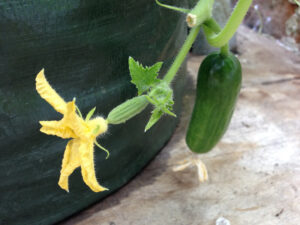
Cucumbers Bitter During Hot, Dry Weather

If you’ve noticed that your cucumbers are a little (or a lot) bitter lately, don’t give up hope. A little water, mulch and patience will provide relief. Most cucumber plants contain a bitter compound called cucurbitacin, which can be present in the fruit as well as the foliage. Bitterness in cucumbers tends to be more prominent when plants are under stress from low moisture, high temperatures or poor nutrition. Although most areas of the state…Read more about Cucumbers Bitter During Hot, Dry Weather[Read More]


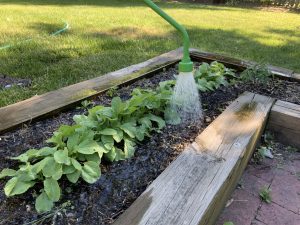
Watering the Garden Just Right

Although recent rains have relieved some gardeners from their watering chores, the respite is sure to be temporary. Seasonal thunderstorms may deluge some gardens with water while other areas, even those close by, may stay fairly dry. Most garden plants will need 1-1.5 inches of water per week to maintain healthy leaves, flowers and fruit. When Mother Nature does not provide enough, it’s up to the gardener to supply the rest. Not too little, not…Read more about Watering the Garden Just Right[Read More]


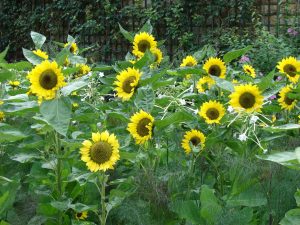
Sunflowers for Midwestern Gardens

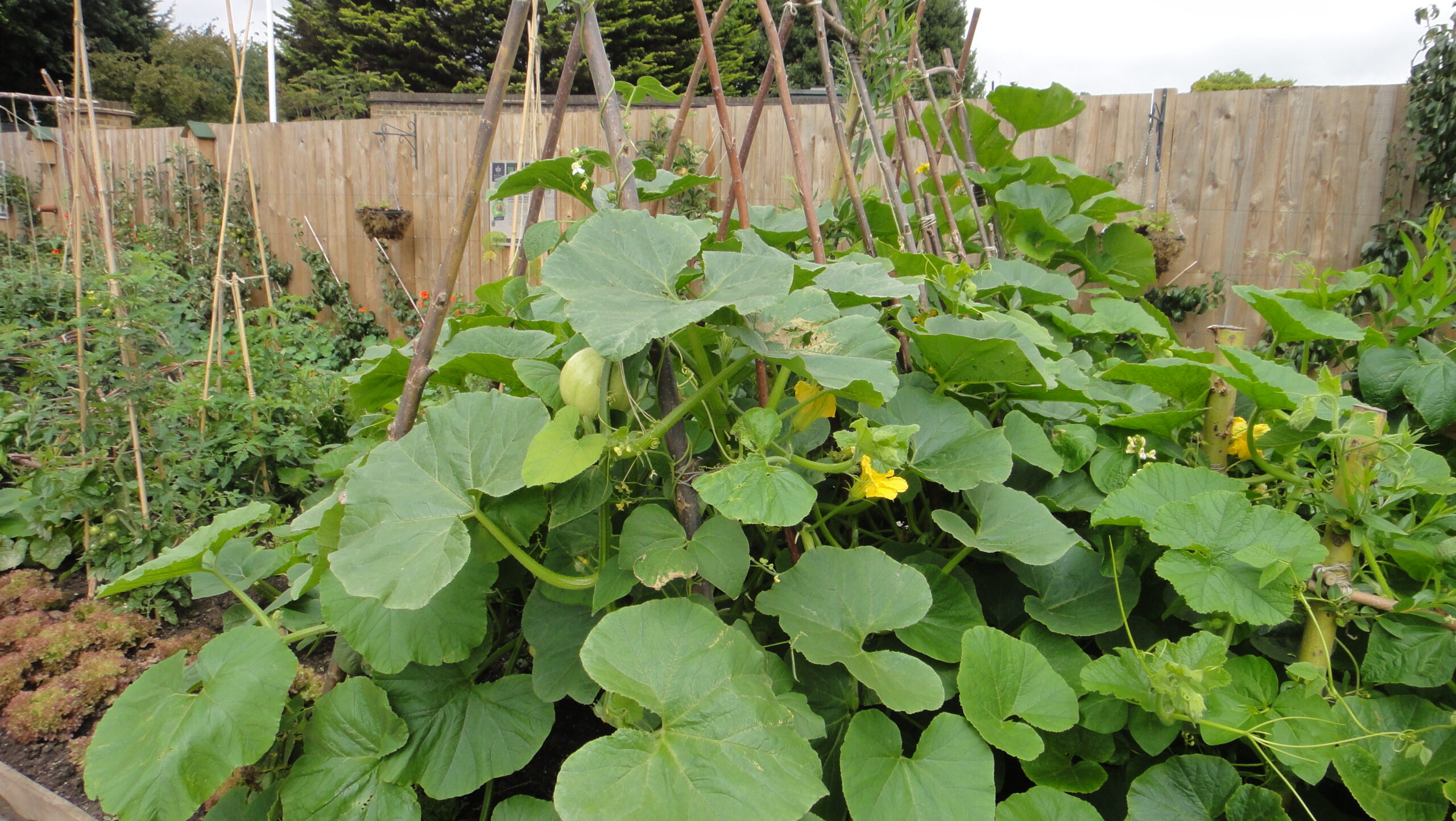
Sunflowers are traditional in the typical Midwestern garden, but modern hybrids have greatly expanded the palette of choices. Whether you want short, medium or tall; yellow, burgundy, bronze or brown; seed for the birds; or just pretty to look at, there’s a sunflower for you. Gardeners will find two different types of sunflowers available from garden centers and online catalogs: Those grown for their edible seeds, and those grown primarily as ornamentals. Traditional sunflowers are…Read more about Sunflowers for Midwestern Gardens[Read More]


Assessing Freeze Injury on Horticultural Plants

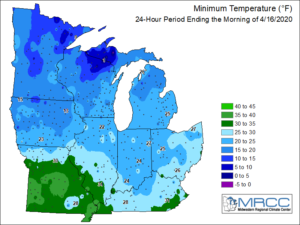
As so many gardeners are staying at home these days, we’ve had more opportunity to enjoy the spring display. And then, perhaps inevitably, “normal” spring frost and freeze visited. Some plants are vulnerable to damage. The amount of damage will depend on how far along they are in their development. Home fruit-growers may have reason to be concerned: At 28 F, you can expect a 10 percent loss of flowers/young developing fruit. However, at 25…Read more about Assessing Freeze Injury on Horticultural Plants[Read More]


Advice for first-time gardeners: Start small

As so many of us are spending much more time at home these days, this might be the perfect time to think about starting a vegetable garden! In addition to adding fresh produce to your diet, gardening can offer both physical and mental therapeutic benefits. Anyone can develop a green thumb, as long as they’re willing to invest a little time, patience and elbow grease. Good planning is essential to successful gardening. Start your garden…Read more about Advice for first-time gardeners: Start small[Read More]


Spring Garden Shows Cure Winter Blahs

Whether you’re new to gardening or a seasoned green thumb, you’ll find lots of inspiring ideas at area gardening shows this spring.  No matter what your location, you’ll find at least one show within reach for a one-day excursion. Indianapolis, Fort Wayne, Chicago, and Louisville are just a sampling of the great garden shows we can eagerly anticipate. February 27 – March 1 Fort Wayne Home and Garden Show Memorial Coliseum Fort Wayne, Indiana February…Read more about Spring Garden Shows Cure Winter Blahs[Read More]


Page last modified: December 5, 2022

Indiana Yard and Garden – Purdue Consumer Horticulture - Horticulture & Landscape Architecture, 625 Agriculture Mall, West Lafayette, IN 47907

© 2026 Purdue UniversityAn equal access/equal opportunity universityCopyright ComplaintsMaintained by Indiana Yard and Garden – Purdue Consumer Horticulture

If you have trouble accessing this page because of a disability, please contact Indiana Yard and Garden – Purdue Consumer Horticulture at homehort@purdue.eduAccessibility Resources