Autumn Gardening Stories


Shining a light on why potatoes turn green

Potato tubers turn green when exposed to light. Whether store-bought or homegrown, potatoes will turn green when they are exposed to light. Most folks know that they shouldn’t eat potatoes that have turned green, or should at least cut away the affected portion. But it’s not actually the green color that is the problem. The green color comes from the pigment chlorophyll, produced as a response to light. The potato tuber that we eat is…Read more about Shining a light on why potatoes turn green[Read More]
 Categories:

Storing Leftover Garden Seed

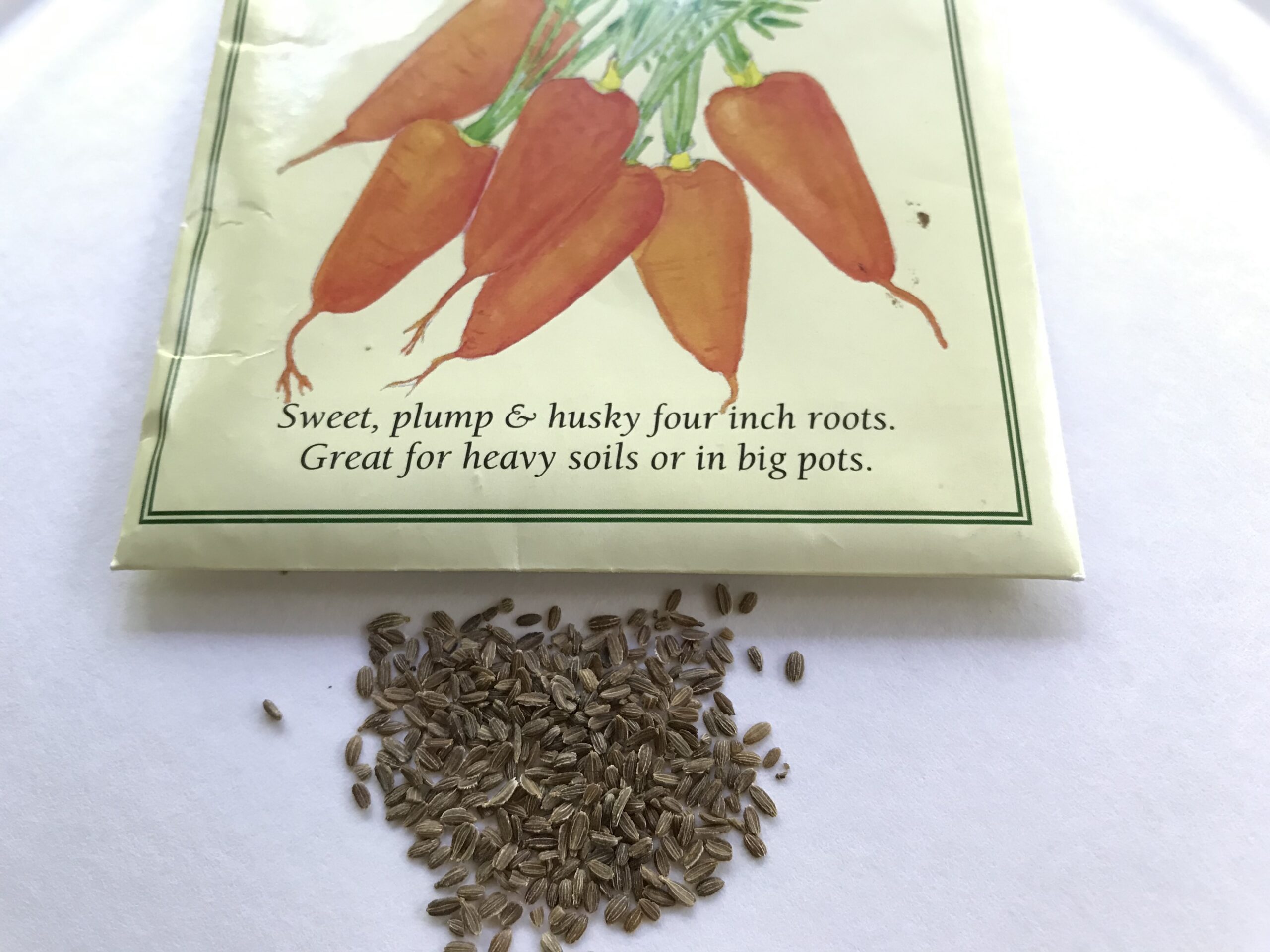
Carrot seed, photo provided by Rosie Lerner If you didn’t use up all the garden seed you bought this year, much of it can be stored for use in next year’s garden – depending on the plant species. Seeds of some plants ,such as corn, parsley, onion, viola (pansies), verbena, phlox, and salvia, are not very long lived, lasting only 1 or 2 years at best. Other seeds, including beans, carrots, lettuce, peas, radishes, snapdragon,…Read more about Storing Leftover Garden Seed[Read More]


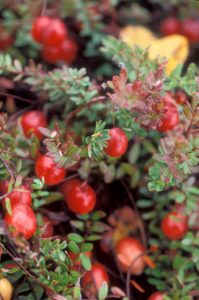
Thankful for Cranberries

The cranberry plant is native to large portions of the northeastern United States as well as the West Coast states and portions of Canada. Cranberry production requires a rather unique acid bog habitat, which restricts its commercial production to just a few states. Wisconsin, Massachusetts, New Jersey, Oregon, and Washington are the leading producers in the US. The ideal soil pH is 4.0-5.5, quite acidic compared to other horticultural crops. A large supply of fresh…Read more about Thankful for Cranberries[Read More]


Cut Back Perennials Now or Later?

Gardeners often ask, “When is the best time to cut back the dead tops of herbaceous perennials (stems die back to the ground each year)? Should we cut them in fall as the tops fade? Or wait until spring, just before new growth begins?” The answers depend, in part, on the specific plant and whether disease or insect pests are a factor. For most healthy plants, leaving plant tops over winter is fine and, in…Read more about Cut Back Perennials Now or Later?[Read More]


Fall Leaves Are Treasure, Not Trash

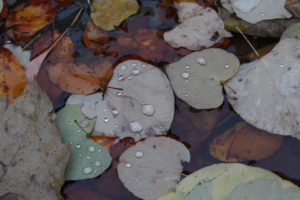
The hot dry weather experienced throughout much of Indiana in late summer is bringing an early leaf drop to many landscape plants. But even under the best weather conditions, the shorter, cooler days of autumn signal deciduous plants to begin their color change and eventual leaf drop. For some, this marvel is overshadowed by the chores of raking and disposing of leaves. What’s needed here is an attitude adjustment! Autumn leaves don’t have to become…Read more about Fall Leaves Are Treasure, Not Trash[Read More]


Time to Harvest Sweet Potatoes

  Although some folks may be sad to see summer coming to a close, many gardeners are looking forward to harvesting their sweet potato treasures. Sweet potatoes are warm-season plants that are very sensitive to cold temperatures. The tuberous roots should be harvested by the time frost kills the vines or soon thereafter. Sweet potato roots continue to grow until frost kills the vines. Roots can be left in the ground for a short while;…Read more about Time to Harvest Sweet Potatoes[Read More]


Blooming out of sequence is cool!

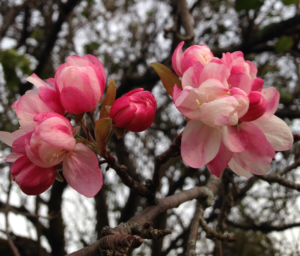
What is that crabapple doing reblooming in October and November? Actually, it might be more correct to think of it as jumping the gun on next spring rather than reblooming. Although it happens to some extent many years, there seem to be more reports thas usual of landscape plants blooming out of sequence this fall. Rhododendrons, crabapples, and saucer magnolias are the most commonly reported species blooming this fall. Spring-blooming woody plants initiate flower buds…Read more about Blooming out of sequence is cool![Read More]

 Categories:

Composting turns garden trash to treasure

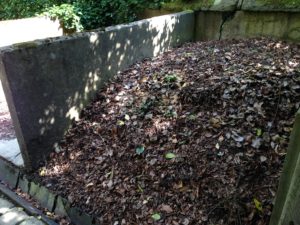
Autumn frosts usually means lots of cleanup around the yard and garden. Why not turn that yard waste into treasure? Composting is a naturally occurring process that breaks down organic materials into an excellent soil amendment that improves soil structure, as well as adds some nutrients. Composting will help you recycle your garden wastes, improve your soil and reduce disposal costs. All organic materials will break down eventually, but gardeners can speed up the process…Read more about Composting turns garden trash to treasure[Read More]


Tis The Season for Sage

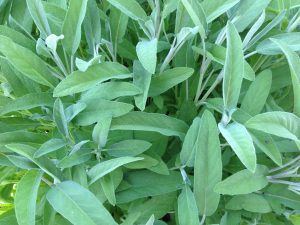
Thanksgiving dinners filled with the fragrance of sage dusted turkey and dressing may be an American tradition, so it may surprise you to know that the sage plant (Salvia officinalis) is native to the Mediterranean. Today sage is used primarily as a culinary herb, but in older times it was a common medicinal plant.  The origin of the salvia name belies it medicinal value from the Latin salvus “to save” and salvere, “to heal”. Sage…Read more about Tis The Season for Sage[Read More]


Bringing houseplants back indoors

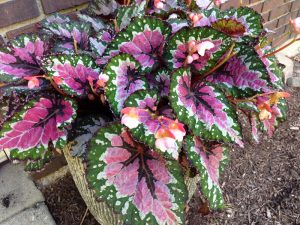
Many houseplants thrive during the long, bright summer days, especially when properly moved outdoors. But these plants may have some trouble adjusting back to indoor conditions when colder weather strikes. Many of our common indoor plants are native to the tropical or subtropical climates and cannot tolerate cold temperatures. Houseplants should be brought back inside before the outdoor temperature drops to 55 F. If days are warm but night temperatures are cold, you might consider…Read more about Bringing houseplants back indoors[Read More]


Page last modified: October 21, 2016

Indiana Yard and Garden – Purdue Consumer Horticulture - Horticulture & Landscape Architecture, 625 Agriculture Mall, West Lafayette, IN 47907

© 2026 Purdue UniversityAn equal access/equal opportunity universityCopyright ComplaintsMaintained by Indiana Yard and Garden – Purdue Consumer Horticulture

If you have trouble accessing this page because of a disability, please contact Indiana Yard and Garden – Purdue Consumer Horticulture at homehort@purdue.eduAccessibility Resources