Category: Seasonal Information

March Garden Calendar

HOME (Indoor plants and activities) Begin fertilizing houseplants as new growth appears. Remove spent leaves and flowers to improve appearance and encourage more blooms. Start garden seeds indoors for transplanting outdoors later in spring. Check stored bulbs and produce for decay; discard damaged items. Prune, repot, and clean houseplants as needed. YARD (Lawns, woody ornamentals, and fruits) Prune trees and shrubs (except those that bloom early in spring) while plants are still dormant. If you…Read more about March Garden Calendar[Read More]

February Garden Calendar

HOME (Indoor plants and activities) Check water levels in cut flowers daily. Check stored produce and flower bulbs for rot, shriveling, or excess moisture. Discard any damaged items. Most houseplants require less water in the winter because growth is slow or stopped. Check the soil for dryness before watering. Move houseplants to brighter windows, but don’t place plants in drafty places or against cold windowpanes. Potted spring-flowering bulbs forced into early blooming can make good…Read more about February Garden Calendar[Read More]


Spring Garden Shows Cure Winter Blahs

Whether you’re new to gardening or a seasoned green thumb, you’ll find lots of inspiring ideas at area gardening shows this spring.  No matter what your location, you’ll find at least one show within reach for a one-day excursion. Indianapolis, Fort Wayne, Chicago, and Louisville are just a sampling of the great garden shows we can eagerly anticipate. February 27 – March 1 Fort Wayne Home and Garden Show Memorial Coliseum Fort Wayne, Indiana February…Read more about Spring Garden Shows Cure Winter Blahs[Read More]


It’s For The Birds

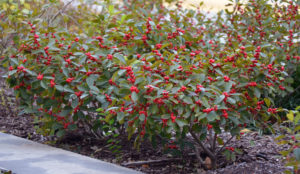
Q: I would like to plant bushes that will attract birds in fall and winter. I’m thinking of something that produces a berry they eat? – J.W., Winfield, Indiana A: Birds require not only food such as fruits and seeds, but also shelter and water. Planting a variety of plants that offer these resources across the seasons will help attract more birds to your yard. Some native shrubs to consider include: Aronia (chokeberry) Callicarpa (beautyberry)…Read more about It’s For The Birds[Read More]


Mother Nature Gives Spring Bulbs the Heave-Ho!

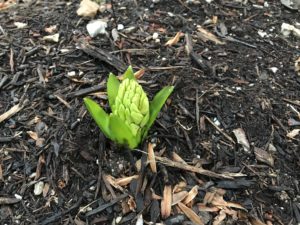
It’s not unusual for Indiana weather to have trouble deciding what season it is. Warm spells during the dormant period often lead to bulbs poking their foliage (and sometimes flower buds) through the soil. While we’re more used to seeing this happen during February warm spells, our frigid temperatures arrived a bit early in fall 2019, followed by intermittent unseasonably mild weather. Indiana temperatures widely fluctuated in November and December, with the low temperature at…Read more about Mother Nature Gives Spring Bulbs the Heave-Ho![Read More]


What’s killing the oak trees?

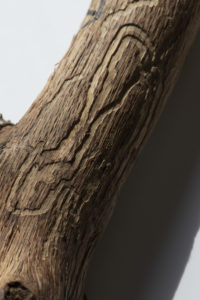
Q. In 22 years I’ve had more than a dozen oaks die because of a grub or larvae. Symptoms: First the leaves die and turn brown at the top of the tree. It slowly spreads down the tree until all the leaves are brown and have fallen off. Then the bark begins to peel away from the trunk, and then it falls off pieces at a time. You can see where it cuts off the…Read more about What’s killing the oak trees?[Read More]

 Categories:

Thankful for Cranberries

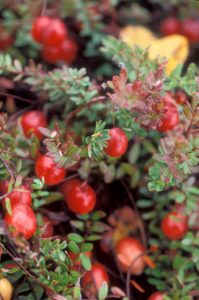
The cranberry plant is native to large portions of the northeastern United States as well as the West Coast states and portions of Canada. Cranberry production requires a rather unique acid bog habitat, which restricts its commercial production to just a few states. Wisconsin, Massachusetts, New Jersey, Oregon, and Washington are the leading producers in the US. The ideal soil pH is 4.0-5.5, quite acidic compared to other horticultural crops. A large supply of fresh…Read more about Thankful for Cranberries[Read More]


Cut Back Perennials Now or Later?

Gardeners often ask, “When is the best time to cut back the dead tops of herbaceous perennials (stems die back to the ground each year)? Should we cut them in fall as the tops fade? Or wait until spring, just before new growth begins?” The answers depend, in part, on the specific plant and whether disease or insect pests are a factor. For most healthy plants, leaving plant tops over winter is fine and, in…Read more about Cut Back Perennials Now or Later?[Read More]


Fall Leaves Are Treasure, Not Trash

The hot dry weather experienced throughout much of Indiana in late summer is bringing an early leaf drop to many landscape plants. But even under the best weather conditions, the shorter, cooler days of autumn signal deciduous plants to begin their color change and eventual leaf drop. For some, this marvel is overshadowed by the chores of raking and disposing of leaves. What’s needed here is an attitude adjustment! Autumn leaves don’t have to become…Read more about Fall Leaves Are Treasure, Not Trash[Read More]


Don’t let sap-sucking squash bugs get old

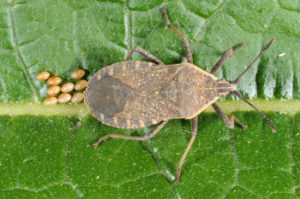
Q: We have been battling squash bugs for years. This year we went to preventive measures. Well, they are back. I now need to know what can we do to apply to kill them on contact. We are totally organic here. – T.H., Bremen, Indiana A: Squash bugs can be a persistent pest on all of the cucurbits, but especially on squash and pumpkins. This pest overwinters as adults in crop residue or nearby weeds, then fly to…Read more about Don’t let sap-sucking squash bugs get old[Read More]


Page last modified: September 6, 2019

Indiana Yard and Garden – Purdue Consumer Horticulture - Horticulture & Landscape Architecture, 625 Agriculture Mall, West Lafayette, IN 47907

© 2026 Purdue UniversityAn equal access/equal opportunity universityCopyright ComplaintsMaintained by Indiana Yard and Garden – Purdue Consumer Horticulture

If you have trouble accessing this page because of a disability, please contact Indiana Yard and Garden – Purdue Consumer Horticulture at homehort@purdue.eduAccessibility Resources