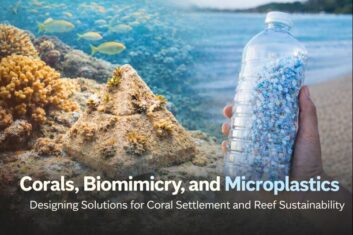
Corals, Biomimicry, and Microplastics
Tuesday, January 27th, 2026
Lesson Overview:
Students investigate threats to coral reefs in Hawaiʻi, including climate change, sedimentation, and microplastic pollution. Using biomimicry, students design and prototype coral settlement structures that support coral survival, connecting STEM learning with ecological sustainability and human responsibility to protect reefs.
Lesson Scenario:
Coral reefs are essential to Hawaiʻi’s ecosystems, culture, and economy, yet many reefs struggle to survive due to environmental stressors and pollution.
Students explore coral life cycles and the challenges coral planulae face during settlement, then apply insights from nature to design substrates that promote coral growth and resilience.
Field experiences, community partners, and real-world data help students understand how human actions impact reef health and what solutions are possible.
Lesson or Unit Objectives:
Students will be able to:
-
- Explain the ecological, cultural, and economic importance of coral reefs in Hawaiʻi
- Identify major threats to coral reefs, including microplastics and climate-related stressors
- Apply biomimicry to design coral settlement structures
- Create physical and/or 3D-printed prototypes using modeling, CAD, or photogrammetry
- Evaluate designs based on sustainability, feasibility, and environmental impact
- Communicate design ideas and reflect on human responsibility (kuleana) to protect reefs
Age Level or Subject:
-
- Grade 9-12, Marin Science, Environmental Science, Engineering Design, Integrated STEM
Lesson Plan Download
Coral Settlement Biomimicry Microplastics and Sociopolitical Art