
Through study abroad opportunities, Purdue’s Veterinary Technology Distance Learning program is helping students think globally
Promoting animal health is a value that transcends cultures and unites the world. That’s why there are veterinary professionals practicing in nearly every country around the globe. But access to high-quality, affordable veterinary care is far from universal — in many nations, particularly developing nations, access to vets is inconsistent, and affordability is a concern all over the world. To confidently address these issues, veterinary professionals must be able to think globally.
That’s why Purdue University’s College of Veterinary Medicine is encouraging students in its Veterinary Technology Distance Learning Program to pursue study abroad opportunities. According to Addison Sheldon, director of global engagement for Purdue University’s College of Veterinary Medicine, giving online students the opportunity to utilize their skills abroad helps them develop a global consciousness that can make them more effective practitioners.
“Study abroad enriches our online curriculum by bringing classroom concepts to life in a global, real-world context,” said Sheldon. “In addition to learning about diverse veterinary practices, they’re living them. This immersive learning deepens their understanding of animal health, broadens their clinical perspective and develops critical thinking skills.”
Learn more about Purdue’s Vet Tech Distance Learning program
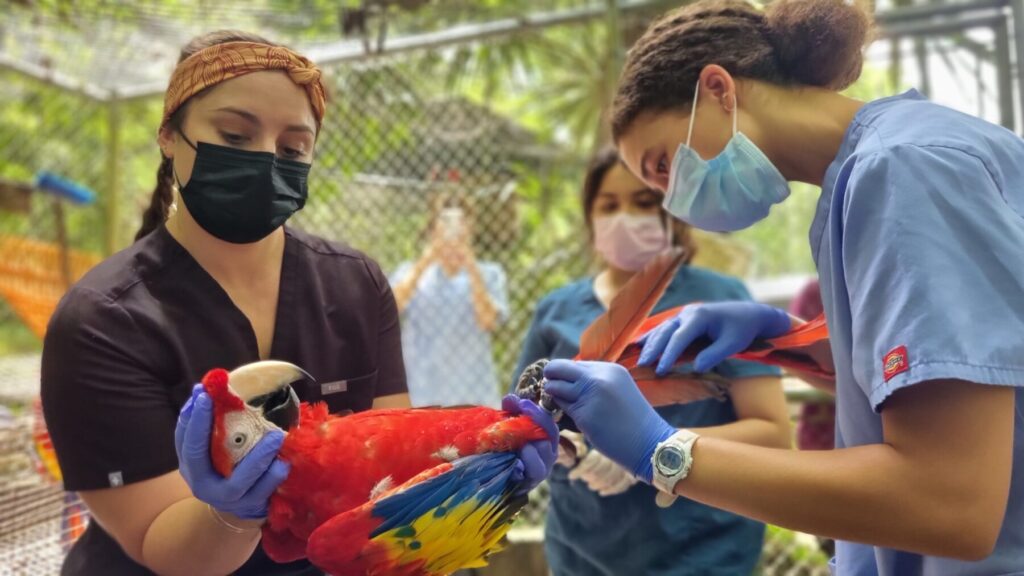
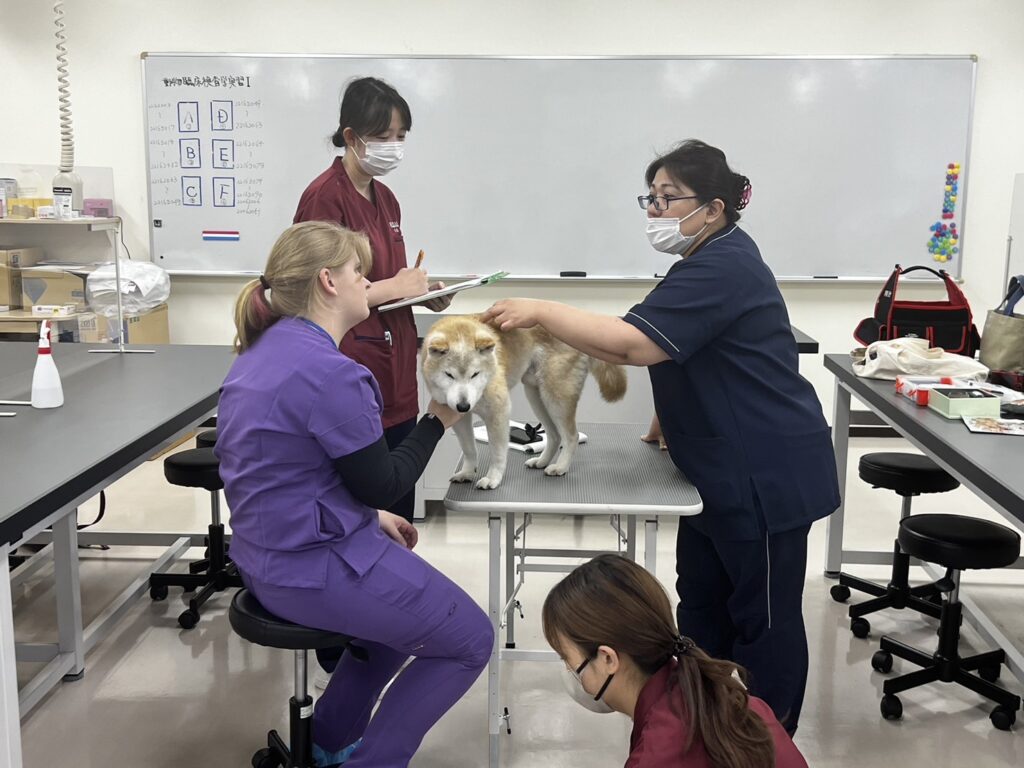
The Veterinary Technology Distance Learning (VTDL) program offers students the option to study abroad in Guatemala, Japan and Zimbabwe by partnering with local universities and organizations. In Guatemala, students partner with ARCAS, a wildlife medicine and rehabilitation nonprofit. In Japan, students learn about small and large animal medicine at Rakuno Gakuen University. And in Zimbabwe, students explore the contrasts in urban, livestock and wildlife veterinary medicine.
Online students in the VTDL program engage in flexible, immersive learning experiences that prepare them to earn their associate’s degrees and pass the Veterinary Technician National Exam so they can work as veterinary technicians. By offering study abroad programs, the Vet Tech program is building on the strong foundation students get in their online courses and helping them prepare for careers in a global workforce, Sheldon said.
“These students have worked across cultures, adapted to unfamiliar environments, and seen how veterinary medicine is practiced around the world,” said Sheldon. “Those experiences sharpen communication skills, broaden cultural competence, and help graduates stand out as confident, adaptable professionals.”
Though study abroad experiences are not common in online programs, Purdue’s College of Veterinary Medicine is committed to making global learning more accessible to working professionals, nontraditional students and the many audiences who make up VTDL’s online student community. According to Sheldon, global learning is more than a cool opportunity — it prepares students to excel in diverse environments, confidently communicate across cultural differences, and solve problems that have a global context and impact.
“We’re committed to making global learning accessible to everyone, including our online learners, because veterinary medicine does not occur in a vacuum,” said Sheldon. “It takes place in a world that’s interconnected in so many ways.”
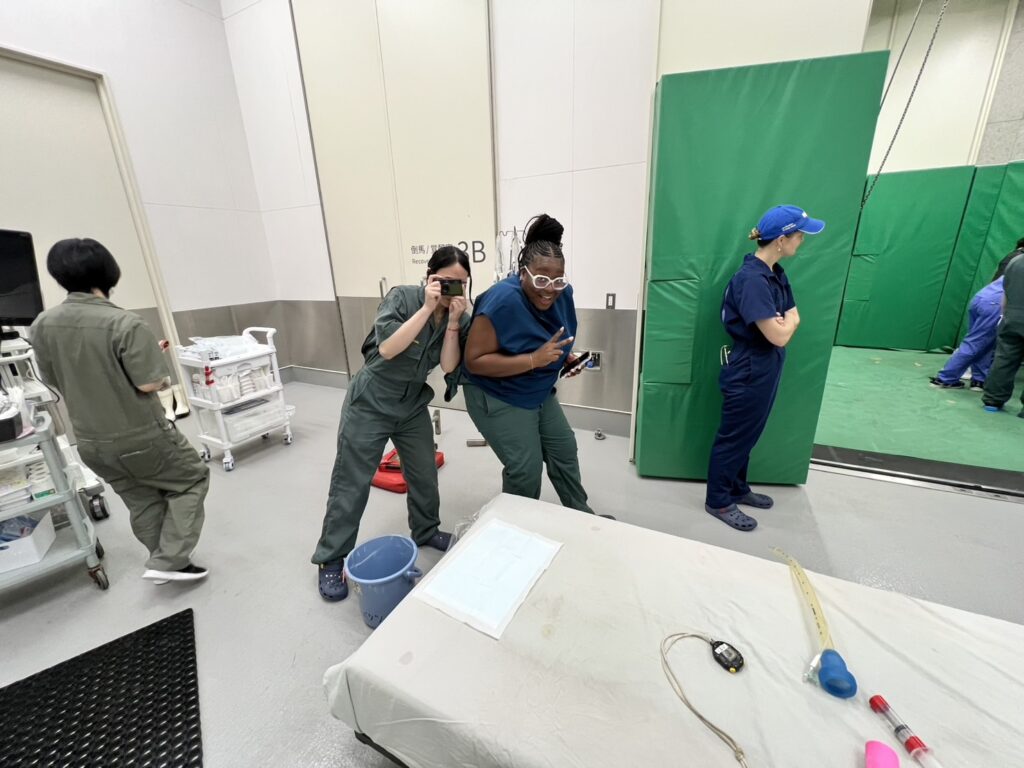
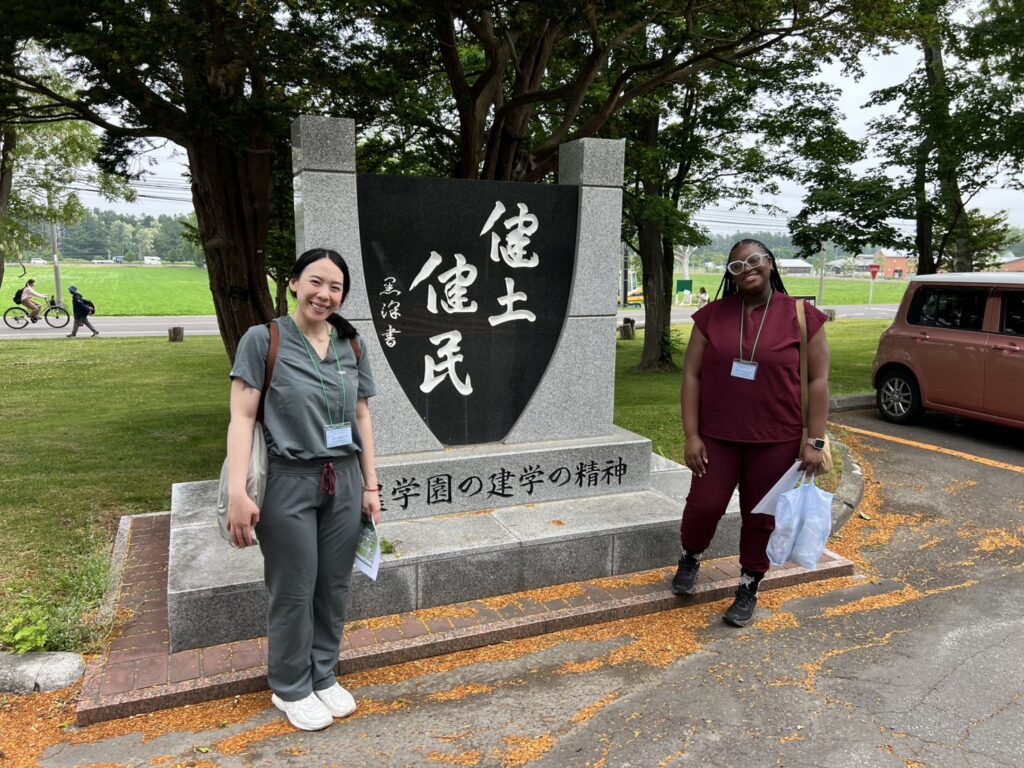
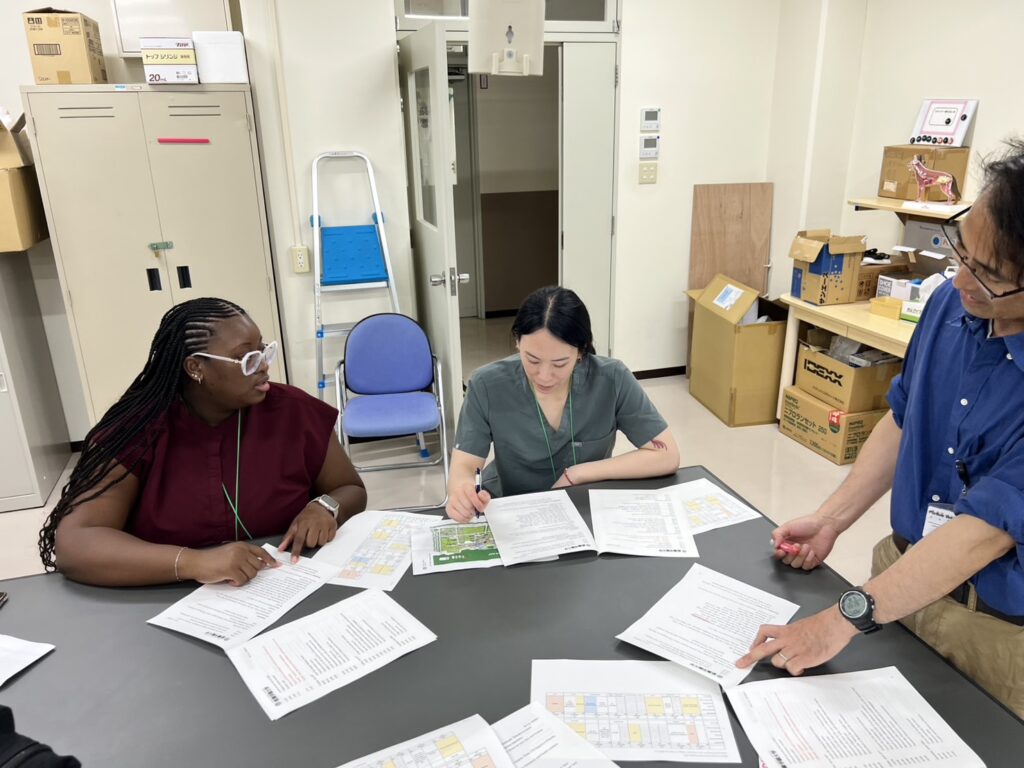
From a student perspective, studying abroad is a chance to experience a new culture and grow personally and professionally. That’s how Kalyn Stevens, Purdue VTDL student, described her study abroad experience. Stevens studied abroad in Japan in June of 2025. During the trip, she got to explore Japanese culture and new professional interest areas — including equine surgery. She enjoyed her experience so much that she ended up pursuing equine veterinary nursing as a career after her graduation.
“I think study abroad is important because it allows you to see how culture plays a part in veterinary medicine,” said Stevens. “It allows you to see and view things from different lenses. It’s a unique interchange of skills and knowledge that only can be gained from studying abroad.”
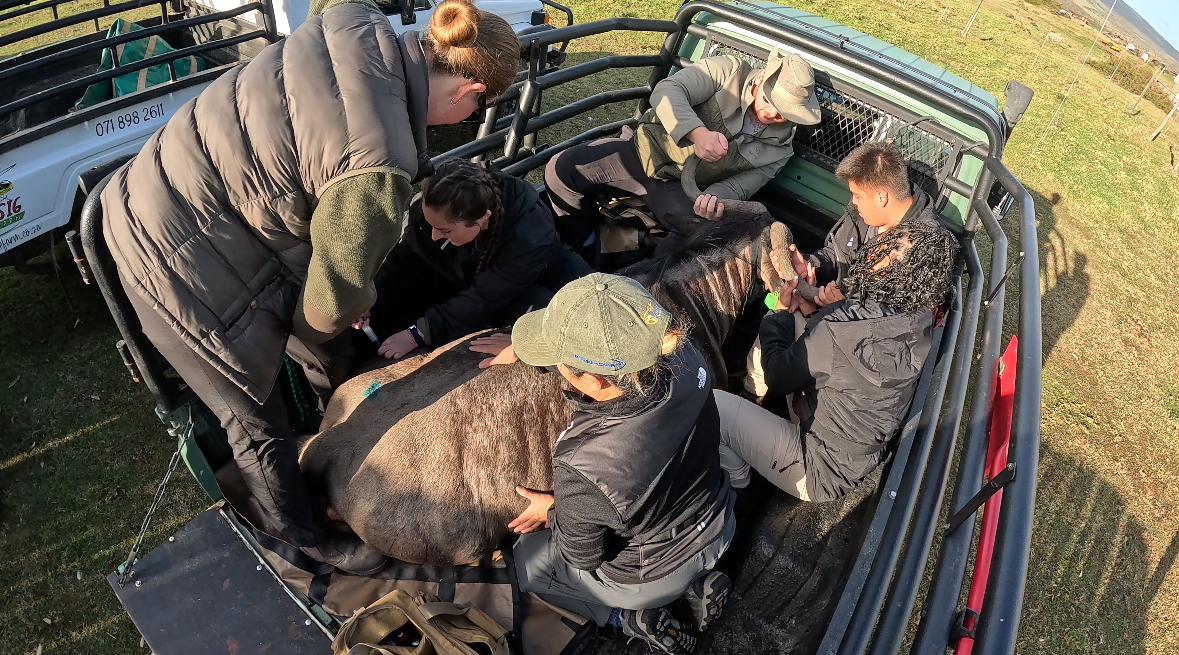
Anne Marie Adducci, another Purdue VTDL student, completed two study abroad programs with the College of Veterinary Medicine: one in Guatemala in July of 2023 with VTDL, and one in South Africa in May of 2025 with Doctor of Veterinary Medicine students. These programs gave Adducci the opportunity to get hands-on experience working with animals she doesn’t normally encounter in traditional clinical settings. In South Africa, she worked with giraffes, zebras, buffalo and many species of antelope. She learned about wildlife field medicine and how conservation plays a vital role in ecosystems. In Guatemala, she worked with primates, tropical birds and crocodilians, building expertise in animal handling and each species’ behavior, nutrition and husbandry.
“This program strengthened my technical skills in restraint, behavior assessment, nutrition planning and preventative care, but more importantly, it broadened my perspective,” Adducci said. “It reminded me why I chose this field: to advocate for animals while serving diverse communities with compassion and understanding. I left both programs more knowledgeable and purposeful — equipped to educate others and contribute my experiences more meaningfully to the veterinary field.”
“These programs [to me] are more than just study abroad. They teach veterinary skills that shape confident, compassionate, conservation-minded professionals while providing the adventure of a lifetime,” Adducci continued.
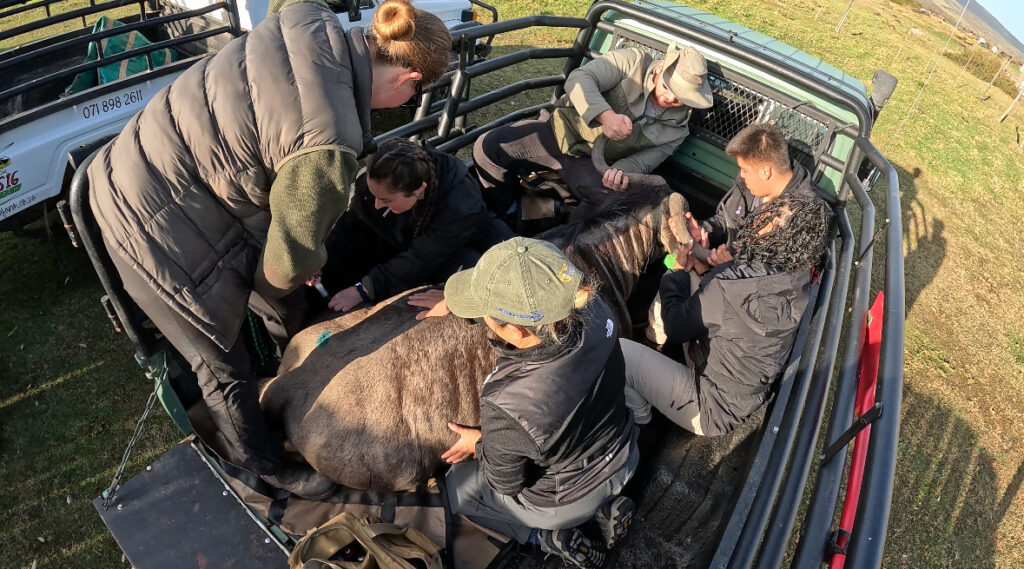
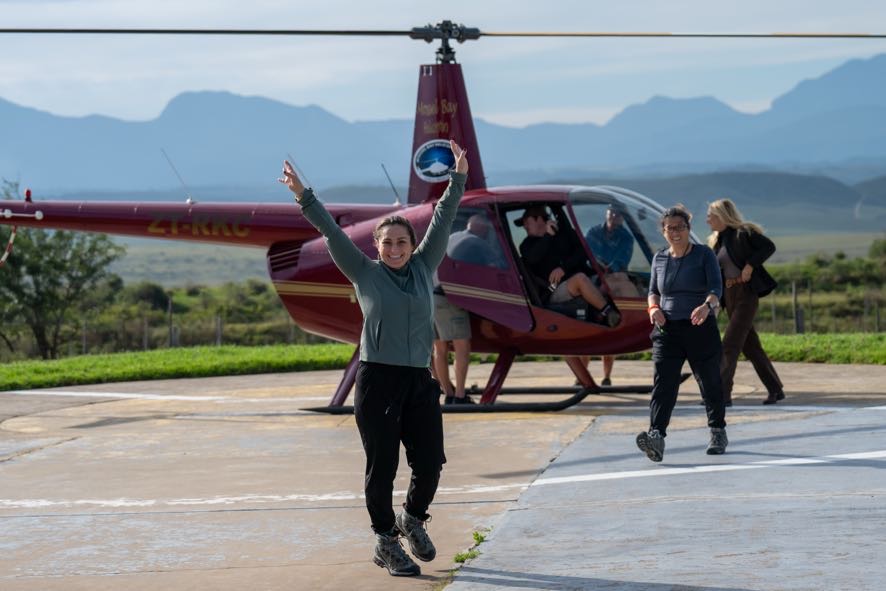
For Linzi Nicholson, a Purdue VTDL student who studied abroad in Zimbabwe in 2024 and in Japan in 2023, getting to practice veterinary medicine in another setting provided new context for how veterinary care differs around the world. In Japan, Nicholson experienced the highly technical, regulated environment of a large animal hospital, and she came out of the experience with a newfound insight into the complexity of veterinary surgery. In Zimbabwe, Nicholson learned about the importance of preserving and protecting wildlife, and she got to work with many animals she’d never worked with before. She left both experiences with a renewed sense of purpose in her career path.
“In my time in veterinary medicine, I have experienced burnout a few times, but every time I am in that headspace I bring myself back to my study abroad opportunities,” Nicholson said. “Reflecting on these wonderful experiences helps remind me why I chose this career, and just how enriching it can be.”

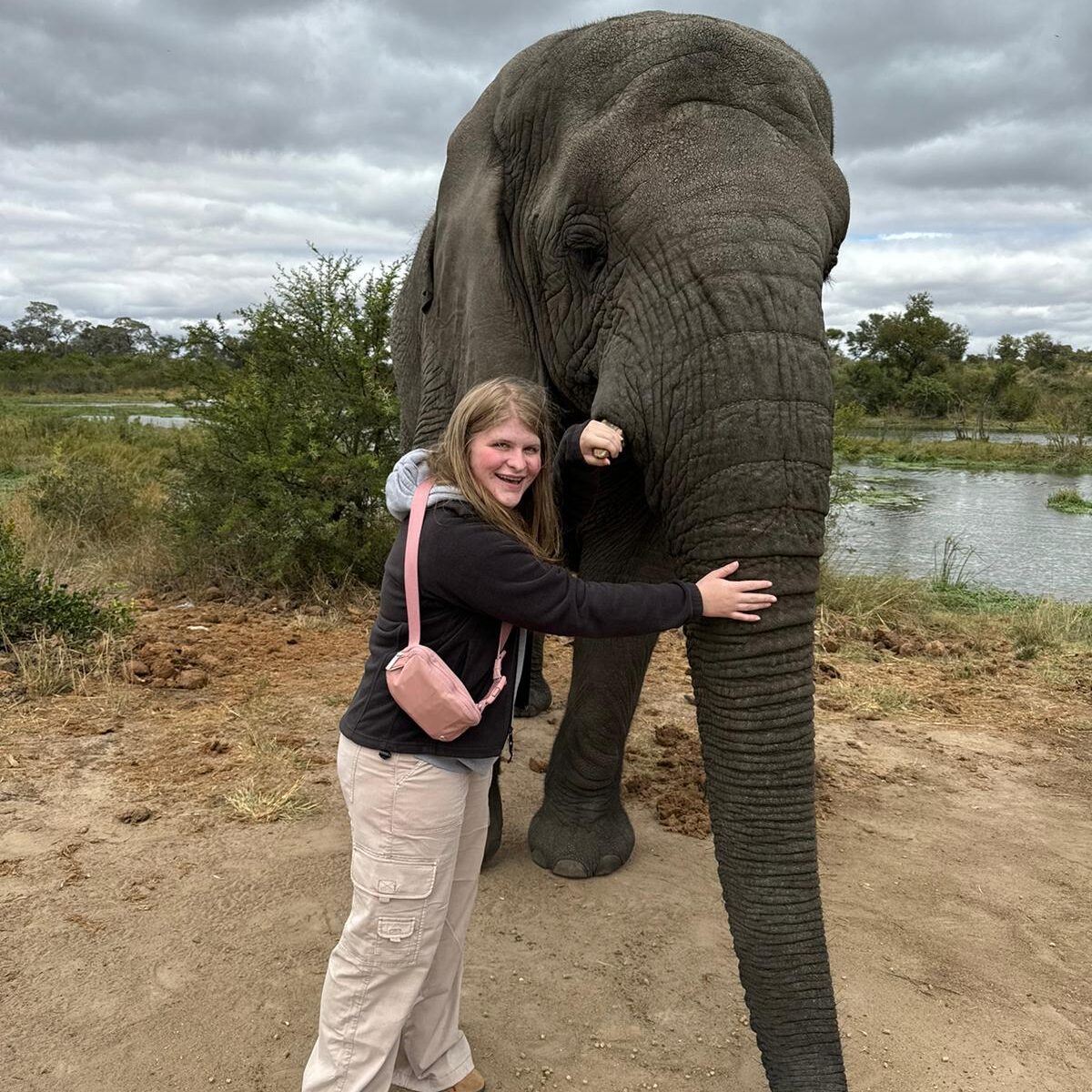
These students’ experiences are shared by dozens of other students who have studied abroad with Purdue’s Vet Tech Distance Learning Program. In addition to learning about a new culture, many of them also developed new passions and professional goals that made an impact on them long after they returned home. This, said Sheldon, is what makes the opportunity so special — it gives students the chance to understand their place in the world, and how they can work to improve it.
“Providing study abroad opportunities ensures that every student, regardless of how they begin their academic journey, can graduate as a globally conscious, adaptable and professionally competitive veterinary technician,” Sheldon said.
To learn more about study abroad opportunities in Purdue’s Veterinary Technology Distance Learning Program, visit the program’s webpage.