
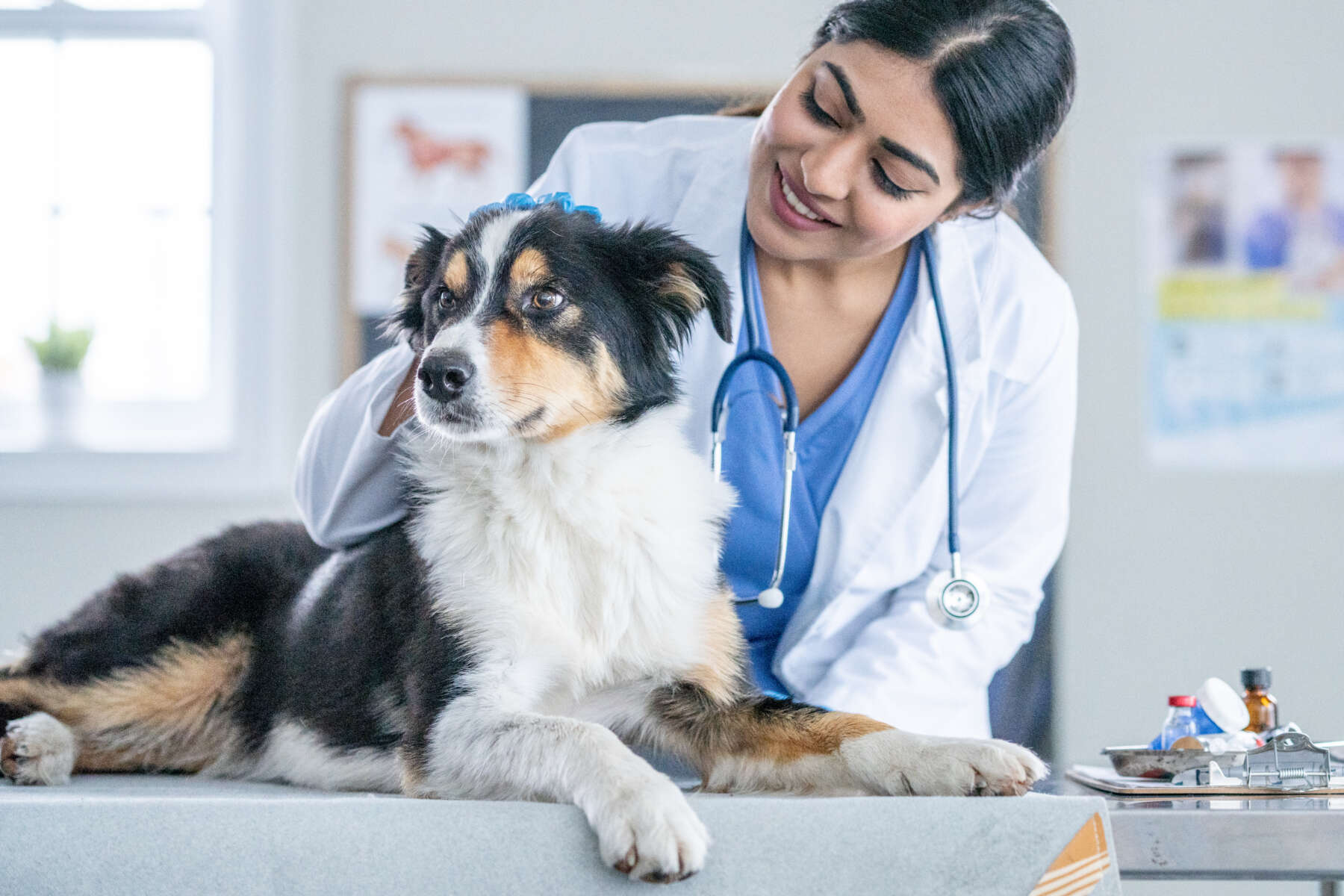
Caring for animals can lead to a great career: What you need to know about vet school
With 78 million American households caring for at least one animal, pet ownership is at an all-time high.
For 80% of those owners, Fluffy, Fido and Fuzzy Bunny are more than pets. According to the American Veterinary Medical Association (AVMA), they are considered beloved family members, and they are treated as such. In 2025, the AVMA reported that owners spent a record $1,700 on their pets annually, with 32% of that total spent on pet healthcare.
With pet care demand at an all-time high, careers in animal sciences and veterinary medicine have never looked better. From veterinarians providing treatment, to researchers developing medicines for animals and nutritionists creating food designed to meet dietary needs, the need for those who care for animals is growing.
But it takes more than caring about animals to properly provide for animals. If you are interested in a career supporting animal health and wellbeing, a solid educational foundation is critical to your success. Before you start your journey, here are a few things you should know:
Is being a vet a good career?
The career outlook for veterinary medicine is as golden as a retriever. Indeed.com listed veterinarian as 2025’s best job, thanks to a variety of factors including a 124% increase in job listings over the past three years, a demand for a higher quality of life for pets and a growing preference for pets over children among younger generations.
The U.S. Bureau of Labor Statistics’ Occupational Outlook Handbook reports a growth rate of 10% from 2024-2034 and a median salary of $124,510. Related careers are expected to see similar job growth, with median annual salaries ranging from $37,320 for veterinary assistants to $45,980 for veterinary technicians or technologists.
What do vet schools look for in an applicant?
With only 36 accredited vet schools in the nation, admission to any of those programs is highly competitive. The American Association of Veterinary Medical Colleges (AAVMC), which accredits Doctor of Veterinary Medicine (DVM) programs in the US, has created a guide for applicants looking to improve their chances for admission.
The association’s recommended steps for high school students include talking to a counselor to create an academic plan, taking Advanced Placement (AP) math and science classes to become acclimated to more challenging courses, earning a high GPA, participating in school activities, clubs or school government and gaining experience working with animals.
For college students, AAVMC says neither a pre-vet major, 4.0 GPA nor a bachelor’s degree is explicitly required. However, good grades in veterinary school prerequisite courses alongside nonacademic activities like employment, volunteering, participating in clubs and working with animals are considered.
What are the best majors for vet school?
You can major in anything you prefer as long as you build a solid scientific foundation by taking the required prerequisite courses.
What courses should I take?
Course requirements vary by vet school. Visit the AAVMC Veterinary Medical School Admission Requirements website or your preferred veterinary school’s website for more information. Then talk to your academic advisor to make sure your academic pathway aligns with your goals.
Julie Mahoney, clinical assistant professor of online programs in animal sciences at Purdue University, recommends reviewing the required courses for a DVM program and taking courses to prepare for those. That typically means more scientifically rigorous courses like chemistry, biology and physiology. However, students who also add animal science courses to their plan of study augment the hard sciences with important and relevant knowledge.
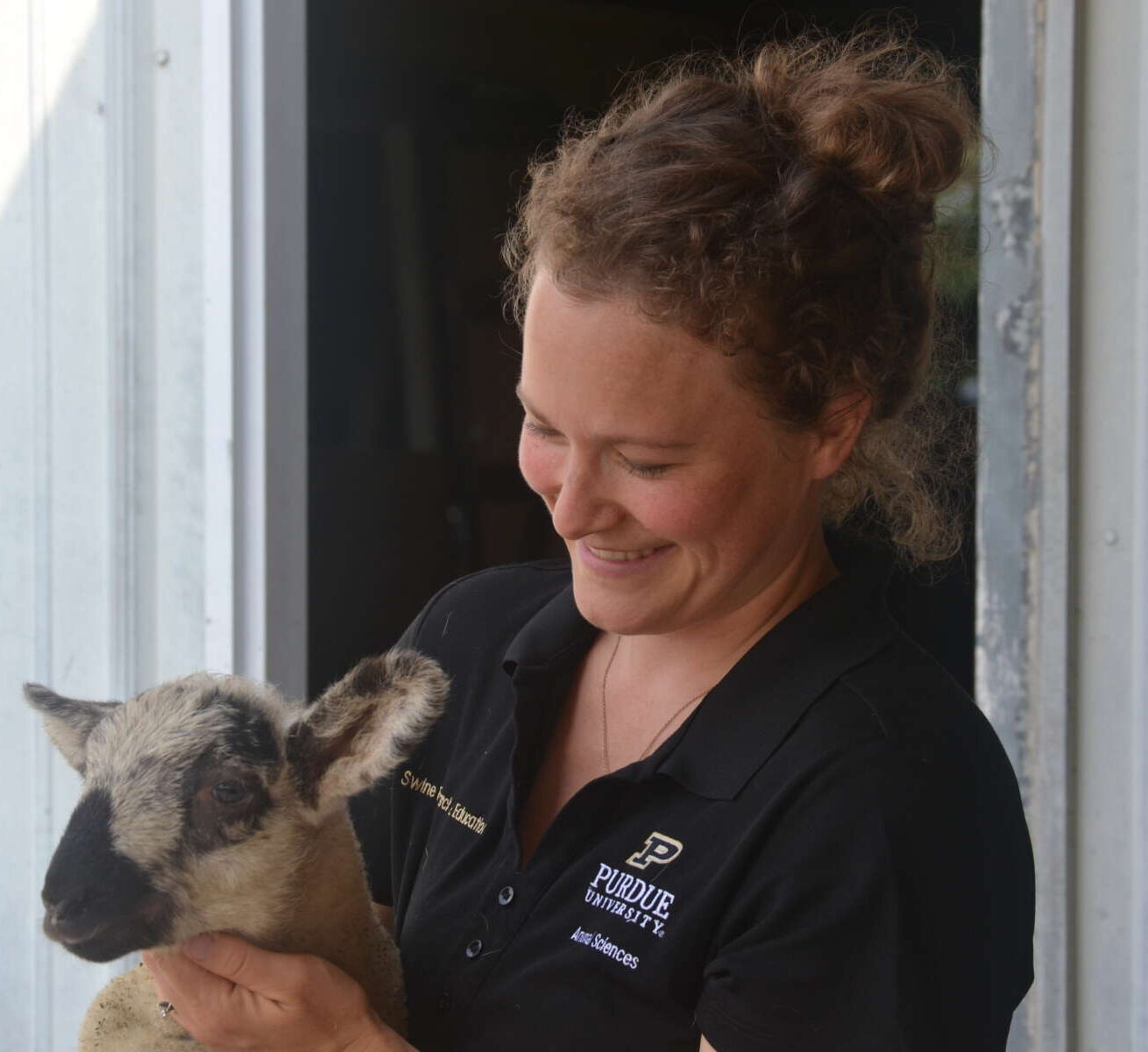
You can simply major in biology or chemistry, but studying these subjects alongside animal sciences coursework keeps you grounded and connected with the unique aspects of animals, their care and what you will be practicing.
Julie Mahoney
Clinical Assistant Professor of online programs in animal sciences, Purdue University
“You can simply major in biology or chemistry, but studying these subjects alongside animal sciences coursework keeps you grounded and connected with the unique aspects of animals, their care and what you will be practicing,” Mahoney said.
How much does it cost?
The cost of attending vet school as an in-state student for four years ranged from $157,540 to $409,908 in 2026, according to the AAVMC. For out-of-state students, that cost ranged from $235,345 to $480,571.
Ready for the next step?
If you are considering a career as a veterinarian or preparing for opportunities in other animal-related fields like research, bioscience or agribusiness, your educational journey can be bolstered by Purdue University’s online Fundamentals of Animal Sciences program.
Boost your vet school application with a leader in veterinary education: Purdue University.
Fundamentals of Animal Sciences is an online portfolio of courses designed to give you real-world, species-specific knowledge. Students explore animal physiology, nutrition, production systems, ethics and food products — all skills that can strengthen a veterinary school application. The online format gives you the flexibility to study when your schedule permits.
Undergraduate students who are studying at another university can take these online courses as potential transfer credits back to their home institution or enroll for academic credit directly through Purdue University Online. Classes can be completed during the summer or during regular school months.
“By offering these fundamentals of animal sciences to students who might be pursuing a degree in basic sciences and then planning to apply to a college of veterinary medicine to pursue a DVM degree, students gain access to some of these tenants of animal sciences to bolster their pre-vet education,” said Mahoney.
Explore your interest in animal-focused jobs while laying the foundation for a career in caring for them. Learn more about Purdue University’s online Fundamentals of Animal Sciences program by visiting its website.