Spring Gardening Stories


Where Have All the Flowers Gone?

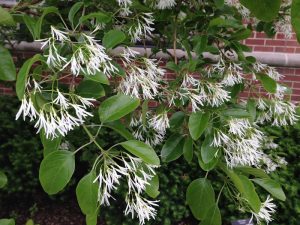
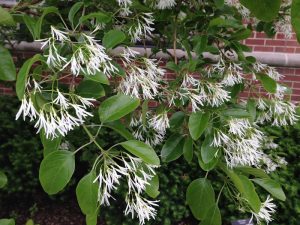
Winter 2017-18 was pretty harsh compared to most years. Much of central and northern Indiana experienced 13 or more days well below zero, while southern Indiana had four to five days just a few degrees below zero. In addition, gusty winds further injured plants by desiccating buds and twigs. The consequences remain to be seen. While some spring flowering trees and shrubs may perform admirably this season, some species will have few or no blooms…Read more about Where Have All the Flowers Gone?[Read More]
 Categories:

Why plants fail to bloom

Flowering plants that don’t bloom as promised can be a big disappointment in your garden. Reasons for lack of blooming are as diverse as the palette of plants from which to choose, but a little detective work can usually pinpoint the trouble. The most common factors associated with blooming, or lack thereof, include light, plant age, nutrition, extreme temperatures and improper pruning. Many woody plants must reach a certain age before they are mature enough…Read more about Why plants fail to bloom[Read More]

 Categories:

Sour mulch can burn tender plants

Although the benefits of mulching garden plants are many, wood mulch that has been improperly stockpiled can lead to plant injury or even death. Young herbaceous plants are the most susceptible to such injury, which becomes obvious shortly after applying a hardwood bark mulch. Plants may look like they have been burned with fertilizer or pesticides, or possibly, are under severe water stress. All of the above could potentially be a problem, but apparently, we…Read more about Sour mulch can burn tender plants[Read More]


Assess Pruning Needs

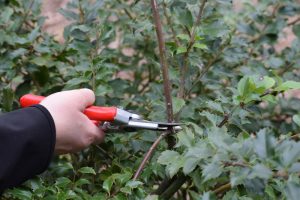
Now’s a good time to survey your landscape and decide what needs pruning following potential freeze injury late this winter, keeping in mind that not all plants need to be trimmed. Pruning generally stimulates new buds to develop and break dormancy, so this year we recommended delaying pruning to reduce freeze injury. We had mild conditions through midwinter, which caused some plants to emerge early from dormancy. The more recent temperatures in the teens and…Read more about Assess Pruning Needs[Read More]


Peony Showtime

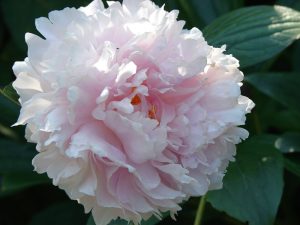
To admire a peony in full bloom is a fitting way to celebrate our full arrival into spring and preview a hint of the colors that summer will bring to our gardens. Although it is native to Asia, the peony has become a staple of Midwestern flower gardens – so much so that the Indiana Legislature in 1957 adopted the peony as the state flower. Zinnia was the state flower from 1931 to 1957 and…Read more about Peony Showtime[Read More]


Celebrate Arbor Day April 29

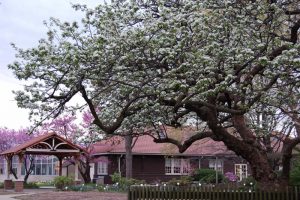
There’s no better way to celebrate Arbor Day then to add beauty and value to your home landscape with a new tree. Trees can also provide shade and wind protection for many years to come if given the proper start. The last Friday in April is both the national and the Indiana Arbor Day. The first step should be thoughtful selection of an appropriate plant to match the location. Assess your planting location for such…Read more about Celebrate Arbor Day April 29[Read More]


Leaves of Three, Let It Be’ Should Be ‘Leaflets of Three

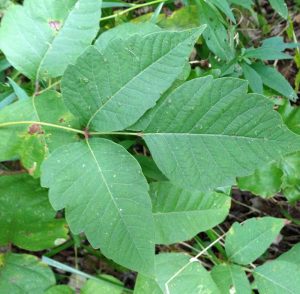
Most gardeners have heard of the wise advice “leaves of three, let it be” referring to the pest plant poison ivy. While not quite as catchy, the saying really should be “leaflets of three, let it be.” Poison ivy leaves are compound rather than simple – a single leaf is divided into three separate portions, called leaflets. Plants with three leaflets are often referred to as being trifoliate. Another key identifying characteristic is that one…Read more about Leaves of Three, Let It Be’ Should Be ‘Leaflets of Three[Read More]


Some Shrubs Best Pruned After Flowering

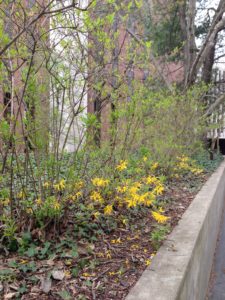
Although late winter is generally the ideal time for pruning chores, many of our spring-blooming shrubs are best pruned immediately after flowers have faded. Trees and shrubs that bloom in early spring, such as forsythia, lilac, honeysuckle, quince and spirea, set their flower buds the previous fall, referred to as “flowering on old wood.” If you prune in late winter, some or all of the bloom potential for spring is sacrificed. By waiting until after…Read more about Some Shrubs Best Pruned After Flowering[Read More]


Some Shrubs Best Pruned After Flowering

Although late winter is generally the ideal time for pruning chores, many of our spring-blooming shrubs are best pruned immediately after flowers have faded. Trees and shrubs that bloom in early spring, such as forsythia, lilac, honeysuckle, quince and spirea, set their flower buds the previous fall, referred to as “flowering on old wood.” If you prune in late winter, some or all of the bloom potential for spring is sacrificed. By waiting until after…Read more about Some Shrubs Best Pruned After Flowering[Read More]


2015 Is the Year of the Sweet Pepper

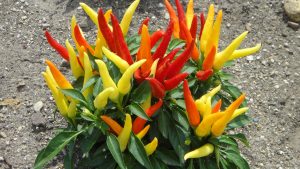
The National Garden Bureau has declared 2015 to be the Year of the Sweet Pepper! Sweet bell peppers are cultivars of Capsicum annuum. Sweet peppers are called sweet because they lack the gene that produces capsaicin—the chemical that gives hot peppers their heat. Pepper plants are easy to grow, and are quite compact making them a good fit for limited-space gardens and containers. Peppers are warm-season crops and should be planted out in the garden…Read more about 2015 Is the Year of the Sweet Pepper[Read More]


Page last modified: September 30, 2016

Indiana Yard and Garden – Purdue Consumer Horticulture - Horticulture & Landscape Architecture, 625 Agriculture Mall, West Lafayette, IN 47907

© 2026 Purdue UniversityAn equal access/equal opportunity universityCopyright ComplaintsMaintained by Indiana Yard and Garden – Purdue Consumer Horticulture

If you have trouble accessing this page because of a disability, please contact Indiana Yard and Garden – Purdue Consumer Horticulture at homehort@purdue.eduAccessibility Resources