Category: Winter

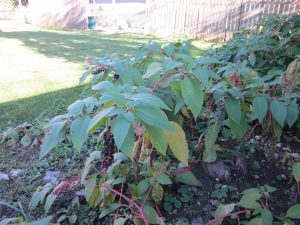
Pokeweed a Native Nuisance

Q. We have this plant or weed in our back yard. I can’t identify it by looking on line, and was hoping that you can tell us what it is – and whether or not it is a weed that will destroy other plants or take over the lawn – see attached photo(s). –T.S., Munster, Ind. A. This commonly seen plant is pokeweed, known botanically as Phytolacca americana. Pokeweed is a perennial plant native to…Read more about Pokeweed a Native Nuisance[Read More]
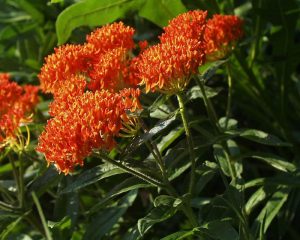

Butterfly Milkweed Named 2017 Perennial of the Year!

The Perennial Plant Association has named butterfly milkweed (Asclepias tuberosa), as its 2017 Perennial Plant of the Year. With much focus on pollinator habitat these days, butterfly milkweed is a terrific selection. Butterfly milkweed flowers play host to a wide range of butterflies, and milkweed foliage is the food source for monarch butterfly caterpillars. Bees, wasps and other insects are also frequent visitors. Butterfly milkweed is native to much of the continental United States and…Read more about Butterfly Milkweed Named 2017 Perennial of the Year![Read More]


Plants absorb water better through soil than leaves/Do roots of dormant seedlings grow through the winter?

Q. Can tomato plants absorb water through their leaves on humid days? Also on cool and hot days, how often do you need to water with our heavy clay soil? – C.W., Crown Point, Ind. A. While plants can absorb water through their leaves, it is not a very efficient way for plants to take up water. If water condenses on the leaf during high humidity, such as fog, then plants can take in some…Read more about Plants absorb water better through soil than leaves/Do roots of dormant seedlings grow through the winter?[Read More]


Spring garden shows cure winter blues

Whether you’re new to gardening or a seasoned green thumb, you’ll find lots of inspiring ideas at area gardening shows this spring. No matter what your location, you’ll find at least one show within reach for a one-day excursion. Indianapolis, Chicago, Cincinnati and Fort Wayne are just a sampling of the great garden shows we can eagerly anticipate. Feb. 25-28: Fort Wayne Home and Garden Show Memorial Coliseum Fort Wayne, Indiana www.home-gardenshow.com/ March 12-20: Indiana…Read more about Spring garden shows cure winter blues[Read More]


Blue & Gold gardens celebrate Indiana’s bicentennial

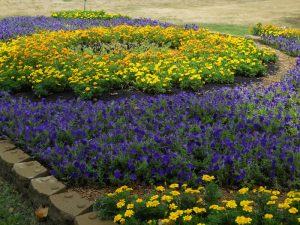
To celebrate Indiana’s bicentennial this year, the Garden Club of Indiana and the Indiana Bicentennial Commission are hoping gardeners will join the Blue & Gold garden tribute to Indiana’s state flag. It’s an easy way for all Indiana residents to commemorate the bicentennial.  If you don’t have a traditional garden bed, there are many fine choices for container gardens. There’s a vast array of garden flowers that can fit in the blue-and-gold theme.  Some “blue”…Read more about Blue & Gold gardens celebrate Indiana’s bicentennial[Read More]


How to care for poinsettia

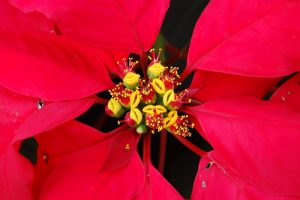
The poinsettia, the most popular holiday plant, is best known as the plant with bright red flowers on a green background. But the showiest part of the poinsettia is the group of colorful specialized leaves called floral bracts that surround the small, yellowish-green structures that are the true flowers. Red is still the most popular color, but bracts may also be pink, salmon-colored, yellow, white or multicolor. The long-lasting nature of today’s poinsettias can only…Read more about How to care for poinsettia[Read More]


Try Your Luck with Shamrocks

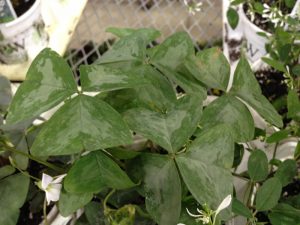
Although sometimes referred to as clover, the shamrock is not a “true” clover but more typically one of several species of Oxalis. The Oxalis selections commonly sold as shamrocks are grown more for foliage than for their flowers. Both green and purple foliage are popular, and some have quite striking variegated patterns. The shamrock’s dainty flowers vary from white to pink and from lavender to yellow, depending on the cultivar. Their flowers close at night…Read more about Try Your Luck with Shamrocks[Read More]


Stevia in the Windowsill Garden

Looking for a fun gardening project for chasing away your winter blues? Why not try growing Stevia in your windowsill garden. It may not be the most ornamental of plants, but hopefully will present a sweet reward for your efforts. Stevia rebaudiana, also known as sweetleaf and sugarleaf, is a low-growing, tender, perennial herb grown for the high levels of stevioside, which can be 30-300 times sweeter than cane sugar yet has zero calories. The…Read more about Stevia in the Windowsill Garden[Read More]


Wrap It Up

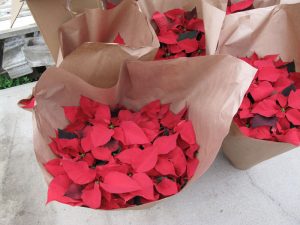
A sad thought occurred to me the other day while I was doing some holiday errands. I watched in horror as shoppers steered their carts full of holiday gift plants through gusty winds and miserably cold temperatures only to put these frigid plant victims into icy-cold automobiles. I wondered how many of these plants would even make it to their intended recipients? And how long would they last if they did make it that far?…Read more about Wrap It Up[Read More]


Winter Desiccation of Woody Ornamentals

Winter’s howling winds and frigid temperatures are challenging for all woody landscape plants. Although our plants are fully dormant at this time, the plant tissue is still subject to losing too much water – a condition called desiccation. This year’s unusually heavy and consistent snow cover provides good insulation, and most plants went into winter with a good moisture supply this year. However, when the ground is frozen solid and freezing temperatures are accompanied by…Read more about Winter Desiccation of Woody Ornamentals[Read More]


Page last modified: October 4, 2016

Indiana Yard and Garden – Purdue Consumer Horticulture - Horticulture & Landscape Architecture, 625 Agriculture Mall, West Lafayette, IN 47907

© 2026 Purdue UniversityAn equal access/equal opportunity universityCopyright ComplaintsMaintained by Indiana Yard and Garden – Purdue Consumer Horticulture

If you have trouble accessing this page because of a disability, please contact Indiana Yard and Garden – Purdue Consumer Horticulture at homehort@purdue.eduAccessibility Resources