Category: Autumn/Fall

Tis The Season To Sage

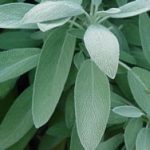
Thanksgiving dinners filled with the fragrance of sage-dusted turkey and dressing may be an American tradition, so you may be surprised to find out that the sage plant (Salvia officinalis) is native to the Mediterranean. Today sage is primarily used as a culinary herb, but in older times it was a common medicinal plant. The origin of the salvia name from the Latin salvus, “to save,” and salvere, “to heal,” underscores its medicinal value. Sage…Read more about Tis The Season To Sage[Read More]
Water Now To Minimize Winter Injury

Dry summers are not that unusual in the Midwest. But this year gardeners really had to battle to maintain healthy plants when extremely high temperatures were accompanied by a lack of rain. And of particular concern this year is that the drought is lasting well into autumn, putting plants in poor condition to get through the winter when water will be unavailable due to frozen soil. Newly planted trees, shrubs and perennial flowers will be…Read more about Water Now To Minimize Winter Injury[Read More]


Evergreen Needles Don’t Last Forever

Evergreens provide green color all year long but that doesn’t mean that the individual needles live forever. Evergreens shed their older needles to make room for new growth, but what makes them evergreen is that they retain some foliage all year long instead of shedding all of the leaves at once. Evergreen needles have varying life spans, depending on the species. Arborvitae and pine needles live for 2 years while spruce needles live 3-10 years….Read more about Evergreen Needles Don’t Last Forever[Read More]


Evergreen Needles Don’t Last Forever

Evergreens provide green color all year long but that doesn’t mean that the individual needles live forever. Evergreens shed their older needles to make room for new growth, but what makes them evergreen is that they retain some foliage all year long instead of shedding all of the leaves at once. Evergreen needles have varying life spans, depending on the species. Arborvitae and pine needles live for 2 years while spruce needles live 3-10 years….Read more about Evergreen Needles Don’t Last Forever[Read More]


Evergreen Needles Don’t Last Forever

Evergreens provide green color all year long but that doesn’t mean that the individual needles live forever. Evergreens shed their older needles to make room for new growth, but what makes them evergreen is that they retain some foliage all year long instead of shedding all of the leaves at once. Evergreen needles have varying life spans, depending on the species. Arborvitae and pine needles live for 2 years while spruce needles live 3-10 years….Read more about Evergreen Needles Don’t Last Forever[Read More]


Onions Don’t Need To Be a Crying Shame

An onion by any other name still may not smell sweet to most of us. Onions are notorious for causing malodorous breath and a trickle of tears. In both cases, sulfur-containing compounds are the culprits. According to legend, Western cowboys referred to onions as “skunk eggs,” thanks to the sulfur compound’s ability to permeate the lungs. The sulfur is contained within a volatile oil that enters the lungs and then is exhaled with the breath….Read more about Onions Don’t Need To Be a Crying Shame[Read More]


Storing Leftover Garden Seed

If you didn’t use up all of the garden seed you bought this year, much of it can be stored for use in next year’s garden, depending on the plant species. Seeds of some plants, such as corn, parsley, onion, viola (pansies), verbena, phlox and salvia, are not very long lived, lasting only 1 or 2 years at best. Other seeds, including beans, carrots lettuce, peas, radishes, snapdragon, cosmos, sweet William and zinnia will remain…Read more about Storing Leftover Garden Seed[Read More]


Storing Leftover Garden Seed

If you didn’t use up all of the garden seed you bought this year, much of it can be stored for use in next year’s garden, depending on the plant species. Seeds of some plants, such as corn, parsley, onion, viola (pansies), verbena, phlox and salvia, are not very long lived, lasting only 1 or 2 years at best. Other seeds, including beans, carrots lettuce, peas, radishes, snapdragon, cosmos, sweet William and zinnia will remain…Read more about Storing Leftover Garden Seed[Read More]


All-American Selections New Flowers and Vegetables for 2010

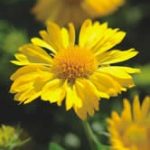
Four exciting new flowers have been chosen as All-America Selections (AAS) 2010, based on superior performance in test gardens throughout the country. Gaillardia ‘Mesa Yellow’ is the first hybrid blanket flower bred for compact growth habit and prolific flowering. The early, 3-inch daisy-like flowers are excellent for cutting but will attract butterflies if left on the plants. The plants form a neat mound, reaching up to 2 feet in full sun, perfect for containers and…Read more about All-American Selections New Flowers and Vegetables for 2010[Read More]


Winding Down the Landscape

As the growing season comes to a close, there are still a few more chores that call the gardener to action. Mowing, watering, pruning and cleaning continue to beckon. Lawns need mowing as long as the grass continues to grow, some years continuing through most of the fall. Newly planted flowers, trees and shrubs should be watered thoroughly every week or so right up until the ground freezes, especially if rainfall is lacking. Perennials, trees…Read more about Winding Down the Landscape[Read More]


Page last modified: October 18, 2016

Indiana Yard and Garden – Purdue Consumer Horticulture - Horticulture & Landscape Architecture, 625 Agriculture Mall, West Lafayette, IN 47907

© 2026 Purdue UniversityAn equal access/equal opportunity universityCopyright ComplaintsMaintained by Indiana Yard and Garden – Purdue Consumer Horticulture

If you have trouble accessing this page because of a disability, please contact Indiana Yard and Garden – Purdue Consumer Horticulture at homehort@purdue.eduAccessibility Resources