Category: Autumn/Fall

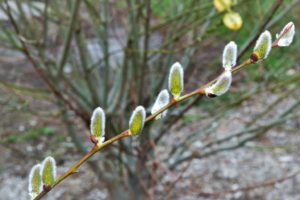
Pussy willow shrubs can thrive in well-drained soil

Q: I am writing about a pussy willow tree I planted in my backyard in early August 2018. I have wanted one for some time and found one on sale at a discount department store. It didn’t have much info on what it takes to grow by ponds or lakes. So, if you could give me any information, it would be appreciated. A: A number of willow shrub species are commonly called pussy willows, so…Read more about Pussy willow shrubs can thrive in well-drained soil[Read More]


Time to Harvest Sweet Potatoes

  Although some folks may be sad to see summer coming to a close, many gardeners are looking forward to harvesting their sweet potato treasures. Sweet potatoes are warm-season plants that are very sensitive to cold temperatures. The tuberous roots should be harvested by the time frost kills the vines or soon thereafter. Sweet potato roots continue to grow until frost kills the vines. Roots can be left in the ground for a short while;…Read more about Time to Harvest Sweet Potatoes[Read More]


Blue spruce not a great choice for Hoosiers

Q: We have 5.5 acres with several hundred white pines, 7 blue spruce, and 2 red pines. Several of the blue spruce are dying. Several years ago, two started dying from the bottom up. We put evergreen spikes around them, and after a year or so they came back to normal. Presently some of the large ones are now dying from the bottom to the top. We put spikes around two large and one small,…Read more about Blue spruce not a great choice for Hoosiers[Read More]


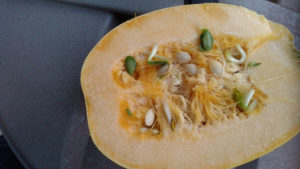
Sprouted Squash Seeds and Stinky Ginkgo Fruit

Q. We cut open a spaghetti squash and it had green sprouts growing inside. Have you seen this before? Is it safe to eat the squash? – B.O., Rensselaer, IN A. Although uncommon, premature sprouting of seeds inside a fruit sometimes occurs in squash, tomatoes, peppers, corn, strawberries, and other species. This early seed germination inside the fruit is called vivipary. Normally, the balance of plant growth regulators inside a fruit inhibit germination until seeds…Read more about Sprouted Squash Seeds and Stinky Ginkgo Fruit[Read More]


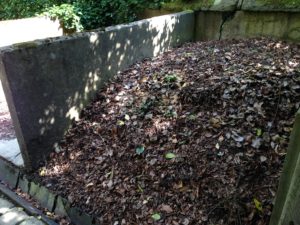
Composting turns garden trash to treasure

Autumn frosts usually means lots of cleanup around the yard and garden. Why not turn that yard waste into treasure? Composting is a naturally occurring process that breaks down organic materials into an excellent soil amendment that improves soil structure, as well as adds some nutrients. Composting will help you recycle your garden wastes, improve your soil and reduce disposal costs. All organic materials will break down eventually, but gardeners can speed up the process…Read more about Composting turns garden trash to treasure[Read More]


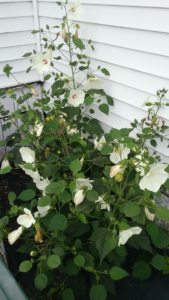
Showy hibiscus and mystery feathers

Q. Was wondering if you can identify this volunteer flowering plant. This is the second year it has come up. – H.G., Shipshewana, Ind. A. This is the perennial garden flower known commonly as hibiscus or rose mallow, botanical name Hibiscus moscheutos. This type of hibiscus is a hardy perennial that dies back to the ground each winter, and returns in the spring, reaching 3 to 5 feet tall or more. They usually begin blooming in midsummer and…Read more about Showy hibiscus and mystery feathers[Read More]


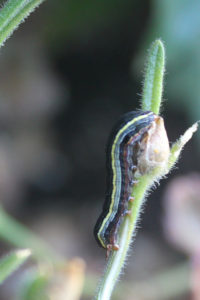
Damage control for the yellowstriped armyworm; Transplanting trees from the woods

Q. I have a worm eating my flowers. The flowers are in a tall planter so I am wondering if I need to add something to the base of the planter to keep them from coming up the plants OR are they hatching out on the plants? Some of the damage is caused by small slugs as well.Can you tell me what kind of worm this is? Also, what do you recommend to deter them? –…Read more about Damage control for the yellowstriped armyworm; Transplanting trees from the woods[Read More]


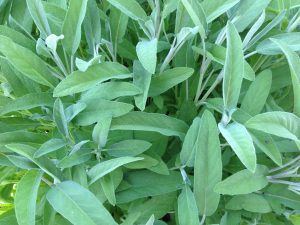
Tis The Season for Sage

Thanksgiving dinners filled with the fragrance of sage dusted turkey and dressing may be an American tradition, so it may surprise you to know that the sage plant (Salvia officinalis) is native to the Mediterranean. Today sage is used primarily as a culinary herb, but in older times it was a common medicinal plant.  The origin of the salvia name belies it medicinal value from the Latin salvus “to save” and salvere, “to heal”. Sage…Read more about Tis The Season for Sage[Read More]


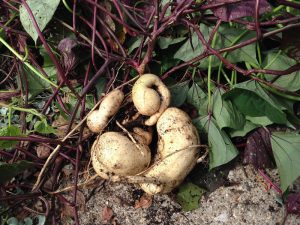
Ornamental sweet potato roots – edible but may not be palatable/Alternatives to Burning Bush for fall color

Q. I grew beautiful sweet potato vines in my flower garden this year. They looked great all summer, though they grew quite a bit larger than I expected so I had to cut them back to keep them from growing over my other plants. When I was cleaning up the garden last week, I noticed that the sweet potatoes had some fairly large potatoes underground. Are these safe to eat and do they taste like…Read more about Ornamental sweet potato roots – edible but may not be palatable/Alternatives to Burning Bush for fall color[Read More]


Bringing houseplants back indoors

Many houseplants thrive during the long, bright summer days, especially when properly moved outdoors. But these plants may have some trouble adjusting back to indoor conditions when colder weather strikes. Many of our common indoor plants are native to the tropical or subtropical climates and cannot tolerate cold temperatures. Houseplants should be brought back inside before the outdoor temperature drops to 55 F. If days are warm but night temperatures are cold, you might consider…Read more about Bringing houseplants back indoors[Read More]


Page last modified: October 21, 2016

Indiana Yard and Garden – Purdue Consumer Horticulture - Horticulture & Landscape Architecture, 625 Agriculture Mall, West Lafayette, IN 47907

© 2026 Purdue UniversityAn equal access/equal opportunity universityCopyright ComplaintsMaintained by Indiana Yard and Garden – Purdue Consumer Horticulture

If you have trouble accessing this page because of a disability, please contact Indiana Yard and Garden – Purdue Consumer Horticulture at homehort@purdue.eduAccessibility Resources