Category: Plants

It’s Rhubarb Time!

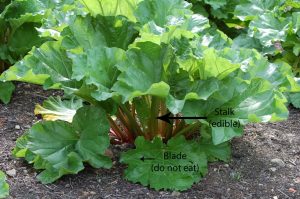
Rhubarb, also known as pieplant, is an herbaceous perennial grown for its unique, tart flavor of the thick leaf stalks (petioles). Rhubarb sends up its thick, edible stalks early in the spring, a much-anticipated harbinger of the coming growing season. Harvest can begin as soon as the stalks are large enough to cut and continues on through late spring. You can cut the stalks with a sharp knife, but be careful not to injure any…Read more about It’s Rhubarb Time![Read More]
Coping with Storm-Damaged Trees

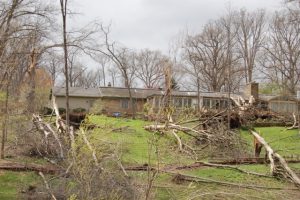
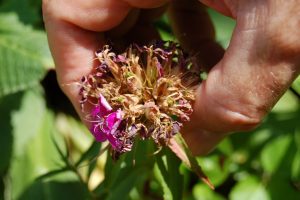
Homeowners assessing tree damage caused by recent storms will want to make a few important decisions soon. Small trees with minor damage can probably be taken care of by the homeowner, but large, mature trees likely will need the help of a professional tree service. It can be hard to decide whether trees with severe damage should be removed. Homeowners often are reluctant to cut down a tree, either because of sentimental attachment or because…Read more about Coping with Storm-Damaged Trees[Read More]


Off with their heads!

Removing spent blossoms from your shrubs and garden flowers can be tedious work, but often pays big dividends. The removal of spent flowers is often referred to as “deadheading.” Pinching or pruning off dead flowers is not just a matter of aesthetics – it can also encourage additional blooming. Many plants – petunia, geranium, marigold, speedwell, and coreopsis, among them – will re-bloom after deadheading. For these plants, the formation of fruit and seed signals…Read more about Off with their heads![Read More]


Easter Lily Heralds Arrival of Spring

Easter lilies are the perfect symbol to mark the beginning of the spring season. The large, white, trumpet-shaped flowers bring a bit of spring fragrance into the home but can also be enjoyed outdoors later in the season. Like other lilies, the Easter lily grows from a bulb in the soil. This bulb stores food reserves that are used by the plant to produce foliage and flower growth. If encouraged to build up food reserves,…Read more about Easter Lily Heralds Arrival of Spring[Read More]


Sweet Potato or Yam?

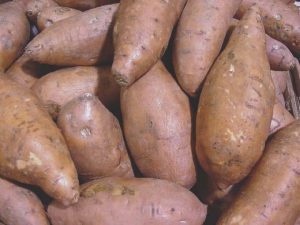
Will you be eating sweet potatoes or yams at your Thanksgiving dinner? While many folks use the terms interchangeably, they are distinct. Botanically speaking, the sweet potato is known as Ipomoea batatasand belongs to the morning glory family (Convolvulaceae). True yams belong to one of several species of Dioscoreain the yam family (Dioscoreace), and their production is limited to tropical climates. So most likely you will be eating sweet potatoes rather than true yams. There…Read more about Sweet Potato or Yam?[Read More]


Fall Good Time to Replace Trees and Shrubs

Many Indiana gardeners lost landscape plants this year; particularly plants that were already in trouble and perhaps were dealt a fatal blow by summer’s extreme heat and drought. Cooler temperatures and more adequate rainfall can make fall an ideal time to replace or add to your woody plant collection. But keep the following notes in mind. Plants that are most successful for fall planting include most shrubs, crabapple, hackberry, hawthorn, honeylocust, linden, most maples, sycamore,…Read more about Fall Good Time to Replace Trees and Shrubs[Read More]


Heat Wave Plus Drought Equals Double Whammy for Gardeners

The early arrival of summer’s extreme heat coupled with drought for many weeks now is tough on garden plants as well as their caretakers. Just as flowers and landscape plants have been gasping for water in much of the state, some vegetable crops are also struggling to stay productive. Tomatoes, peppers, melons, squash, pumpkins, cucumbers and green beans typically drop their blossoms without setting fruit when day temperatures are above 90 F, even if not…Read more about Heat Wave Plus Drought Equals Double Whammy for Gardeners[Read More]


Question and Answer

07-05-12 Question and Answer Q. Two years ago, we lost a lilac bush that was over 90 years old. At the time, there were shoots of small lilacs coming up from the ground around the old bush. We took out the dead bush but left the shoots. Will these shoots ever bloom? They haven’t in all the years they have been there. If they aren’t going to bloom, I’d like to remove them. A. The…Read more about Question and Answer[Read More]


Managing Pests in Home Fruit Plantings

One of the biggest challenges to growing your own fruit crops is doing battle with the many diseases and insect pests that prey upon them. Even trees that did not crop this year due to freeze injury still need protection from pests. Fungal and bacterial diseases can infect foliage, twigs and fruits. Some insects feed on foliage and/or fruit while others bore into twigs and/or fruit. A single fruit can be affected by multiple problems….Read more about Managing Pests in Home Fruit Plantings[Read More]


Managing Pests in Home Fruit Plantings

One of the biggest challenges to growing your own fruit crops is doing battle with the many diseases and insect pests that prey upon them. Even trees that did not crop this year due to freeze injury still need protection from pests. Fungal and bacterial diseases can infect foliage, twigs and fruits. Some insects feed on foliage and/or fruit while others bore into twigs and/or fruit. A single fruit can be affected by multiple problems….Read more about Managing Pests in Home Fruit Plantings[Read More]


Page last modified: November 2, 2016

Indiana Yard and Garden – Purdue Consumer Horticulture - Horticulture & Landscape Architecture, 625 Agriculture Mall, West Lafayette, IN 47907

© 2026 Purdue UniversityAn equal access/equal opportunity universityCopyright ComplaintsMaintained by Indiana Yard and Garden – Purdue Consumer Horticulture

If you have trouble accessing this page because of a disability, please contact Indiana Yard and Garden – Purdue Consumer Horticulture at homehort@purdue.eduAccessibility Resources