Category: Flowers

Sunflowers for Midwestern Gardens

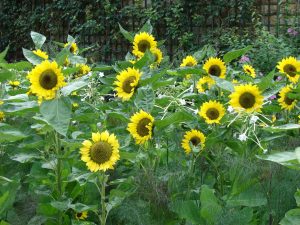
Sunflowers are traditional in the typical Midwestern garden, but modern hybrids have greatly expanded the palette of choices. Whether you want short, medium or tall; yellow, burgundy, bronze or brown; seed for the birds; or just pretty to look at, there’s a sunflower for you. Gardeners will find two different types of sunflowers available from garden centers and online catalogs: Those grown for their edible seeds, and those grown primarily as ornamentals. Traditional sunflowers are…Read more about Sunflowers for Midwestern Gardens[Read More]

In The Grow

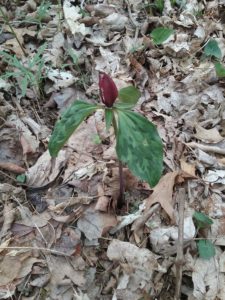
Q: We found a plant in our woods about a week ago, and I wondered if you could identify what it is? – R.B. via email A: That is one of my all-time favorite woodland wildflowers, the trillium. There are numerous species of Trillium. I believe yours is the prairie trillium, known botanically as Trillium recurvatum. Despite the common name, prairie trillium is native to woodland habitats rather than open prairie. Some members of this…Read more about In The Grow[Read More]


May Garden Calendar

HOME (Indoor plants and activities) Many indoor plants can be moved to shady locations outdoors but only after the danger of frost has passed. Plants will dry out more often outdoors, so keep a close eye on soil moisture. Sinking the pots in soil will help slow down moisture loss. Now is a good time to take cuttings of houseplants to increase a collection or share with friends. Stick cuttings to root in media, such…Read more about May Garden Calendar[Read More]


Friend supplied more than hosta

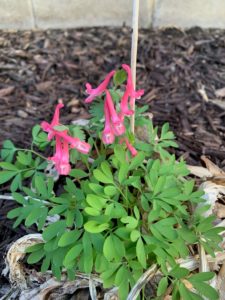
Q: A friend gave me some starts of hosta last year, and where I planted them, this lovely surprise came up early this spring. I did not plant this so I’m guessing this came as a bonus with the hostas from my friend.  Can you identify?  – T.C., Tippecanoe County A: What a great bonus! This appears to be Corydalis solida, (common name fumewort) most likely the cultivar ‘Beth Evans’. Fumewort is a spring ephemeral,…Read more about Friend supplied more than hosta[Read More]


April Garden Calendar

HOME (Indoor plants and activities) Start seeds of warm-season plants (including tomatoes, peppers, eggplant, marigolds, zinnias, and petunias) indoors for transplanting later to the garden. Harden off transplants started earlier in spring before planting outdoors. Gradually expose the young plants to outdoor conditions of wind, brighter sunlight, and lower moisture. Apply fertilizer to houseplants according to label directions as days grow brighter and longer and new growth begins. Foliage plants require relatively high-nitrogen fertilizer, while…Read more about April Garden Calendar[Read More]


How to tame a slope

Q: Behind my house I have about 3/4 acre that is on an incline of about 30 degrees and all sand. It is about 330 feet long and about 75 feet up the slope. I have had all the mulberry trees, bushes, vines, and poison ivy removed and would like to have some kind of cover crop. What would you suggest? The slope is too steep to mow, so I have spent more than  300…Read more about How to tame a slope[Read More]


March Garden Calendar

HOME (Indoor plants and activities) Begin fertilizing houseplants as new growth appears. Remove spent leaves and flowers to improve appearance and encourage more blooms. Start garden seeds indoors for transplanting outdoors later in spring. Check stored bulbs and produce for decay; discard damaged items. Prune, repot, and clean houseplants as needed. YARD (Lawns, woody ornamentals, and fruits) Prune trees and shrubs (except those that bloom early in spring) while plants are still dormant. If you…Read more about March Garden Calendar[Read More]


February Garden Calendar

HOME (Indoor plants and activities) Check water levels in cut flowers daily. Check stored produce and flower bulbs for rot, shriveling, or excess moisture. Discard any damaged items. Most houseplants require less water in the winter because growth is slow or stopped. Check the soil for dryness before watering. Move houseplants to brighter windows, but don’t place plants in drafty places or against cold windowpanes. Potted spring-flowering bulbs forced into early blooming can make good…Read more about February Garden Calendar[Read More]


Mother Nature Gives Spring Bulbs the Heave-Ho!

It’s not unusual for Indiana weather to have trouble deciding what season it is. Warm spells during the dormant period often lead to bulbs poking their foliage (and sometimes flower buds) through the soil. While we’re more used to seeing this happen during February warm spells, our frigid temperatures arrived a bit early in fall 2019, followed by intermittent unseasonably mild weather. Indiana temperatures widely fluctuated in November and December, with the low temperature at…Read more about Mother Nature Gives Spring Bulbs the Heave-Ho![Read More]


Cut Back Perennials Now or Later?

Gardeners often ask, “When is the best time to cut back the dead tops of herbaceous perennials (stems die back to the ground each year)? Should we cut them in fall as the tops fade? Or wait until spring, just before new growth begins?” The answers depend, in part, on the specific plant and whether disease or insect pests are a factor. For most healthy plants, leaving plant tops over winter is fine and, in…Read more about Cut Back Perennials Now or Later?[Read More]


Page last modified: October 28, 2019

Indiana Yard and Garden – Purdue Consumer Horticulture - Horticulture & Landscape Architecture, 625 Agriculture Mall, West Lafayette, IN 47907

© 2026 Purdue UniversityAn equal access/equal opportunity universityCopyright ComplaintsMaintained by Indiana Yard and Garden – Purdue Consumer Horticulture

If you have trouble accessing this page because of a disability, please contact Indiana Yard and Garden – Purdue Consumer Horticulture at homehort@purdue.eduAccessibility Resources