Autumn Gardening Stories


Water Now to Prepare Plants for Winter

Dry summers are not that unusual in the Midwest, but this year’s weather pattern was a bit unusual in that much of the state experienced above normal precipitation in spring and early summer. But most areas found the flow of water shut off in mid to late summer. Many plants will be displaying their fall colors and dropping leaves in the next few weeks, but this is a critical time for plants to rehydrate themselves…Read more about Water Now to Prepare Plants for Winter[Read More]

Harvesting Grapes

Rosie Lerner, Purdue Consumer Horticulture Specialist Released September 24, 1998 One of the toughest things about growing your own grapes is beating the birds to the harvest! Could it be that the birds know something we don’t? Netting can be placed over a grape arbor to keep the birds away from the fruits. But don’t be too hasty in cutting the fruits to one-up the birds. Make sure your grapes are ripe before you harvest….Read more about Harvesting Grapes[Read More]


Much Ado About Leaves

Ah, the beauty of Mother Nature’s palette coming to life in the fall color of our forest and landscape plants. For some, this marvel is overshadowed by the chores of raking and disposing of fall leaves. What’s needed here is an attitude adjustment! Autumn leaves don’t have to become trash. On the contrary, they easily can be turned into valuable soil-enhancing organic matter. For many urban dwellers, who already have their yard waste picked up…Read more about Much Ado About Leaves[Read More]


Please Don’t Burn Your Leaves

The recent Arctic blast that visited our area made for a rather dramatic leaf fall in many neighborhoods. With large quantities of leaves blowing around their yards, some people may be tempted to resort to the old-fashioned and effective method of burning. However, in addition to being illegal in many areas, leaf burning leads to air pollution and is a health and fire hazard. The smoke from burning leaves contains a number of toxic and/or…Read more about Please Don’t Burn Your Leaves[Read More]


Mulch for Winter Protection

Winter mulch isn’t necessary for all garden plants, but it can mean survival for some less hardy ones. Winter mulch has a different purpose than summer mulch. The main benefits of winter cover are to protect against wide temperature fluctuations in the soil and to prevent extreme cold temperatures from harming plants. The goal is to keep the plants dormant, rather than to keep them warm. If plants are kept too warm, they may break…Read more about Mulch for Winter Protection[Read More]


Grow a Windowsill of Flavor This Winter

Although the outdoor garden may be getting ready for its long winter nap, you can continue to harvest the fresh flavor of herbs by growing a windowsill garden. Many herbs, including dill, parsley, thyme, chives, oregano, and mint, are adaptable to growing indoors in a sunny window. While some of these herbs may grow to be several feet tall in the garden, thankfully, they will be much smaller in the indoor garden where their root…Read more about Grow a Windowsill of Flavor This Winter[Read More]

 Categories:

Outstanding New Plants Named For 1998

Four new garden plants have been awarded the prestigious honor of being an All America Selection (AAS) for 1998. These new cultivars have been judged as superior in their class based on their performance in test gardens all over the country. Lemon Basil ‘Sweet Dani’ was selected for both its culinary and ornamental value in the garden. ‘Sweet Dani’ was bred by a team of Purdue University researchers for its strong lemon scent and its…Read more about Outstanding New Plants Named For 1998[Read More]


Propagate Herbs Now For Yearlong Enjoyment

Herb gardeners can snip fresh herbs throughout the winter by propagating their garden plants now. There are several approaches to overwintering plants. One easy method is to dig up a plant, or a portion of one, and pot it up. Plants such as chives, lemon balm, mint, burnet and sweet woodruff can be lifted and divided into sections to create more plants. Dividing is a fairly foolproof method of propagation because both roots and shoots…Read more about Propagate Herbs Now For Yearlong Enjoyment[Read More]

 Categories:

Peanuts Make their Way to Northern Gardens

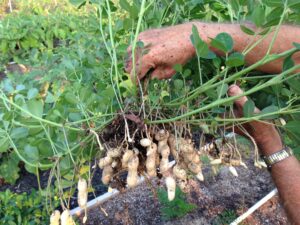
Peanuts have long been a popular backyard garden crop in the southern United States, much to the envy of northern gardeners. But since some garden seed catalogs make peanuts available all over the county, peanuts, also known as goober peas, are making their way north. Peanuts do require a long, warm growing season of about 120 days. Bright yellow flowers begin to form about seven weeks after planting. After the flowers fade, a small peg…Read more about Peanuts Make their Way to Northern Gardens[Read More]

 Categories:

Indiana State Tree is Popular Landscape Choice

If you’ve ever had to work on a tree leaf collection, you no doubt included a leaf from the Indiana state tree among your samples. Also known as tulip poplar and yellow poplar, the tuliptree is actually not a poplar at all, but a member of the magnolia family known botanically as Liriodendron tulipifera. Native to most of the eastern half of the United States, the tuliptree prefers rich, moist, well-drained, loamy soil. It is found…Read more about Indiana State Tree is Popular Landscape Choice[Read More]

 Categories:

Page last modified: June 30, 2017

Indiana Yard and Garden – Purdue Consumer Horticulture - Horticulture & Landscape Architecture, 625 Agriculture Mall, West Lafayette, IN 47907

© 2026 Purdue UniversityAn equal access/equal opportunity universityCopyright ComplaintsMaintained by Indiana Yard and Garden – Purdue Consumer Horticulture

If you have trouble accessing this page because of a disability, please contact Indiana Yard and Garden – Purdue Consumer Horticulture at homehort@purdue.eduAccessibility Resources