
September 17, 2019
Discovery Park, Purdue Institute of Inflammation, Immunology and Infectious Disease welcome David Relman
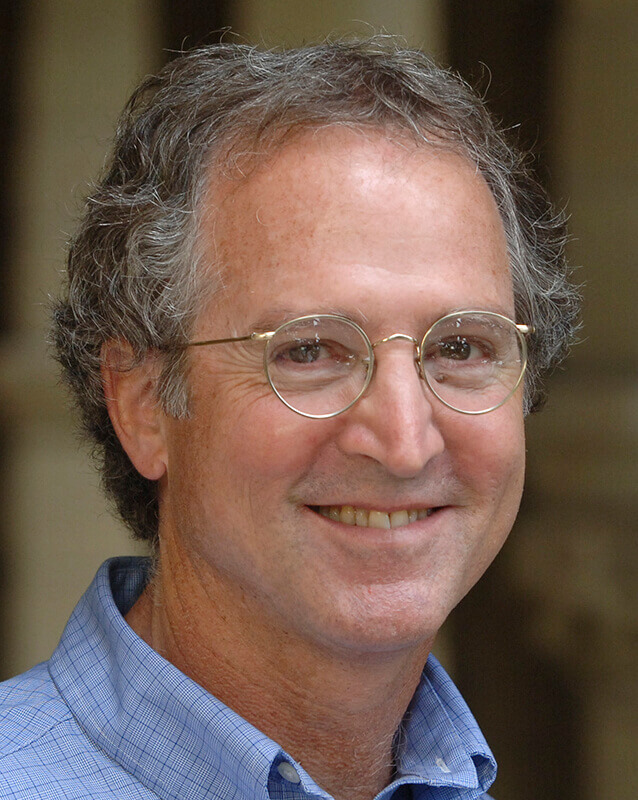 David Relman
Download image
David Relman, the Thomas C. and Joan M. Merigan Professor in Medicine and Microbiology and Immunology at Stanford University and chief of infectious diseases at the Veterans Affairs Palo Alto Health Care System, will present “Thinking About the Human Microbiome as a Source of Benefit and Risk” from 1:30 to 2:30 p.m. Sept. 24 in Burton D. Morgan Center for Entrepreneurship, Room 121. This lecture is presented as part of the Discovery Park Distinguished Lecture Series, co-hosted by the Purdue Institute of Inflammation, Immunology and Infectious Disease and one of the events of Purdue’s sesquicentennial celebration, 150 Years of Giant Leaps.
Relman will discuss the relationships between the communities of microbes in and on people's bodies (the microbiome) and their human host, the ways in which these communities contribute to health and disease, and how these relationships are maintained in the face of disturbance. A predictive understanding of the microbiome and the mechanisms that underlie resilience will inform effective strategies for its manipulation, so as to maintain or restore health, and avoid or mitigate disease. At the same time, these same strategies could be exploited to cause harm; awareness and oversight of these emerging capabilities are critical.
In addition to his current work at Stanford and the Veterans Affairs Palo Alto Health Care System, Relman also is senior fellow at the Freeman Spogli Institute for International Studies and served as science co-director at the Center for International Security and Cooperation (2013-17) at Stanford. He is currently director of a new biosecurity initiative at FSI. Relman trained at MIT and then Harvard Medical School, followed by clinical training in internal medicine and infectious diseases at the Massachusetts General Hospital in Boston, and then a postdoctoral fellowship in microbiology at Stanford. Relman was an early pioneer in the modern study of the human indigenous microbiota (microbiome).
The Discovery Park Distinguished Lecture Series is made possible by the Lilly Endowment as a mechanism for Purdue University and Discovery Park to bring to campus the latest thinking about science and technology and other broad areas of public interest.
About Discovery Park
Discovery Park is a place where Purdue researchers move beyond traditional boundaries, collaborating across disciplines and with policymakers and business leaders to create solutions for a better world. Grand challenges of global health, global conflict and security, and those that lie at the nexus of sustainable energy, world food supply, water and the environment are the focus of researchers in Discovery Park. The translation of discovery to impact is integrated into the fabric of Discovery Park through entrepreneurship programs and partnerships.
About the Purdue Institute of Inflammation, Immunology and Infectious Disease
The Purdue Institute of Inflammation, Immunology, and Infectious Disease (PI4D) is one of six interdisciplinary life sciences research centers harnessing the university’s unique strengths to improve the quality of life for people around the globe. Leveraging Purdue’s capabilities in structural biology, analytical chemistry and engineering, PI4D brings together experts from across campus to conduct fundamental research unraveling the complexities of disease, with a focus on new diagnostic methods and treatments.
