Steel Bridge Research, Inspection, Training, and Engineering Center
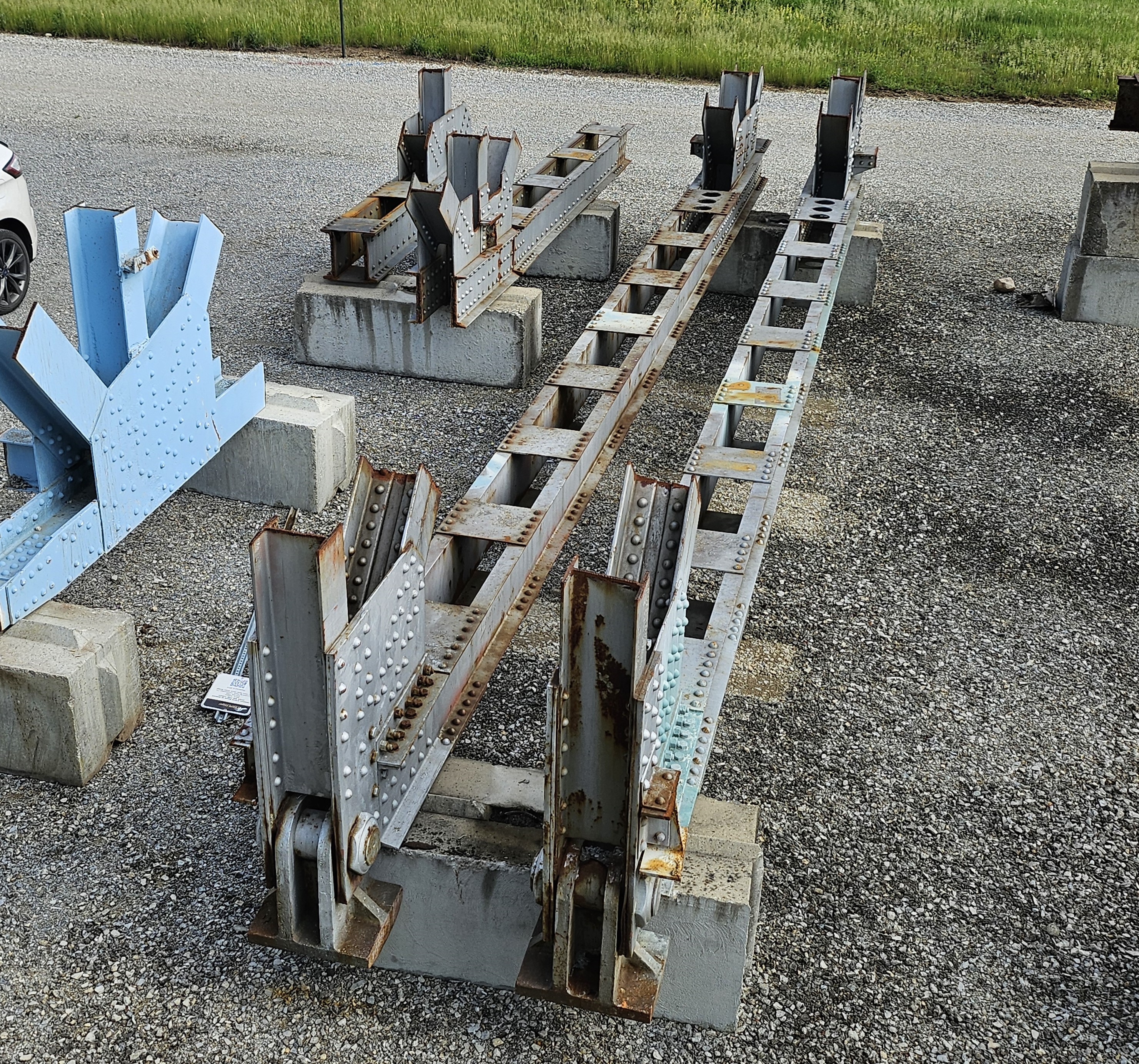
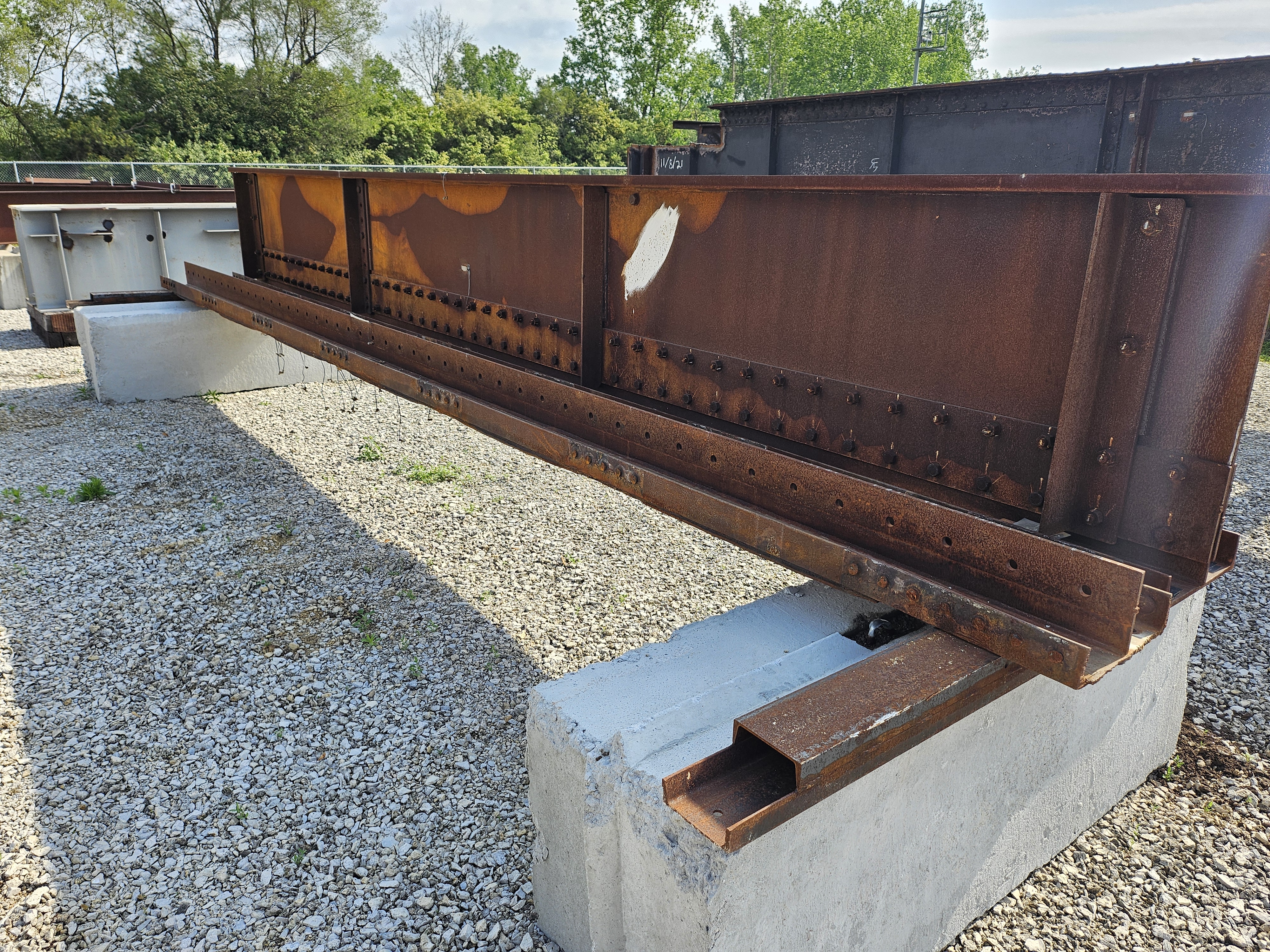
27. Winona Bridge used for Pack-Out Corrosion Experimental Fatigue Testing
Donated by: Minnesota Department of Transportation (MnDOT)
Original Location: Minnesota State Highway 43, Mississippi River Crossing
Year Built: 1941
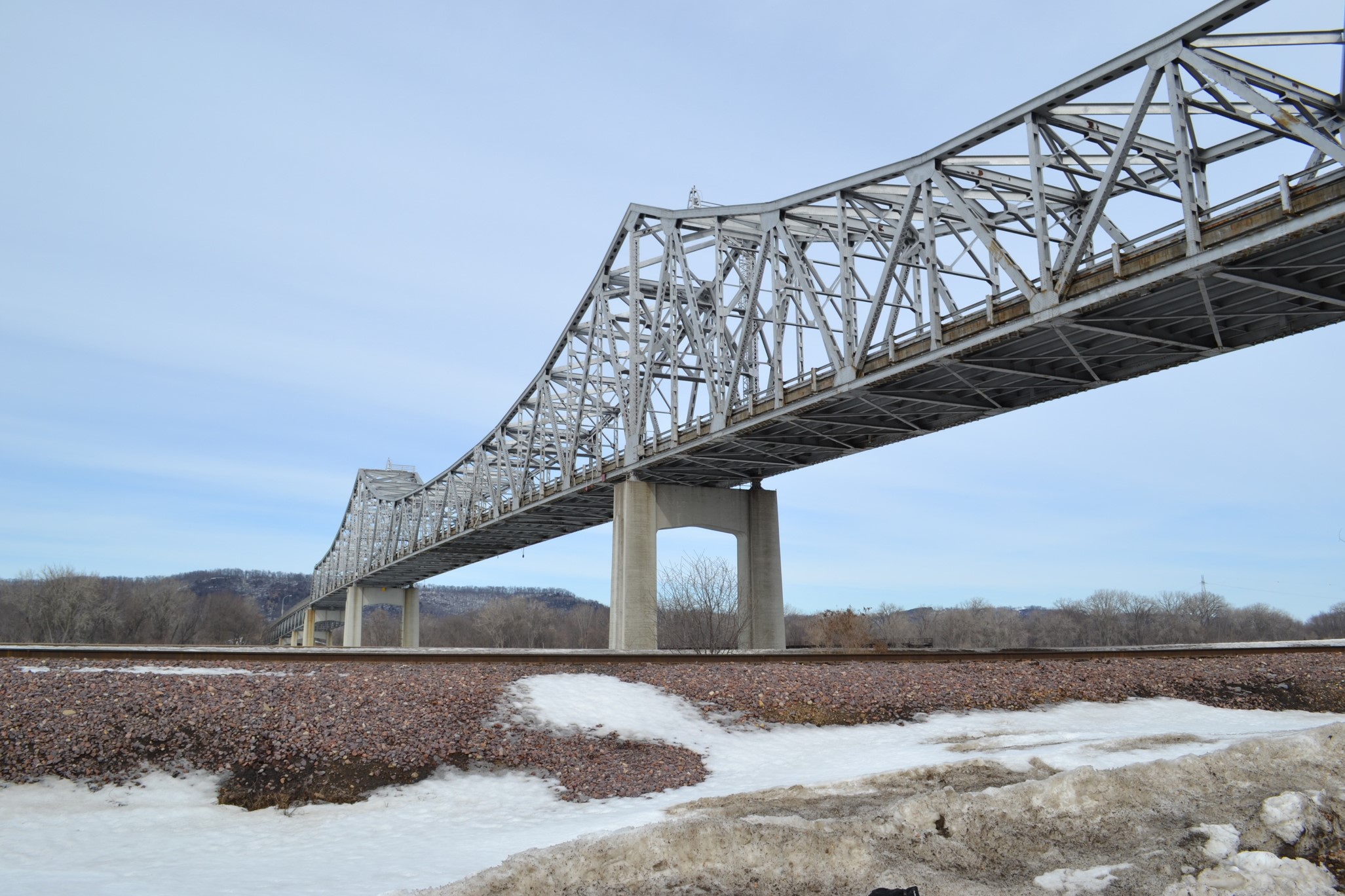
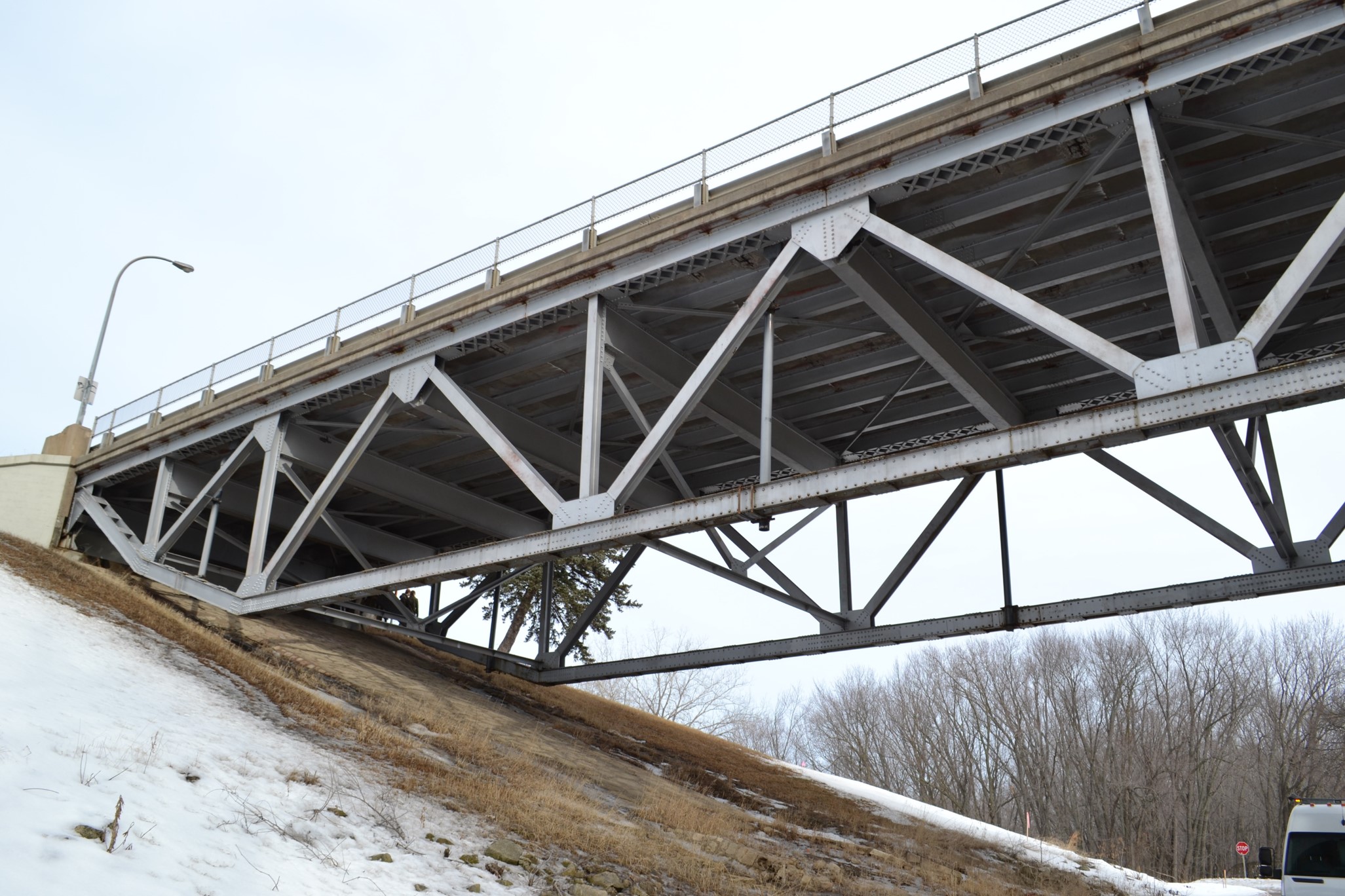
Structure Type: Main – Steel riveted cantilever through truss, Approach – Deck truss2
Total Bridge Length: 2282-ft
Longest Span: 450-ft
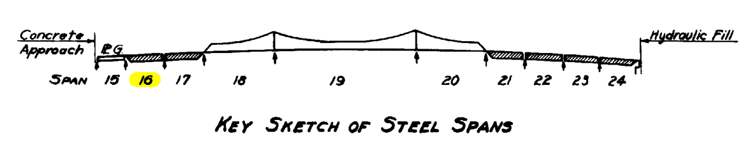
Number of Spans: 10 total. 3 Main & 7 approach spans
Deck Width: Main – 31-ft, Approach – 50-ft
Completed in 1942, the Winona Bridge carries State Highway 43 over the Mississippi River, connecting Winona, Minnesota, and Buffalo, Wisconsin. It featured a three-span, steel, riveted cantilever through-truss with deck-truss approach spans, with design elements inspired by a similar bridge in La Crosse, Wisconsin. As the only surviving pre-1946 cantilever through-truss in Minnesota, the bridge is significant both for its engineering and as a key route for local traffic and defense materials during World War II.
Between 2016 and 2019, the bridge underwent extensive rehabilitation. The cantilevered through-truss main spans were repaired, and members were retrofitted for redundancy. The deck-truss approach spans were replaced with new replica spans, while the concrete approach spans were replaced with new prestressed-concrete spans.
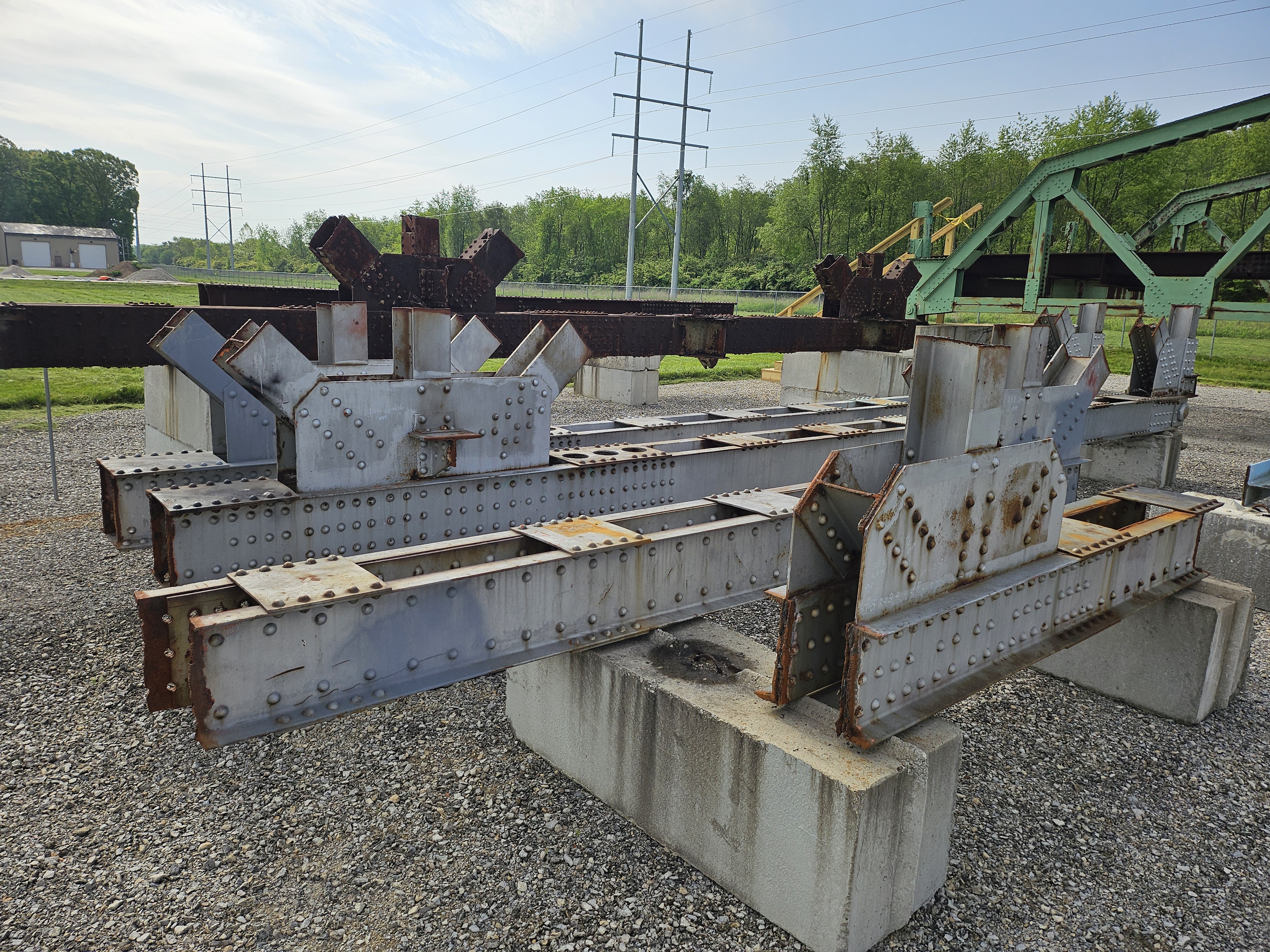
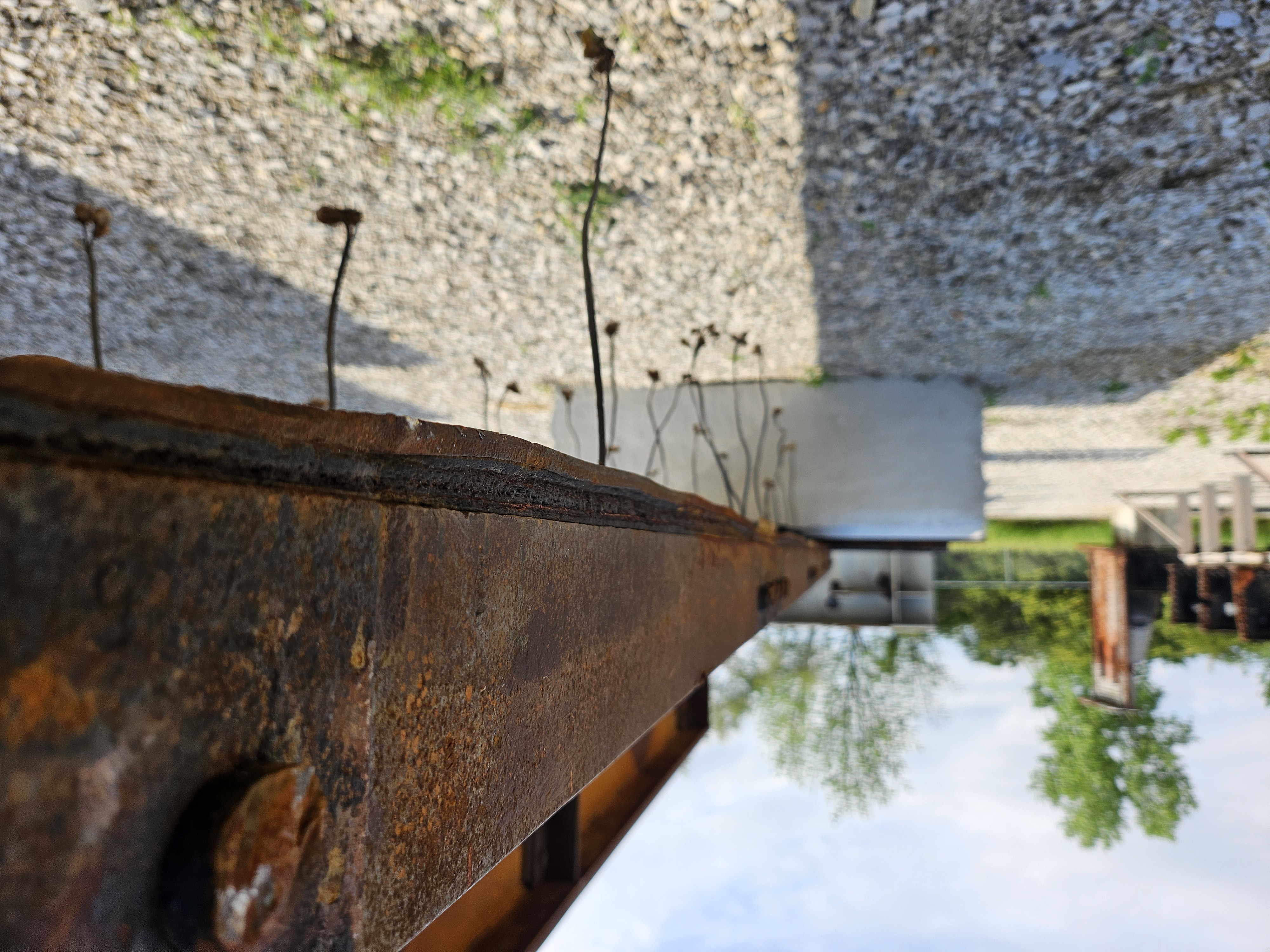
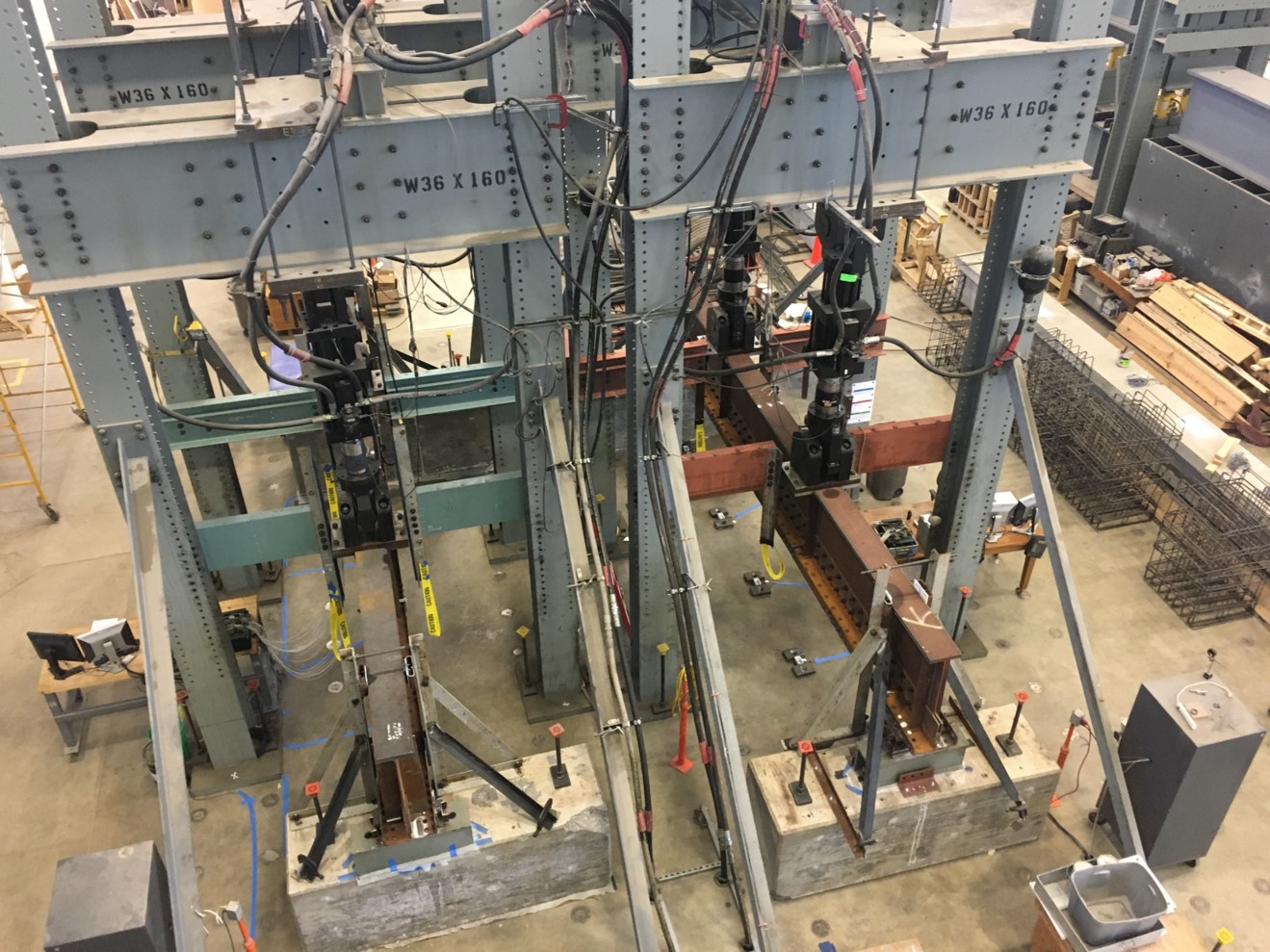
Some of its members were donated to S-BRITE. These members were used to complete extensive experimental fatigue testing within the context of pack-out corrosion. Tension chords from deck truss Span 16 between L2 and L4 joints, were reconfigured from axial members to flexural members. The new I-shape, with the Winona elements making up the bottom flange were used to test fatigue life, strength, and redundancy of the corroded members at Purdue’s Bowen Laboratory. 91.6M cycles were applied to four specimens of the course of 8-months at Category D and C’ CAFLs. All the specimens exceed their calculated design fatigue life, while ignoring any accumulation of fatigue cycles while in service.