
Bios Purdue Insights Fellows 2025-2026
Jamin Asay

Jamin Asay is Professor of Philosophy at Purdue University, which he joined in the fall of 2022. After completing his Ph.D. at the University of North Carolina at Chapel Hill, Asay moved to Hong Kong, initially to teach at Lingnan University, Hong Kong's public liberal arts university. He then took up a position at the University of Hong Kong, where he won the university's Outstanding Young Researcher Award and ultimately became Chairperson of the Philosophy Department. His academic work falls into the areas of metaphysics, philosophy of language, and philosophy of science. He has long been interested in the nature of truth, and how it relates to those fields. He is the author of three monographs with Cambridge University Press, and several dozen articles. Asay's current work explores and critiques contemporary forms of skepticism about truth, including those adopted by philosophers who argue that the property of truth doesn't exist, and sociopolitical commentators who argue that truth no longer plays an important role in political discourse.
Laura Bofferding
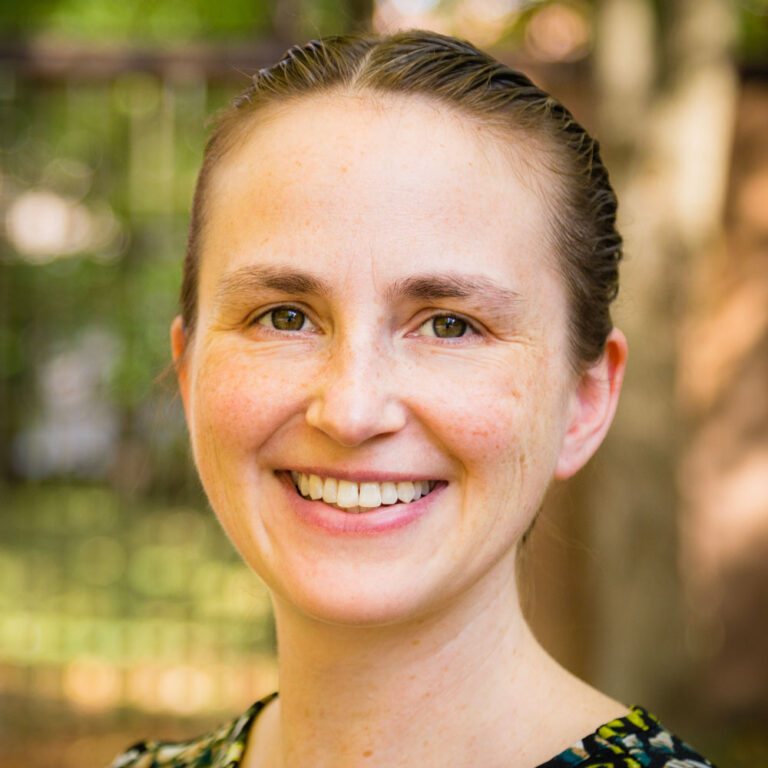
Laura Bofferding is a professor of mathematics education in the Department of Curriculum and Instruction within the College of Education. She completed her PhD in Curriculum Studies and Teacher Education from Stanford University in 2011 with a specialization in mathematics education. Her research program focuses on mathematical cognition and conceptual change related to preschool - elementary children's developing understanding of number concepts, spatial thinking, mathematical noticing and problem-posing, and the intersection of mathematical and computational thinking. Related to teaching, she investigates pre-service and in-service teachers' understanding of the mathematics they teach and of their students' conceptions. Professor Bofferding contributes to mathematics education literature by providing a rich description of children's developing understanding of mathematics in relation to the features of instructional tasks. Professor Bofferding is an associate editor for Review of Educational Research, the leading journal in education, and was recognized as a University Faculty Scholar in 2019 and a Faculty Engagement Scholar in 2021. She serves as the associate head of the Department of Curriculum and Instruction, for which she supports course scheduling, TA allocation, and merit reviews.
Jorge D. Camba
Jorge D. Camba is an Associate Professor at the School of Engineering Technology and at the School of Applied and Creative Computing (by courtesy) at Purdue University. Prior to joining Purdue, he was a faculty member at the University of Houston and at Texas A&M University. Dr. Camba holds degrees in Computer Science (BS), Technology (MS) and Systems and Engineering Management (PhD). His research focuses on intelligent digital product models and their connection to digital manufacturing processes. Dr. Camba is the author of more than 100 peer-reviewed publications and ten books. His most recent book on change and configuration management has been adopted by the Institute for Process Excellence as the official training guide for the CM2-Comprehensive certification worldwide.
Since 2021, he has been recognized as a Purdue University Faculty Scholar and was appointed an I3B Fellow at the Institute for Research and Innovation in Bioengineering, a leading European research center in the Polytechnic City of Innovation in Valencia, Spain. Dr. Camba has been a Visiting Professor in the Department of Human Centered Design at Cornell University in Ithaca, NY, and a Guest Professor at Universidad de Ingeniería y Tecnología (UTEC) in Lima, Peru
Rich Dionne
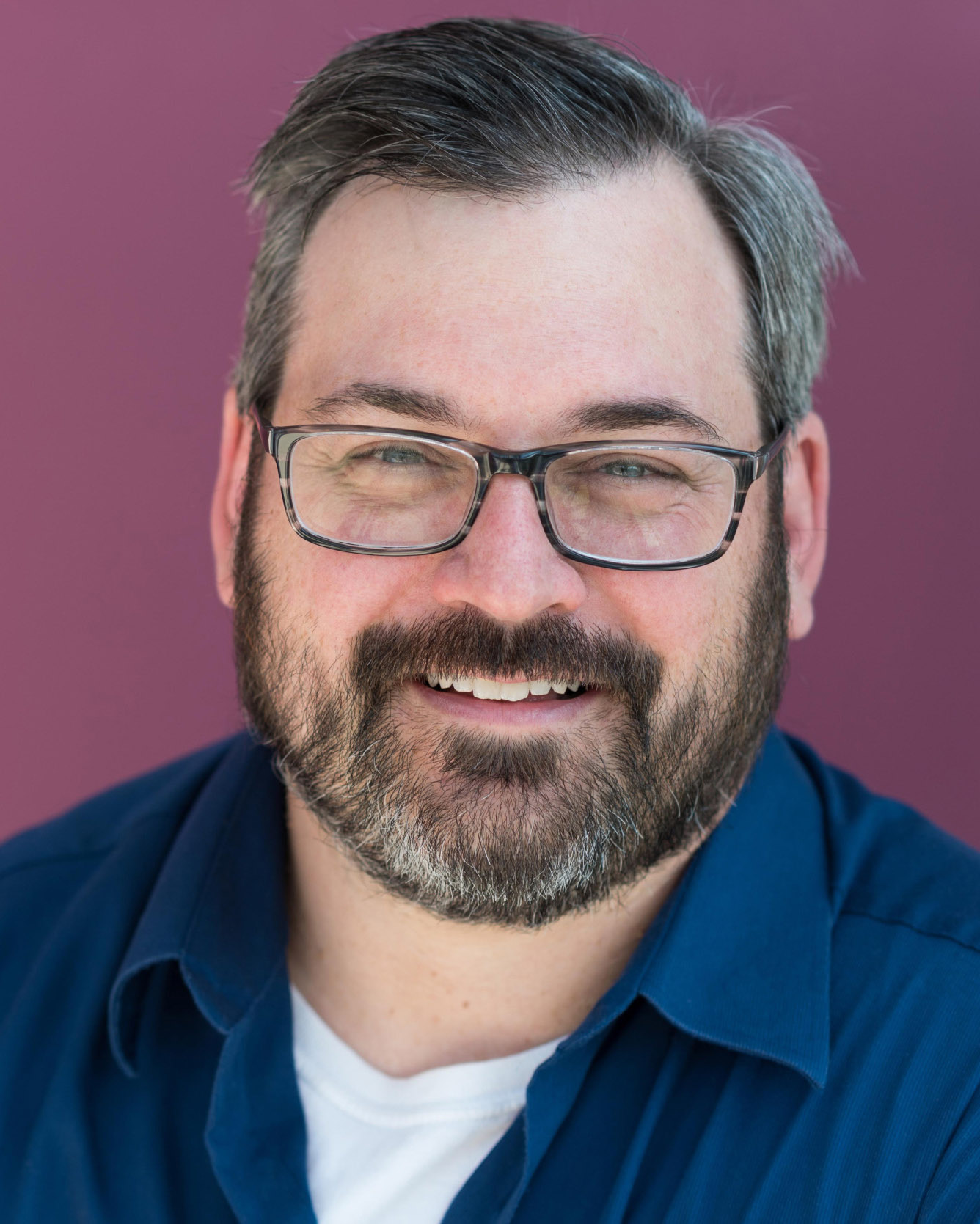
Rich Dionne is a professor of practice and technical direction specializing in scenery automation and show control systems. Additionally, he mentors Multidisciplinary Engineering students concentrating in Theatre Engineering. He has a passion for both the art of theatre and the science and engineering of making theatre happen. Rich has served as the technical director for numerous productions in the Department of Theatre; prior to coming to Purdue, Richard was the production manager and resident sound designer at The Shakespeare Theatre of New Jersey, where he mounted numerous productions at various indoor and outdoor venues, including a nationally-recognized educational touring company. Additionally, he has served as the technical director for Berkshire Theatre Festival, Alpine Theatre Project, Weston Playhouse Theatre Company, and Dorset Theatre Festival, mounting critically-acclaimed productions including The Whipping Man, Barefoot in the Park, Amadeus, Night of the Iguana, Avenue Q, The Illusion, and Death of a Salesman.
Rich is the co-director of Purdue's Fusion Studio for Entertainment and Engineering with his colleague Dr. Mary Pilotte. The Fusion Studio connects industry leaders with scholars and practitioners, provides space for development and exploration, and inspires pedagogical innovation at the nexus of engineering and live entertainment. Rich is the author of Project Planning for the Stage: Tools and Techniques for Managing Extraordinary Performances (available from Southern Illinois University Press) and is co-author with Michael Gillette of the eighth edition of Theatrical Design and Production (available from McGraw-Hill). He is the Commissioner of Technical Production of the United States Institute for Theatre Technology and an ETCP-Certified Theatre Rigger (#2928).
Heather Eicher-Miller

Heather Eicher-Miller, PhD, is a Professor in the Department of Nutrition Science at Purdue University and an Excellence in Nutrition Fellow of the American Society for Nutrition. She received a MS, PhD, and post-doctoral fellowship in the Department of Foods and Nutrition at Purdue University. She develops novel dietary patterning methods, assessment techniques and inference with a focus on low-resource populations. Her studies quantify the impact of nutrition education and food assistance programs on food security and dietary intake and evaluate dietary behavior relationships to dietary quality and intake. She leads interventions focused on promoting healthful food environments in food pantries, improving client diets and access to resources. Dr. Eicher-Miller and her team create new techniques for integrating the timing of dietary intake, physical activity, and other lifestyle patterns and evaluating their relationship to health indicators. Apart from research, Dr. Eicher-Miller leads a program of engagement to provide nutrition education to food pantry staff, volunteers, and clients and serves on the scientific advisory boards of several food commodity boards. She has held various member leadership roles in the American Society of Nutrition and is also a member of the Board of Editors for the Journal of the Academy of Nutrition and Dietetics and Advances in Nutrition. Recently, she served on the 2025-2030 Scientific Committee of the Dietary Guidelines for Americans where she also was co-chair of the Food Pattern Modeling and Data Analysis Subcommittee. Dr. Eicher-Miller was chosen as the 2023-2024 Danone International Prize for Alimentation Laurate.
Yaohua "Betty" Feng
Yaohua "Betty" Feng is an Associate Professor and Extension Specialist in the Department of Food Science at Purdue University. She is committed to reducing foodborne illnesses and improving food safety through risk assessment, strategic communication, and stakeholder engagement. Betty's research examines how cultural, social, and environmental factors influence food safety behaviors and evaluates strategies to overcome barriers and empower stakeholders. Her work supports science-based decision-making across the food supply chain.
She has authored over 50 peer-reviewed publications and contributed to securing more than $23 million in research funding. Her expertise has been recognized through invited talks, media features, and prestigious honors, including the Larry Beuchat Young Researcher Award from the International Association for Food Protection and several university-level awards.
At Purdue, Betty is actively engaged in faculty service, program development, and interdisciplinary initiatives. She contributes to the Extension Committee of Promotion and Tenure and the PK-12 Council, and she plays a leadership role in the Big Data Safe Food Conference, advancing data-driven solutions to food safety challenges.
Beyond Purdue, Dr. Feng served on the USDA National Advisory Committee on Microbiological Criteria for Foods (2021-2025), the editorial boards of the Journal of Food Protection, and the Science Working Group for the Partnership for Food Safety Education. She is also the Vice Chair of the Food Safety Education Professional Development Group for the International Association for Food Protection.
Marxa Figueiredo
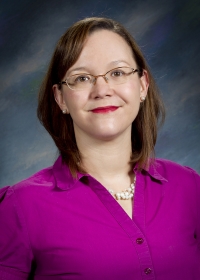
Marxa Figueiredo is an associate professor of Basic Medical Sciences in the College of Veterinary Medicine at Purdue University. She earned her B.S. in Biomedical Sciences from the Federal University of Goias (Brazil), a Ph.D. in Cell and Molecular Biology from the University of Wisconsin-Madison, and completed postdoctoral training at the University of California, Los Angeles. Dr. Figueiredo joined Purdue in 2015 and leads a translational research program at the intersection of immunology, musculoskeletal repair, and cancer biology.
Her lab investigates how the immune and skeletal systems interact, with the goal of developing innovative therapies for inflammatory bone loss, metastatic cancers, and tissue regeneration. Current projects include cytokine-based gene therapy using nucleic acids and stem/stromal cell-based delivery systems, and the development of small molecules and nanoparticles targeting immune and regenerative pathways. Her work has been supported by the National Institutes of Health and other agencies such as the FDA, NIFA, and Showalter Foundation.
At Purdue, Dr. Figueiredo contributes to graduate and veterinary (DVM) education and actively collaborates across disciplines, including biomedical engineering, chemistry, and pharmacy. She also mentors students in interdisciplinary training programs (undergraduate, MS, PhD, DVM) in biomedical research and maintains several international research partnerships.
Andrew Flachs
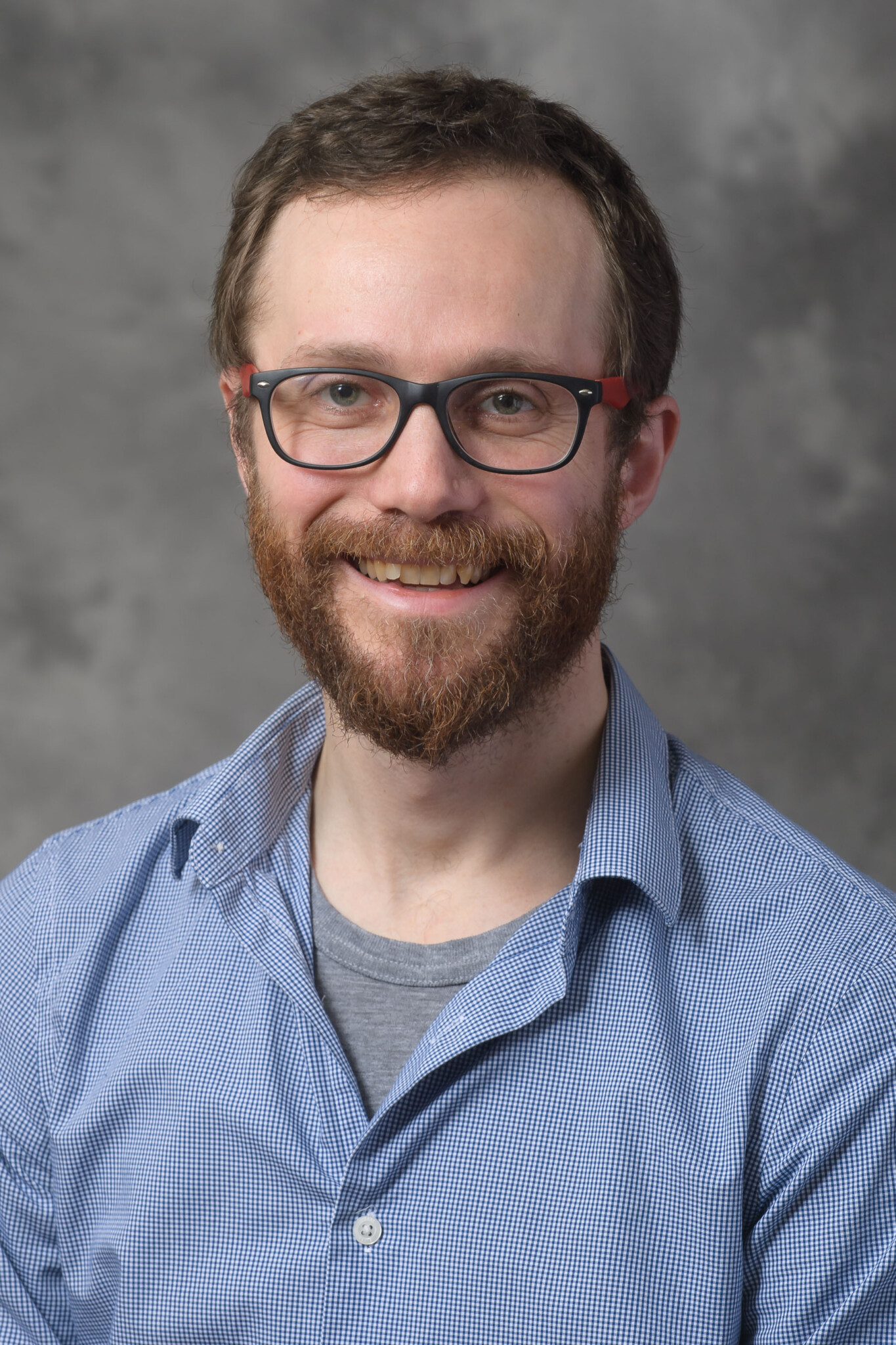
Andrew Flachs researches food and agriculture systems, exploring genetically modified crops, heirloom seeds, and human landscapes from the scale of agro-forests down to our own microbiomes. Andrew graduated summa cum laude from Oberlin College with dual degrees in anthropology and music performance in 2010, earned his PhD from Washington University in St. Louis in 2016, and was a 2016-2017 Volkswagen Exchange Postdoctoral Research Fellow with the Heidelberg University Karl Jaspers Centre for Advanced Transcultural Studies. He is currently an associate professor in Anthropology, director of graduate studies, and courtesy faculty in Horticulture and Landscape Architecture. Supported by public and private institutions including the Department of Education, the National Science Foundation, the Social Science Research Council, and the National Geographic Society, his work among mutual-aid gardeners in Eastern Europe, organic and conventional small farmers in South India, new American farmers, and heritage cooks around the world investigates how we make, and are made through, our environments. Andrew is an award-winning teacher whose writing has appeared in over three dozen peer-reviewed articles as well as in public-facing venues including The Hill, Salon, and the National Geographic magazine. Andrew’s work has been recognized by numerous international awards including most recently by the Society of Ethnobiology Mentor award and the International Convention of Asia Scholars’ Book Prize. Outside of academia, he is an avid cook, gardener, cyclist, musician, and an embarrassing dad.
Marcial Gonzalez
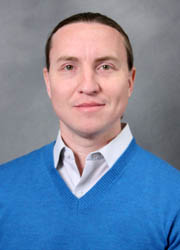
Marcial Gonzalez is an Associate Professor in Mechanical Engineering. He received his Ph.D. in Aeronautics, with a minor in Materials Science, from the California Institute of Technology (2010). He is a Mechanical Engineer from the University of Buenos Aires, Argentina, and received a MS in Aeronautics from Caltech. Before joining Purdue in 2014, he was a Research Associate at Rutgers University’s NSF ERC for Structured Organic Particulate Systems (2011-2013), he was a Research Engineer in computational mechanics at the leading global steelmaker TenarisSiderca R&D Center (2000-2005), and he was a high school teacher at Escuela Técnica Philips Argentina (1994-1999).
Dr. Gonzalez is a member of the leadership team of Purdue’s Center for Particulate Products and Processes (CP3). His research sits at the interface of virtual-physical particulate engineering, and it focuses on developing predictive modeling, simulation, and characterization techniques, at and across different scales, to further the understanding of microstructure formation and evolution in confined particulate systems, with an emphasis in manufacturing processes and the relationship between product fabrication and performance. His research agenda has been recognized with seven Purdue Seed for Success awards. His dedication to educating the younger generations has been recognized with the Robert W. Fox Outstanding Instructor Award in Mechanical Engineering and the Outstanding Faculty Mentor Award from the College of Engineering. He became a Fellow of the University Teaching Academy in 2025. He is an Associate Editor of Mechanics Research Communications (Elsevier), and the Chairman of the Granular Materials Committee of the Engineering Mechanics Institute (2020-2025).
Sarah Huber
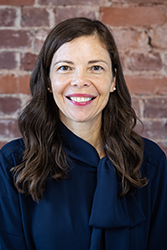
Sarah Huber is an Associate Professor of Library Science and Director of the Purdue Libraries’ makerspace, the Knowledge Lab. She holds an A.A.S. in Audio-Visual Digital Media, a B.A. in English, and an MLIS. Before joining Purdue, she was the librarian at a technical college. This experience influenced her career-focused approach to teaching and student support. A strategic and creative leader, she explores how information can be organized and accessed through emerging systems of knowledge organization. This includes investigating how libraries can support non-traditional forms of scholarship—its creation, storage, and discovery.
With expertise in teaching, visual literacy, and makerspace design and management, Professor Huber’s work bridges the gap between information searching and creativity. She applies principles of active learning to help students and faculty engage with information in diverse formats, from hand-drawn data visualizations to soft circuits to digital storytelling.
What interests her most about her work are the opportunities for students to experiment with how they create and share knowledge. A presentation might traditionally take the form of a PowerPoint, but after exploring the Knowledge Lab’s resources—like the Riso printer or podcast booth—students may choose to deliver their coursework through a zine or recorded interview.
As a collaborator across disciplines, Professor Huber’s approach emphasizes how different media formats shape communication and meaning. She is committed to creating spaces where scholarship and creativity meet, and where students and faculty are empowered to explore new ways to create and communicate knowledge.
Anjali Iyer-Pascuzzi
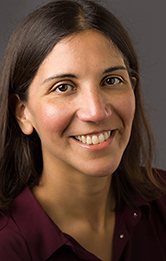
Anjali Iyer-Pascuzzi is a Professor in the Department of Botany and Plant Pathology at Purdue University. She received a B.S. with honors in Molecular Environmental Biology from the University of California, Berkeley, an M.S. in Plant Pathology from Cornell University, and a Ph.D. in Plant Breeding and Genetics from Cornell. Dr. Iyer-Pascuzzi was a postdoctoral researcher in plant biology at Duke University, where she was an NIH NRSA postdoctoral fellow. She joined Purdue as an Assistant Professor in 2013, was promoted to Associate Professor in 2019, and to Full Professor in 2023. In the last 12 years, Dr. Iyer-Pascuzzi has developed an internationally recognized program in plant-microbe interactions. She has received funding from multiple federal and state agencies, including NSF, USDA, DOE, Foundation for Food and Agriculture Research (FFAR), NASA, the United Soybean Board, and the Indiana Space Grant Consortium, as well as from industry partners such as Bayer Crop Science, totaling over $6 million. Since joining Purdue, Dr. Iyer-Pascuzzi has received multiple awards for research, teaching, and mentoring. She was awarded the FFAR New Innovator Award in 2016, was appointed a University Faculty Scholar in 2020, and in 2024 was named one of 25 Most Inspiring Women in Plant Biology by the American Society of Plant Biologists. For teaching and mentoring, she received a North American Teachers of Agriculture Teaching Award of Merit in 2023 and was the Outstanding Graduate Mentor and Teacher in the Purdue College of Agriculture in 2024.
Cara Anne Kinnally
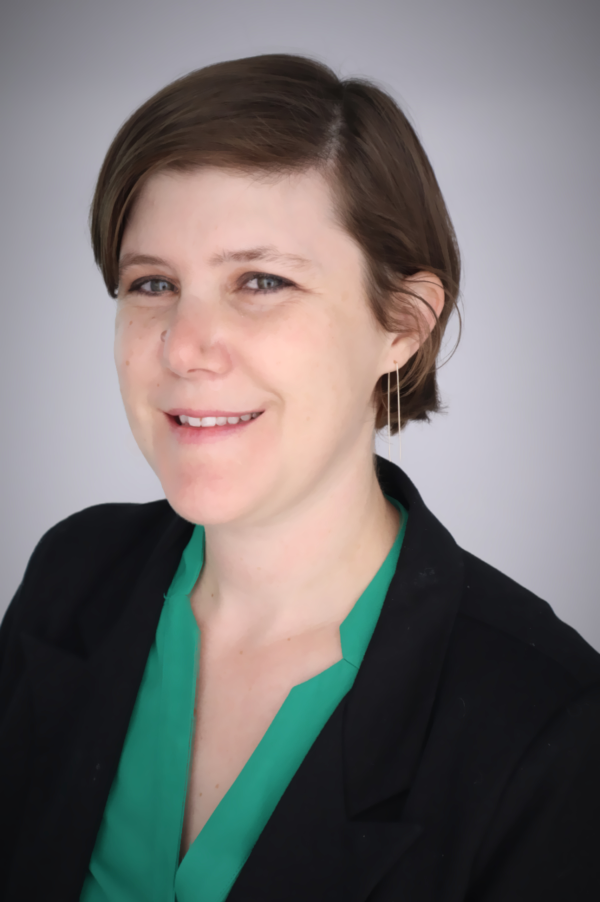
Cara Anne Kinnally is Associate Professor of Spanish and Director of Graduate Studies in the School of Languages and Cultures (SLC) at Purdue University. She earned a joint Ph.D. in Hispanic Literatures and American Studies from Indiana University in 2013, where she also completed an M.A. in Literatures in Spanish in 2007. Dr. Kinnally’s research explores the enduring legacies of race, racism, colonialism, and nationalism in Mexican and Latinx literary and cultural production from the nineteenth century to the present. Her work focuses particularly on how these legacies are represented through narratives of border crossing, movement, travel, and im/migration. She is the author of two books on these themes, in addition to numerous single-authored, peer-reviewed articles and book chapters. Since joining Purdue, Dr. Kinnally has held various leadership and mentorship roles. In 2024, she was appointed Director of Graduate Studies for the SLC, where she oversees five graduate programs. Her excellence in teaching and mentorship at both the undergraduate and graduate levels has been recognized through several awards, including the Kenneth T. Kofmehl Outstanding Undergraduate Teaching Award.
Joyce Main
Joyce Main is Professor and Interim Head of Engineering Education at Purdue University. She is Co-Editor-in-Chief of the Journal of Engineering Education, the flagship journal of the American Society of Engineering Education. She received her Ed.M. in Administration, Planning, and Social Policy from the Harvard Graduate School of Education and her Ph.D. in Learning, Teaching, and Social Policy from Cornell University. Her research focuses on the academic and employment pathways of science and engineering students. She was awarded a National Science Foundation Faculty Early Career Development Program (CAREER) grant to examine the longitudinal career paths of engineering PhDs. Her contributions have been recognized with the Purdue School of Engineering Education 2024 Award for Excellence in Leadership, the 2023 Award for Excellence in Mentoring, and the 2022 Award for Excellence in Graduate Teaching. Dr. Main is a Fellow of the American Society of Engineering Education.
Linda Nie
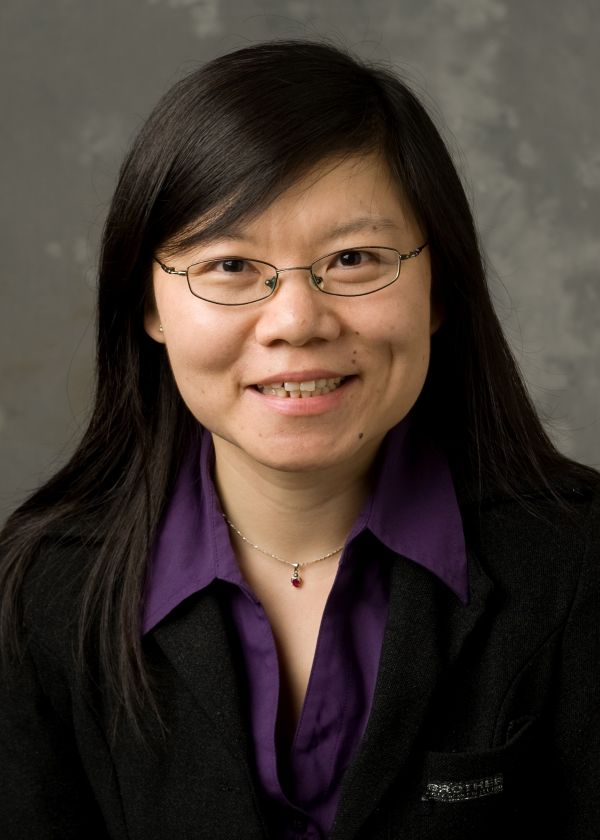
Linda Nie is a Professor of Medical and Health Physics and currently serves as Interim Associate Head for Academic Programs in the School of Health Sciences. She also holds a courtesy appointment at the School of Nuclear Engineering and in the Argonne National Laboratory. Dr. Nie joined Purdue in 2009 after completing her postdoctoral training at Harvard University, where she was a Research Associate and Director of the X-ray Fluorescence Laboratory at the Harvard School of Public Health. An expert in applied nuclear physics, Dr. Nie’s research focuses on the development and application of advanced x-ray and neutron-based technologies to investigate metals and trace elements in relation to human health. Her group has pioneered several in vivo measurement techniques, including x-ray fluorescence (IVXRF) and neutron activation analysis (IVNAA) for metal and trace element quantification, as well as associated particle neutron elemental imaging (IVAPNEI) for disease diagnosis. She also utilizes synchrotron-based micro-x-ray techniques to map metal/elemental distribution in human and animal brains, aiming to understand their link to neurodegeneration. Dr. Nie collaborates extensively with national and international research teams to explore the role of metals and trace elements in nutrition, toxicology, and neurodegenerative diseases. Her research has been supported by the National Institutes of Health, Nuclear Regulatory Commission, Centers for Disease Control and Prevention, and other agencies. At Purdue, she has served in various leadership roles, including Director of the Health Physics Program, Chair of the Awards and Nominations Committee, and Interim Associate Head of Academic Programs.
Kasie Roberson
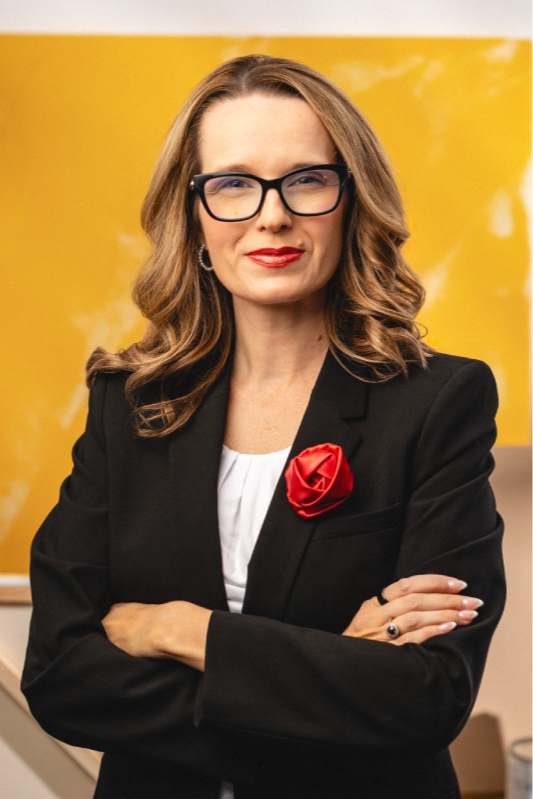
Kasie Roberson is a Clinical Associate Professor in the Department of Organizational Behavior and Human Resources at the Mitch Daniels School of Business, where she serves as the Course Director for MGMT 33500 Strategic Business Writing—a course she designed and scaled from one to over 30 sections annually in four years. Her new undergraduate textbook, published in 2024, Strategic Business Writing: A People-First Approach, helps current and future professionals communicate authentically, ethically, and effectively in an AI-enabled world.
Dr. Roberson is also the Head of the new Leadership Coaching Institute (LCI) housed within the Center for Working Well in the Daniels School of Business. At the LCI she brings her passion for leadership development and well-being to the forefront of business education.
As an Executive Coach, Dr. Roberson works with leaders across industries to strengthen executive presence, team performance, and communication effectiveness. In 2024, Dr. Roberson was nationally recognized as one of Poets&Quants’ Top 50 Undergraduate Business Professors. In 2024 she was also awarded the Teaching Excellence in Daniels Award, which is the top undergraduate teaching award in the Daniels School of Business.
Severin T. Schneebeli
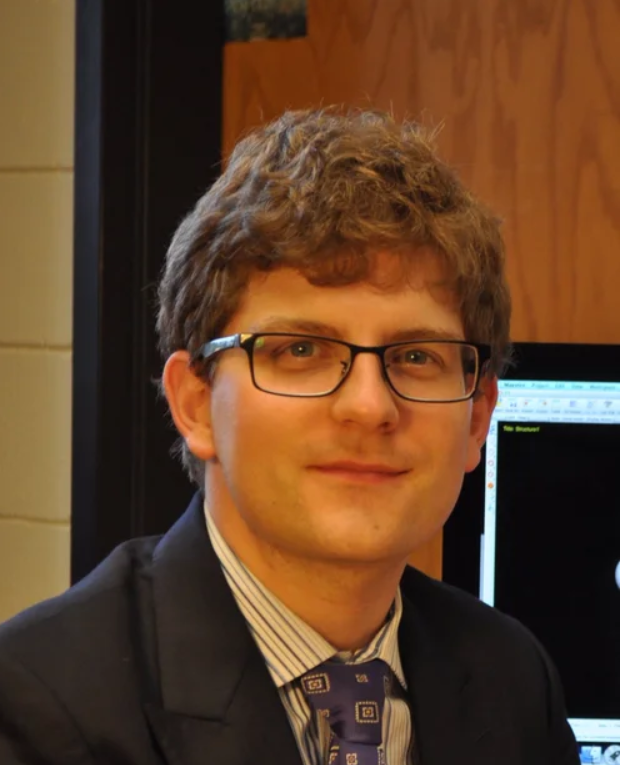
Severin T. Schneebeli is an Associate Professor of Industrial & Molecular Pharmaceutics with a joint appointment in the Department of Chemistry at Purdue University. Originally from Zurich, Switzerland, he specializes in peptide and protein biotechnology, developing supramolecular tools to accelerate the discovery of effective oral peptide therapeutics.
Dr. Schneebeli earned his B.A. in Chemistry from the University of Zurich and a Ph.D. in Organic Chemistry with Distinction from Columbia University. He completed postdoctoral training as an IIN Fellow at Northwestern University with Nobel Laureate Sir Fraser Stoddart, where he advanced expertise in supramolecular chemistry, synthesis, and molecular design. Before joining Purdue in 2022, he launched his independent career at the University of Vermont, serving as a Chemistry faculty member and Director of the Materials Science Program. His leadership and research excellence have been recognized with multiple honors, including the ARO Young Investigator Award (2018), NSF CAREER Award (2019), Thieme Chemistry Journals Award (2020), NIH ESI MIRA Award (2022), Purdue’s Seed for Success Acorn Award (2024), and selection as a 2025 Fellow of the Purdue AI Academy.