|
No objective surpasses in priority the health and safety of the campus community. As you all are aware, people and institutions around the world are working to address and respond to the evolving nature and implications of COVID-19, the disease caused by a coronavirus. In every way, we at Purdue are doing the same.
|
|
|
|
|
|
|
|
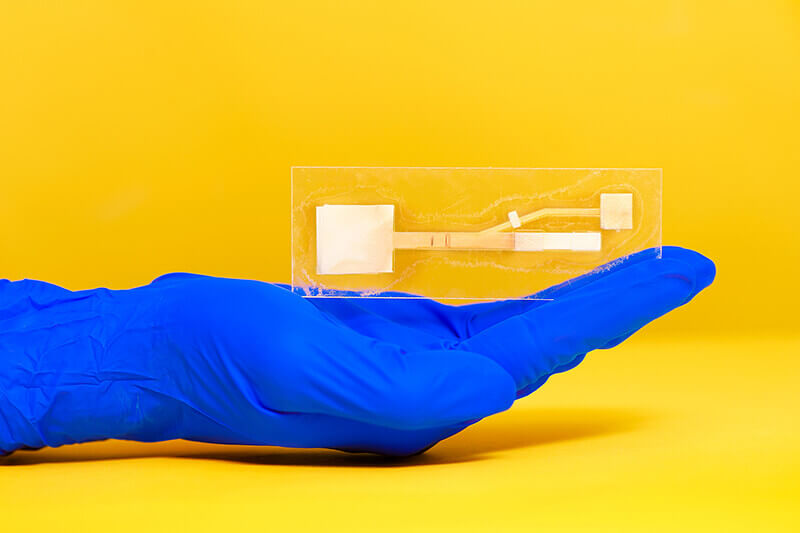
Only a select number of state and local laboratories have permission from U.S. health officials to use diagnostic tests for COVID-19, a coronavirus-caused disease. If the virus is spreading nationwide, most communities do not have access to the necessary tests. Purdue biomedical engineers have developed an inexpensive device made out of paper that could help rapidly and accurately diagnose coronavirus cases with funding for the right manufacturing process.
|
|
|
|
|
|
|
|
|
Computer chips use billions of tiny switches, called transistors, to process information. The more transistors on a chip, the faster the computer. A material shaped like a one-dimensional DNA helix might further push the limits on a transistor’s size. The material comes from a rare earth element called tellurium.
|
|
|
|
|
|
|
|
The concept that children from lower socioeconomic backgrounds start out at a learning disadvantage because they hear fewer words than children from higher socioeconomic backgrounds — a so-called 30 million-word gap — should be explored with more detail, says a Purdue social scientist and researcher.
|
|
|
|
|
|
|
|
Here is a sampling of recent news reports about Purdue from media across the nation and the world. | |
|---|
|
|---|
|
|
|
|
| Purdue Today is the official Purdue University communication for faculty and staff |
|
|
|
|