Purdue Space Guidelines
Updated Sep. 1, 2025
Space Guidelines
Office Spaces
The goal of the updated space guidelines is to increase space efficiencies planned for new buildings and major renovations. Purdue Real Estate & Space Administration also uses these guidelines in evaluation of space requests. The latter may require adaptation of the below guidelines given that many existing buildings do not align with the Unit SF shown below for new buildings and major renovations. In these guidelines, allocation of workspace area is based on an employee’s career stream. Workspaces can then be assigned or unassigned based on the employee’s position location status.
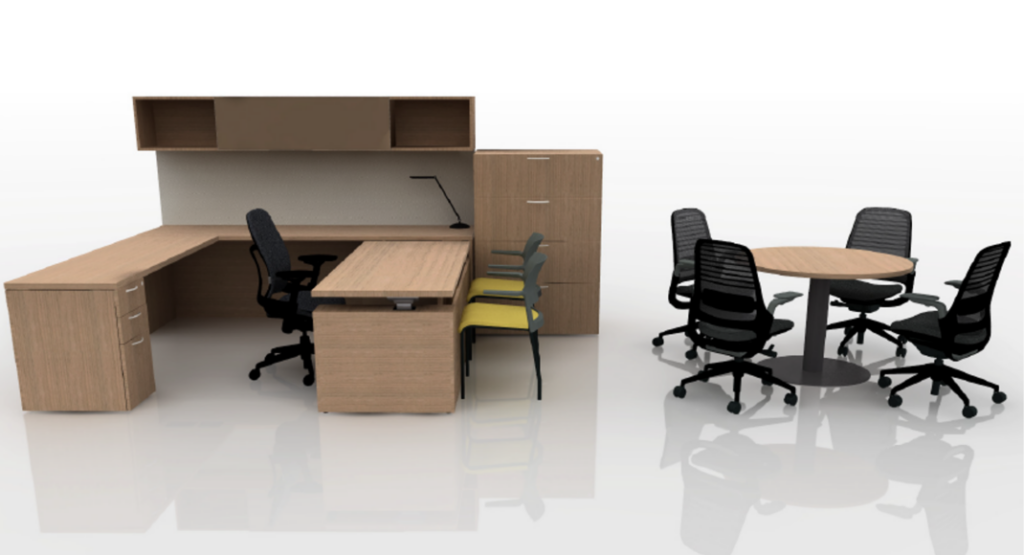
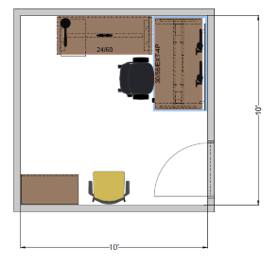
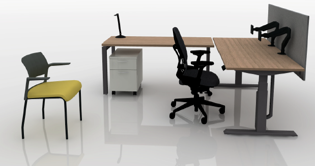
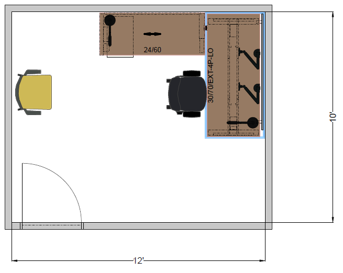
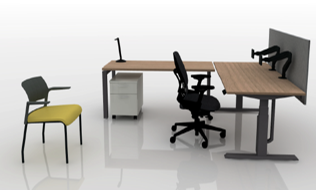
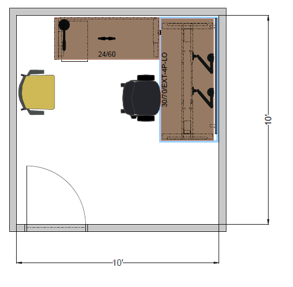
- Private Offices should be assigned for faculty, senior level staff, or for employees who require privacy or secure work environments that cannot be accommodated in an open office workstation.
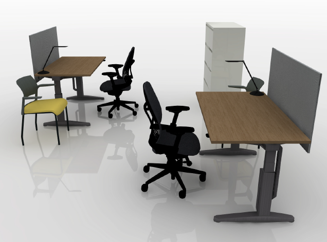
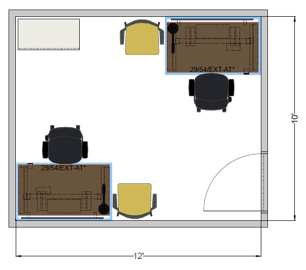
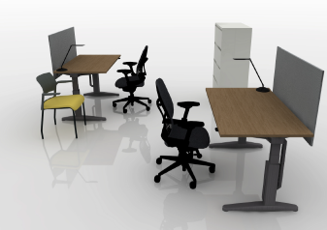
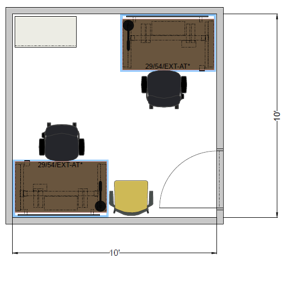
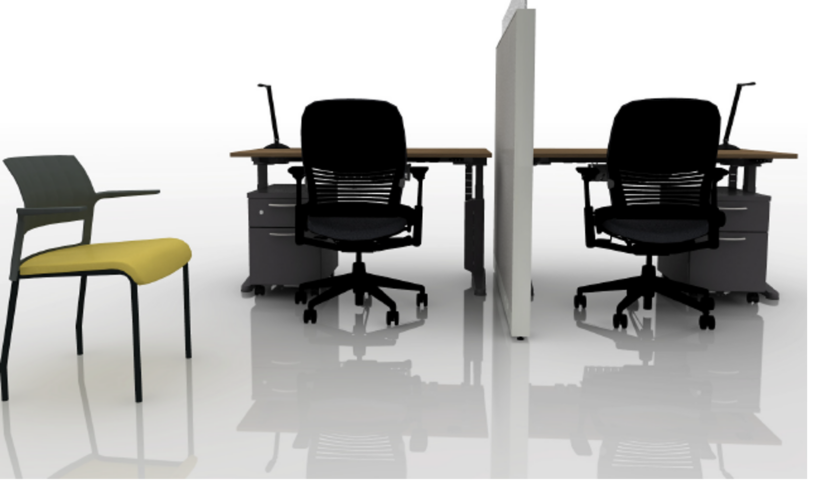
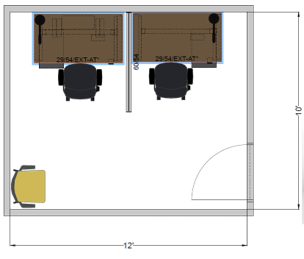
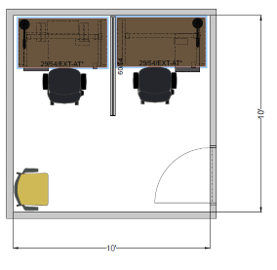
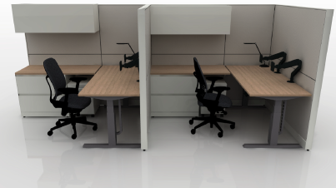
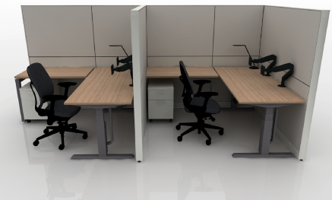
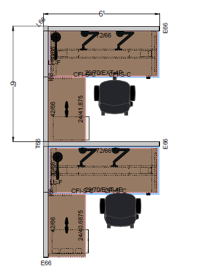
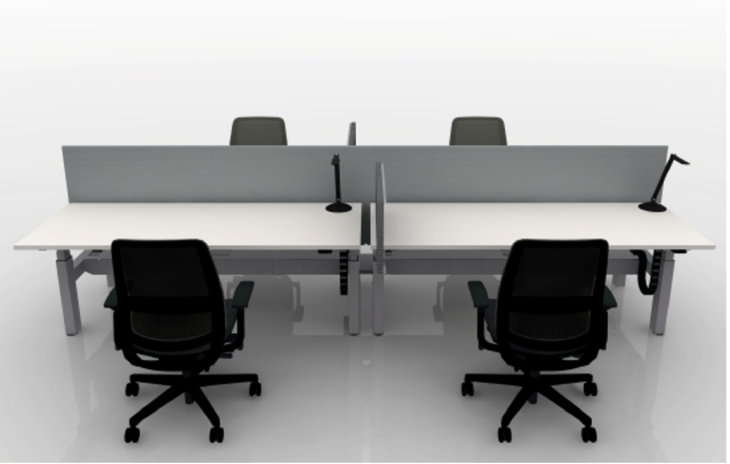
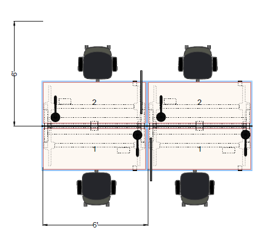
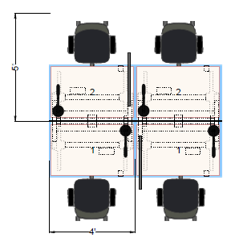
- Open Office Workstations should be assigned to staff as indicated below. To meet programmatic needs or to adapt these guidelines to existing space, these staff can also be allocated one of two desks in a shared 120 SF office.
- Mobility Stations are designed for mobile workers who need a place to touch down while they are in the office and are available in a variety of configurations shown below. These “hoteling” stations should be fully equipped with technology for a seamless experience for the mobile worker. The recommended space allocations for offices and open workstations are shown on the following pages.
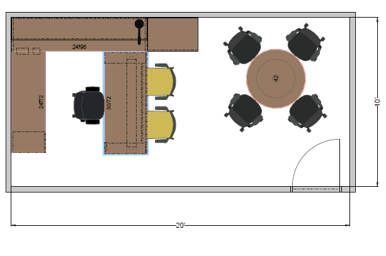
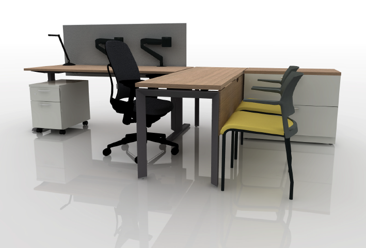
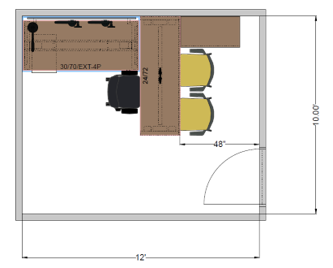
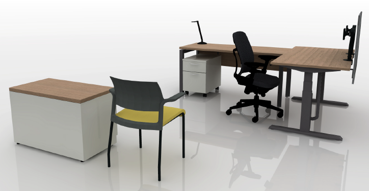
Collaboration Spaces
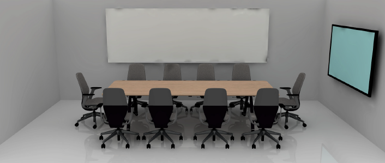
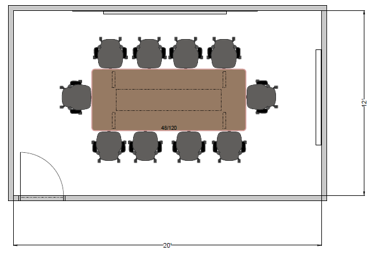
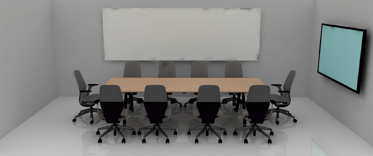
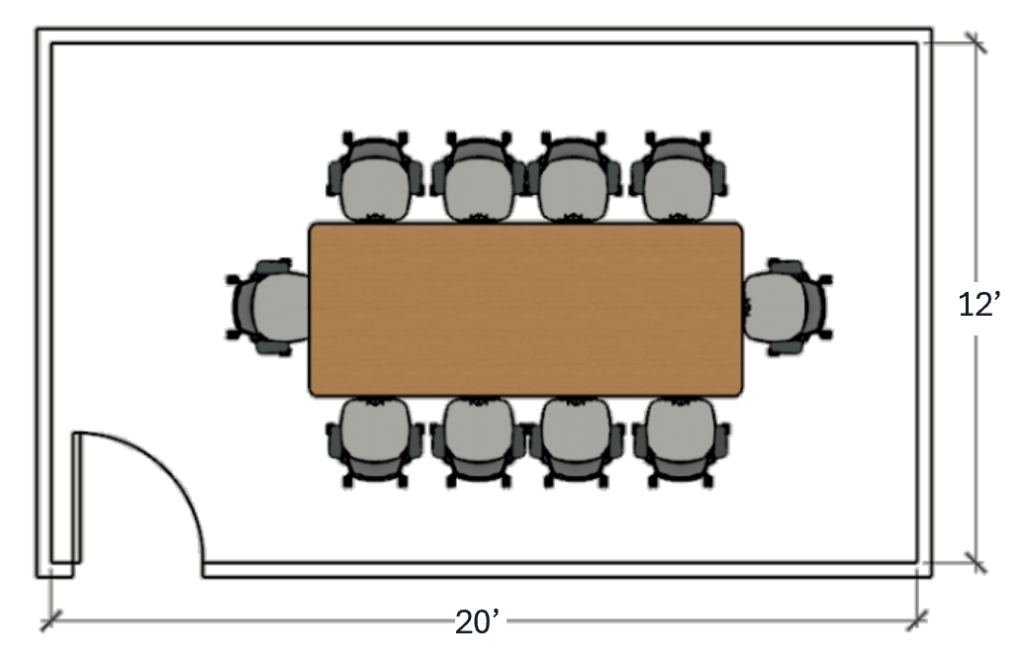
As the workplace shifts to a more mobile and collaborative environment, the office will require additional shared spaces to support employee productivity. Collaboration spaces include open seating and teaming areas, enclosed team rooms, and conference rooms of all sizes. The need for privacy in the open office environment requires the provision of small phone booths or areas where employees can have confidential conversations. To quantify how many collaboration seats are required, a collaboration seat ratio is applied to the number of required seats. As a general rule, as more employees adopt telework, more collaboration space is required.
Support and Service Areas
As the workplace shifts to a more mobile and collaborative environment, the office will need to maintain employee productivity and storage needs. These support areas are now shared by multiple departments and/or staff groups. To quantify how much support area and types of support areas required, an employee ratio is applied to the amount of space required.
Appendix
Workspace Typologies: Modular & Reuse Efficiency
Disclaimer: This drawing is issued for information purposes only. No part of this drawing may be used for construction or design. Any person receiving this drawing shall verify all existing conditions before any design or construction may begin. This drawing is issued only as a basis to begin verifying the existing work conditions on site.
West Lafayette
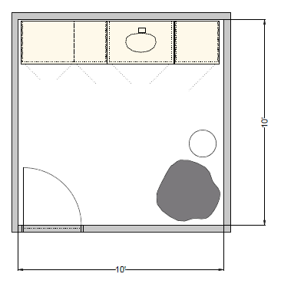
Executive Office (240 SF)
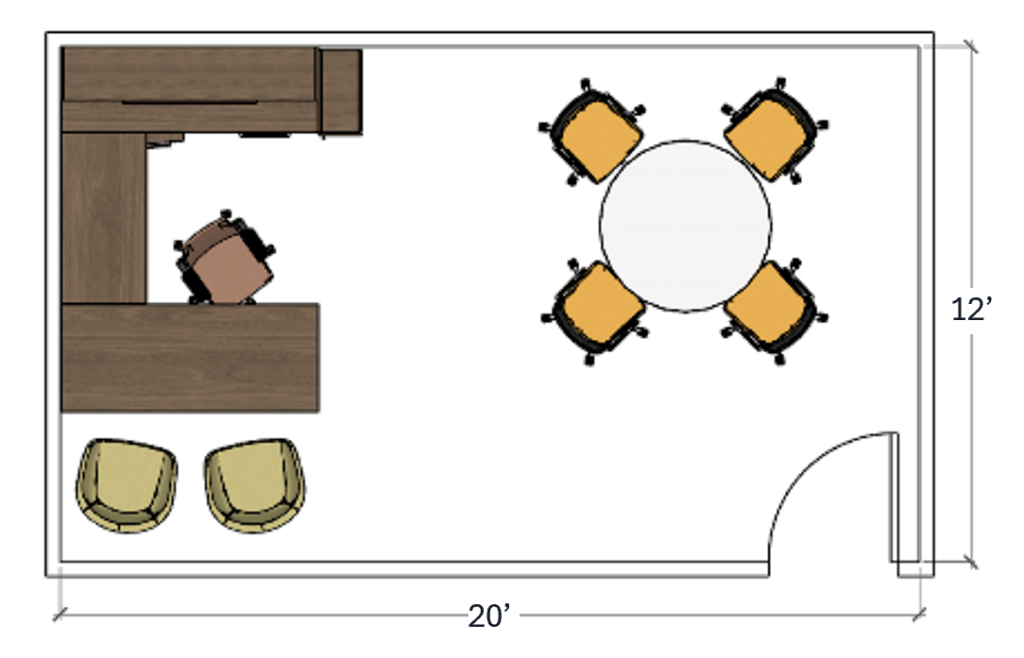
Standard Office (120 SF)
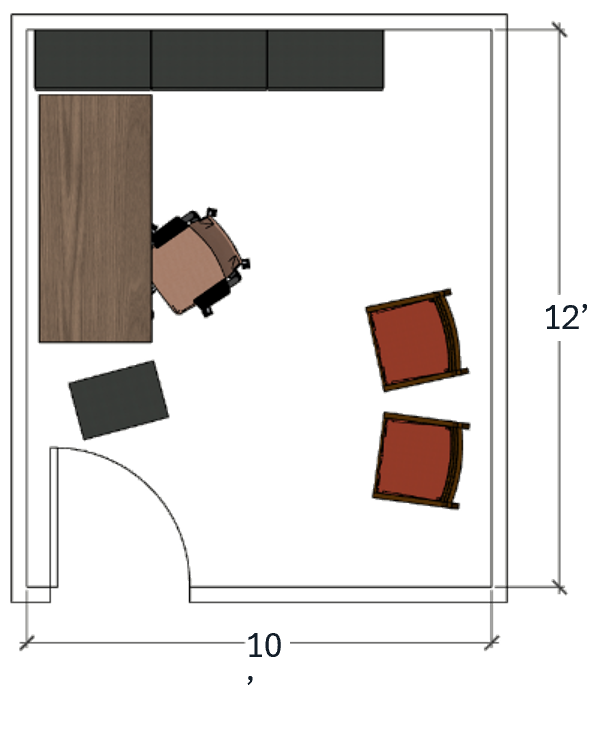
Shared Office (120 SF)
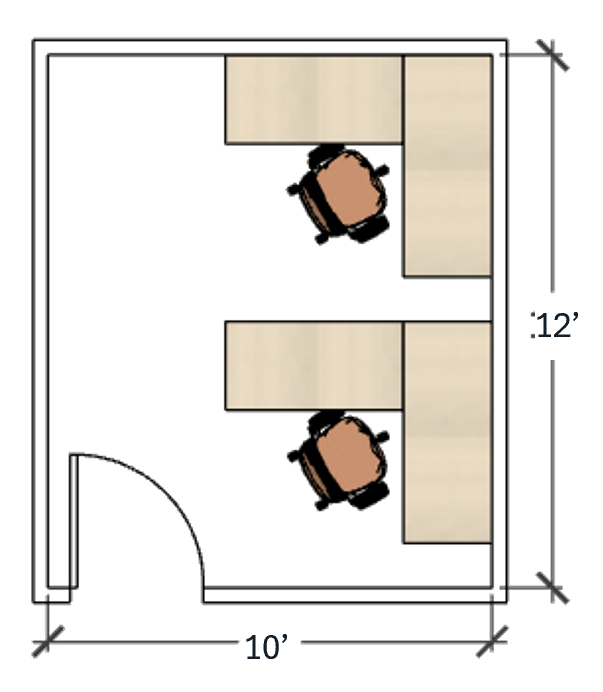
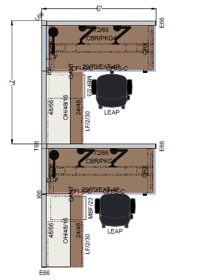
Workstation (42 SF)
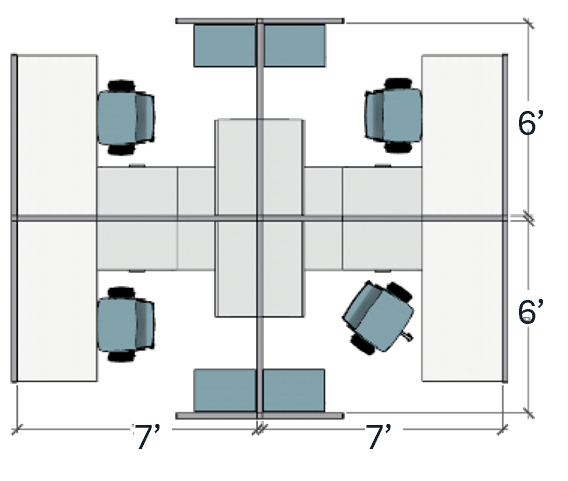
Touchdown (36 SF)
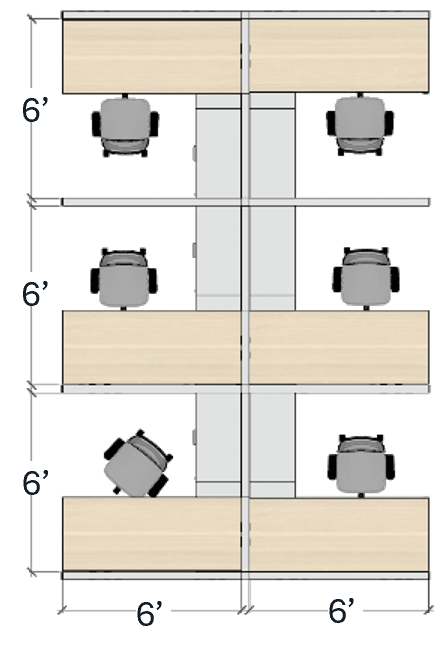
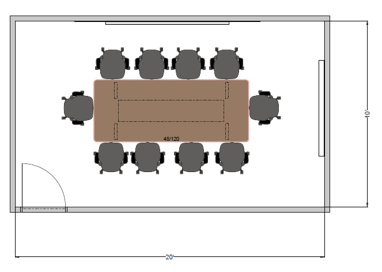
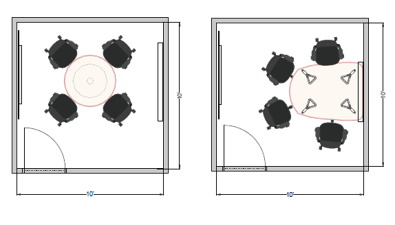
Medium Conference Room (240 SF)
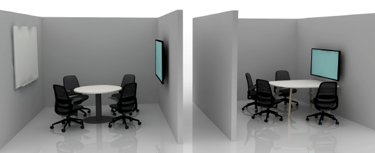
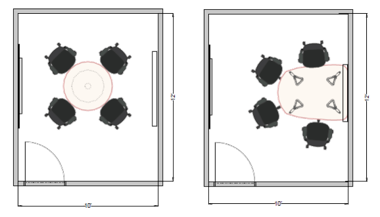
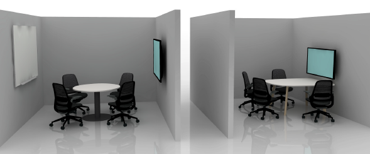
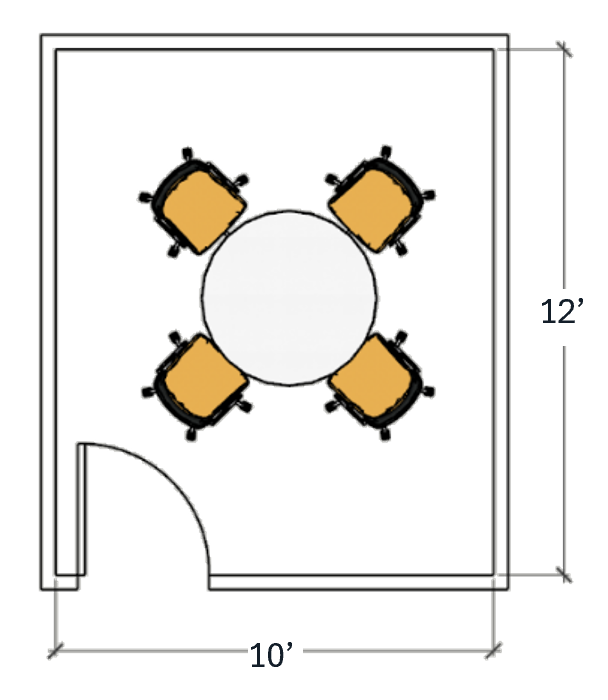
Huddle Room (120 SF)
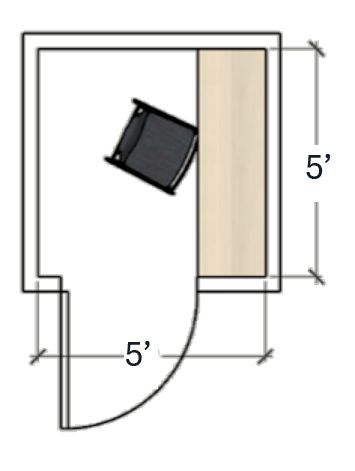
Phone Booth (30 SF)
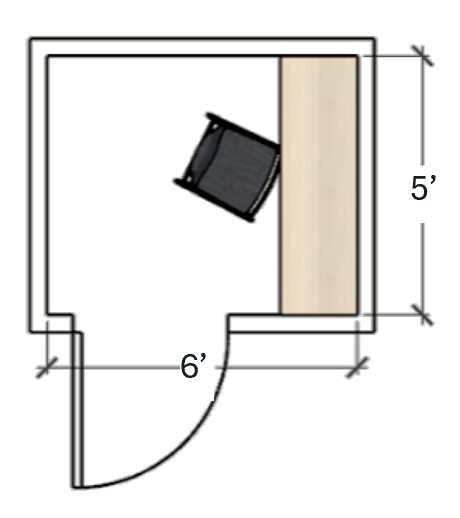
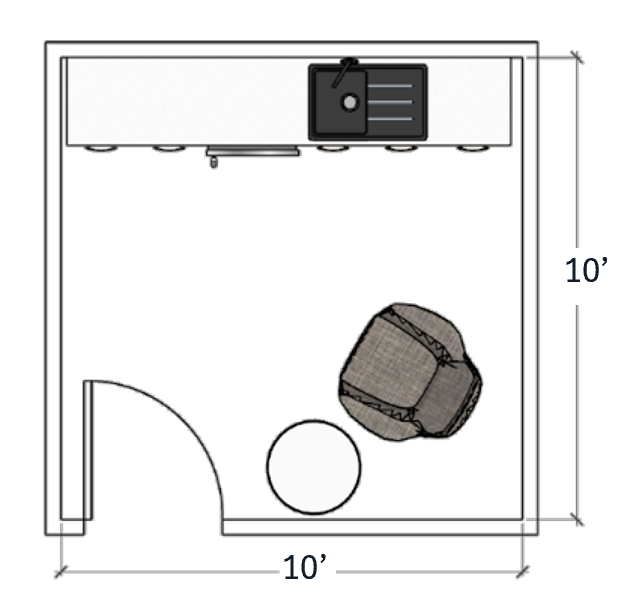
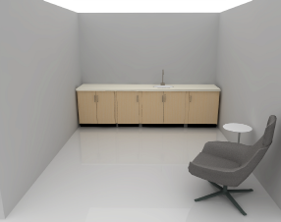
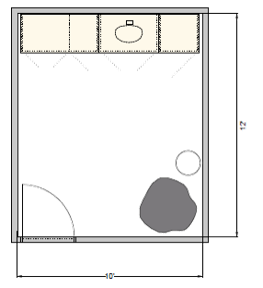
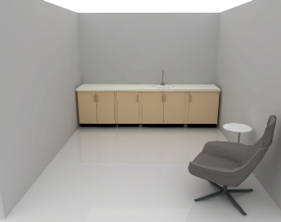
Wellness Room (120 SF)
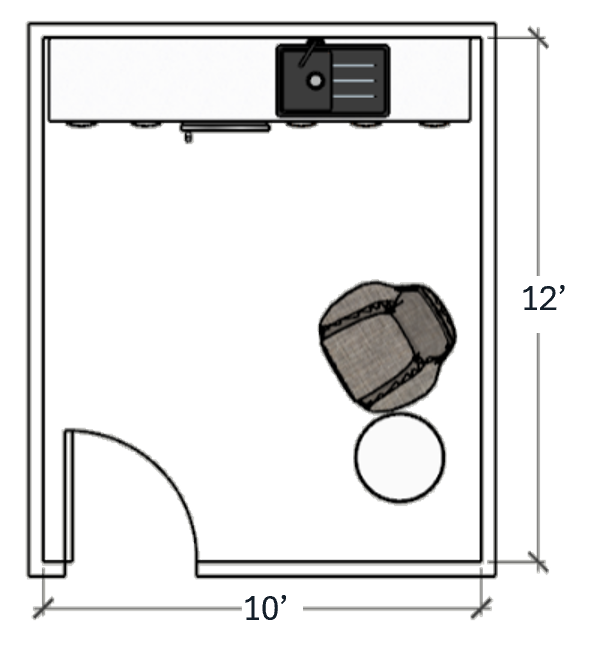
Indianapolis
Executive Office (200 SF)
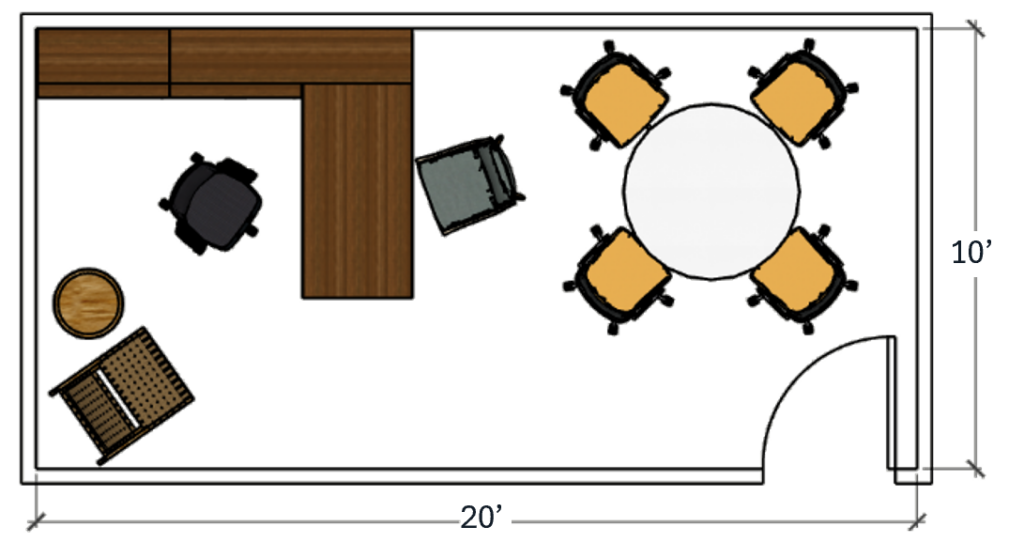
Standard Office (100 SF)
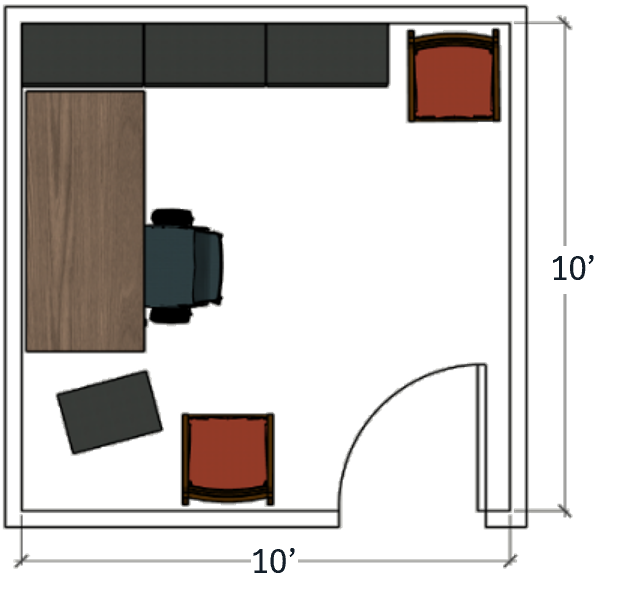
Shared Office (100 SF)
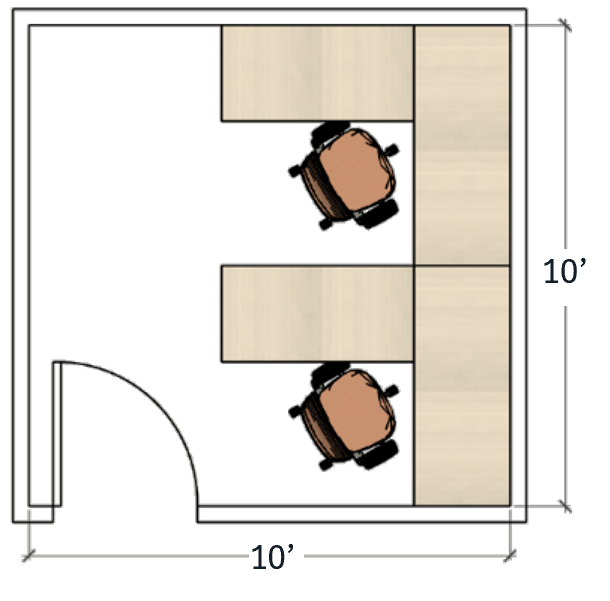
Workstation (36 SF)
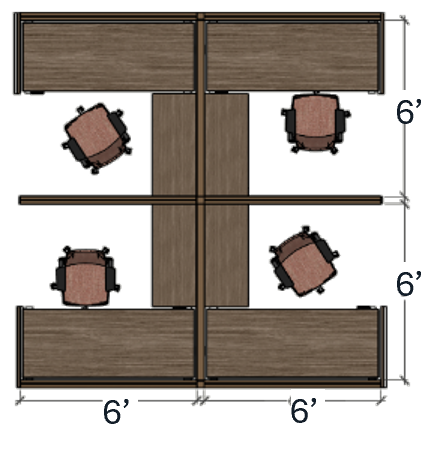
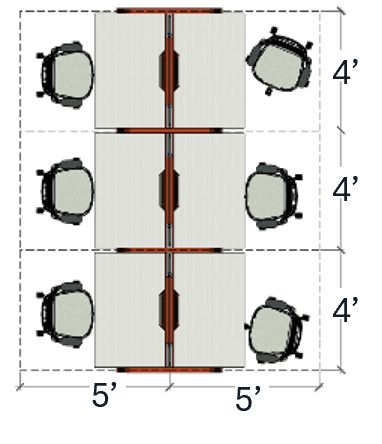
Touchdown (20 SF)
Medium Conference Room (200 SF)
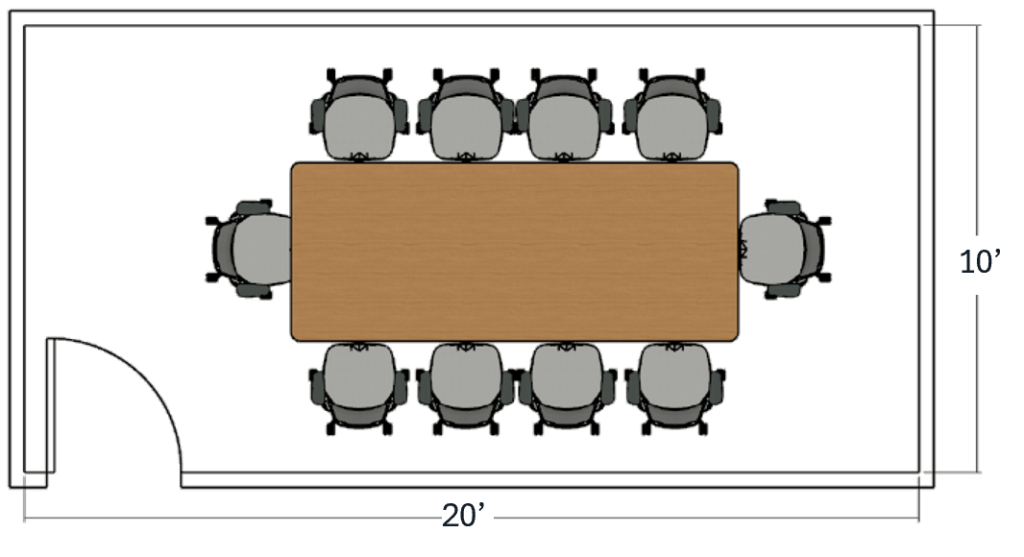
Huddle Room (100 SF)
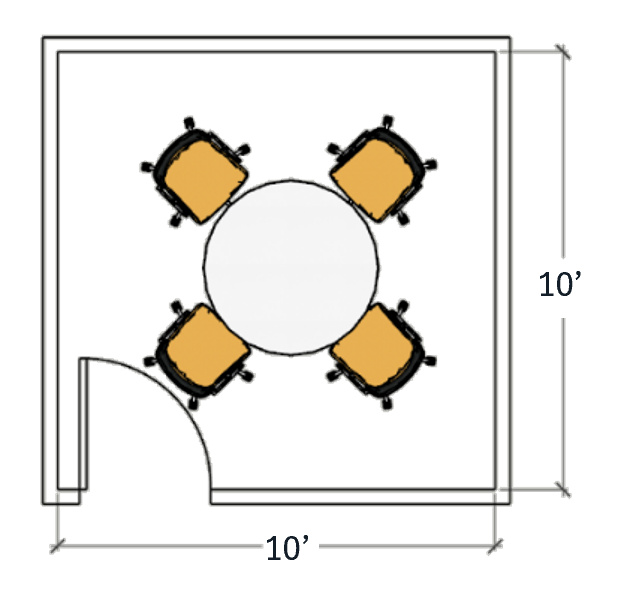
Phone Booth (25 SF)
Wellness Room (100 SF)