
Online Data & Analytics Master’s Degrees
Online Data & Analytics Master’s Degrees
Take Your Next Giant Leap
Purdue University’s online data & analytics master’s programs bridge the gap between academic research and industry practice, giving professionals in technology fields dynamic skills in data science and data analytics that they can use to move their industries forward. These boundary-pushing programs offer the same academic rigor and career-enhancing connections as our on-campus programs, and they are taught by the same expert Purdue faculty.
Master of Science in Data Science
This program exposes students to coursework in in-demand areas like data visualization, machine learning, data mining and more. Taught by the same faculty who teach on Purdue University’s flagship campus, this fully online program offers the same quality and rigor as on-campus programs with added flexibility.

Master of Science in Applied Statistics
This program is tailored for working professionals, combining coursework in probability, statistical methodology, experimental design and data management . Taught by the same faculty and using an identical curriculum as on-campus students, the program emphasizes applied skills through statistical computing, quality‑control, time‑series analysis and a real-world consulting style capstone.

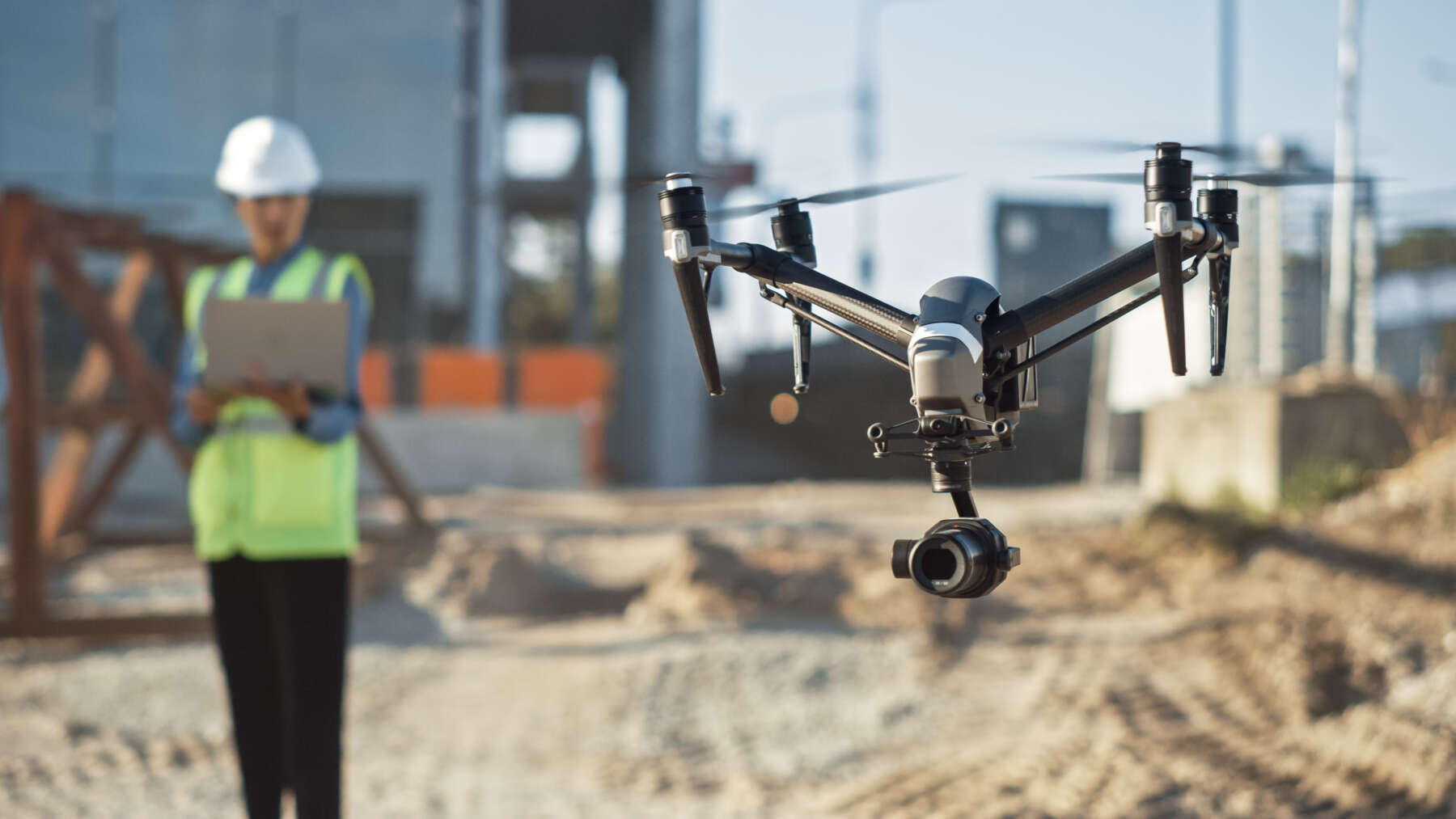
Master of Science in Applied Geospatial Analytics
This program equips students with advanced technical expertise and problem-solving skills, enabling them to interpret and analyze complex geospatial data effectively. Through a specialized curriculum, students will also learn how to develop impactful, strategic communication based on high-quality, data-driven analyses and visualizations.
Request Information
Complete the form below to learn more about Purdue’s online Data & Analytics Master’s Degrees.
The form below will be shared with a Purdue Enrollment Specialist.
Master of Science in Data Science
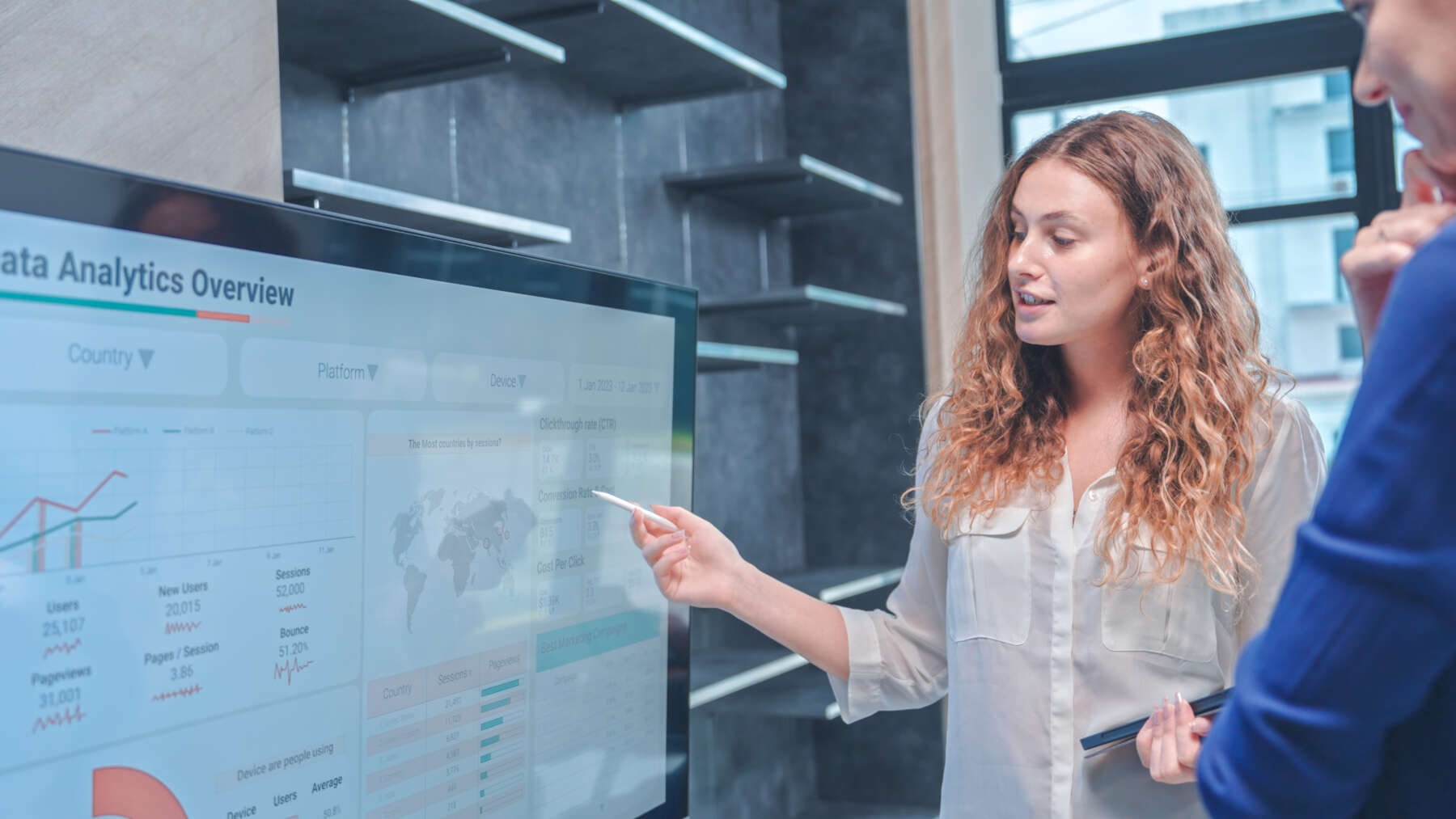
Purdue University’s online Master of Science in Data Science is designed for working professionals seeking to advance analytical, statistical and computational skills. The interdisciplinary curriculum includes core courses in machine learning, big‑data technologies, data visualization and data analytics, with the flexibility to tailor concentrations in areas like spatial data science, IT business analysis or smart transportation. By blending rigorous theory with hands‑on application and guided mentorship, the program prepares graduates to lead data‑driven initiatives across sectors, from finance and health care to urban planning and manufacturing.
- IT professionals, business/data analysts and leaders in tech
- Corporate professionals interested in applying technology to real-world industry challenges
Application and Admission Requirements
- A bachelor’s degree from an accredited institution
- Cumulative GPA of 3.0 or equivalent
- Applying data science methods to extract actionable insights
- Creating clear and effective data visualizations for diverse audiences
- Developing and maintaining software using modern programming languages
- Analyzing data to identify trends, patterns, and opportunities
- Using statistical techniques to support data-driven decisions
- Building and deploying machine learning models to solve complex problems
- Software Engineer
- Data Scientist
- Machine Learning Engineer
- Research Scientist
- Data Analyst
- Quantitative Analyst

Master of Science in Applied Statistics
Purdue University’s online Master of Science in Applied Statistics equips students with advanced statistical knowledge to use modeling, data management and computing tools to identify trends, make decisions and forecast future outcomes. Designed for working professionals, this flexible program delivers a world-class education that fits around careers, families and other commitments—helping students build in-demand skills and stand out in the job market.
- Those interested in advancing in fields that involve math, research or data
- IT professionals, business/data analysts and leaders in tech
- Corporate professionals interested in applying statistics to real-world industry challenges
Application and Admission Requirements
- A bachelor’s degree from an accredited institution
- Cumulative GPA of 3.0 or equivalent
- One semester of Calculus
- Applying statistical methods to interpret and analyze data
- Using probability theory to model uncertainty and inform decisions
- Organizing and retrieving data through effective data management practices
- Performing complex computations using modern computing tools and techniques
- Analyzing time series data to identify trends and forecast future outcomes
- Data Scientists
- Data Analysts
- Biostatisticians
- Market Research Analysts
- Business Intelligence Analysts

Master of Science in Applied Geospatial Analytics
Purdue University’s 100% online Master of Science in Applied Geospatial Analytics blends geospatial science, data analysis and strategic communication in a flexible, interdisciplinary format. Students learn to utilize tools such as GIS, remote sensing, python, data visualization and more. This program equips students with its real‑world focus. Project‑based coursework prepares professionals to apply geospatial intelligence in fields ranging from environmental conservation and agriculture to urban planning and public utilities.
- Business/data analysts and leaders in technology or energy sectors
- Individuals involved in agriculture, urban planning, government or transportation industries
- Corporate professionals interested in applying geospatial analytics to real-world industry challenges
Application and Admission Requirements:
- A bachelor’s degree from an accredited institution
- Cumulative GPA of 3.0 or equivalent
- Using geographic information systems (GIS) to map and analyze spatial data
- Analyzing environmental and spatial data to draw meaningful conclusions
- Applying informatics to address environmental and ecological challenges
- Designing data visualizations that communicate complex information clearly
- Studying spatial ecology to understand ecological patterns and processes
- Interpreting remote sensing data for environmental monitoring and research
- Geospatial Analyst
- Forester
- Oceanographer
- Research Scientist
- Construction Manager
- Surveying Professional
