Master of Science in Applied Geospatial Analytics
Master of Science in Applied Geospatial Analytics
Unlock the Power of Geospatial Data with an Advanced Degree in Applied Geospatial Analytics
Purdue University’s online Master of Science in Applied Geospatial Analytics offers a cutting-edge education in the rapidly evolving field of geospatial technology. This program blends advanced analytics with geospatial science, preparing students to solve complex problems across industries such as urban planning, environmental science and logistics. With a focus on practical, data-driven decision-making, this degree is ideal for professionals seeking to leverage geospatial data to create impactful solutions in their careers.
- Master geospatial tools and techniques for analyzing and interpreting spatial data.
- Learn from expert faculty and network with industry experts.
- Study online at a flexible pace.
Specialized Learning Pathway
In addition to earning a master’s degree, graduates can also earn three graduate certificates, offering the opportunity to stack credentials and enhance marketability throughout their careers. The certificates are Applied Data Analytics, Spatial Data Science and Strategic Communication Management.

Request Information
Complete the form below to learn more about Purdue University’s online Master of Science in Applied Geospatial Analytics. The form below will be shared with a Purdue enrollment specialist.
Course Spotlight
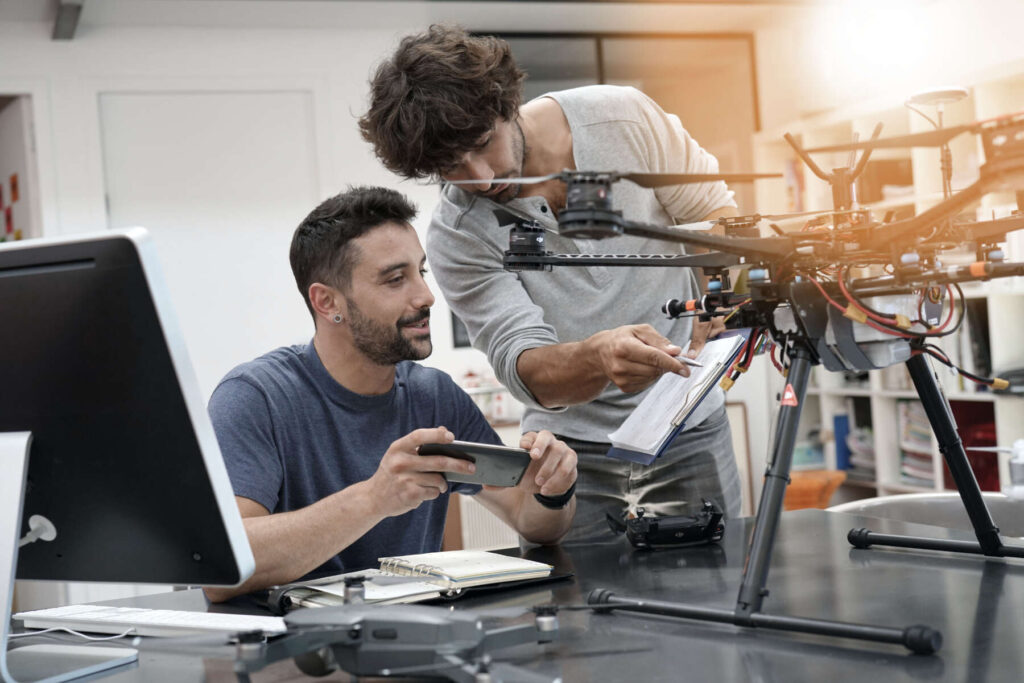
This course introduces landscape ecology and biogeography principles, with a lab focused on spatial data analysis using GIS and database tools. Topics include landscape structure, ecological processes and large-scale ecological patterns for resource management.

This course introduces GIS fundamentals for analyzing spatial problems in environmental, agricultural and engineering fields. Students will learn key GIS concepts, data sources, spatial analysis and use Esri ArcGIS Pro software, becoming informed and competent GIS users.
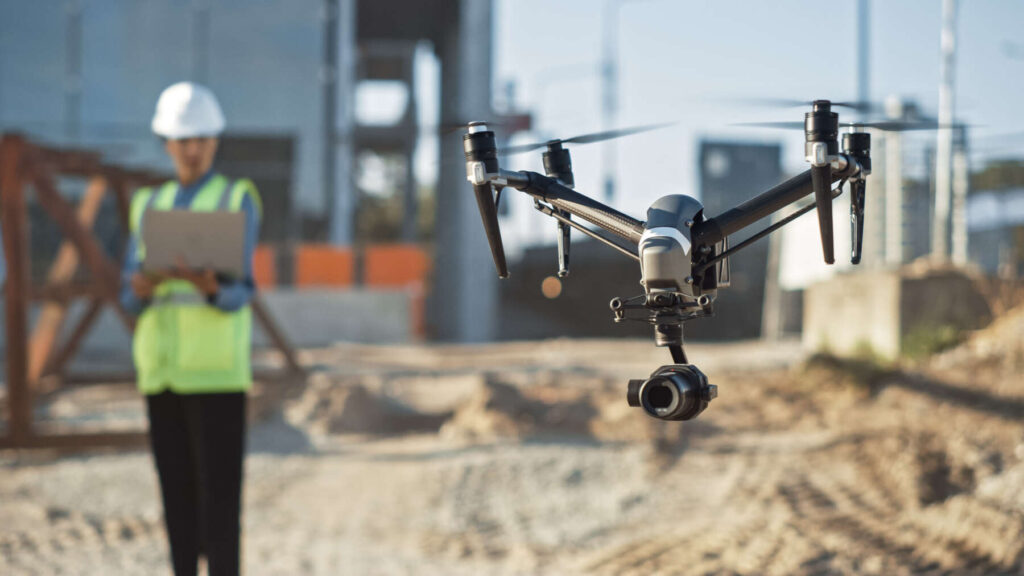
This course introduces remote sensing principles and methods for analyzing remotely sensed data. The first half focuses on passive optical technology, while the second covers sensing technologies for observing soil, vegetation and water resources using airborne and space-based sensors.