
Latino Cultural Center celebrating 10 years
April 9, 2013
 |
|
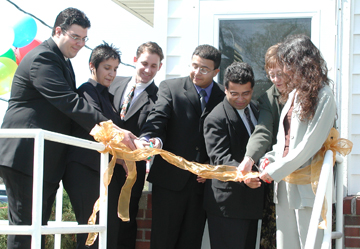
A ribbon cutting is held in 2003 for the opening
of the Latino Cultural Center in South Campus Courts. (Photo provided) |
All are welcome Saturday (April 13) as the Latino Cultural Center celebrates its 10th anniversary. Even the center's slogan, "Todos Son Bienvenidos," says so.
Since officially opening in April 2003, the center has served as an educational foundation, resource center, and a "home away from home" for faculty, staff and students.
"Día de la Familia" is an open house event celebrating the family of the Latino Cultural Center. The event begins at 1 p.m. April 13 at the center, located at 600 N. Russell St. Purdue alumni, current students, faculty, staff and local community members are invited to stop by the center to take the educational tour, sample Latino cuisine and meet with leaders of the center. A bounce house and Imagination Station will be available for children.
Antonia Munguia, director of diversity programs for the College of Technology, says the event will feel like a family reunion.
"The anniversary is a time to celebrate and commemorate, share stories, eat, dance, laugh and enjoy our Latino family," she says. "I look forward to seeing some of the former students who were here 10 years ago and interact with current students."
Grammy-winning band Grupo Fantasma will finish off the day with a free concert at 6:15 p.m. at Slayter Center. The band is known for their fusion of new and traditional Latin music.
On Friday (April 12), the center will honor the past, present and future leaders of Purdue and the cultural center at the "Celebrando Our History, Somos Purdue" ("Celebrating Our History, We Are Purdue") gala. Maricela Alvarado, LCC director, says the gala will recognize the work of campus and community leaders and give thanks for the support of alumni.
 |
|
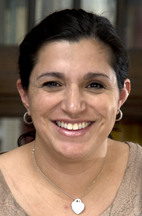
Maricela Alvarado
|
"Alumni have made a huge impact on the center," Alvarado says. "They help to fund and organize our graduation ceremonies and retreats, and they simply support everything we do, even long after they have left Purdue."
Celebrations for the anniversary began in the fall with a focus on looking back and appreciating the history of the center. These spring festivities place more emphasis on the goals and future of the center at Purdue.
The Latino Cultural Center opened in South Campus Courts in April 2003. In the same vein as the Black Cultural Center, the center was designed to serve as a focal point for Latino cultures at Purdue.
"Purdue's diversity is a vibrant aspect of campus," Alvarado says. "Each of the cultural centers offers great spaces to explore that vibrancy -- through the facilities and programs we all offer."
As the center grew in activity and membership, more space was needed. Moving to a more centrally located building on Russell Street in 2006, the center has seen a tremendous increase in visitors from 1,000 to now 5,000 visitors each year.
The establishment of the center provided students, faculty and staff with a place to meet and created a welcoming and supportive foundation to help Latino students feel more at home on Purdue's campus. Since the founding of the center, Latino student retention has increased by four percentage points.
Now, the center has a larger meeting facility and a larger staff. An ITaP computer lab is open to all students, and has Purdue writing lab tutors available weekly. Space is available for student groups, including the 17 Latino-based student organizations.
The center's staff also provides diversity training and tours for Purdue's departments and frequently works with the colleges to increase Latino student retention.
Looking forward, Alvarado says she hopes to see the center continue to provide support and education for academic departments and work to encourage students to take active leadership roles at Purdue and in the community.
"We're always looking for ways to support students academically and to encourage more students to graduate and to attend Purdue," she says. "We also want to help students become leaders. We want them to graduate with a degree and experience that will help them to give back to society and their community."
Writer: Rachel Florman, rflorman@purdue.edu

