Expert videos available for use over July Fourth holiday weekend
WEST LAFAYETTE, Ind. —
Are you looking for stories over the July Fourth holiday? The following videos from Purdue University experts are available for download and use by media on the Associated Press Newsroom under the Campus Insights page. AP members may use the videos or pull quotes for print articles, broadcasts or podcasts:
Keeping children safe around fireworks
Hearing tips to keep in mind this July Fourth
How to stay safe with fireworks this July Fourth
Why this hurricane season could break records
Predicting how tornadoes shift with climate change
How to keep food safe for summer picnics
Keeping children safe around fireworks
Shawna Harbin is a clinical assistant professor at Purdue University’s Department of Human Development and Family Science in the College of Health and Human Sciences. In this video, she explains how to keep children safe when using fireworks during the July Fourth holiday. According to the U.S. Consumer Product Safety Commission, children 5-9 years old had the second highest rate of fireworks-related injuries in 2023. Harbin says it is important that when handling fireworks caregivers keep a close eye on young children. Even fireworks that many think of as being safe for kids, such as sparklers, can burn up to 2,000 degrees Fahrenheit. Smoke from fireworks can cause issues for children with asthma, and the loud noises can also overstimulate some kids. Having safe alternatives to fireworks, such as glow sticks, can be a fun way for young children to participate in the celebrations without having to get close to fireworks. Harbin says that parents know their child best and should take appropriate precautions before attending a show or setting off fireworks at home.
Hearing tips to keep in mind this July Fourth
Jillian Hubertz is a clinical assistant professor in Purdue University’s Department of Speech, Language, and Hearing Sciences. In this video, she shares hearing protection tips for those enjoying fireworks on the Fourth of July. Hubertz says hearing can be damaged in just one single exposure or through prolonged exposure to loud noises over time. Fireworks can be as loud as 140-170 decibels, which far exceeds safe listening levels around 70-80 decibels. To protect yourself, Hubertz says to use ear protection and stay a safe distance from where fireworks are being set off. Hubertz suggests being at least 500 feet away, just under the length of two football fields. Some signs you may be harming your hearing include difficulty hearing someone from about 3 feet away and a ringing sound in your ears.
The science behind fireworks
Paul Smith is the director of lecture demonstrations in the Department of Chemistry at Purdue University. He also serves as president of the Pyrotechnics Guild International and has been working with pyrotechnics professionally for more than 30 years. In this video, Smith explains the artistry and sensory experience of a fireworks show and how it is created. Fireworks are the result of a combustion reaction where oxygen and other fuels are added together to create light, color, sound, propulsion and more. Smith says fireworks are so appealing because it’s the large-scale result of the chemical interaction between molecules and atoms the human eye can’t see. Different elements emit certain colors. Smith says the use of strontium puts off red, barium emits green, copper is used for blue, calcium for orange and sodium gives off yellow. The most fascinating part of a fireworks show for Smith is how it involves all five senses. He says it’s a live painting in the sky that’s the result of chemists crafting the shell in a certain way.
How to stay safe with fireworks this July Fourth
Jonathan Mead is a former fire chief and a professor in the Fire Science Department at Purdue Global. In this video, he explains how people can stay safe when handling fireworks during July Fourth celebrations. Mead says that the No. 1 rule when using fireworks is to be careful. He recommends having a bucket of water nearby to dunk fireworks in after they have gone off. If a firework fails to go off, people should not attempt to relight it, as that could lead to an instantaneous explosion. Mead says that there are around 12,000 incidents involving structure fires and around 10,400 incidents involving medical services every year during July Fourth. About 38% of people hospitalized from fireworks suffer from finger and hand injuries. Fireworks should be set off away from structures and dry areas to prevent fires from occurring. People should check their state and local ordinances to find out when and what kind of fireworks are allowed in their area.
Why this hurricane season could break records
Jhordanne Jones is a National Oceanic and Atmospheric Administration Climate and Global Change postdoctoral fellow in Purdue University’s Department of Earth, Atmospheric, and Planetary Sciences. In this video, she explains why the 2024 hurricane season is expected to be particularly intense. The Atlantic hurricane season begins June 1, peaks between August and October, and ends Nov. 31. NOAA predicts 2024 will be a very active hurricane season with 21 named storms forecasted. This is the highest number of named storms in any NOAA preseason forecast. Jones explains that the two main factors driving these predictions are a very warm Atlantic Ocean and a very cool eastern Pacific Ocean. When the Atlantic Ocean reaches a certain heat level, water evaporates at a higher rate. This heat energy gets transported into the atmosphere, fueling hurricanes as they pass over the ocean. Meanwhile, a strong La Nina is cooling eastern Pacific Ocean waters. This drives air downward over the Pacific, but drives air upward over the Atlantic, leading to the formation of vortices — commonly referred to as hurricanes. Jones compares this phenomenon to people jumping on a water blimp or trampoline. The more people that jump on one end, the higher a single person on the other will be launched into the air. The Atlantic and Pacific oceans work together in a similar way to create a more intense hurricane season.
Predicting how tornadoes shift with climate change
Dan Chavas is an associate professor in the Department of Earth, Atmospheric, and Planetary Science at Purdue University’s College of Science. In this video, he explains how researching tornadoes and other severe storms will help scientists predict how those weather events will impact society as the climate continues to shift. Tornadoes and severe thunderstorms have become some of the most damaging weather phenomena in the United States over the last few decades. Chavas says it is important to understand how, where and why tornadoes form so that experts can better predict and plan for these severe weather events. As climate change continues, the behavior of tornadoes has the potential to shift, making this research even more crucial.
How to keep food safe for summer picnics
Monica Nagele is a registered dietitian and the lead health and human sciences Extension educator in Montgomery County for the College of Agriculture at Purdue University. In this video, she explains how to keep food safe while picnicking outdoors this summer. Nagele says people should keep an eye out for food that needs to be kept warm or cold to stay safe. Meats, eggs, seafood and freshly cut produce have the potential to cause foodborne illness if not stored at the proper temperature. Food should be kept cold in a cooler at 40 degrees Fahrenheit or less. In general, Nagele recommends people wash their hands, use utensils to serve food, cook food to the correct temperature, and keep raw and cooked food separated. Low-risk picnic options include prepackaged foods like potato chips, baked goods, and fresh fruit and vegetables.
About Purdue University
Purdue University is a public research institution demonstrating excellence at scale. Ranked among top 10 public universities and with two colleges in the top four in the United States, Purdue discovers and disseminates knowledge with a quality and at a scale second to none. More than 105,000 students study at Purdue across modalities and locations, including nearly 50,000 in person on the West Lafayette campus. Committed to affordability and accessibility, Purdue’s main campus has frozen tuition 13 years in a row. See how Purdue never stops in the persistent pursuit of the next giant leap — including its first comprehensive urban campus in Indianapolis, the Mitchell E. Daniels, Jr. School of Business, Purdue Computes and the One Health initiative — at https://www.purdue.edu/president/strategic-initiatives.
More Purdue News
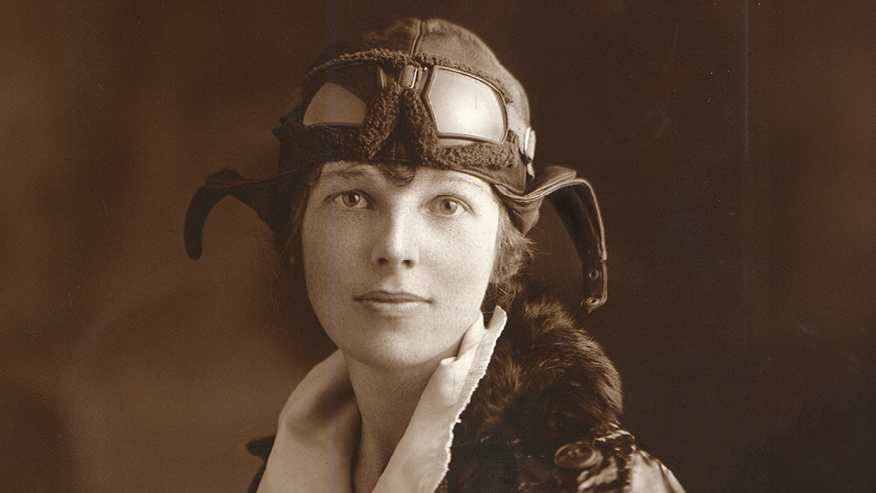
Search for Amelia Earhart’s plane continues after Taraia Object expedition on Nikumaroro rules out latest hypothesis
October 18, 2026
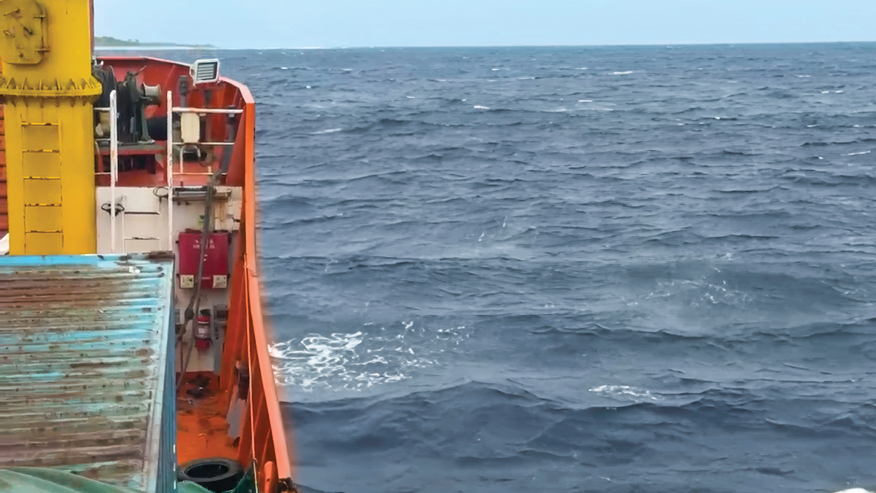
Earhart expedition update: Weather prevents shore work for third straight day; crew to extend trip
October 16, 2026
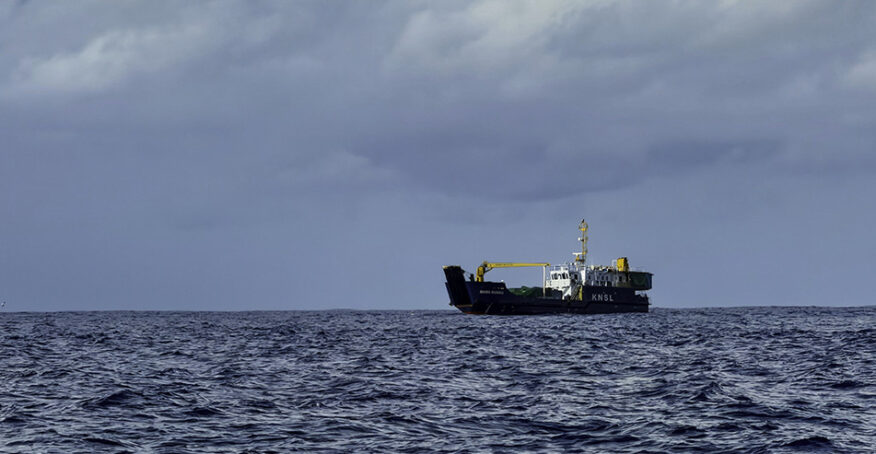
Earhart expedition update: Weather prevents shore work Thursday; ID update expected in next 48 hours
October 15, 2026

Earhart expedition update: Underwater survey of Taraia Object begins
October 14, 2026