Study: Urban office buildings pump out volatile chemicals to the outdoors, comparable to traffic emissions

WEST LAFAYETTE, Ind. —
The air coming out of office buildings in urban areas may be more polluted than once believed, Purdue University researchers say.
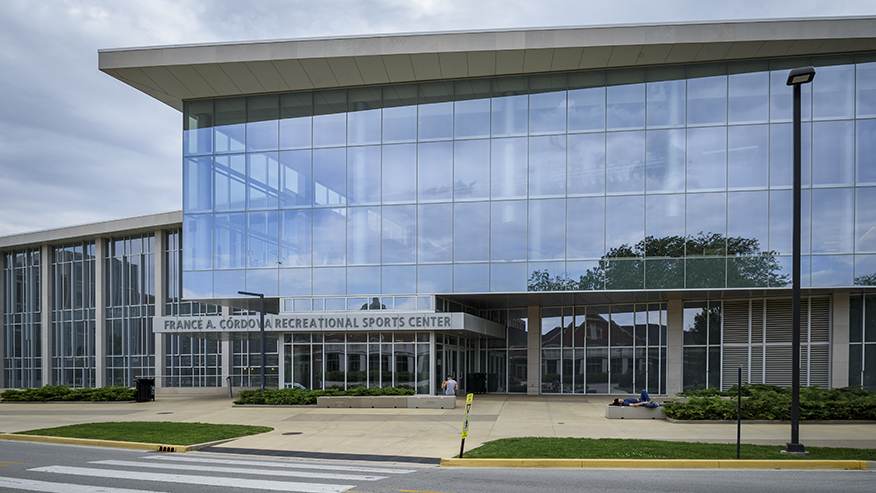
A research team led by Brandon Boor, associate professor in the Lyles School of Civil Engineering, published a new study in the journal Cell Reports Sustainability that states modern buildings continually release volatile organic compounds (VOCs) to outdoor air and are likely to be an important contributor to the VOC burden of the urban atmosphere. The team conducted direct measurements of outdoor-indoor air pollutant exchange in a high-performance office building using state-of-the-art air quality instrumentation and an advanced building automation platform.
“We traditionally think of filtering the outdoor air entering our buildings. Based on the findings of our study, we now need to consider cleaning the air leaving our offices, homes and schools to reduce VOC emissions to the outdoor environment,” Boor said.
Read more on the Lyles School of Civil Engineering website.
Media are encouraged to share, post and publish this content.
Media contact: Kayla Albert, wiles5@purdue.edu
Note to journalists:
More Purdue News

Purdue’s online cybersecurity degree, AI graduate certificate prepare professionals for emerging digital threats
October 22, 2026

Purdue professor to join Senate roundtable on veterans’ success and well-being
October 20, 2026
Purdue to host early and Election Day voting
October 19, 2026

Search for Amelia Earhart’s plane continues after Taraia Object expedition on Nikumaroro rules out latest hypothesis
October 18, 2026