Autonomous transport made more inclusive by Purdue
WEST LAFAYETTE, Ind. —
When Brad Duerstock was 18, a spinal cord injury paralyzed his arms and legs, requiring him to use what control he had left in his hands to operate a power wheelchair.
Throughout the more than 30 years since, Duerstock has seen smartphones, tablets and other types of technology get developed but not become usable for him or others with disabilities until years later. “It’s always been a retroactive accommodation,” he said.
Duerstock, a professor of practice in industrial engineering and biomedical engineering at Purdue University, is working to change that for autonomous vehicles while the technology is still in its early days. The goal is that when these vehicles start to hit the road everywhere, they will be able to accommodate anyone who wants to use them.
Read more on The Persistent Pursuit website.
Media are encouraged to share, post and publish this content.
Media contact: Derek Schultz, dcschultz@purdue.edu
More Purdue News
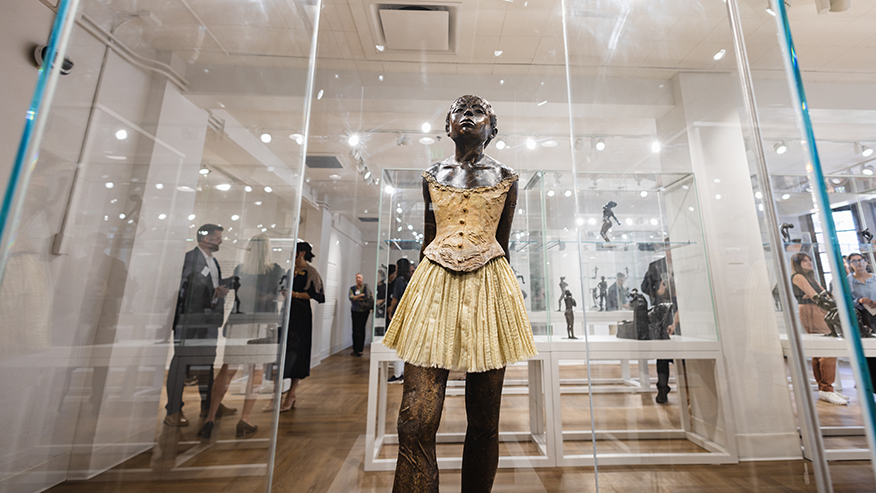
Purdue’s Degas collection will find new life across campuses
September 29, 2026
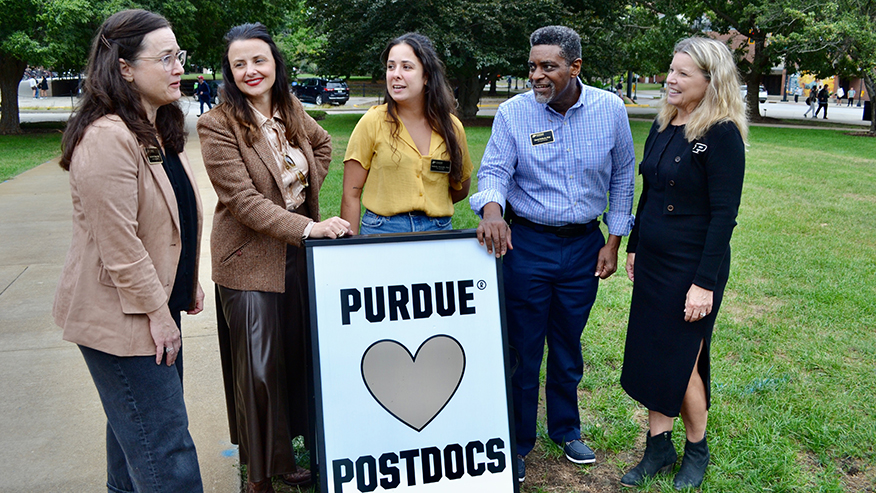
Purdue shines a light on postdoctoral scholars and their efforts, impact: ‘Their work matters’
September 29, 2026

1 week out: Countdown to the search for Amelia Earhart’s plane begins
September 28, 2026
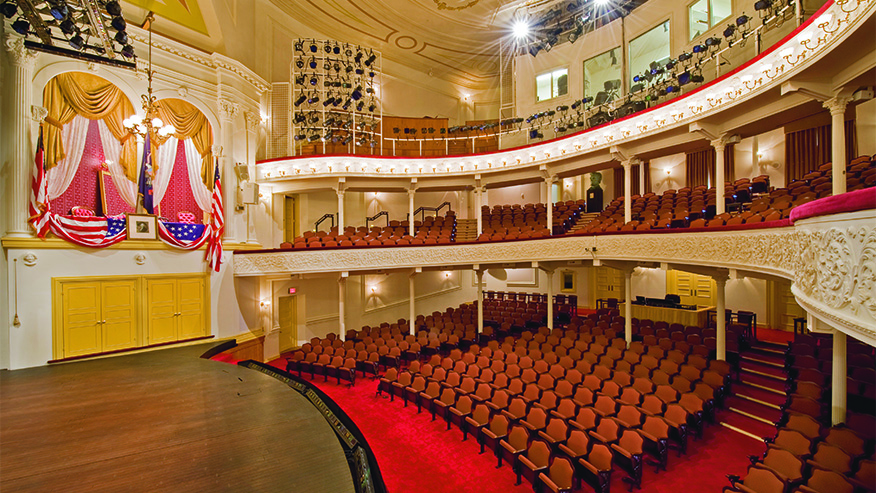
Daniels to join conversation at Ford’s Theatre on lessons from 9/11
September 25, 2026