Autonomous grasping robots will help future astronauts maintain space habitats

WEST LAFAYETTE, Ind. —
Purdue University researchers are using machine learning to train a robot to recognize a jumbled pile of items, locate the one item it needs and retrieve it in the most efficient way. It’s one small step to creating resilient and versatile robots that can assist astronauts in maintaining future extraterrestrial habitats on the moon, Mars or in deep space.
David Cappelleri, professor of mechanical engineering, works on robots at multiple scales: from agricultural robots powered by internet-of-things, to microrobots small enough to travel through the human body.
His latest challenge? Designing a robot that can autonomously perform maintenance on a space station.
More information is available on the Purdue School of Mechanical Engineering website.
Media are welcome to share, post and publish these stories, photos and videos.
Media contact: Brian Huchel, bhuchel@purdue.edu
More Purdue News

Purdue Research Foundation names Mark Lewis as first-ever chief national security officer
July 10, 2026

Purdue Brand Studio named Team of the Year at Ragan’s PR Daily Awards
July 8, 2026
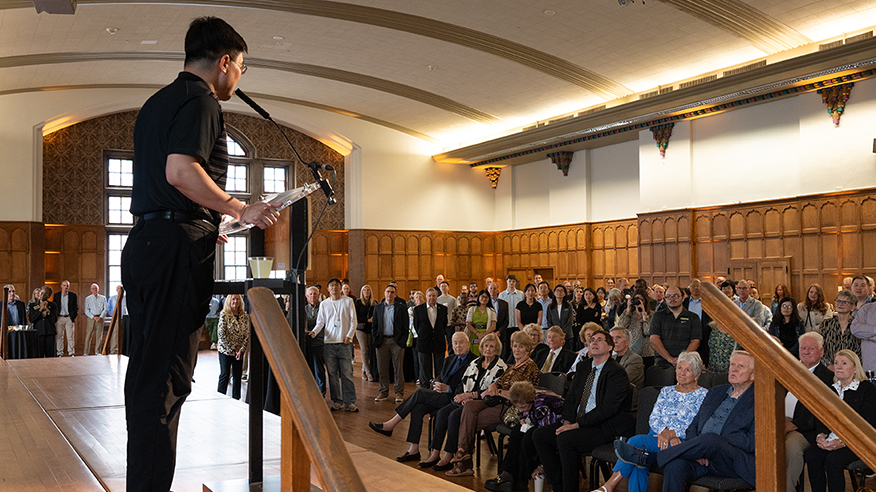
Boilermaker community honors departing President Chiang, family at farewell reception
June 30, 2026
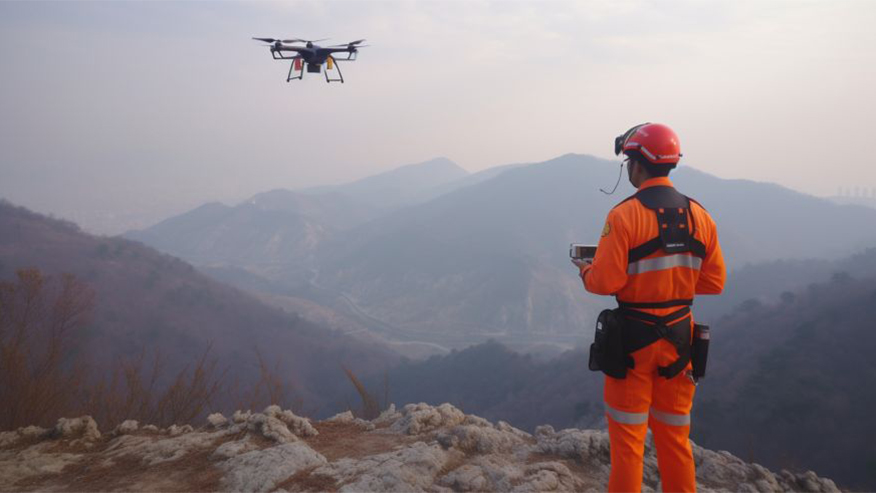
Purdue’s new graduate certificate prepares professionals for success in growing drone industry
June 15, 2026