WHAT WE OFFER
Explore what the Purdue Living Lab has to offer to all students.
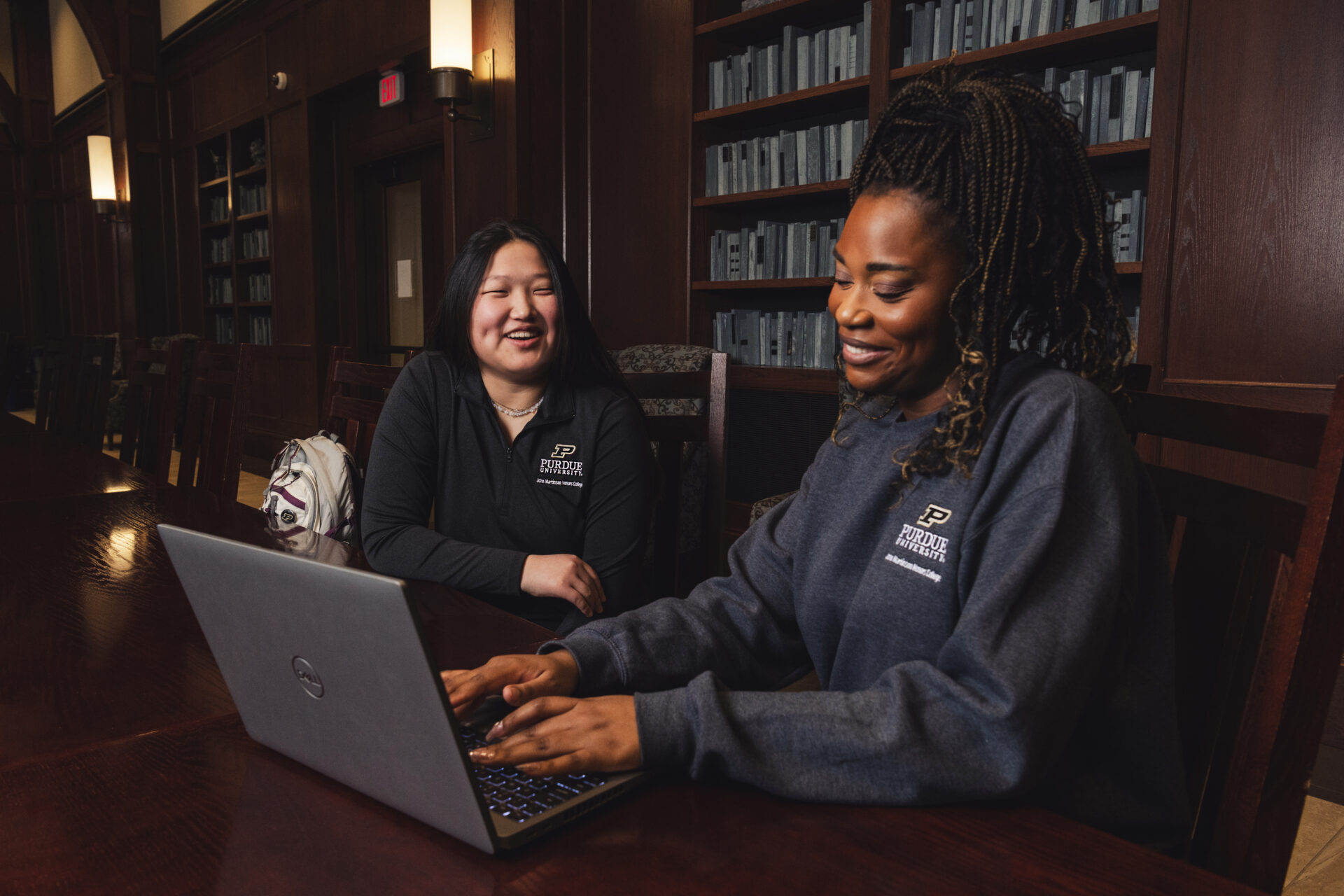
Project Based Experience
The Living Lab experience is a
resume-worthy experience. Many of our students have acquired jobs based on their experience in the lab. The Living Lab course can count as a valuable RISE credit.
HISTORY
The Full History of the Purdue Living Lab.
Purdue Living Lab Timeline
2001
In the Beginning
With the launch of new web development and programming courses, the CIT faculty required a server capable of running Microsoft IIS 4.0. However, university IT services declined the request due to security concerns. In response, the CIT department took the initiative to acquire and set up its own servers for instructional use. The first two machines were configured by the CIT systems engineer, who served as both a faculty member and the program coordinator.
2005
First Student Team
The first Living Lab group started with six students and expanded to 24 by Spring 2005. These students supported networking and security labs while managing an increasingly complex server environment, which had grown to 18 servers providing a wide range of services.
Mid 2000s
Curriculum Growth & Student Experience
As CIT’s networking curriculum expanded, students expressed concern about lacking the real-world experience needed for internships and jobs. In response, one student was mentored in systems administration, marking the true beginning of the Living Lab model. What started with a single student soon grew into a structured, team-based learning environment.
Today
The One-Stop Shop
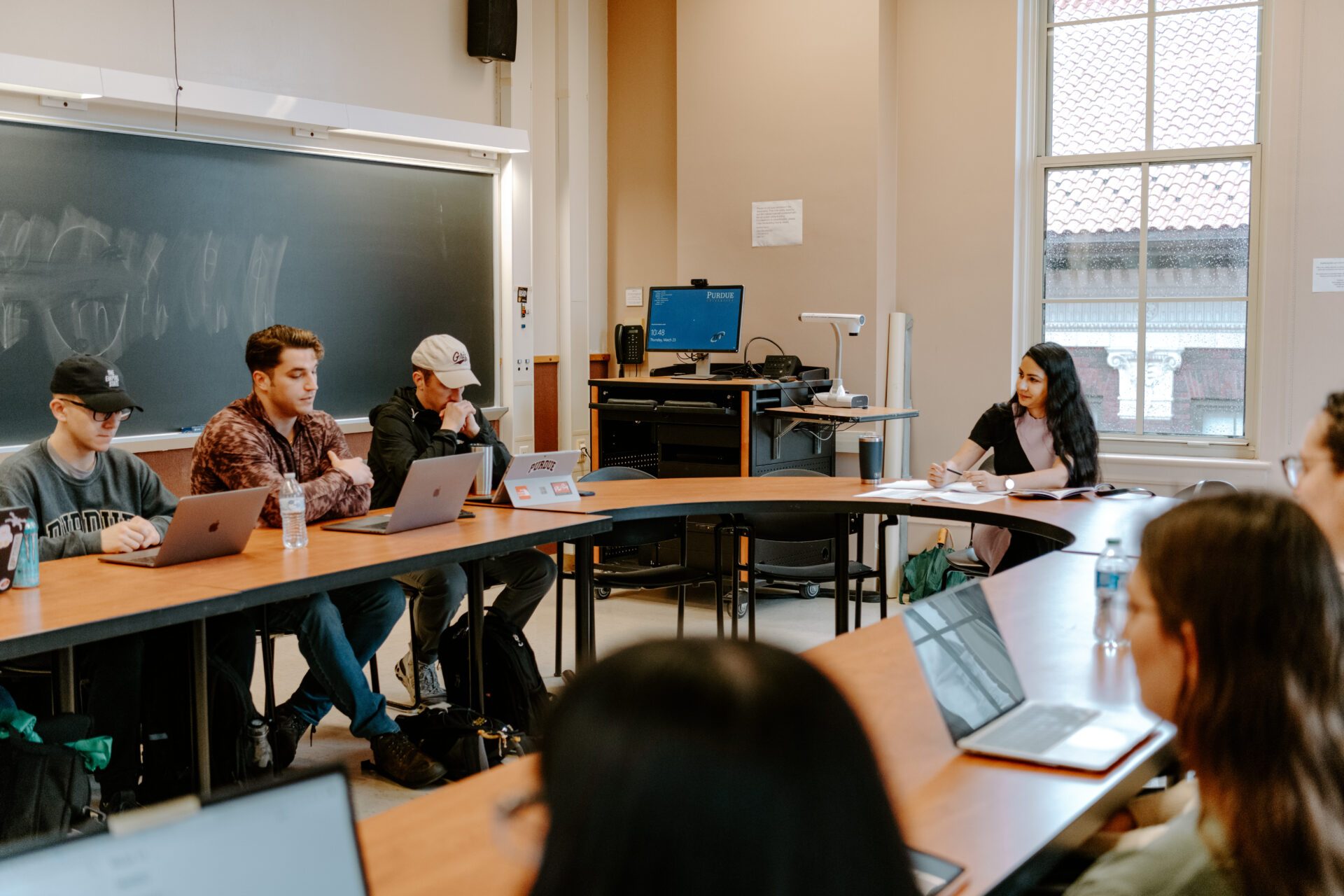
The Living Lab functions like an in-house IT department, where students apply skills in networking, security, databases, and web or application development. It supports both internal and external CIT-related projects, providing hands-on experience in a collaborative, real-world setting. Students participate in the Living Lab by enrolling in CIT 48500, a course that offers between 1 to 6 credit hours based on their level of involvement.
STAFF

FAQ
Here are some of the most common questions we receive about the Living Lab. Find answers to help you better understand what to expect from the program.
General Questions
The Living Lab is an opportunity for CIT students to bridge the gap between schoolwork and real-world projects.
Class meetings are 9 AM to 5 PM on Fridays in rooms ET 005 and 007. Students will be notified of any location or time changes via Brightspace.
The Living Lab is worth 1-6 credits. Undergraduate students typically choose to take 3 credits in one semester.
Projects and Work
Projects may range anywhere from updating servers, installing and configuring servers, reimaging lab machines, developing web applications, developing or interfacing database systems, IT security, and other IT-related research.
The projects assigned to students are either internal or external. Internal projects may involve system maintenance, new system implementation, or program development. External projects can involve any IT-related tasks that a client may need.