How the NCAA tournament impacts host cities – new video uploaded to AP Video Hub
WEST LAFAYETTE, Ind. —
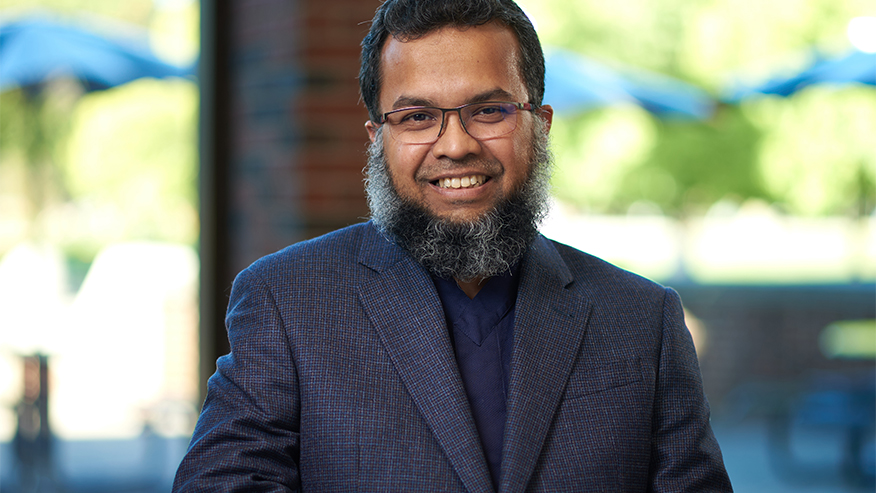
A video featuring Ben Van Kammen, a senior lecturer of economics in the Mitchell E. Daniels, Jr. School of Business at Purdue University, has been uploaded to the AP Video Hub. In the video, Van Kammen explains how large sporting events, such as the NCAA men’s basketball tournament, impact the economy of host cities. This video can be found at https://apvideohub.ap.org/detail/HowtheNCAAtournamentimpactshostcities/8f6f1943f34249fcb3deb3190b322b87. All videos in the Campus Insights series are free for download and use by all AP members and can be found at apvideohub.ap.org or by doing a general search on the Associated Press site. AP members may use the video or pull quotes for print articles, broadcasts or podcasts.
Storyline:
Ben Van Kammen, a senior lecturer of economics in the Mitchell E. Daniels, Jr. School of Business at Purdue University, says cities hosting large sporting events essentially see a diversion or reallocation of economic activity closer to where the event is taking place. He says there is no evidence that such events result in significant additional economic activity to cities. Foot traffic and spending may increase around the stadium, he says, but this activity comes from activities that people aren’t doing in other parts of the city. Additionally, residents may avoid crowded downtown areas and choose to spend their time and money elsewhere while the event is ongoing.
Research News
Purdue wearable AI device aims to improve epinephrine injections to treat anaphylaxis
October 14, 2026

‘Movies’ of interaction between light and matter help advance quantum tech
October 6, 2026
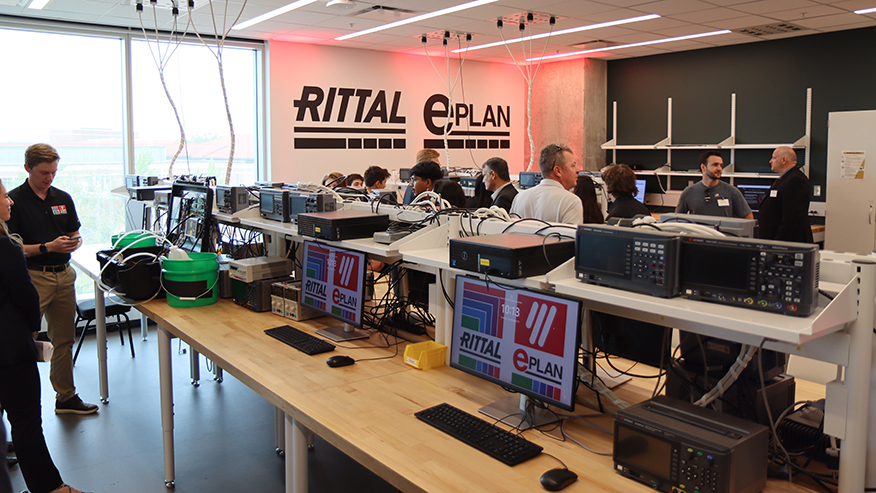
Purdue expands partnership with Rittal, Eplan with launch of engineering technology labs
September 16, 2026

Provost announces leadership appointments, promotions
September 14, 2026