Outreach Activities
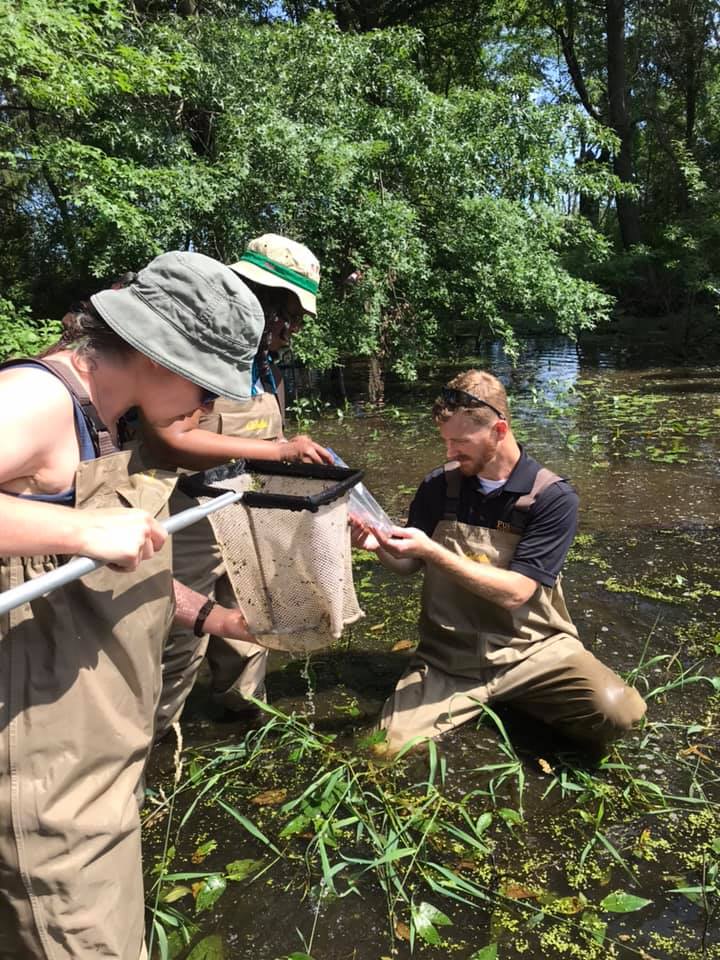
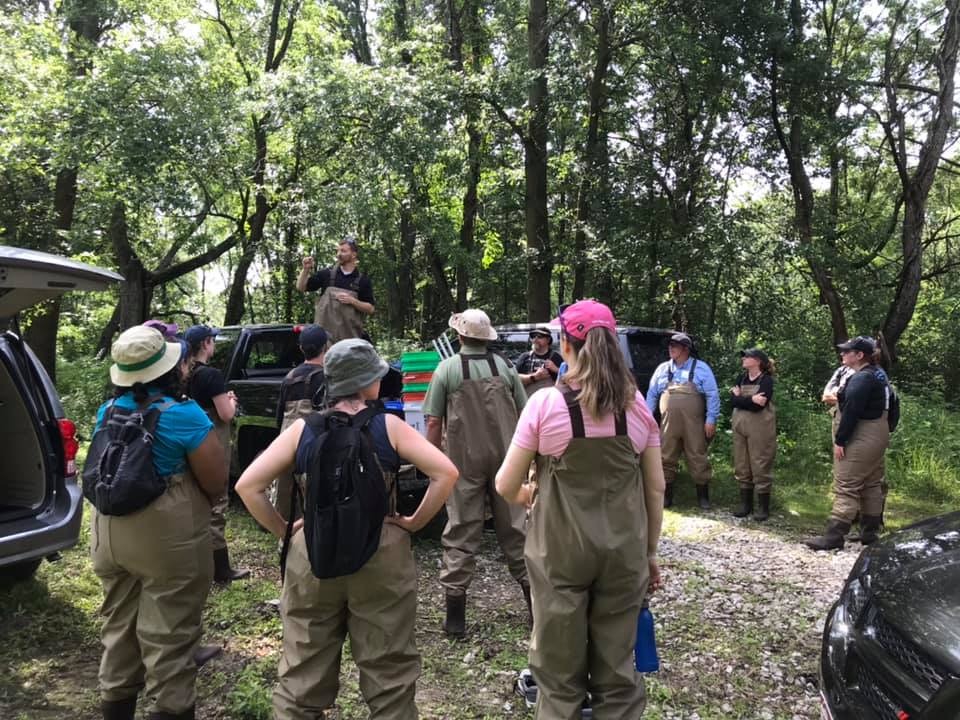
Ponds are great systems for engaging a broader audience in the ecology and conservation of aquatic systems. For instance, our research on aquatic organisms provides an excellent opportunity to display the ‘hidden’ diversity of species that reside below the water’s surface. We utilize public forums and outreach events to showcase the amazing species that live in local ponds and wetlands. These events also provide the opportunity to talk about issues of environmental and human health, which are at the forefront of issues of interest to the public.
Nature of Teaching Webinars
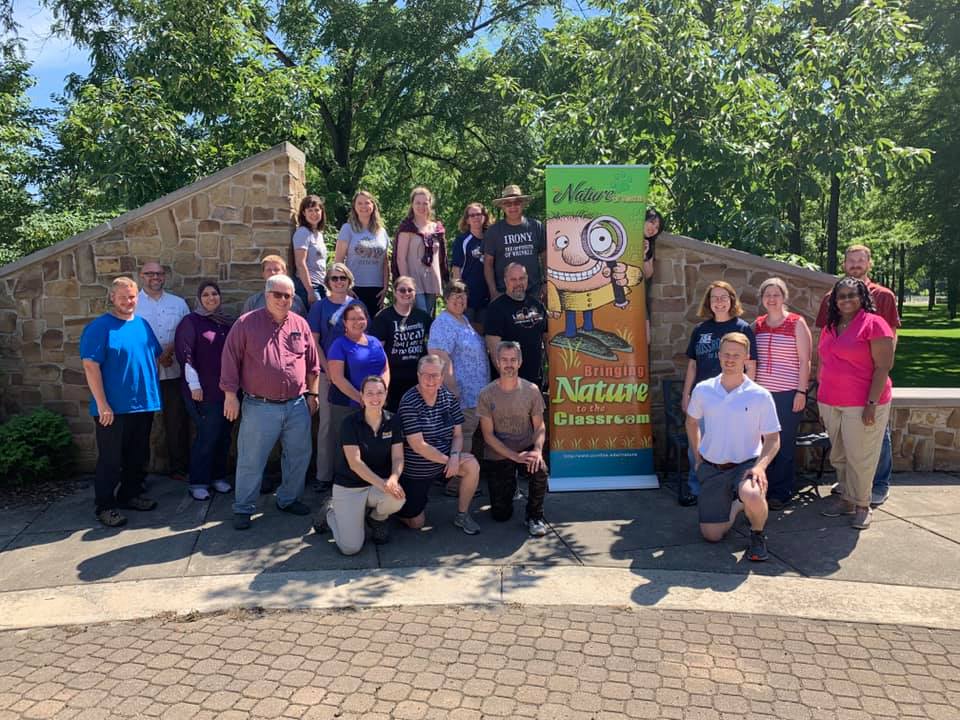
Generation to generation children are becoming more disconnected from nature. The Nature of Teaching creates an opportunity for students to learn about the outdoors. Workshops, state standard-based lesson plans and fun activities are just a few of the resources provided to learn more about natural resources, wildlife and the outdoors.
Ecotoxicology Part 1
What is ecotoxicology and what potential effects does humans have in harming or improving our environment? Rod Williams, a professor and extension wildlife specialist with Purdue University Extension, and Jason Hooverman, an associate professor at Purdue University and a co-author on the unit on ecotoxicology, will discuss the principles of ecotoxicology, contaminants, and threats to the freshwater ecosystems.
Outreach Publications
The lab also produces outreach publications to help educate the public on topics such as freshwater ecosystems, phenotypic plasticity, and disease ecology. For example, we have published extension products on amphibian pathogens targeting wildlife professionals in Indiana and researchers across the United States. The goal of these publications is to inform wildlife biologists of the natural history of pathogens and the threat they pose to amphibian populations. In collaboration with Brian MacGowan at Purdue, we are working on larval and adult amphibian field guides. These guides are intended to help wildlife biologists in Indiana with the identification of native species and will be used in FNR courses taught by Drs. Hoverman and Williams. Click on the links below to view our outreach publications.
- Billet, L., JT Hoverman, R Koetz, RN Williams. 2020. The Nature of Teaching Unit 7: Ecotoxicology & Environmental Health. Purdue University Cooperative Extension Service, West Lafayette, IN. FNR-595-W.
- Billet, L., JT Hoverman, R Koetz, RN Williams. 2020. The Nature of Teaching Unit 6: Disease Ecology. Purdue University Cooperative Extension Service, West Lafayette, IN. FNR-594-W.
- Williams, RN, BJ MacGowan, Z Walker, JT Hoverman, and N Burgmeier. 2017. Frogs and Toads of Indiana. Purdue University Cooperative Extension Service, West Lafayette, IN. FNR-516.
- Hoverman, JT, Z Olson, S LaGrange, J Grant, and RN Williams. 2015. A guide to larval amphibian identification in the field and laboratory. Purdue University Cooperative Extension Service, West Lafayette, IN. FNR-496-W.
- Wuerthner, V and JT Hoverman. 2014. Salamanders in a world of pathogens. Partners in Amphibian and Reptile Conservation. Year of the Salamander June Newsletter.
- Winzeler, M, S LaGrange, and JT Hoverman. 2014. Ranaviruses: Emerging threat to amphibians. Purdue University Cooperative Extension Service, West Lafayette, IN. FNR-485-W.
- Hoverman, JT and PTJ Johnson. 2012. Lakes and ponds: A journey through the life aquatic. Nature Education Knowledge. 3(6):17.
- Hoverman, JT. October 2010. Predator-induced plasticity. In: Encyclopedia of Life Sciences (ELS). John Wiley & Sons, Ltd: Chichester. (DOI: 10.1002/9780470015902.a0003305.pub2)
- Hoverman, JT. 2009. The bacterium Aeromonas hydrophila in amphibian populations. Southeastern Partners in Amphibian and Reptile Conservation, Disease, Pathogens and Parasites Task Team, Information Sheet #3. (http://www.separc.org/).
- Gray, MJ, DL Miller, and JT Hoverman. 2009. Ranaviruses of amphibians in the southeastern United States. Southeastern Partners in Amphibian and Reptile Conservation, Disease, Pathogens and Parasites Task Team, Information Sheet #1. (http://www.separc.org/).
- Gray, MJ and JT Hoverman. 2008. Ranavirus: An amphibian pathogen of global concern. Tennessee Herpetological Society Newsletter. Fall 2008, Volume 4.