|
Purdue University on Friday (June 12) released the Protect Purdue Plan, a comprehensive and scientifically based strategy to prepare the campus and community for the fall 2020 semester.
|
|
|
|
|
|
|
|
A doctor can quickly get an idea of whether someone is anemic by pulling down the person’s eyelid and judging its redness, a color indicating the number of red blood cells. But even a doctor’s eye isn’t precise enough to give a diagnosis without getting a blood sample from the patient.
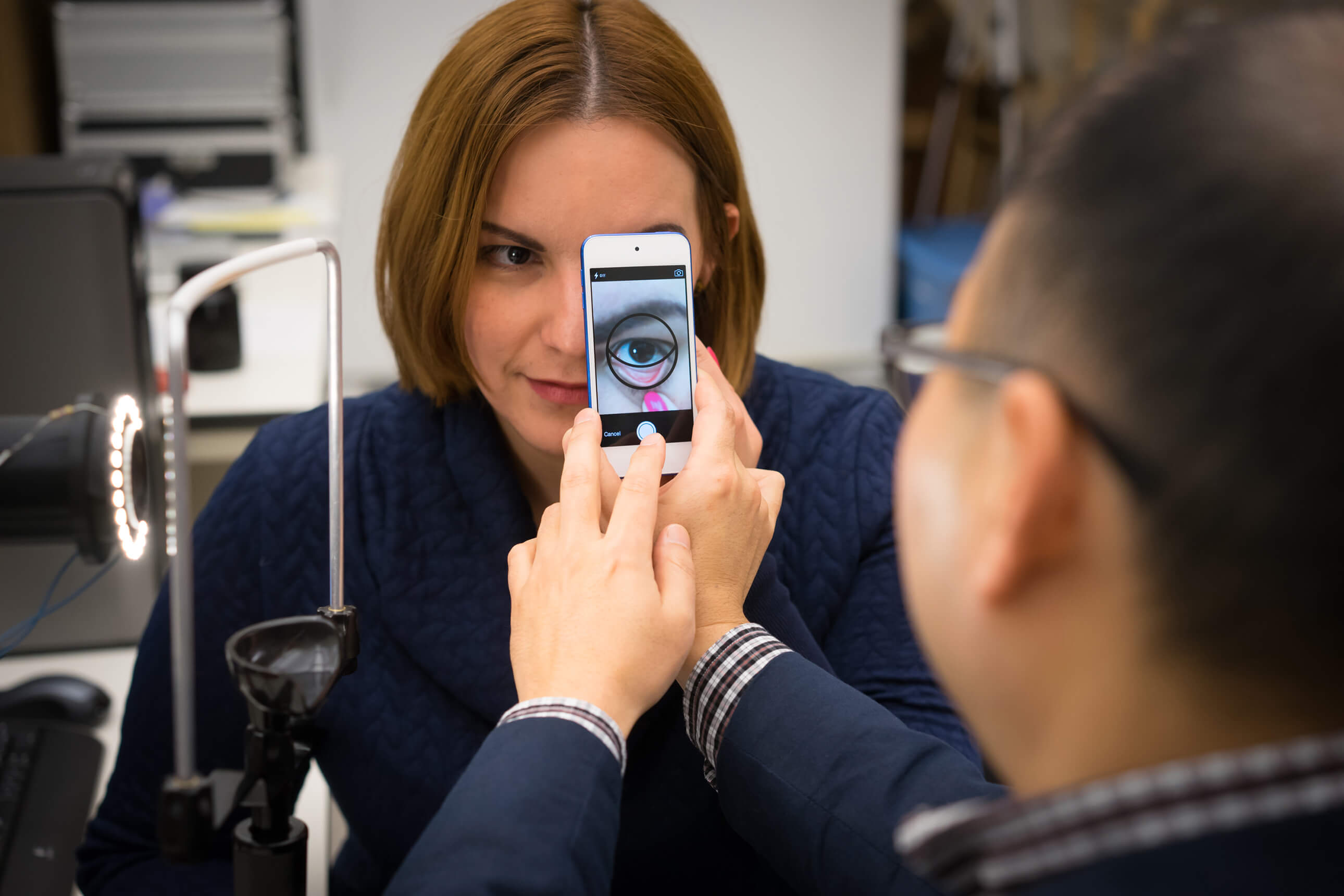
Purdue engineers have developed software that would enable medical staff to take a picture of a patient’s inner eyelid with a smartphone and instantly receive a near-accurate count of hemoglobin, a protein in red blood cells.
|
|
|
|
|
|
|
|
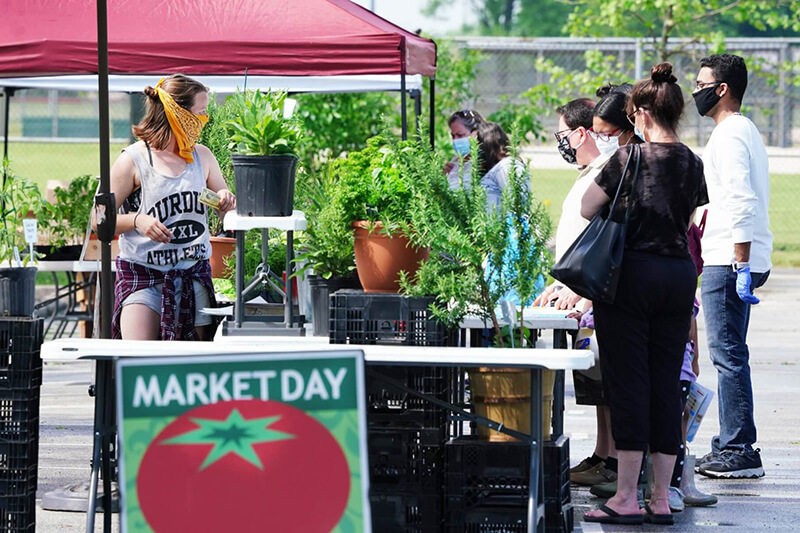
Farmers markets in Indiana are organized at the local level, subject to county health authorities and regulations. Under normal circumstances, these rules don’t differ much from town to town, says Tamara Benjamin, assistant program leader for diversified food and farming systems for Purdue Extension. In the era of COVID-19, however, the regulations dictating safety standards to vendors and visitors can vary drastically. |
|
|
|
|
|
|
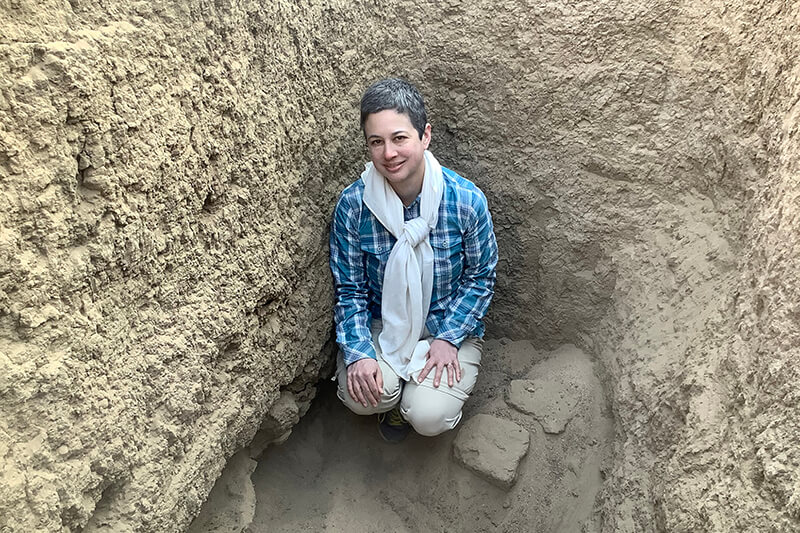
Michele Buzon, professor of anthropology, is a bioarchaeologist who spent six weeks this year excavating in the Nile River Valley to better understand the ancient Nubian and Egyptian civilizations from 3,000 years ago. A new photo gallery shows Buzon’s 10th excavation – or field season – in the Nubian region of modern-day Sudan as she seeks to learn more about the cultural interactions and entanglements between these two cultures. |
|
|
|
|
|
|
|
Here is a sampling of recent news reports about Purdue from media across the nation and the world. | |
|---|
|
|---|
|
|
|
|
| Purdue Today is the official Purdue University communication for faculty and staff |
|
|
|
|