The Purdue Small Farm Education Field Day was held July 23 at the Purdue Student Farm in West Lafayette, drawing 48 attendees from across Indiana for a day of hands-on demonstrations tailored to small-scale and diversified growers. Topics ranged from cut flower production and season extension to nematode management, postharvest sanitation, and mushroom cultivation, with several on-demand sessions offered after lunch.
Flower Production
Laura Ingwell, Entomology; Wenjing Guan, Horticulture & Landscape Architecture; Jayde Grisham, Purdue Extension
A team of Extension educators and specialists walked attendees through the full arc of cut flower production, from seed to sale. Using several demonstration species, the session covered seeding strategies, planting density, the benefits of protected culture, insect and disease management, and harvesting, marketing, and sales — a practical primer for growers considering cut flowers as a profitable addition to their operation.
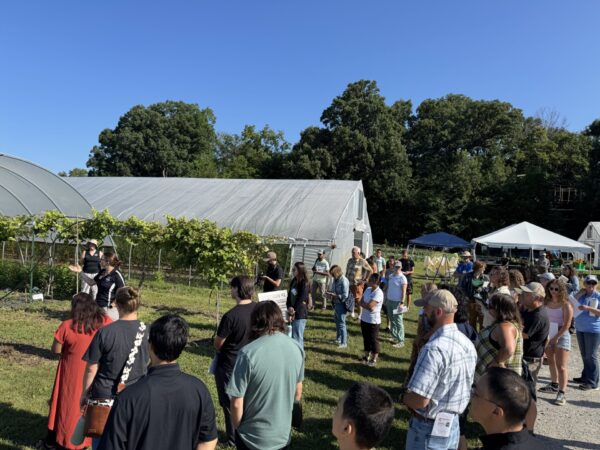
Figure 1. Small Farm Education field day attendees listen to Laura Ingwell, Wenjing Guan and Jayde Grisham talk about flower production in between rows of grapevines (Photo by Petrus Langenhoven).
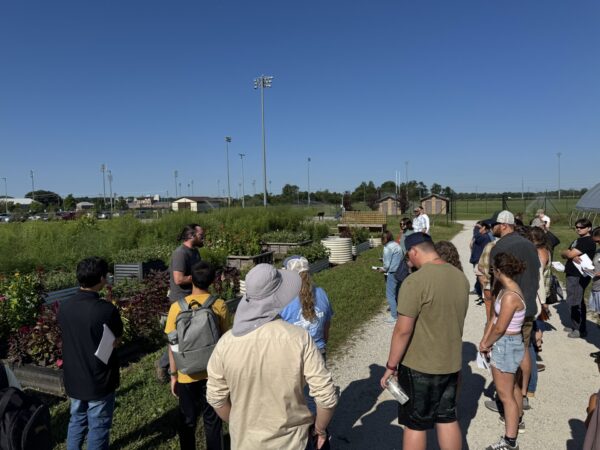
Figure 2. Small Farm Education field day attendees listen to Chris Adair talk about flower production in raised beds (Photo by Petrus Langenhoven).
Managing Root-Knot Nematodes in High-Tunnel Tomato Production Using Microbial Approaches
Vijay Kunwar, Chenmi Mo, and Lei Zhang, Botany and Plant Pathology; Wenjing Guan, Horticulture & Landscape Architecture
High tunnels extend the season and improve tomato quality, but the warm, consistently moist soil and repeated tomato plantings they favor can also allow root-knot nematodes to build up over time. This session examined how RKNs damage tomato roots — causing galls that reduce water and nutrient uptake and lead to stunting, chlorosis, and yield loss — and explored microbial approaches for managing them.
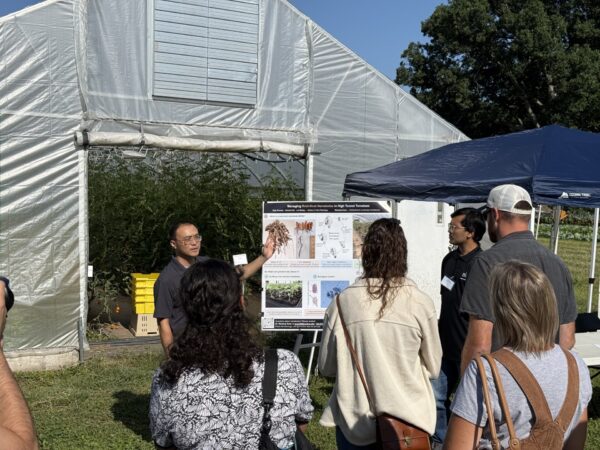
Figure 3. Small Farm Education field day attendees listen to Lei Zhang talk about managing root-knot nematode in high tunnel tomato production (Photo by Pam Fisher).
Grow Longer, Grow Smarter: Choosing, Building, and Managing Season Extension Structures for Small Farms
Petrus Langenhoven and Alex Snabes, Horticulture & Landscape Architecture
This demonstration covered practical options for low tunnel construction and management, from bending your own hoops with hardware-store materials to commercially available wire systems like the Lowcat tunnel. Attendees saw the tools and materials needed, watched structures assembled in the field, and learned strategies for maintaining and extending the life of season-extension systems — whether the goal is earlier transplanting, frost and insect protection, or a longer fall harvest.
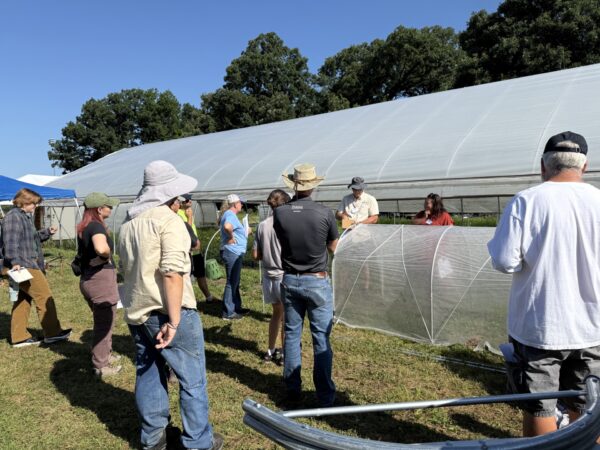
Figure 4. Small Farm Education field day attendees listen to Petrus Langenhoven talk about the benefits and construction of low tunnels (Photo by Pam Fisher).
Scouting: An Essential Part of an IPM Program
Laura Ingwell, Entomology
Focused on high tunnel production systems, this session reviewed tools and technology platforms for insect scouting, what to watch for in terms of both pests and beneficials, and how to integrate iNaturalist as a digital record book and diagnostic assistant.
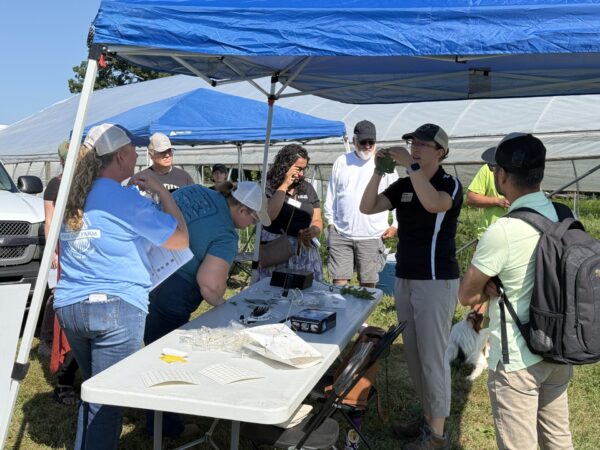
Figure 5. Small Farm Education field day attendees listen to Laura Ingwell talk about scouting as an essential part of integrated pest management (Photo by Pam Fisher).
Tarpin’ Taters
Steve Meyers, Horticulture & Landscape Architecture
Silage tarps are a familiar weed management tool on small farms, but their potential for early-season weed suppression in potatoes is less well understood. This stop shared four growing seasons of data on the best ways to use silage tarps for early-season weed management in potato production.
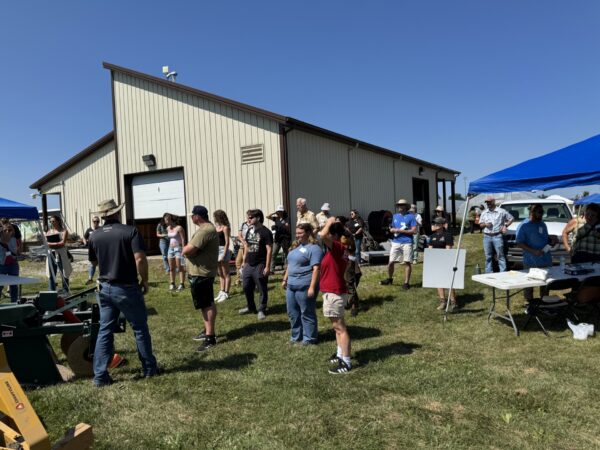
Figure 6. Small Farm Education field day attendees listen to Steve Meyers talk about weed management techniques in potato production (Photo by Petrus Langenhoven).
Rinse for Results: Cleaner Produce, Longer Shelf-Life
Amanda Deering and Scott Monroe, Entomology; Chris Adair, Horticulture & Landscape Architecture
Fresh produce can carry surface bacteria that shorten shelf life and raise safety concerns. This demonstration showed how a vegetable washing system paired with an approved sanitizer removes dirt, debris, and harmful microorganisms like E. coli and Salmonella — reducing contamination, slowing spoilage, and helping growers maintain quality and extend shelf-life during storage.
After-Lunch On-Demand Demonstrations
Building Ag Resources through Black Soldier Fly Rearing — Laura Ingwell, Entomology. Attendees learned how black soldier flies can be integrated into a small farm operation to recycle organic waste into two valuable agricultural resources: fertilizer and feed.
From Field to Vase: Market Morning Blooms — Karen Mitchell, Horticulture & Landscape Architecture. A relaxed, hands-on session using freshly cut, field-grown flowers, where attendees learned to arrange simple stems into natural bouquets while picking up tips on post-harvest stem care and sustainable approaches to seasonal blooms.
Choosing the Right Sweet Pepper Varieties for High Tunnel Success in Indiana — Petrus Langenhoven and Alexandria Snabes, Horticulture & Landscape Architecture. Drawing on evaluations of more than forty sweet bell and tapered pepper varieties conducted since 2018, this session presented 2025 performance data from the Purdue Student Farm, covering production metrics, disease resistance, yield potential, and quality for colored bell and tapered types. Attendees also got a first look at the varieties selected for the 2026 trials and the reasoning behind those choices.
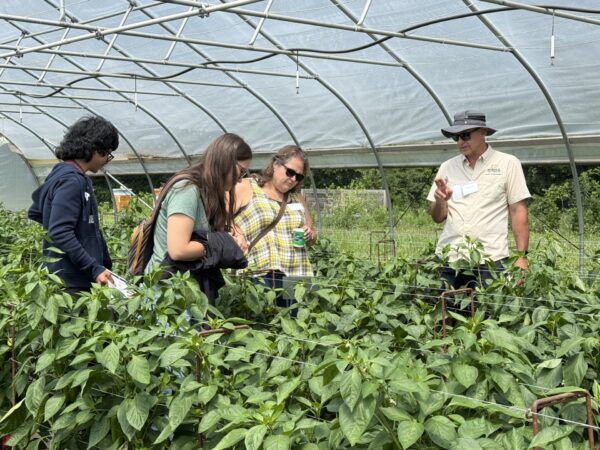
Figure 7. Small Farm Education field day attendees listen to Petrus Langenhoven talk about high tunnel pepper production and variety selection (Photo by Pam Fisher).
Thank you to all of the presenters and volunteers who made this year’s Small Farm Education Field Day possible, and to the 48 growers and Extension partners who joined us at the Student Farm.
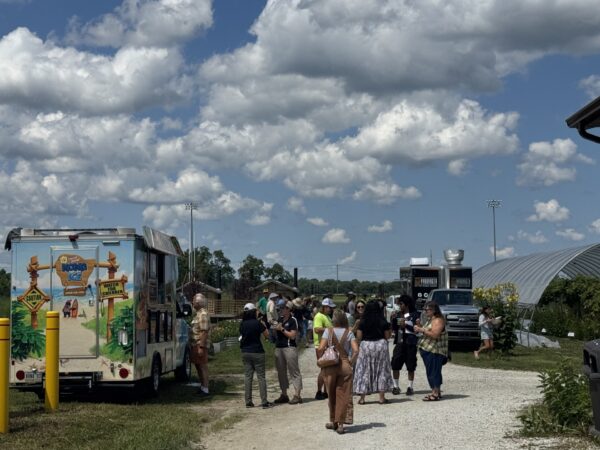
Figure 8. Attendees networking at the 2026 Small Farm Education field day (Photo by Petrus Langenhoven).