Online Master of Public Health student publishes innovative solution for helping homeless populations manage diabetes
Written By: Rebecca Hoffa, rhoffa@purdue.edu
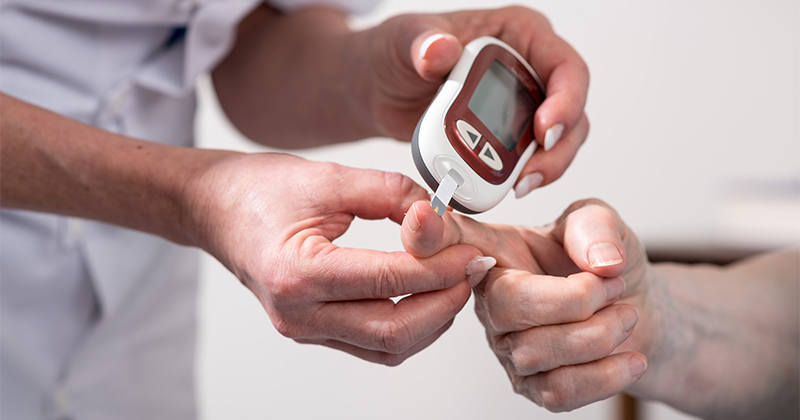
For Troy Goss, an online Master of Public Health student in the Purdue University Department of Public Health, nearly everything can be connected to public health — from economics to housing and beyond.
Recently published in UAID’s Journal of Health Equity, Goss has put that idea into practice, exploring an actionable intervention for helping diabetic individuals experiencing homelessness to manage their chronic disease.
“Diabetes is a very manageable disease, but if it’s unmanaged, it can affect people dramatically,” Goss said. “Homeless people are already having a tough time. They don’t need to add amputated limbs to the mix, especially when we have everything available that they would need to prevent it.”
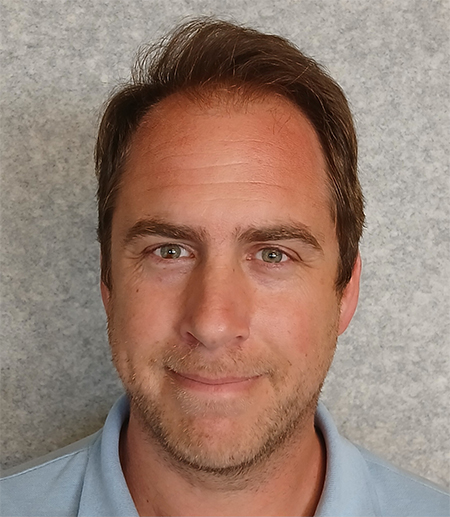
Troy Goss(Photo provided)
The idea behind the paper, which originated in Goss’ PUBH 60200 (Theoretical Foundations of Health Behavior) course with lecturer Melissa Kenzig, came from discussing his wife’s experiences as a hospital nurse caring for homeless individuals who were struggling to manage their diabetes. She had told Goss about the serious health consequences that often resulted in this population.
“You can see when you’re dealing with homelessness and you’re worried about survival, managing something like diabetes — whether they know they have it or not — kind of takes a back seat, but it can have really big ramifications later on,” Goss said.
Goss’ proposed solution, which he detailed in the paper, focused on using mobile health clinics to help homeless people manage their diabetes through providing blood glucose monitoring, diabetes education and on-site medication dispensation.
“Doing the research for the paper, I found there’s not a lot of good information on the problem in the United States about how prevalent diabetes is among homeless people,” Goss said. “Getting to the proposed intervention took some creative thinking because you don’t have the explicit data saying that this is the level of the problem or these are the specific areas where the mismanagement is coming in. In the intervention I propose, I was trying to be conscientious of the cost because these things generally don’t get a ton of funding, but for an affordable cost, you could still have a big impact. Because of the transient nature of homeless people, it’s best to meet them where they’re at.”
Work like this has encouraged Goss to continue building on his work in health disparities, not only continuing his focus on diabetes and homelessness, but also looking at other important public health areas, such as vaccines and influencing health policy. Working on his MPH at Purdue has helped him build the skills to make a greater impact. As an MPH student, Goss has also joined the American Public Health Association and Southern California Public Health Association to further build connections in the field.
“Health disparities are almost the point of public health,” Goss said. “You look for where there are health inequities and where they need to be shored up, where people need the help and how to help them in striking that balance of interventions that will work but are reasonable and feasible. I’m gaining a lot of new skills throughout the courses at Purdue that are helping that immensely.”
Goss noted that as a full-time project manager and a father of two young children, Purdue University Online’s flexible, online Master of Public Health program in the College of Health and Human Sciences allowed him to easily juggle his priorities while also advancing his career.
“I liked that it was online so it could work for me with having kids and working full-time, and the icing on the cake was that Purdue was affordable and hasn’t raised their tuition costs in 14 years,” Goss said. “The professors at Purdue have been very open to giving their time for meetings, guidance or advice. I’ve taken advantage of that because you can get a lot of valuable insight, and it helps you develop relationships.”
As Goss continues to build his skills and experience, he plans to pursue a career with a local public health department in California, where he resides, after graduating with his MPH.
“Hopefully by the time I’m done, I can not only say it’s something I’m interested in continuing to work in, but I’ll have a body of work that shows I have the skills needed to continue that work at a higher level,” Goss said.
Discover more from News | College of Health and Human Sciences
Subscribe to get the latest posts sent to your email.