|
Human Resources – Benefits is alerting employees that system issues with Anthem are causing claims to process incorrectly. While Anthem works to resolve the issue, all claims processing has been put on hold.
|
|
|
|
|
|
|
|
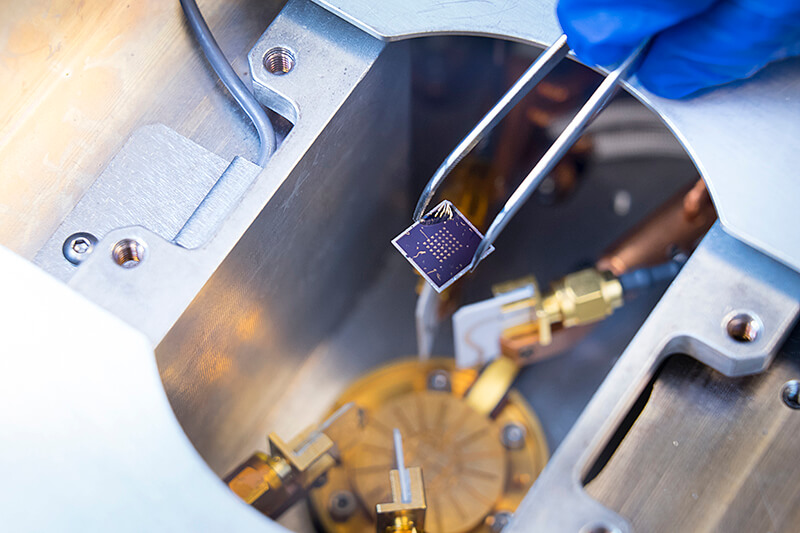
A computer chip processes and stores information using two different devices. If engineers could combine these devices into one or put them next to each other, then there would be more space on a chip, making it faster and more powerful. Purdue engineers have developed a way that the millions of tiny switches used to process information – called transistors – could also store that information as one device.
|
|
|
|
|
|
|
|
“The Poison Squad,” a PBS documentary airing at 9 tonight (Jan. 28), tells the story of government chemist Dr. Harvey Wiley, one of Purdue’s first chemistry professors and Indiana’s first state chemist. Wiley worked to regulate the safety of food and drugs and is known as the “Father of the Pure Food and Drugs Act.” In 1901, Wiley set out to prove Americans were being harmed by chemicals in food and organized volunteers for human trials to test the effects of chemical food preservatives. |
|
|
|
|
|
|
|
Manufacturing prescription drugs with distinct markings, colors, shapes or packaging isn’t enough to protect them from counterfeiting, U.S. Drug Enforcement Administration reports have shown. Purdue researchers are aiming to stump counterfeiters with an edible “security tag” embedded into medicine. To imitate the drug, a counterfeiter would have to uncrack a complicated puzzle of patterns not fully visible to the naked eye.
|
|
|
|
|
|
|
|
Here is a sampling of recent news reports about Purdue from media across the nation and the world. | |
|---|
|
|---|
|
|
|
|
| Purdue Today is the official Purdue University communication for faculty and staff |
|
|
|
|