|
Faculty, staff and students are invited to learn more about campus accessibility resources on May 16 for Global Accessibility Awareness Day, an annual event to promote digital (web, software, mobile) access and inclusion for people with disabilities.
|
|
|
|
|
|
|
|
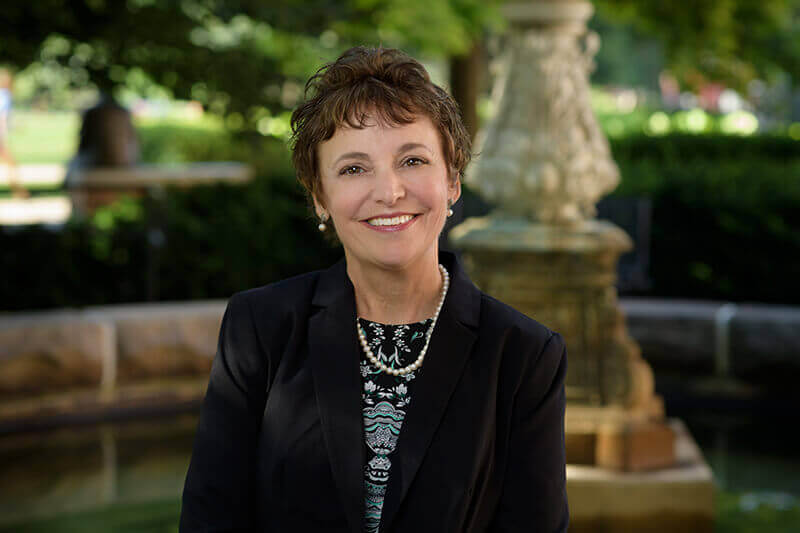
The sesquicentennial celebration marks a time for Purdue to renew its commitment to growth, discovery and innovation. What giant leaps will the next 150 years bring as Purdue continues its drive to meet the world's future challenges? In this monthly Purdue Today series, Purdue's deans will share their thoughts on the future of their college over the next 150 years. The series continues with Nancy E. Marchand-Martella, dean of the College of Education.
|
|
|
|
|
|
|
|
|
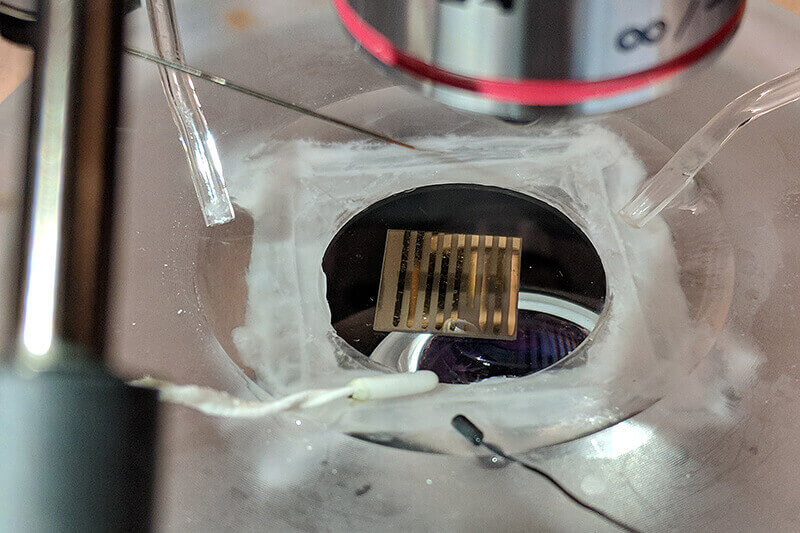
What if the brain could detect its own disease? Researchers have been trying to create a material that “thinks” like the brain does, which would be more sensitive to early signs of neurological diseases such as Parkinson’s. Thinking is a long way off, but Purdue and Argonne National Laboratory researchers have engineered a new material that can at least “listen.”
|
|
|
|
|
|
|
|
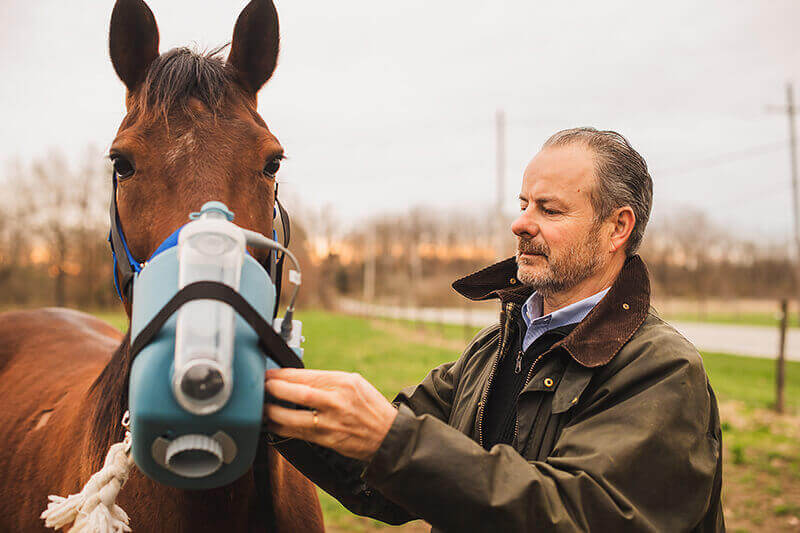
From chariot racing in ancient Rome to the modern Kentucky Derby, horse racing has been celebrated in some form for more than a thousand years. Whether the horses’ hooves were pounding around in a dirt-filled coliseum or a racetrack surrounded by spectators in wide-brimmed hats, they probably had one thing in common: asthma.
|
|
|
|
|
|
|
|
Here is a sampling of recent news reports about Purdue from media across the nation and the world. | |
|---|
|
|---|
|
|
|
|
| Purdue Today is the official Purdue University communication for faculty and staff |
|
|
|
|