Learning Objectives
From reading and studying this chapter, you should be able to:
- Discuss major plant selection issues that should be considered in plant selection
- Understand plant adaptability as it relates to cold hardiness, light, and soil moisture requirements
- Identify 127 woody landscape plants based on visual recognition
- Select appropriate landscape plants for specific site conditions and functions
Introductory Comments
Learning to identify 127 woody landscape plants will be challenging for many. Begin by grouping the plants and studying together those having similar characteristics. This booklet has divided these plants in groups of trees, shrubs, and vines and groundcovers. You might consider breaking these groups down further into evergreen and deciduous trees and shrubs. Other groupings you might create could be based on seasonal interest. For example, learning all plants together based on similar flower or fruit colors. Experiment with your own groupings to see what works best for you.
Next, study the plant images available on the CD (and internet links), and then begin associating each picture with the correct plant common name. Once you can associate names with plants, then begin learning the size, flower color, light and soil moisture requirements, and the other characteristics presented for each plant. Getting to know plants by sight and familiarity is like getting to know your neighbors, and you will be surprised at how rewarding this recognition can be. Then you’ll want to learn more about the ornamental characteristics of each plant and how it can be used in the landscape.
Plant Selection
Selecting plants to fulfill the intent of the landscape design requires knowledge about the broad landscape characteristics and site requirements of plants. Although many different methods might be followed in plant selection, there are five “plant selection issues” that should always be considered for each plant, 1) esthetics, 2) adaptation, 3) function, 4) maintenance, and 5) cost. Plant esthetics relates to the plant’s appearance on the site, and how it combines with other landscape elements. Major esthetic considerations for an individual plant are color (leaf, flower, fruit, and bark), form, texture, and size. Choosing plants that quickly grow too large for the intended site is a common mistake. Adaptation relates to the plant’s ability to grow and thrive in particular site conditions. Important considerations include plant adaptation to winter and summer temperature extremes, sun vs. shade, wet soil vs. dry soil, optimum soil acidity or alkalinity, and wind tolerance. Function in the landscape relates to the plant’s role in the environment. For example, the plant may be needed to provide shade, prevent soil erosion, or provide a barrier to wind, traffic noise, or an undesirable view. Important maintenance issues include the requirement for pruning to maintain a desired size or habit, the need for insecticides or fungicides to control pests, irrigation water to support drought susceptible plants, or the clean-up needed under plants that drop many twigs or fruits. Finally, the cost of the plants themselves and their maintenance is obviously an important consideration.
Woody Landscape Plant Descriptions
On the following pages you will find information on 127 unique woody plant species that you will be expected to know for examination purposes. For more information on these and other landscape plants, see Michael A. Dirr’s book entitled “Manual of Woody Landscape Plants” and/or Harrison L. Flint’s book “Landscape Plants for Eastern North America”, and the internet links referenced below.
Special Terminology Used in the Plant Description Pages that Follow
Origin
Plants are classified here as native, exotic, or hybrid. Native indicates the plant is found in natural populations growing in North America. Exotic indicates plants introduced to North America from other continents. Hybrid indicates the plant is the result of a cross between two different species. The “x” used in scientific names simply indicates that the plant is of hybrid origin.
Zone
This refers to the United States Department of Agriculture (USDA) Hardiness Zones established by the U.S. National Arboretum describing the average coldest temperature in winter. The numbers provided in the plant descriptions of this packet identify the Northern-most zone in which the plant will grow without regular winter damage. To access the USDA Hardiness Zone map in color and further information on hardiness zones, go to: https://planthardiness.ars.usda.gov/
Function
Provided are examples of common landscape usages of these plants. This list is not inclusive of all possible functions and uses.
Height and Spread
The sizes listed here are to be considered loose approximations of each plant’s mature and functional size. Mature sizes listed are typical height and spread ranges attained at developmental maturity, at which time growth rate slows considerably in most cases. The size attained by plants growing in especially good or poor conditions may vary accordingly. Variation in plant genotypes, as would occur for example in seed propagated stock, or in cultivars, may also influence functional sizes.
Form
Provided is a short description of the general shape and growth habit of a typical mature specimen. As for size, the form and growth habit can be influenced by genotype and environment.
Seasonal Interest
Described are one or more major seasons of interest, and the associated esthetic feature. The most distinctive traits are usually colorful flowers, foliage, fruits, and stems, and as such, these are emphasized in this category. It should also be considered however that plants often possess interesting forms and textures, and numerous other subtle visual characters that influence plant esthetics in various seasons.
Light
The optimum exposure to solar radiation for each plant is presented as either full sun (more than 6 hours direct sunlight), partial shade (2 to 6 hours of direct sunlight), or shade (less than 2 hours of direct sunlight). Shade does not mean complete darkness, but instead complete to nearly complete screening from direct sunlight.
Soil Moisture
This description should be thought of as a range of soil moisture conditions in which the plant grows well. Importantly, the term “wet soil” used here does not mean standing water (unless indicated), but instead a very moist soil approaching water saturation.
Limitations
Loosely defined, plants generally have one or more limitations or weaknesses as it relates to usage in the landscape. Presented are important limitations that should be considered during the plant selection process.
Cultivars
A plant variety that has been produced in cultivation by selective breeding. As a reflection of the genetic diversity available, the number of useful cultivars (and varieties) for each species is classified as none, limited, or many. This classification is subjective, being partially influenced by cultivars available in the nursery trade.
Native Species
A plant species that occurs in natural plant communities in a particular area without human introduction. Native plant species have formed symbiotic relationships with native wildlife and offer the most sustainable habitat, as compared to non-native species. Native plant species are defined both regionally and within a state.
For Additional Reading
- Deam, C.C. 1940. Flora of Indiana. Department of Conservation, Division of Forestry, Indianapolis, IN.
- Dirr, M.A. 1998. Manual of Woody Landscape Plants. Stipes Publishing Company. Champaign, Illinois.
- Flint, H.L. 1997. Landscape Plants for Eastern North America, 2nd ed.. Wiley-Interscience, New York.
- Rehder, A. 1986. Manual of Cultivated Trees and Shrubs Hardy in North America. Dioscorides Press. Portland, OR.
- Krussmann, G. 1985. Manual of cultivated broad-leaved trees and shrubs. Vol I-III. Timber Press, Portland, OR.7
- Getting to know plants by sight and familiarity is like getting to know your neighbors, and you will be surprised at
- how rewarding this recognition can be. Then you’ll want to learn more about the ornamental characteristics of each
- plant and how it can be used in the landscap
- The USDA Hardiness Zones describe the:
- average coldest temperature in winter
- average warmest temperature in summer
- average annual precipitation
- average number of days with wind gusts over 20 miles per hour.
- True or False. A Hybrid indicates the plant is the result of a cross between two different species.
- True or False. A Native plant species is one that occurs in natural plant communities in a particular area without human introduction.
- True or False. A plant cultivar is a plant variety that has been produced in cultivation by selective breeding.
- True or False. An Exotic plant indicates plants introduced to North America from other continents.
Answers to Review and Study Questions
1. A
2. False
3. True
4. True
5. True
Plant List of Included Trees, Shrubs, Vines
Study the images and descriptions that follow to prepare for the plant identification portion of the IAH Certification Exam.
(Reader Note: Click on any figure from this chapter and use the right and left arrows to scroll through all figures. You can treat them like flash cards for memorization!)
Trees
Origin: Native
Zone: 4
Function: Screen, specimen
Height: 30-50’
Spread: 15-30’
Form: Regularly pyramidal
Seasonal Interest: All– Evergreen
Light: Full sun
Soil Moisture: Medium
Limitations: Performs poorly on heavy clay soils
Cultivars: Limited

Figure 1. White Fir, Abies concolor
2. Paperbark Maple, Acer griseum
Origin: Exotic
Zone: 5
Function: Patio tree, specimen
Height: 20-30’
Spread: 15-30’
Form: Open, rounded head
Seasonal Interest: All– Exfoliating bark. Fall– Red foliage.
Light: Full sun to partial shade
Soil Moisture: Medium
Limitations: Slow growth rate
Cultivars: Limited

Figure 2. Paperbark Maple, Acer griseum
3. Japanese Maple, Acer palmatum
Origin: Exotic
Zone: 5
Function: Specimen, patio tree, bonsai, accent in border
Height: 20’
Spread: 20-30’
Form: Upright to weeping, mound-like
Seasonal Interest: Summer– Textured foliage. Fall– Red foliage
Light: Full sun to partial shade
Soil Moisture: Medium
Limitations: Needs some protection from winter wind and sun
Cultivars: Many

Figure 3. Japanese Maple, Acer palmatum
Origin: Native
Zone: 3
Function: Shade, street tree
Height: 40-60’
Spread: 30-60’
Form: Upright, ascending branches, oval head
Seasonal Interest: Spring- Red flower clusters. Fall– Red foliage
Light: Full sun to partial shade
Soil Moisture: Medium to wet
Limitations: Somewhat weak-wooded, may become chlorotic in alkaline soils
Cultivars: Many

Figure 4. Red Maple, Acer rubrum
,
5. Sugar Maple, Acer saccharum
Origin: Native
Zone: 4
Function: Shade, street tree
Height: 60-75’
Spread: 40-60’
Form: Upright with oval to round head
Seasonal Interest: Fall– Golden-orange to scarlet foliage
Light: Full sun to partial shade
Soil Moisture: Medium
Limitations: Does not perform well on poor compacted soils
Cultivars: Many
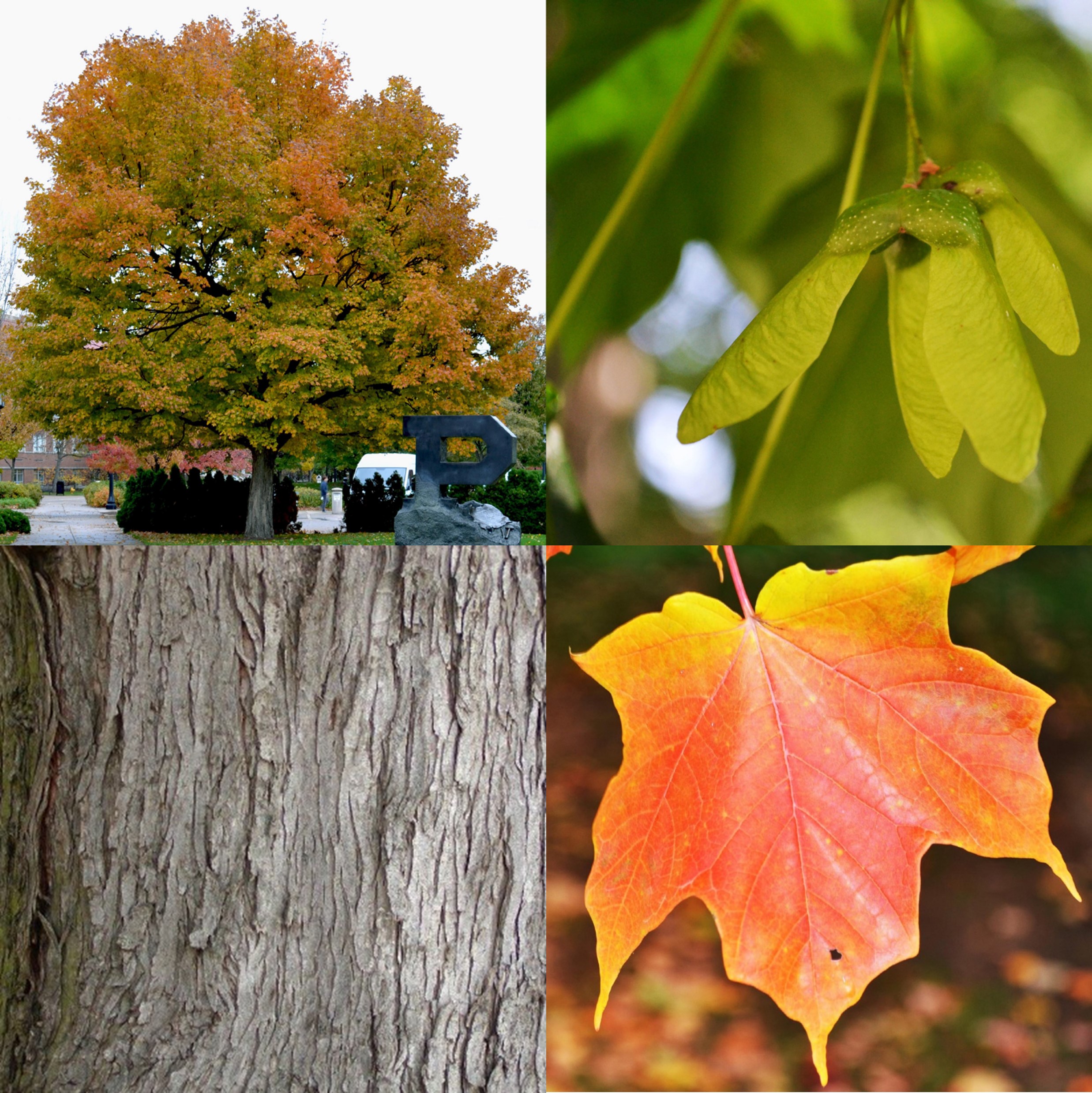
Figure 5. Sugar Maple, Acer saccharum
6. Amur Maple, Acer tataricum spp. Ginnala
(Formerly known as Acer ginnala)
Origin: Exotic
Zone: 3
Function: Patio tree, specimen, screen
Height: 15-18’
Spread: 15-20’
Form: Upright irregular, developing rounded head, single or multiple trunks
Seasonal Interest: Fall– Scarlet foliage
Light: Full sun to partial shade
Soil Moisture: Medium to dry
Limitations: Can be damaged by ice storms
Cultivars: Limited
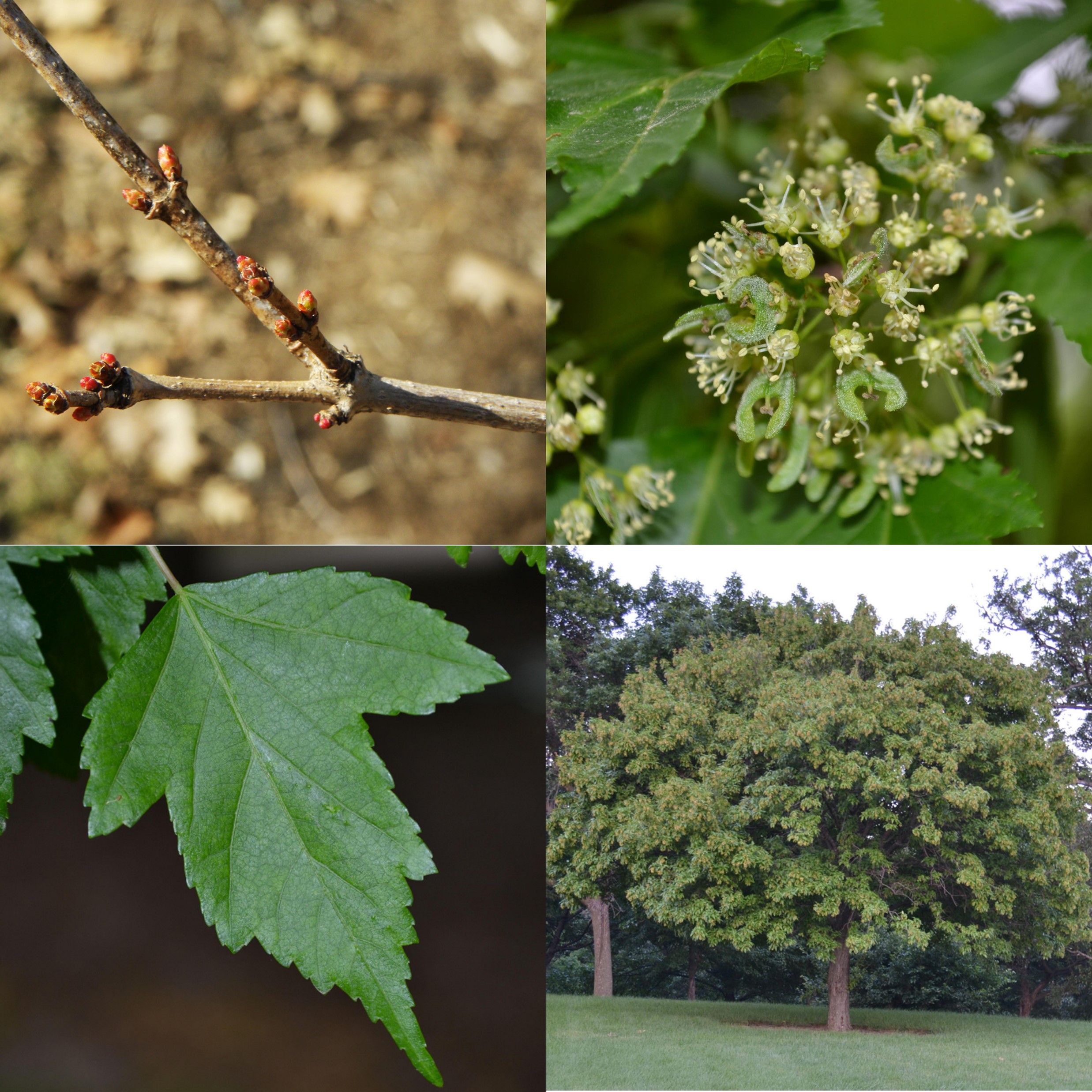
Figure 6. Amur Maple, Acer tataricum spp. Ginnala
7. Red Horsechestnut, Aesculus x carnea
Origin: Hybrid
Zone: 4
Function: Specimen, shade tree
Height: 30-40′
Spread: 30-40’
Form: Rounded with heavy, widely-spaced branches
Seasonal Interest: Spring– Rose-red flowers
Light: Full sun
Soil Moisture: Medium
Limitations: Performs poorly on dry sites
Cultivars: Limited
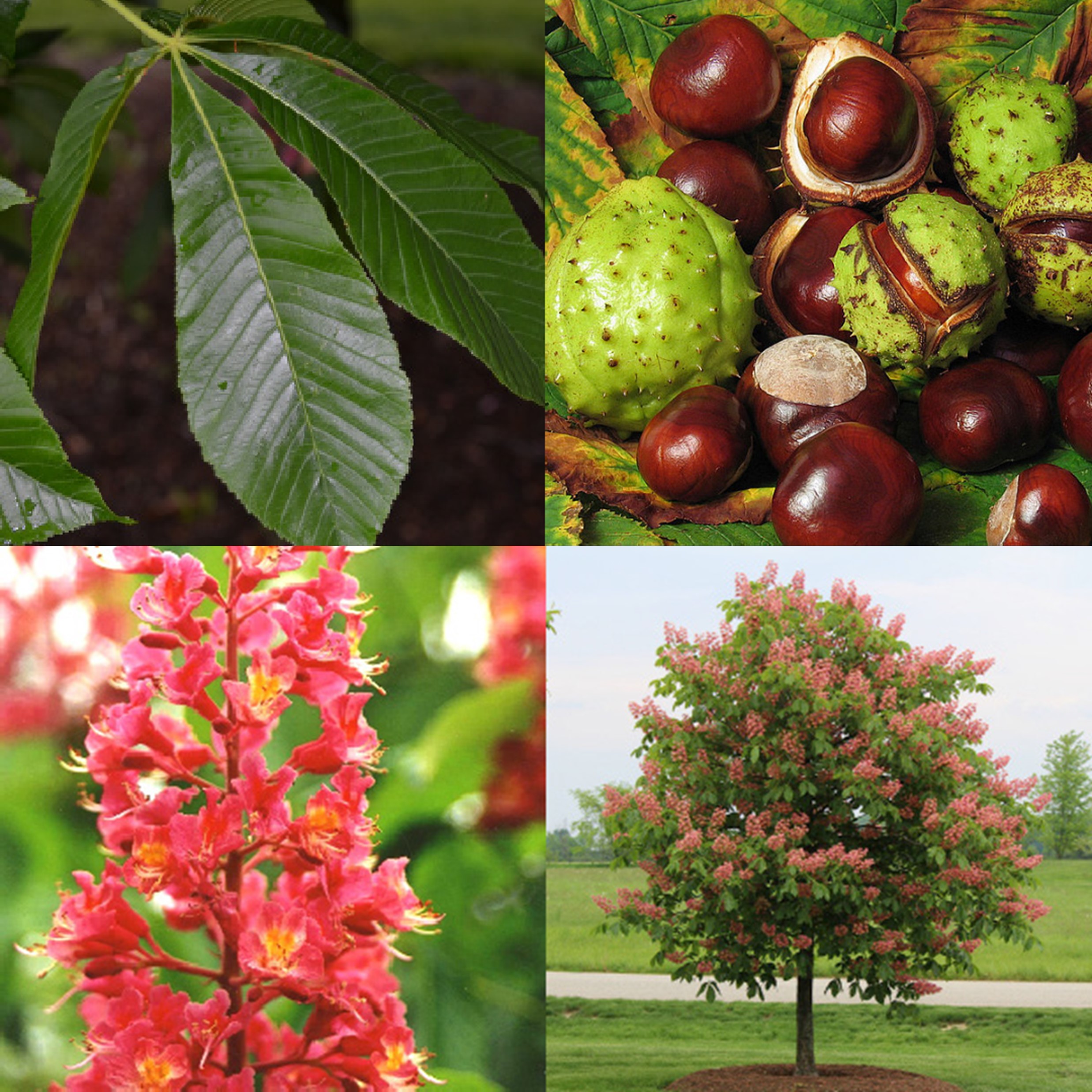
Figure 7. Red Horsechestnut, Aesculus x carnea
8. Freeman Maple, Acer x freemanii
Origin: Hybrid
Zone: 4
Function: Specimen, shade tree
Height: 40-60′
Spread: 20-40’
Form: Upright growth form
Seasonal Interest: Spring– Small red flowers, Fall– Red foliage
Light: Full sun to part shade
Soil Moisture: Medium to wet
Limitations: Young plants susceptible to leaf hoppers and scale
Cultivars: ‘’Jeffersred’ Autumn Blaze (pictured). Noted for central leader and brilliant fall color.
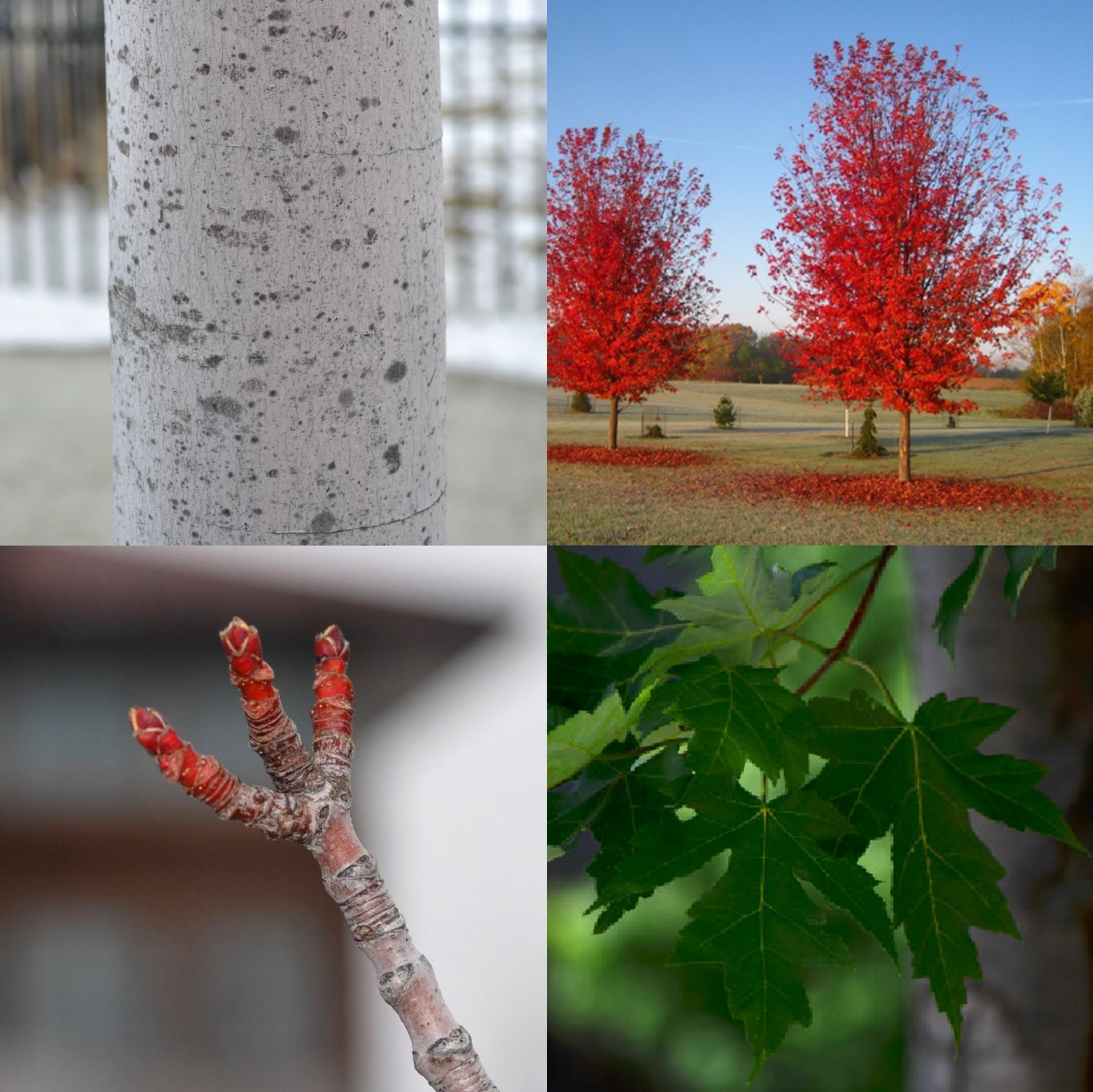
Figure 8. Freeman Maple, Acer x freemanii
9. Allegheny Serviceberry, Amelanchier laevis
Origin: Native
Zone: 4
Function: Patio, border, specimen, large shrub or small tree
Height: 15-25’
Spread: 10-20’
Form: Upright, slender, with single or multiple trunks
Seasonal Interest: Spring- White flowers. Fall– Multi-colored foliage
Light: Full sun to partial shade
Soil Moisture: Medium
Limitations: Low maintenance
Cultivars: Limited
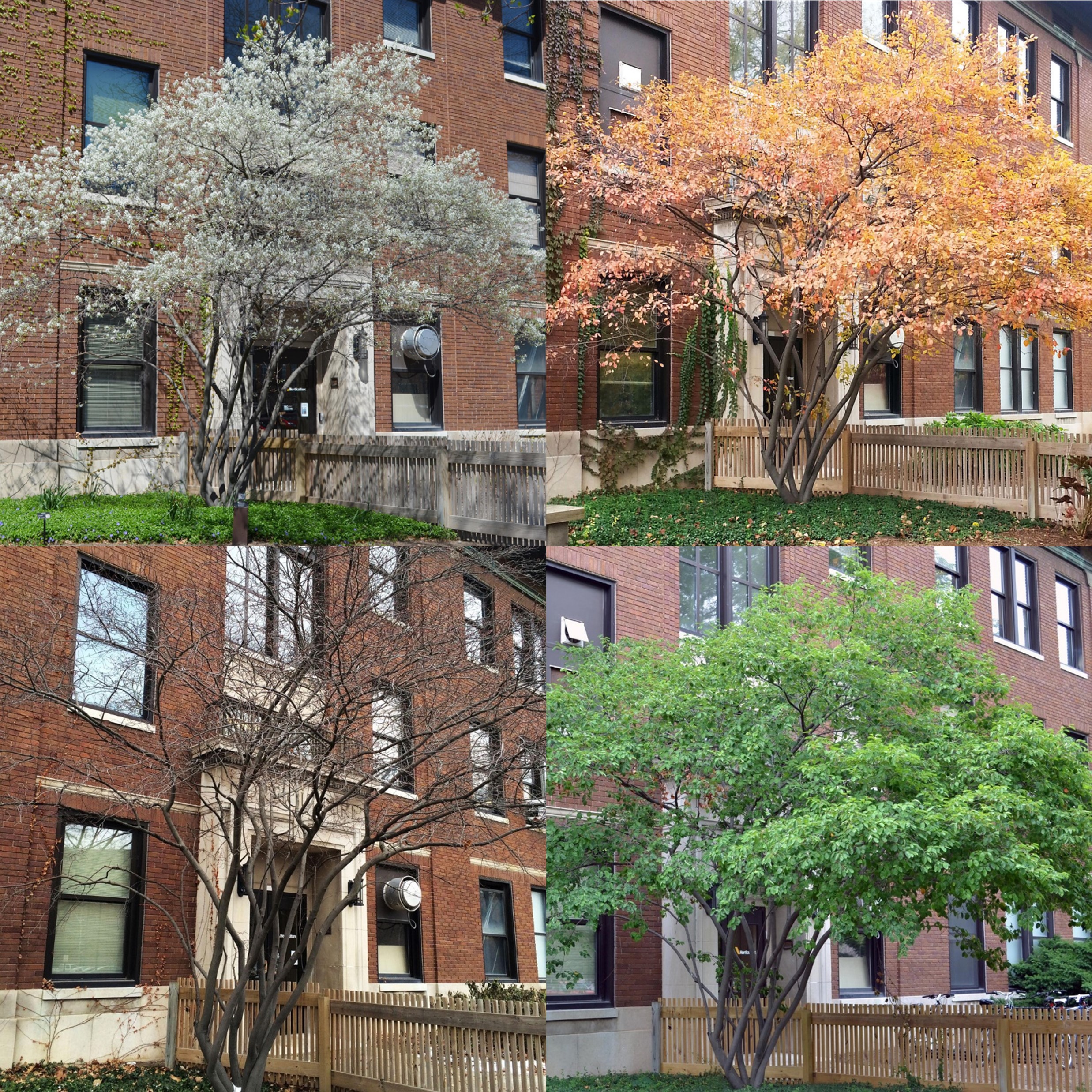
Figure 9. Allegheny Serviceberry, Amelanchier laevis
Origin: Native
Zone: 3
Function: Shade tree, specimen, naturalizing
Height: 40-70’
Spread: 40-60’
Form: Upright, open, pyramidal, single or multiple trunks
Seasonal Interest: All- Exfoliating bark. Fall– Yellow foliage
Light: Full sun to partial shade
Soil Moisture: Medium to wet
Limitations: Grows poorly on dry and/or alkaline soils
Cultivars: Limited
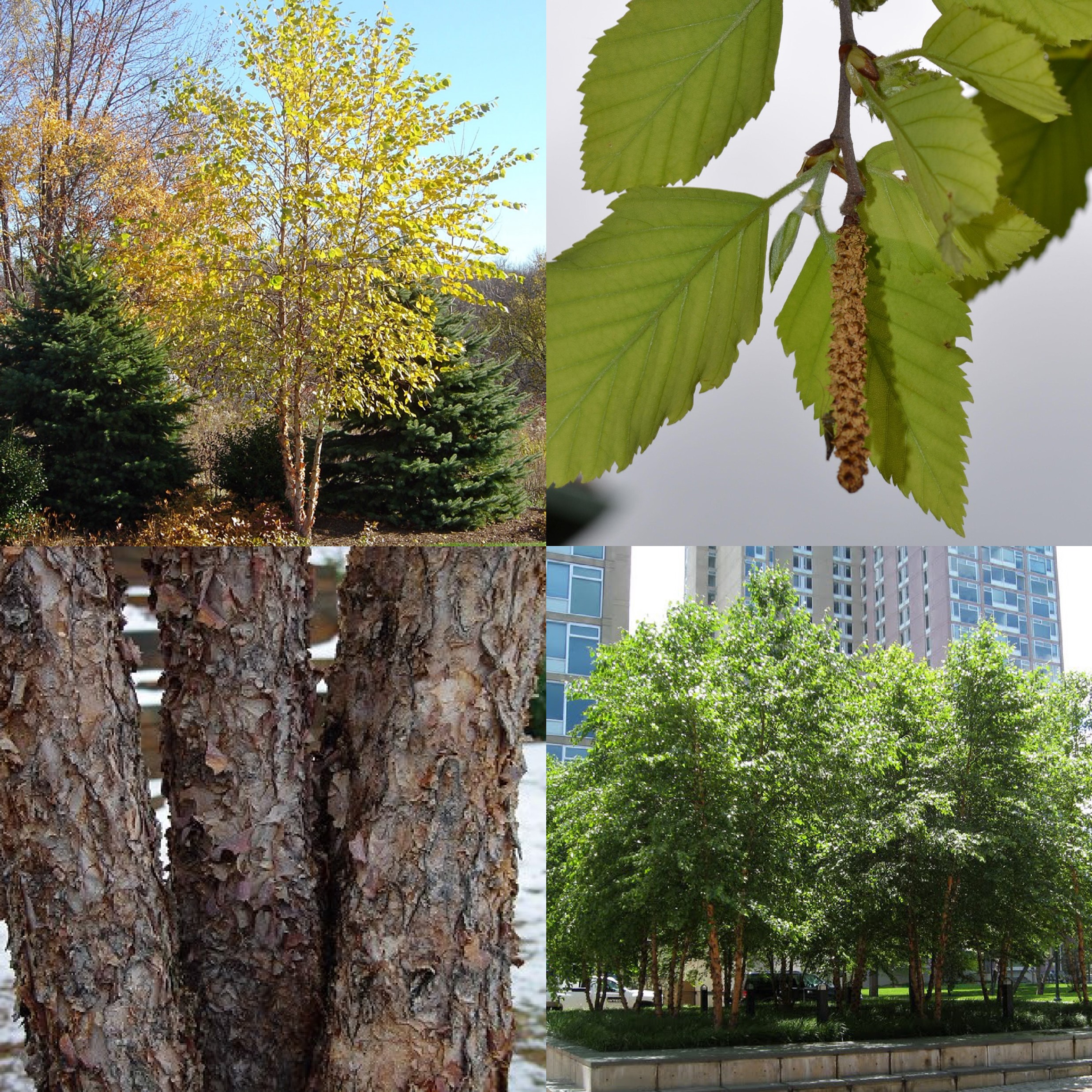
Figure 10. River Birch, Betula nigra
11. Japanese White Birch, Betula platyphylla
Origin: Exotic
Zone: 4
Function: Shade tree, specimen, naturalizing
Height: 40-50’
Spread: 40-50’
Form: Upright, open, pyramidal, single or multiple trunks
Seasonal Interest: All- White bark. Fall– Yellow foliage
Light: Full sun to partial shade
Soil Moisture: Medium to wet
Limitations: Grows poorly on dry soils
Cultivars: var. japonica ‘Whitespire’ for borer resistance

Figure 11. Japanese White Birch, Betula platyphylla
12. American Hornbeam, Carpinus caroliniana
Origin: Native
Zone: 3
Function: Patio or street tree, hedge, screen, specimen
Height: 20-30′
Spread: 20-30’
Form: Upright, single or multiple stemmed, rounded head
Seasonal Interest: All– Smooth, gray bark. Fall- Multi-colored foliage
Light: Full sun to partial shade
Soil Moisture: Medium
Limitations: None serious
Cultivars: Limited
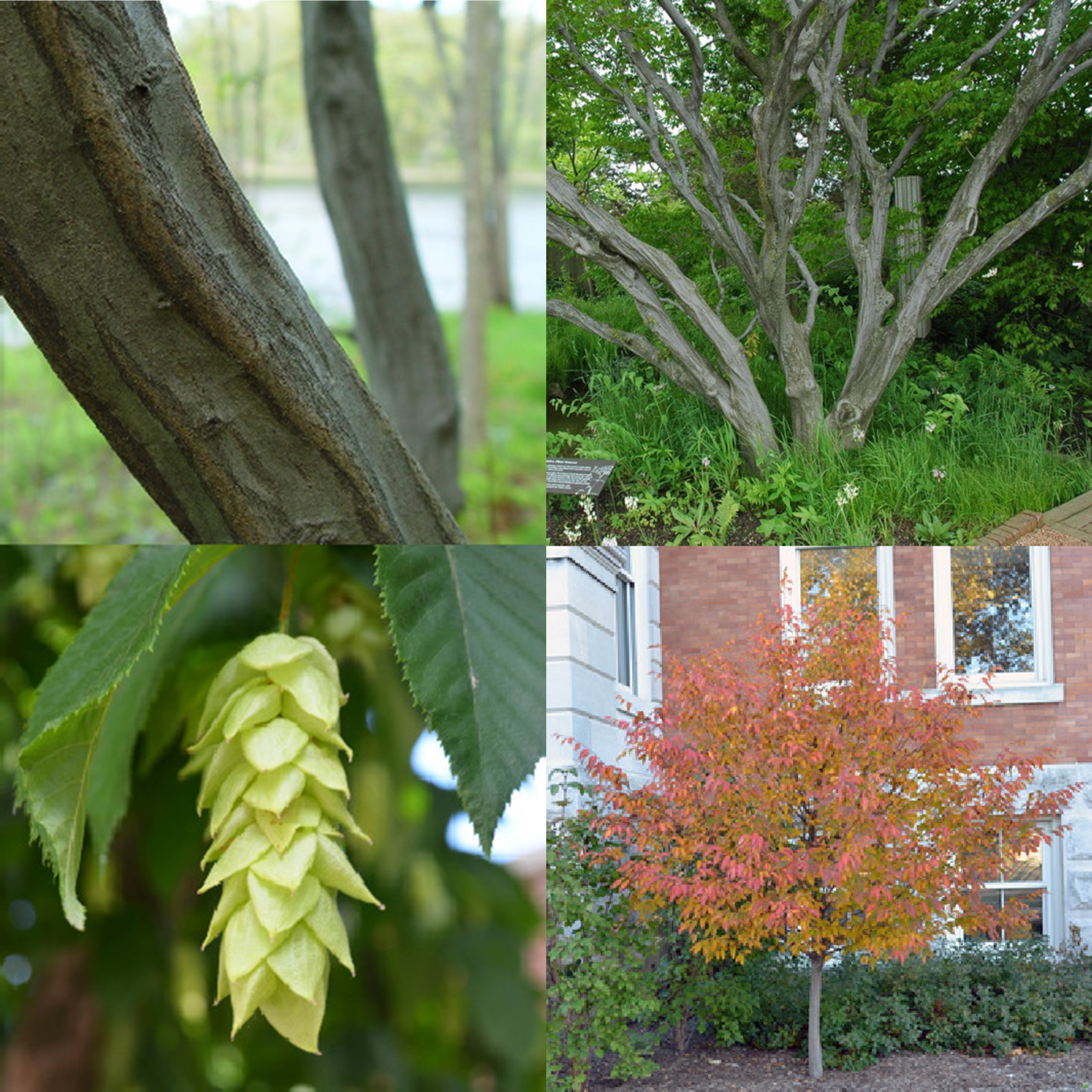
12. American Hornbeam, Carpinus caroliniana
13. Downy Serviceberry, Amelanchier arborea
Origin: Native
Zone: 4
Function: Large shrub, small tree
Height: 30-40′
Spread: 30-40’
Form: spreading growth form
Seasonal Interest: Spring-white flowers, Summer-edible fruits, Fall-multi-colored foliage
Light: Full sun to partial shade
Soil Moisture: Medium
Limitations: None
Cultivars: Several
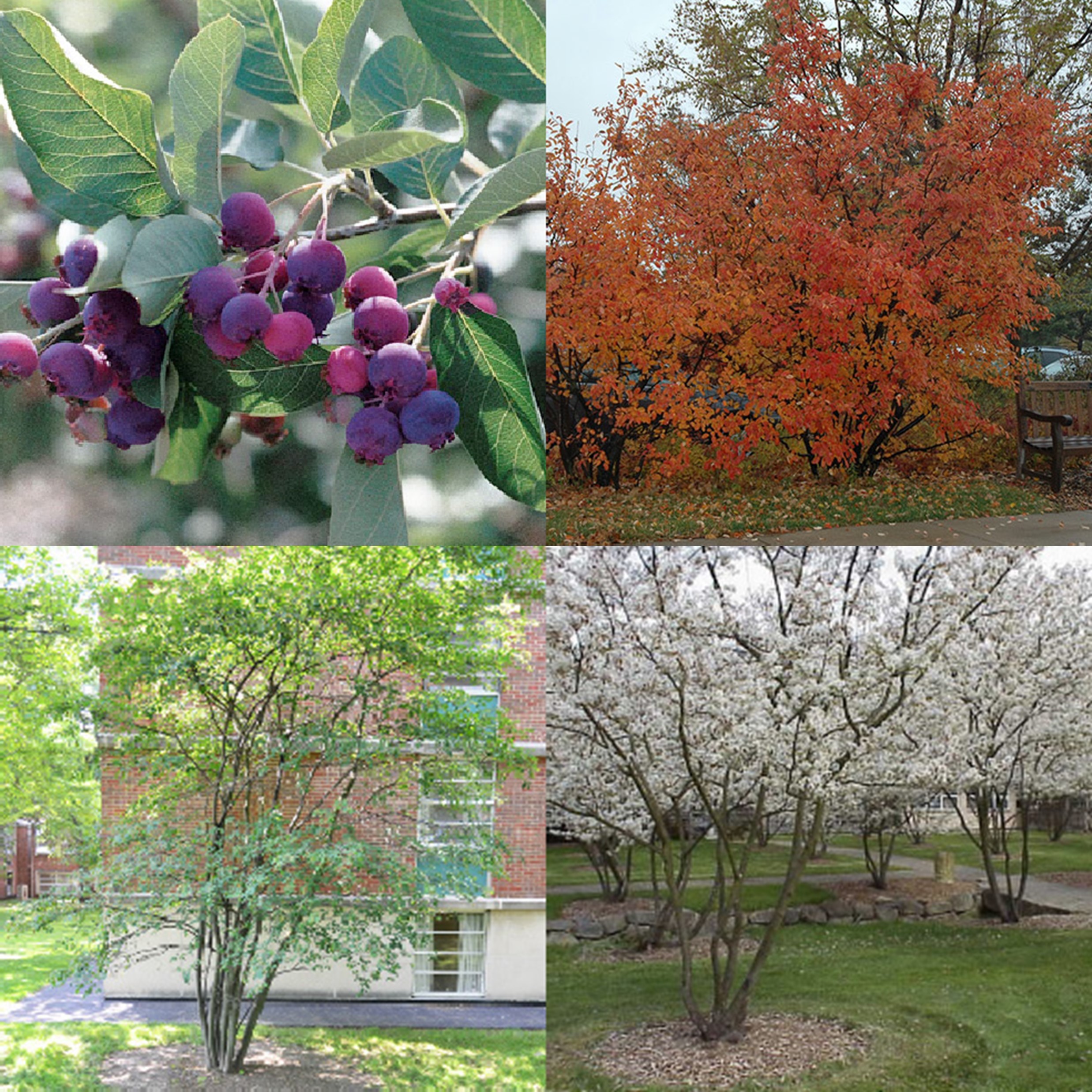
Figure 13. Downy Serviceberry, Amelanchier arborea
14. Common Hackberry, Celtis occidentalis
Origin: Native
Zone: 3
Function: Shade, specimen, avenue tree
Height: 40-60’
Spread: 40-60’
Form: Upright vase-shaped to rounded head
Seasonal Interest: Fall- Dull yellow foliage
Light: Full sun
Soil Moisture: Medium to dry
Limitations: Nipple galls and witch’s broom commonly disfigure
Cultivars: Limited
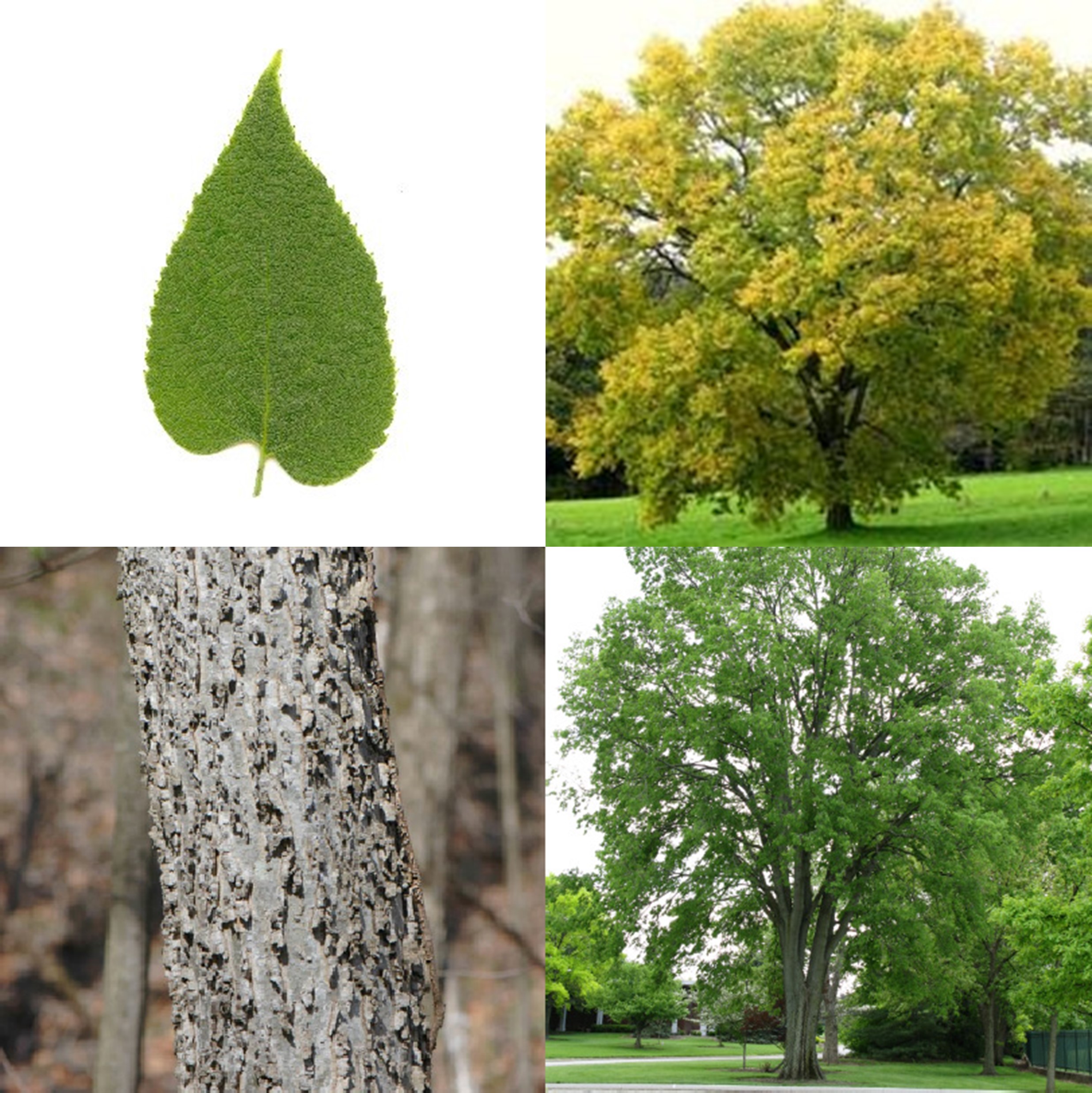
Figure 14. Common Hackberry, Celtis occidentalis
15. Apple Serviceberry, Amelanchier x grandiflora
Origin: Hybrid
Zone: 4
Function: Understory tree, small shrub
Height: 15-25’
Spread: 15-25’
Form: Spreading growth form
Seasonal Interest: Spring- White flowers, Summer-edible fruits, Fall-orange-red foliage
Light: Full sun to partial shade
Soil Moisture: Medium
Limitations: None
Cultivars: Several
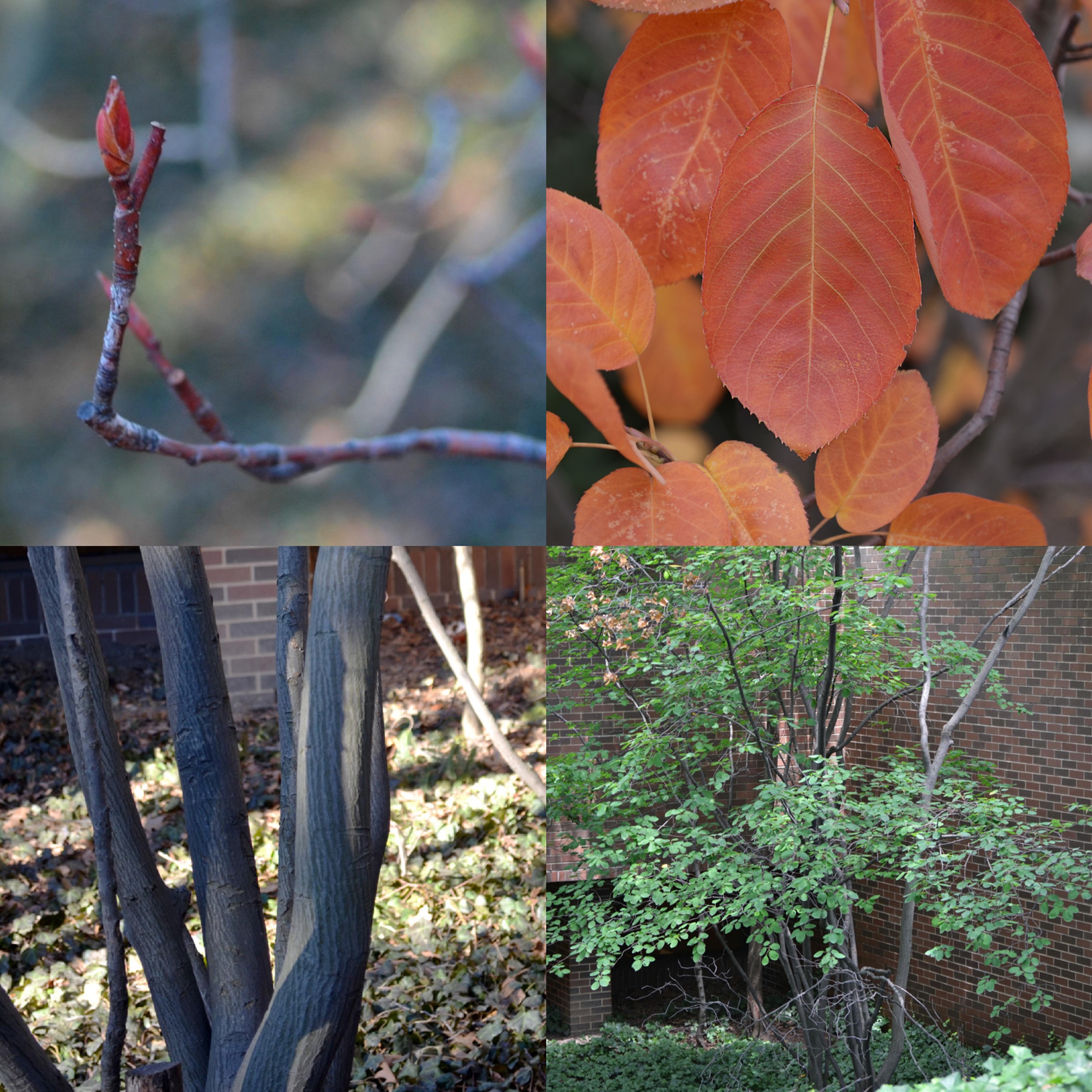
Figure 15. Apple Serviceberry, Amelanchier x grandiflora
16. Eastern Redbud, Cercis canadensis
Origin: Native
Zone: 4
Function: Specimen, patio tree, border accent, naturalizing
Height: 20-30’
Spread: 25-35’
Form: Upright, with single or multiple trunks, and rounded head
Seasonal Interest: Spring- Lavender flowers. Fall– Yellow foliage
Light: Full sun to partial shade
Soil Moisture: Medium to dry
Limitations: Verticillium wilt and canker on old trees
Cultivars: Many
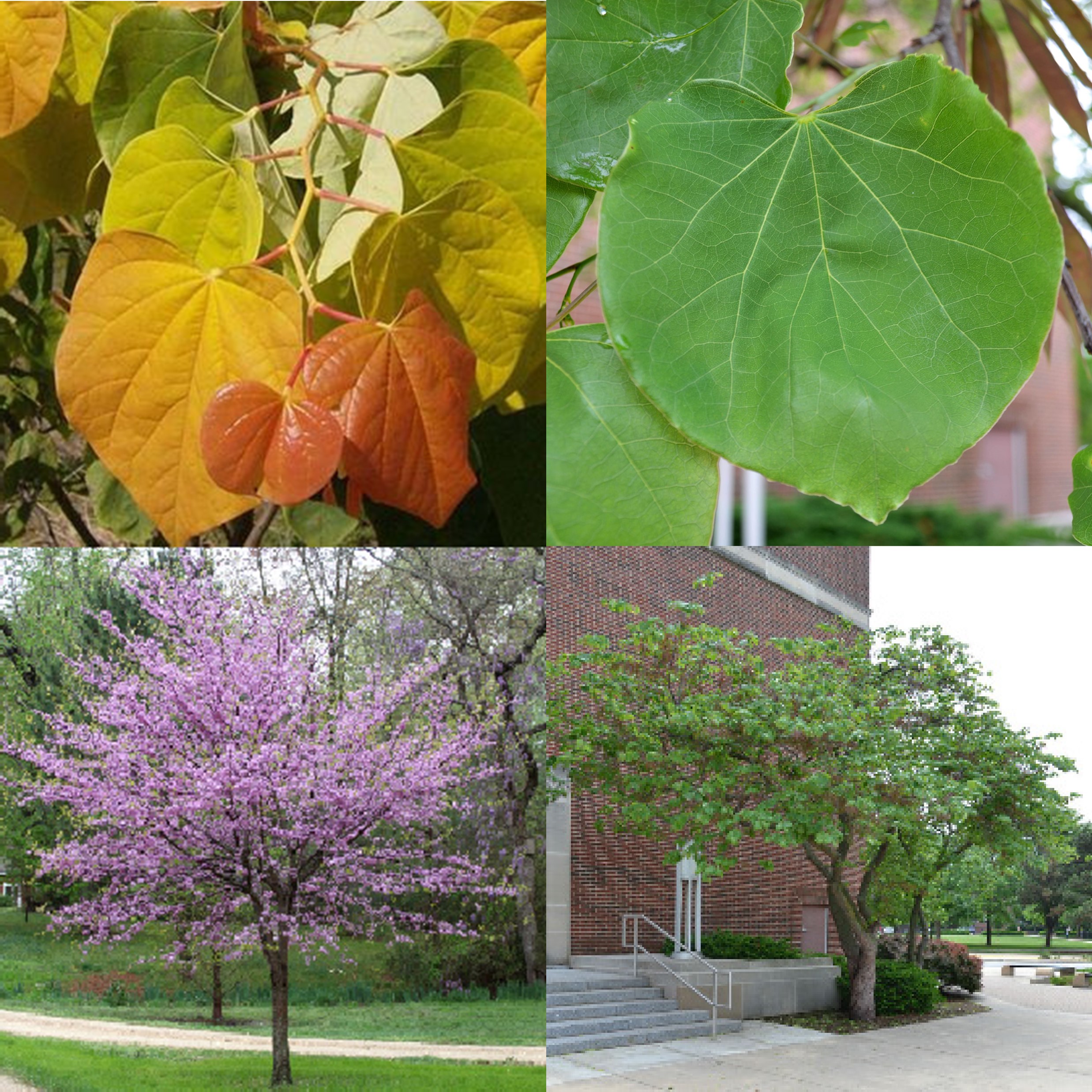
Figure 16. Eastern Redbud, Cercis canadensis
17. American Beech, Fagus grandifolia
Origin: Native
Zone: 3
Function: Specimen, shade tree
Height: 50-80’
Spread: 40-60’
Form: Upright and broadly pyramidal
Seasonal Interest: All- Smooth silver bark, Fall-Golden-bronze foliage
Light: Full sun to partial shade
Soil Moisture: Medium to dry
Limitations: Shallow roots inhibit turf
Cultivars: None
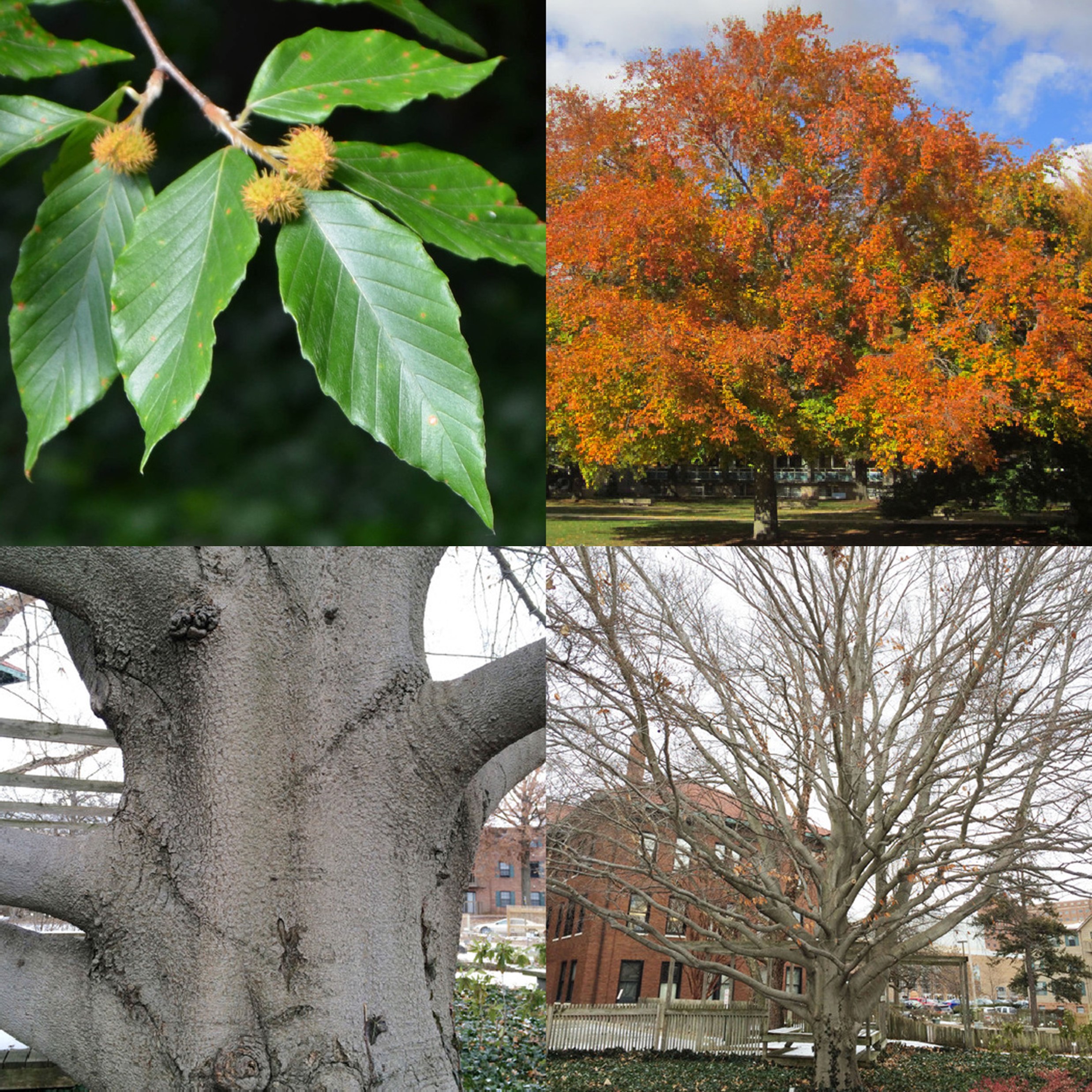
Figure 17. American Beech, Fagus grandifolia
18. White Fringetree, Chionanthus virginicus
Origin: Native
Zone: 4
Function: Specimen, border
Height: 12-20’
Spread: 12-20’
Form: Upright, stiffly spreading branches, rounded head
Seasonal Interest: Spring- Fragrant, white fringe-like flowers
Light: Full sun
Soil Moisture: Medium to wet
Limitations: None
Cultivars: Limited

Figure 18. White Fringetree, Chionanthus virginicus
19. American Yellowwood, Cladrastis kentukea
Origin: Native
Zone: 4
Function: Shade tree, specimen
Height: 30-50’
Spread: 40-55’
Form: Upright, broadly rounded head
Seasonal Interest: Spring- Fragrant, white flowers
Light: Full sun
Soil Moisture: Medium
Limitations: Entire tree may not fully flower each year
Cultivars: Limited

Figure 19. American Yellowwood, Cladrastis kentukea
20. Pagoda Dogwood, Cornus alternifolia
Origin: Native
Zone: 3
Function: Specimen, patio tree, naturalizing, border accent
Height: 15-25’
Spread: 20-35’
Form: Broad-spreading, low branching, horizontal branching
Seasonal Interest: Spring- Creamy-white flowers. Fall– Blue-black fruits
Light: Full sun to partial shade
Soil Moisture: Medium
Limitations: Leaf spot and twig canker susceptible
Cultivars: Limited

Figure 20. Pagoda Dogwood, Cornus alternifolia
21. Flowering Dogwood, Cornus florida
Origin: Native
Zone: 5
Function: Patio tree, border accent, specimen, naturalizing
Height: 20-30’
Spread: 20-30’
Form: Upright with horizontal branching
Seasonal Interest: Spring- White flowers. Fall– Red foliage and fruits
Light: Full sun to partial shade
Soil Moisture: Medium
Limitations: Borer, anthracnose, and drought susceptible.
Cultivars: Many

Figure 21. Flowering Dogwood, Cornus florida
22. Kousa Dogwood, Cornus kousa
Origin: Exotic
Zone: 5
Function: Specimen, patio tree, border accent
Height: 20-30’
Spread: 20-30’
Form: Upright with horizontal branching
Seasonal Interest: Spring- White flowers. Fall– Red foliage and fruits
Light: Full sun to partial shade
Soil Moisture: Medium
Limitations: Needs irrigation during severe drought
Cultivars: Many

Figure 22. Kousa Dogwood, Cornus kousa
23. Corneliancherry Dogwood, Cornus mas
Origin: Exotic
Zone: 4
Function: Screen, specimen, hedge, border accent
Height: 20-25’
Spread: 15-20’
Form: Multi-stemmed shrub or tree with rounded head
Seasonal Interest: Spring- Yellow flowers. Fall– Cherry-red fruits
Light: Full sun to shade
Soil Moisture: Medium
Limitations: Few serious problems
Cultivars: Limited

Figure 23. Corneliancherry Dogwood, Cornus mas
24. Kentucky Coffee Tree, Gymnocladus dioica
Origin: Native
Zone: 3
Function: Shade Tree
Height: 60-80′
Spread: 40-55’
Form: Oval to vase-shaped with upright arching branches
Seasonal Interest: Spring– greenish-white flowers, fruit-pods mature to reddish brown, persist into winter, Fall– Yellow foliage
Light: Full sun
Soil Moisture: Medium
Limitations: Seed pods litter problem
Cultivars: ‘Espresso’-grafted mail and seedless cultivar
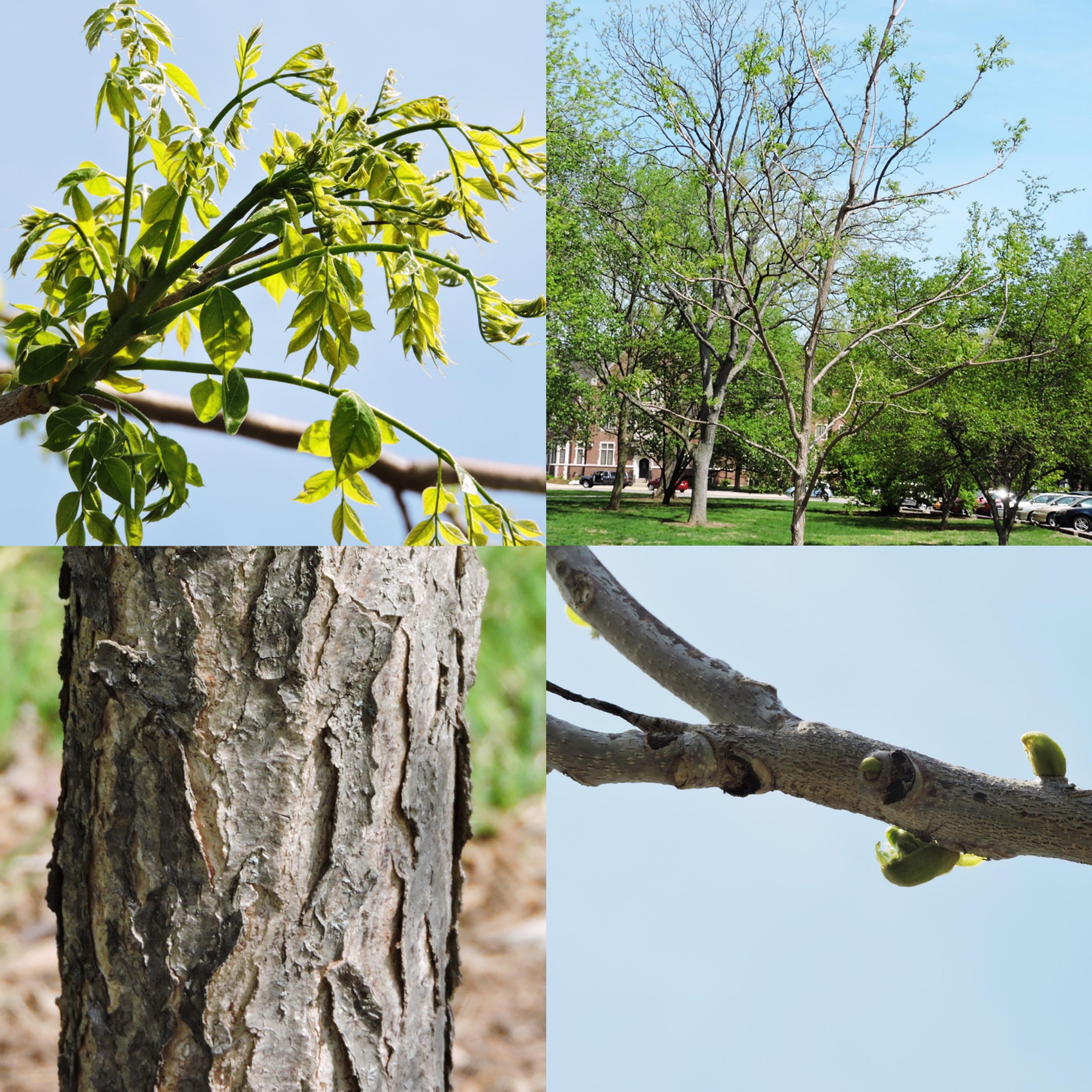
Figure 24. Kentucky Coffee Tree, Gymnocladus dioica
25. Washington Hawthorn, Crataegus phaenopyrum
Origin: Native
Zone: 4
Function: Specimen, patio tree, hedge, screen
Height: 25-30’
Spread: 20-25’
Form: Upright with rounded head and horizontal branching
Seasonal Interest: Spring– White flowers. Fall– Reddish foliage and fruit
Light: Full sun
Soil Moisture: Medium to dry
Limitations: Cedar-hawthorn rust susceptible. Large thorns. Ice breakage.
Cultivars: Limited
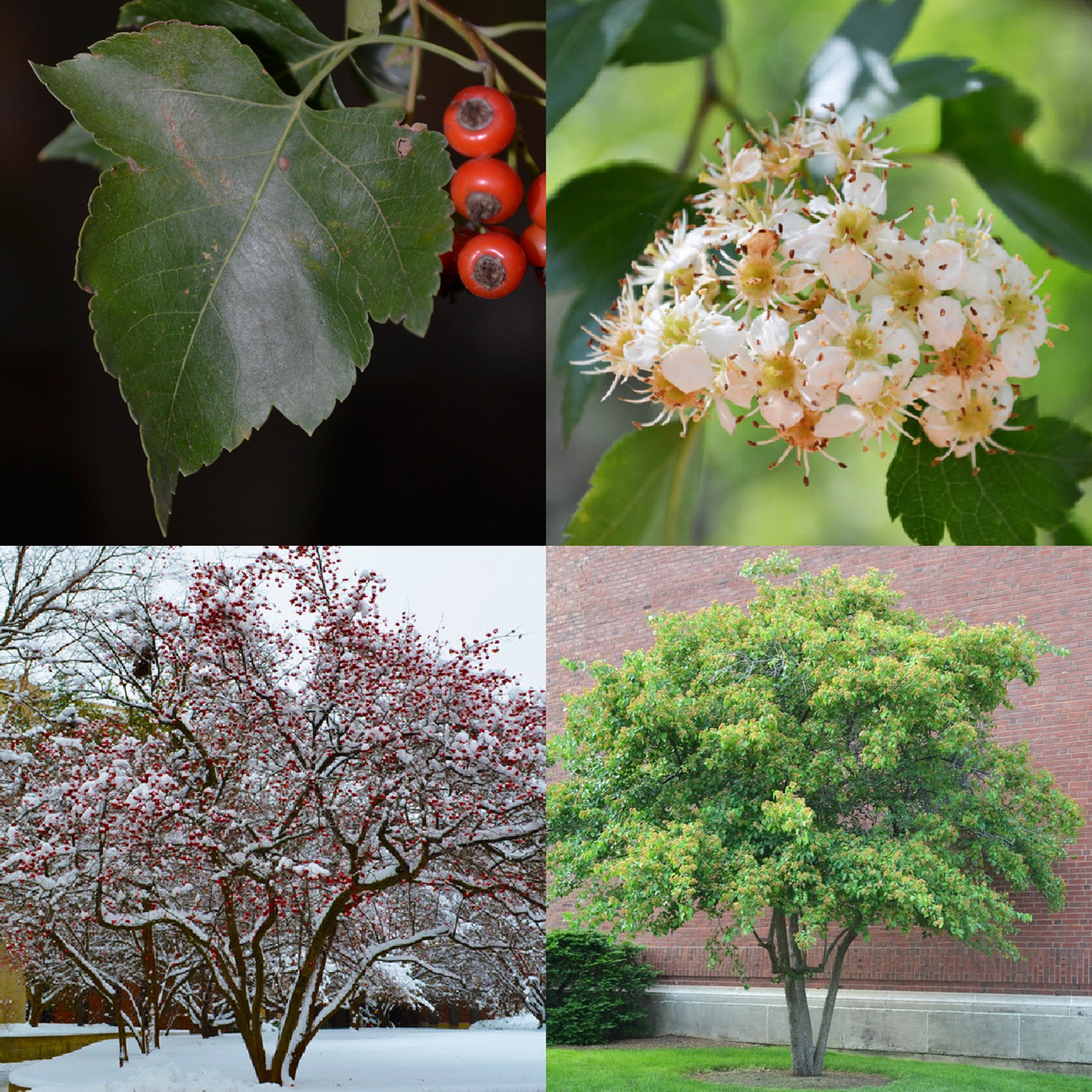
Figure 25. Washington Hawthorn, Crataegus phaenopyrum
26. European Beech, Fagus sylvatica
Origin: Exotic
Zone: 4
Function: Shade tree, specimen
Height: 50-60’
Spread: 35-45’
Form: Upright and broadly pyramidal
Seasonal Interest: All– Smooth silver bark. Fall– Golden-bronze foliage
Light: Full sun to partial shade
Soil Moisture: Medium to dry
Limitations: Shallow roots and dense foliage inhibit turf growth
Cultivars: Many

Figure 26. European Beech, Fagus sylvatica
27. Little Girl Hybrid Magnolias, Magnolia ‘Ann’, ‘Betty’, ‘Jane’
Origin: Hybrids
Zone: 4
Function: Specimen, large shrub
Height: 8-15’
Spread: 8-10’
Form: Erect to broad habit, shrubby
Seasonal Interest: Spring- Purple-red flowers
Light: Full sun
Soil Moisture: Medium
Limitations: Foliage susceptible to mildew
Cultivars: None

Figure 27. Little Girl Hybrid Magnolias, Magnolia ‘Ann’, ‘Betty’, ‘Jane’
28. London Plane tree, Platanus x acerifolia
Origin: Hybrid
Zone: 4
Function: Shade or street tree
Height: 75-100’
Spread: 60-75’
Form: Upright pyramidal, maturing to a rounded head
Seasonal Interest: All– Exfoliating bark with white inner bark, Fall– fruiting balls persist into winter
Light: Full sun
Soil Moisture: Medium to wet
Limitations: Sycamore anthracnose-somewhat resistant, cankerstain, bark and fruit litter
Cultivars: few

Figure 28. London Plane tree, Platanus x acerifolia
Origin: Exotic
Zone: 4
Function: Shade, street, or specimen tree
Height: 50-80′
Spread: 30-50’
Form: Upright, vase-shaped to pyramidal
Seasonal Interest: Fall– Clear yellow foliage
Light: Full sun
Soil Moisture: Medium
Limitations: Females have offensive smelling fruits
Cultivars: Limited

Figure 29. Ginkgo, Ginkgo biloba
30. Honeylocust, Gleditsia triacanthos
Origin: Native
Zone: 4
Function: Shade tree, street tree, specimen
Height: 30-70’
Spread: 30-70’
Form: Upright with vase shaped branching
Seasonal Interest: Summer– Fine-textured foliage. Fall– Yellow foliage
Light: Full sun
Soil Moisture: Medium to dry
Limitations: Mimosa webworm and locust mite susceptible
Cultivars: Many

Figure 30. Honeylocust, Gleditsia triacanthos
31. Carolina Silverbell, Halesia tetraptera
Origin: Native
Zone: 4
Function: Patio tree, border accent, naturalizing
Height: 30-40′
Spread: 20-35’
Form: Upright, ascending branches, rounded head
Seasonal Interest: Spring– White bell-shaped flowers
Light: Full sun
Soil Moisture: Medium
Limitations: Chlorosis develops in very alkaline soils
Cultivars: Limited

Figure 31. Carolina Silverbell, Halesia tetraptera
32. Goldenraintree, Koelreuteria paniculate
Origin: Exotic
Zone: 5
Function: Small shade or patio tree, specimen
Height: 30-40′
Spread: 30-40’
Form: Upright with rounded, flat-topped head
Seasonal Interest: Summer– Yellow flowers. Fall– Brown seed pods
Light: Full sun
Soil Moisture: Medium to dry
Limitations: Weak wooded and invasive further south
Cultivars: Limited

Figure 32. Goldenraintree, Koelreuteria paniculate
33. Black cherry, Prunus serotina
Origin: Native
Zone: 3
Function: Shade tree, flowering tree
Height: 50-80′
Spread: 30-60’
Form: Pyramidal to conical to oval with pendulous branches
Seasonal Interest: Spring– White foliage, Summer– small red cherries that ripen to dark purple-black
Light: Full sun to part shade
Soil Moisture: Medium
Limitations: Insect and disease pests
Cultivars: None

Figure 33. Black cherry, Prunus serotina
34. American Sweetgum, Liquidambar styraciflua
Origin: Native
Zone: 5
Function: Shade, street, or specimen tree
Height: 60-75′
Spread: 40-60’
Form: Upright, pyramidal with strong central leader
Seasonal Interest: Fall– Multi-colored foliage
Light: Full sun
Soil Moisture: Medium to wet
Limitations: Fruit litter
Cultivars: Many

Figure 34. American Sweetgum, Liquidambar styraciflua
35. Tuliptree, Liriodendron tulipifera
Origin: Native
Zone: 4
Function: Shade or street tree, specimen
Height: 70-90’
Spread: 35-50’
Form: Upright, high branching with oval head
Seasonal Interest: Spring– Green flowers. Fall– Golden-yellow foliage
Light: Full sun
Soil Moisture: Medium
Limitations: Weak wooded. Aphid and scale susceptible
Cultivars: Limited
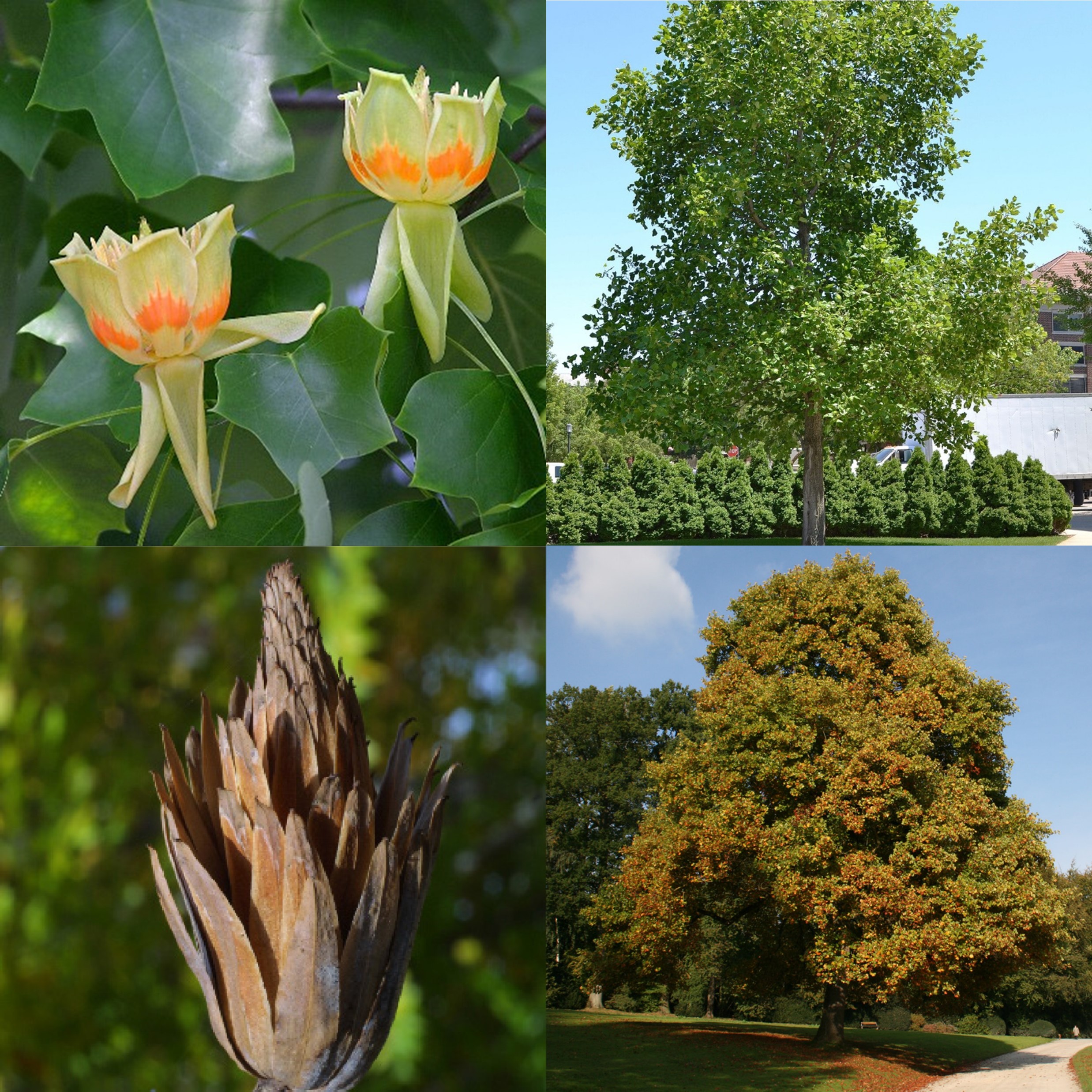
Figure 35. Tuliptree, Liriodendron tulipifera
36. Saucer Magnolia, Magnolia x soulangeana
Origin: Hybrid
Zone: 4
Function: Specimen, border accent, patio tree
Height: 20-30’
Spread: 20-30’
Form: Upright, open, lateral spreading, low branching
Seasonal Interest: Spring– White flowers
Light: Full sun
Soil Moisture: Medium to wet
Limitations: Flowers often killed by late spring frost
Cultivars: Many
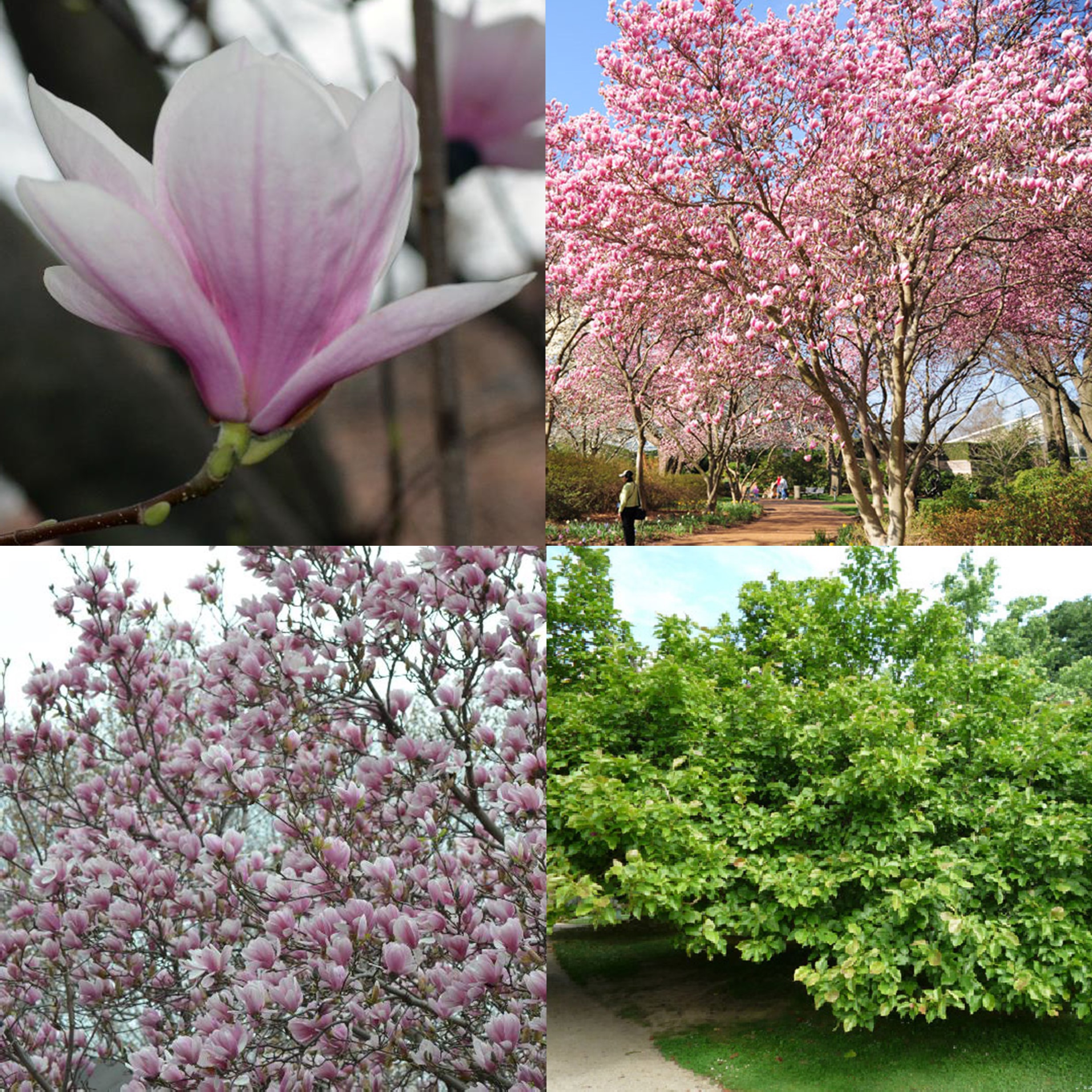
Figure 36. Saucer Magnolia, Magnolia x soulangeana
37. Star Magnolia, Magnolia stellata
Origin: Exotic
Zone: 4
Function: Specimen, border accent, patio tree
Height: 15-20’
Spread: 10-15’
Form: Upright, rounded shrub or multi-stemmed tree
Seasonal Interest: Spring– Fragrant white flowers
Light: Full sun
Soil Moisture: Medium to wet
Limitations: Flowers often killed by late spring frost
Cultivars: Many

Figure 37. Star Magnolia, Magnolia stellata
38. Sargent Crabapple, Malus sargentii
Origin: Exotic
Zone: 4
Function: Specimen, massing
Height: 6-8’
Spread: 10-15’
Form: Wide spreading, low in stature
Seasonal Interest: Spring– Pink buds, white flowers. Fall-Red fruits
Light: Full sun
Soil Moisture: Medium
Limitations: Apple scab disease susceptible
Cultivars: Many

Figure 38. Sargent Crabapple, Malus sargentii
39. Flowering Crabapple, Malus sp. [hybrids]
Origin: Mostly hybrids
Zone: ~4
Function: Specimen, massing, patio tree
Height: Variable 15-20’
Spread: Variable 15-20’
Form: Low mound, upright, to pendulous
Seasonal Interest: Spring– White, pink, to red flowers. Fall– Colorful fruit
Light: Full sun
Soil Moisture: Medium
Limitations: Apple scab disease susceptible
Cultivars: Many
![Flowering Crabapple, Malus sp. [hybrids]](https://www.purdue.edu/hla/sites/iah/wp-content/uploads/sites/38/2022/11/039.jpg)
Figure 39. Flowering Crabapple, Malus sp. [hybrids]
40. Dawn Redwood, Metasequoia glyptostroboides
Origin: Exotic
Zone: 4
Function: Specimen, screen
Height: 120’
Spread: 40-50’
Form: Pyramidal, conical, with straight trunk
Seasonal Interest: Fall– Orange- to red-brown foliage
Light: Full sun
Soil Moisture: Medium to wet (even standing water)
Limitations: Does poorly on alkaline soils
Cultivars: Limited
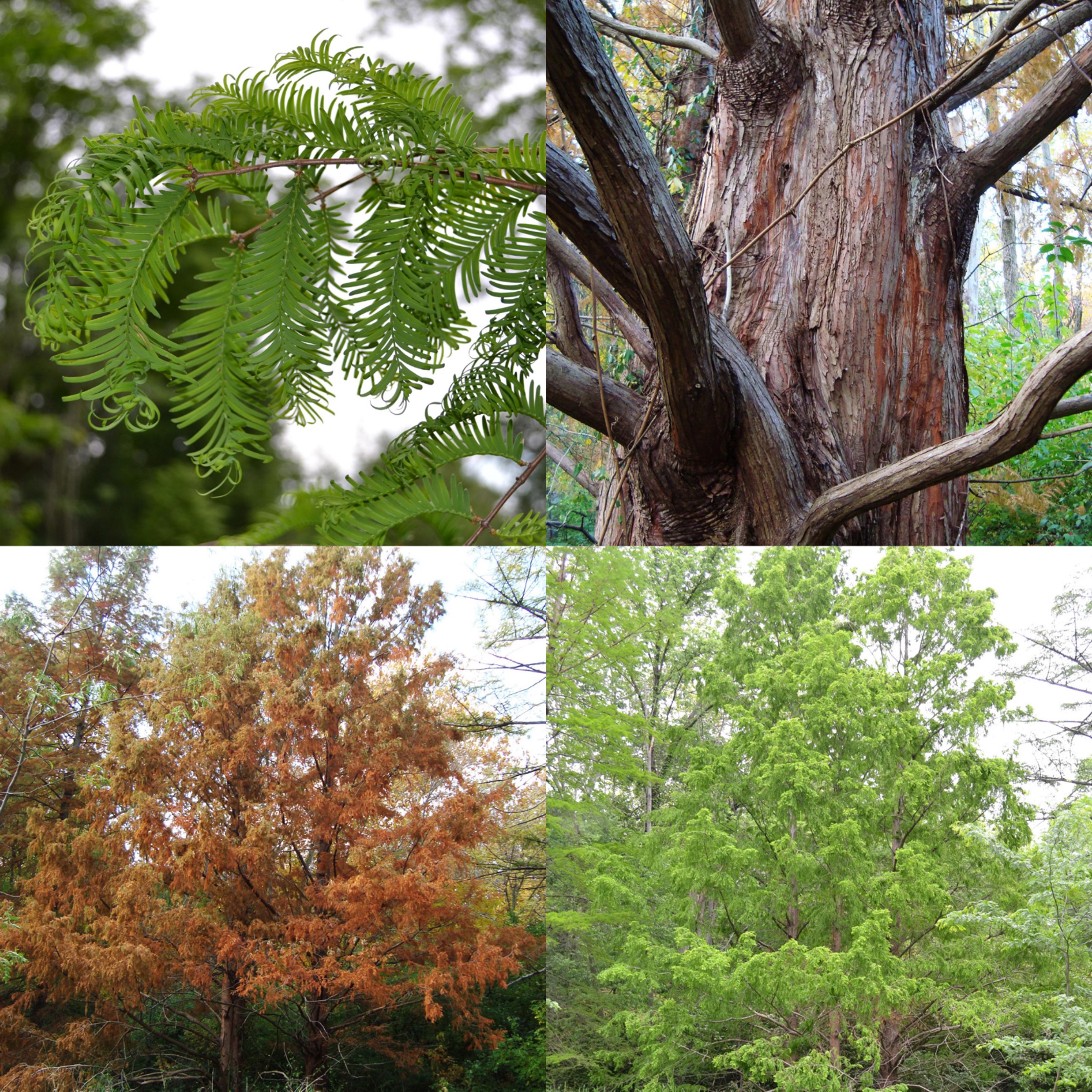
Figure 40. Dawn Redwood, Metasequoia glyptostroboides
41. Black Gum, Nyssa sylvatica
Origin: Native
Zone: 4
Function: Shade or specimen tree, border
Height: 30-50’
Spread: 20-30’
Form: Upright, irregularly pyramidal, strong central leader
Seasonal Interest: Fall– Multi-colored foliage
Light: Full sun
Soil Moisture: Medium to wet
Limitations: Does not tolerate alkaline soils
Cultivars: Limited

Figure 41. Black Gum, Nyssa sylvatica
42. Swamp White Oak, Quercus bicolor
Origin: Native
Zone: 3
Function: Shade tree
Height: 50-60’
Spread: 50-60’
Form: Broad rounded crown, short trunk
Seasonal Interest: Summer– green foliage with silvery underside, Fall– Yellow to reddish- purple foliage
Light: Full sun
Soil Moisture: Medium to moist
Limitations: Chlorosis, borers, leafminers
Cultivars: None

Figure 42. Swamp White Oak, Quercus bicolor
43. Norway Spruce, Picea abies
Origin: Exotic
Zone: 3
Function: Specimen, screen, massing
Height: 40-60′
Spread: 25-30’
Form: Upright pyramidal with pendulous branches
Seasonal Interest: All– Evergreen
Light: Full sun
Soil Moisture: Medium
Limitations: Mite susceptible in dry, hot sites
Cultivars: Many

Figure 43. Norway Spruce, Picea abies
44. American Planetree, Platanus occidentalis
Origin: Native
Zone: 4
Function: Shade, street, specimen tree
Height: 75-100′
Spread: 60-100’
Form: Upright, broad spreading, massive
Seasonal Interest: All– Exfoliating bark
Light: Full sun
Soil Moisture: Medium to wet
Limitations: Anthracnose twig blight and canker can be serious. Bark and fruit litter.
Cultivars: None (see Platanus x acerifolia)

Figure 44. American Planetree, Platanus occidentalis
45. Serbian Spruce, Picea omorika
Origin: Exotic
Zone: 4
Function: Specimen, screen
Height: 50-60’
Spread: 20-25’
Form: Upright, narrowly to columnar pyramidal
Seasonal Interest: All– Evergreen
Light: Full sun
Soil Moisture: Medium to dry
Limitations: Needles can brown in exposed winter sites
Cultivars: Limited
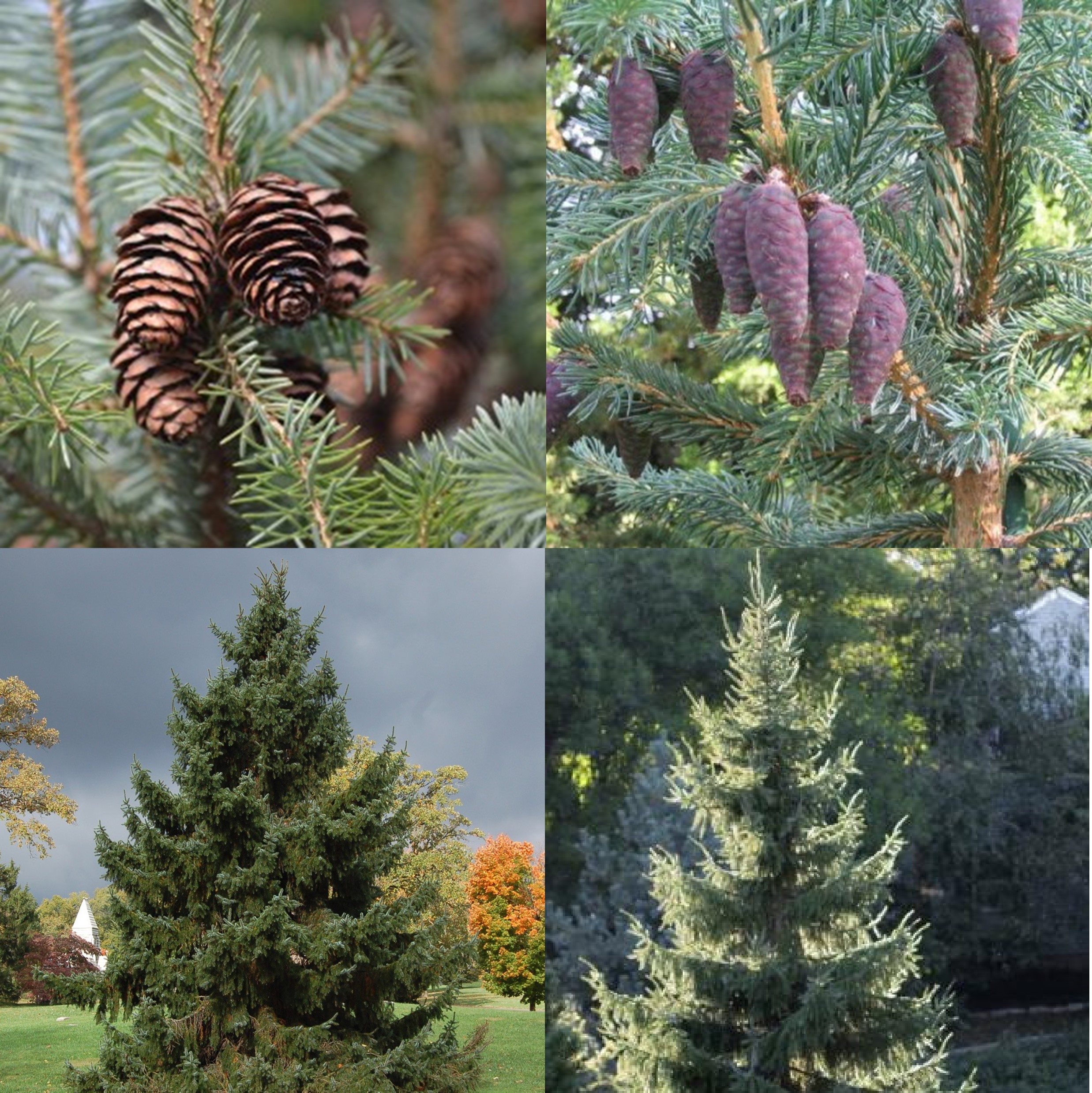
Figure 45. Serbian Spruce, Picea omorika
46. Blue Spruce, Picea pungens f. glauca
Origin: Native
Zone: 3
Function: Specimen, screen
Height: 30-60’
Spread: 10-20’
Form: Stiffly pyramidal
Seasonal Interest: All– Evergreen
Light: Full sun
Soil Moisture: Medium to dry
Limitations: Cooley Spruce Gall Adelgid susceptible, Needlecast
Cultivars: Many
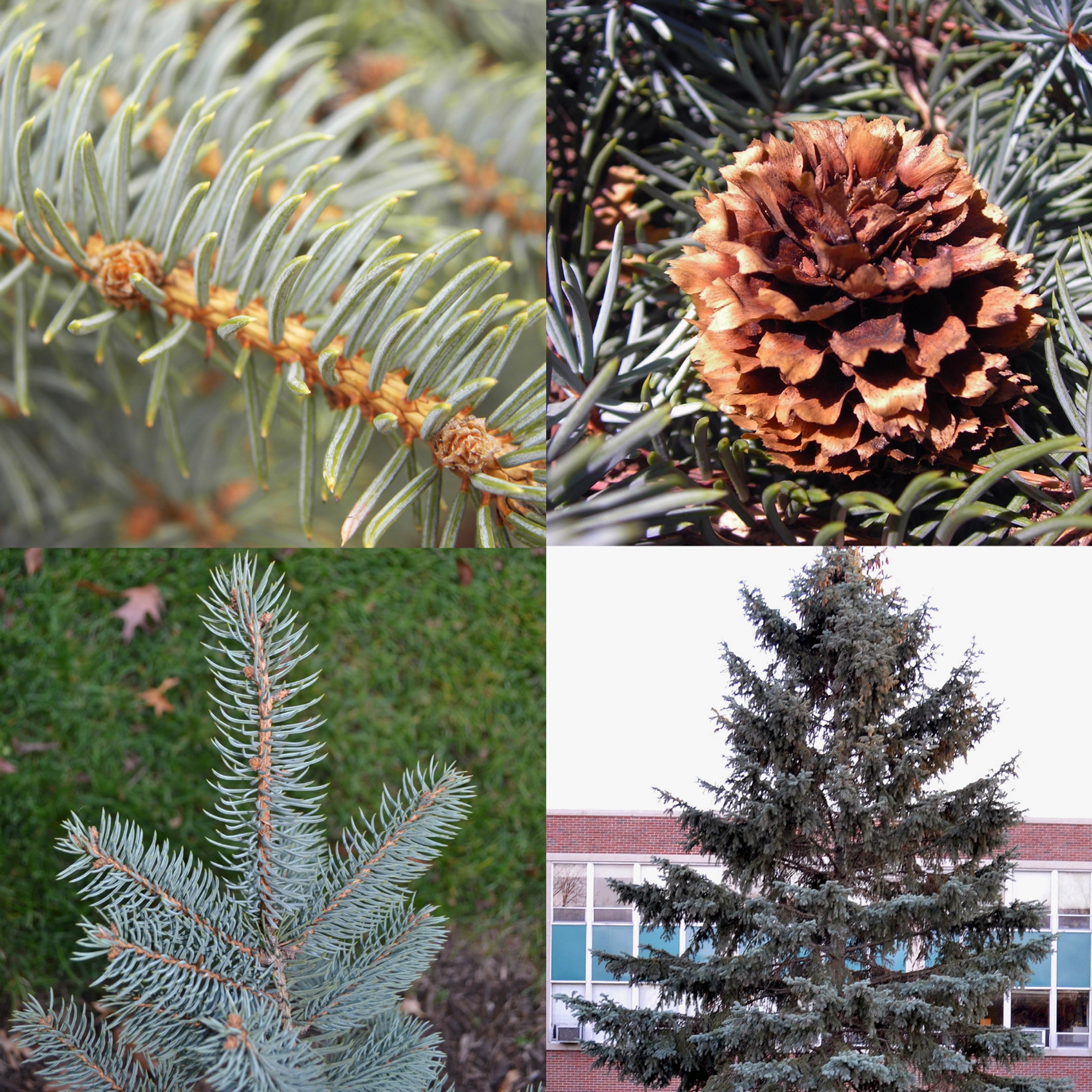
Figure 46. Blue Spruce, Picea pungens f. glauca
47. Eastern White Pine, Pinus strobus
Origin: Native
Zone: 3
Function: Specimen, filtered screen
Height: 50-80’
Spread: 20-40’
Form: Upright, loosely pyramidal
Seasonal Interest: All– Evergreen
Light: Full sun
Soil Moisture: Medium
Limitations: Sensitive to pollution, road salt, and Blister Rust
Cultivars: Many
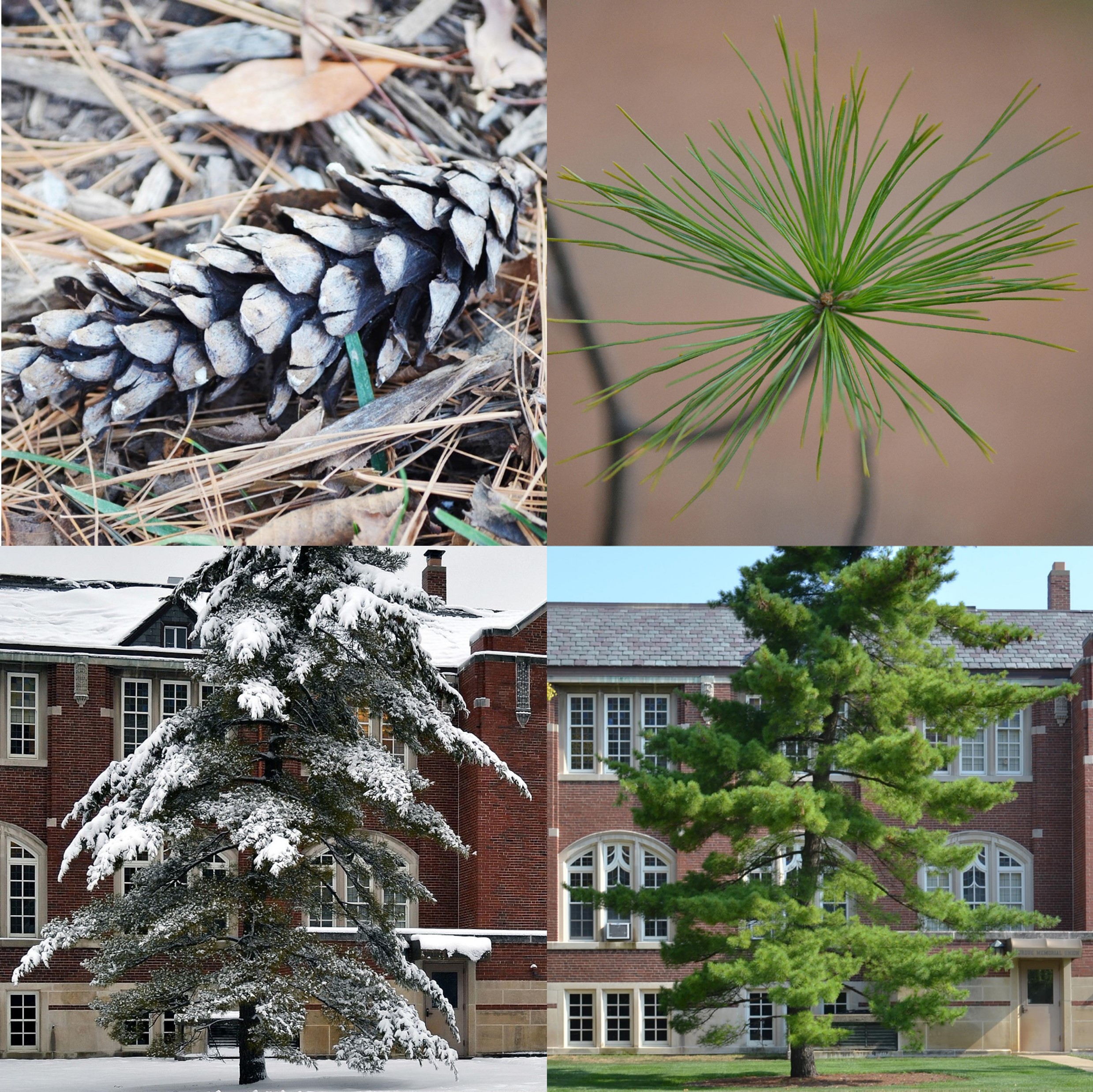
Figure 47. Eastern White Pine, Pinus strobus
48. Higan Cherry, Prunus subhirtella
Origin: Exotic
Zone: 5
Function: Specimen, patio tree
Height: 20-40’
Spread: 15-30’
Form: Upright, forked trunk, twiggy
Seasonal Interest: Spring: Flowers deep pink in bud open to pink
Light: Full sun
Soil Moisture: Medium
Limitations: Some insect and disease susceptibility, not as bad as other cherries
Cultivars: Limited (notable weeping forms)

Figure 48. Higan Cherry, Prunus subhirtella
49. Douglas Fir, Pseudotsuga menziesii
Origin: Native
Zone: 4
Function: Screen, specimen
Height: 40-80′
Spread: 12-20’
Form: Upright with pendulous branches
Seasonal Interest: All: Evergreen
Light: Full sun
Soil Moisture: Medium
Limitations: Does poorly in dry soil
Cultivars: Limited
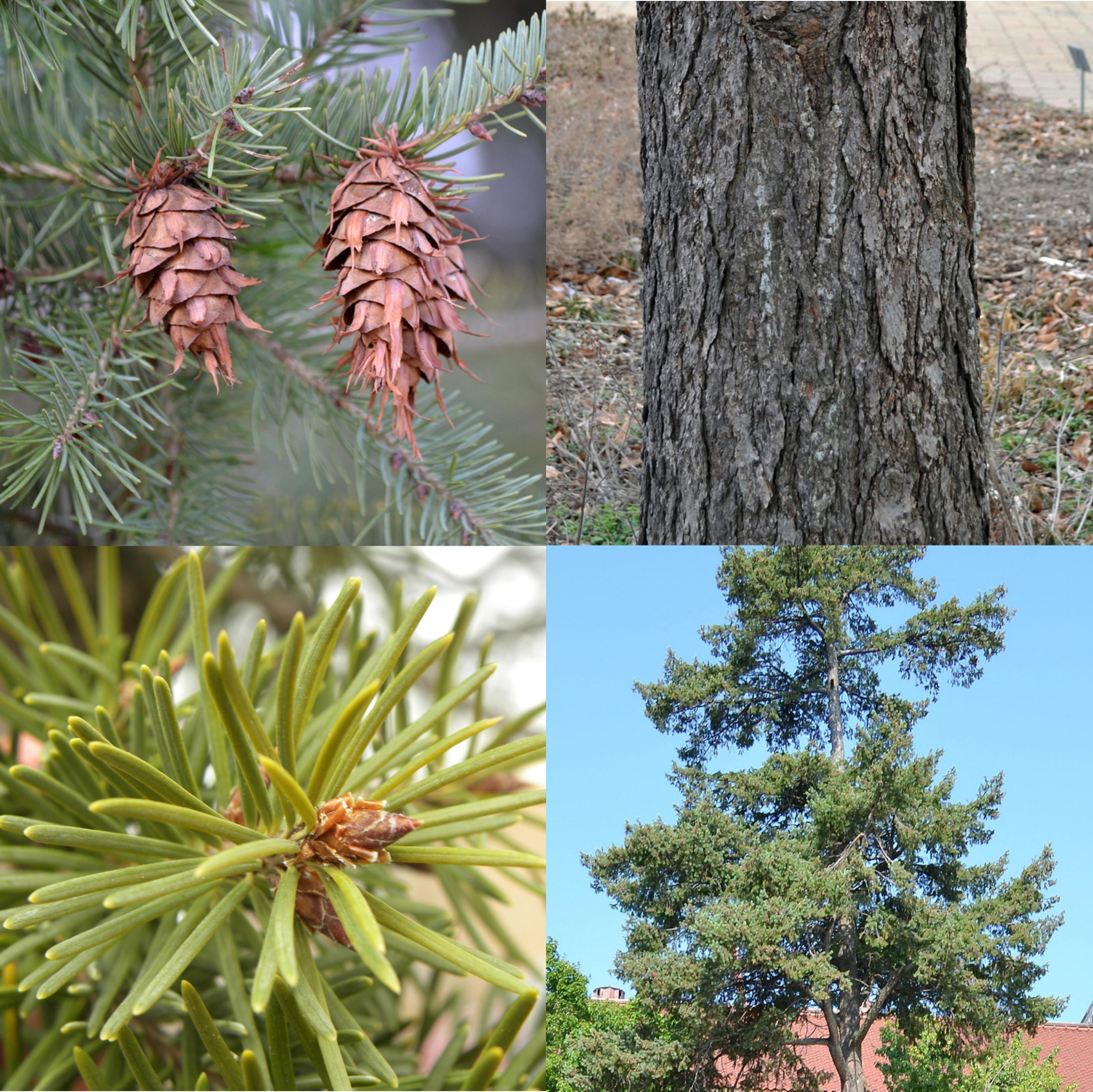
Figure 49. Douglas Fir, Pseudotsuga menziesii
Origin: Native
Zone: 3
Function: Shade tree, specimen
Height: 50-80′
Spread: 50-80’
Form: Upright, massive, broad spreading limbs
Seasonal Interest: Fall– Purplish foliage
Light: Full sun
Soil Moisture: Medium
Limitations: Slow growth. Roots sensitive to disturbance
Cultivars: Limited
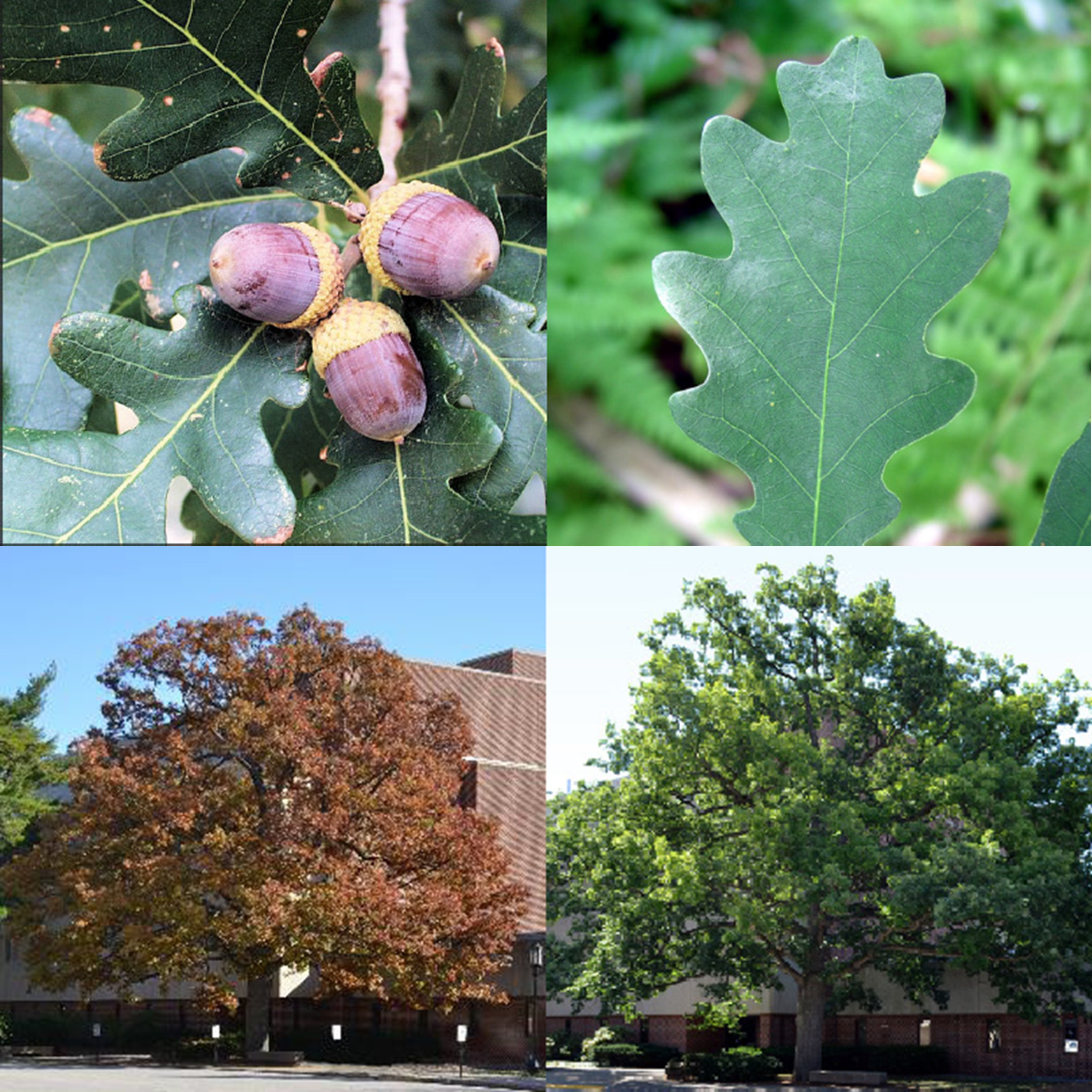
Figure 50. White Oak, Quercus alba
51. Shingle Oak, Quercus imbricaria
Origin: Native
Zone: 4
Function: Shade tree, specimen, naturalizing
Height: 50-60′
Spread: 50-60’
Form: Upright-oval becoming broad-rounded
Seasonal Interest: Fall– Yellow- to russet-red foliage
Light: Full sun
Soil Moisture: Medium
Limitations: Leaves persist into winter, after normal leaf raking period, and then fall
Cultivars: None
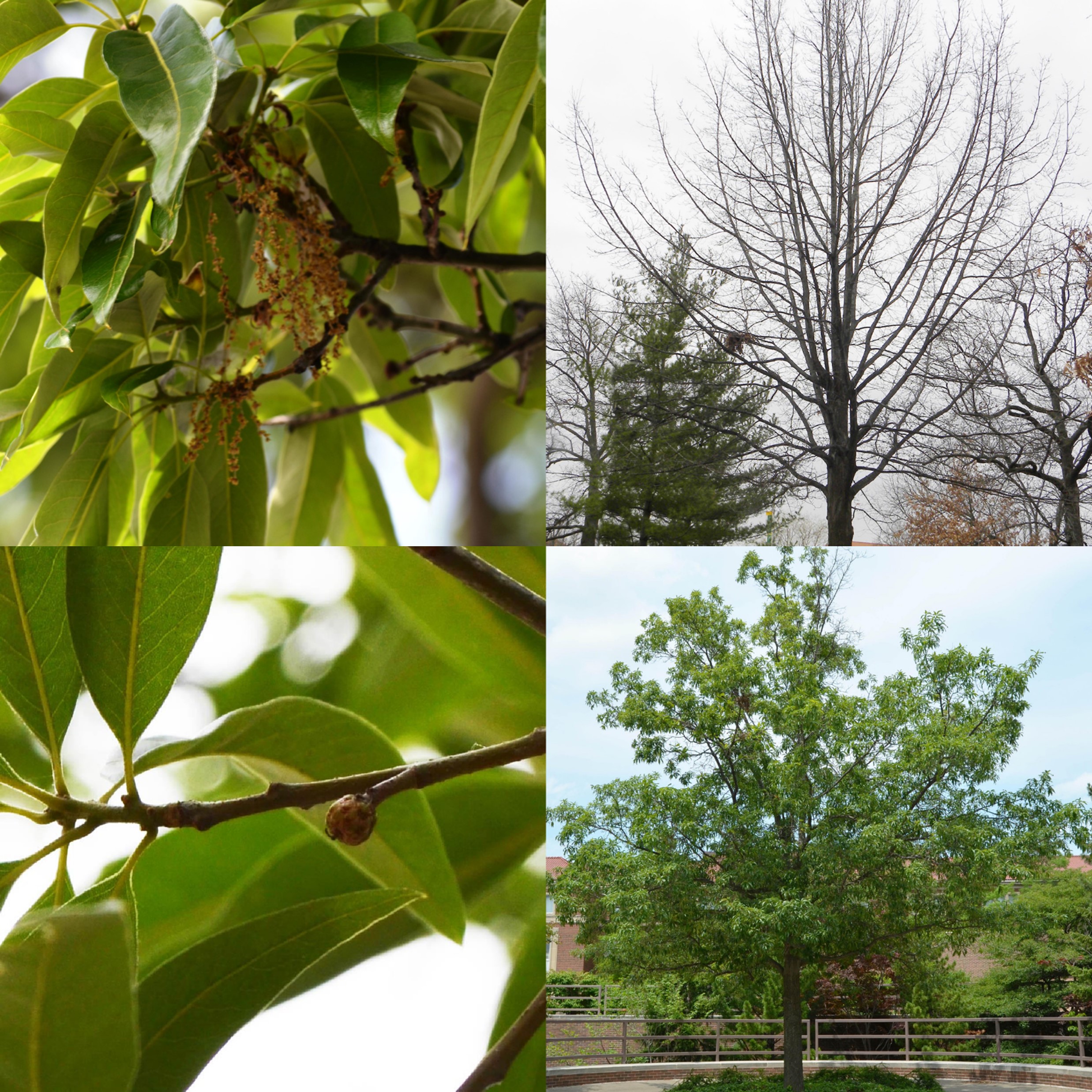
Figure 51. Shingle Oak, Quercus imbricaria
52. Bur Oak, Quercus macrocarpa
Origin: Native
Zone: 3
Function: Shade tree, specimen
Height: 70-80’
Spread: 70-80’
Form: Pyramidal-oval becoming broad-rounded, massive
Seasonal Interest: Fall– Yellowish foliage
Light: Full sun
Soil Moisture: Medium to dry
Limitations: Slow growth rate
Cultivars: None

Figure 52. Bur Oak, Quercus macrocarpa
53. Chinquapin Oak, Quercus muehlenbergii
Origin: Native
Zone: 5
Function: Shade tree, specimen
Height: 40-50’+
Spread: 50-60’
Form: Open-rounded crown
Seasonal Interest: Fall– Yellow to orange-brown foliage
Light: Full sun
Soil Moisture: Medium to dry
Limitations: Does not tolerate wet soil
Cultivars: None

Figure 53. Chinquapin Oak, Quercus muehlenbergii
54. Pin Oak, Quercus palustris
Origin: Native
Zone: 4
Function: Shade tree, specimen
Height: 60-70’
Spread: 25-40’
Form: Upper branches upright to lower branches descending
Seasonal Interest: Fall– Scarlet foliage
Light: Full sun
Soil Moisture: Medium
Limitations: Does not tolerate alkaline soils
Cultivars: Limited
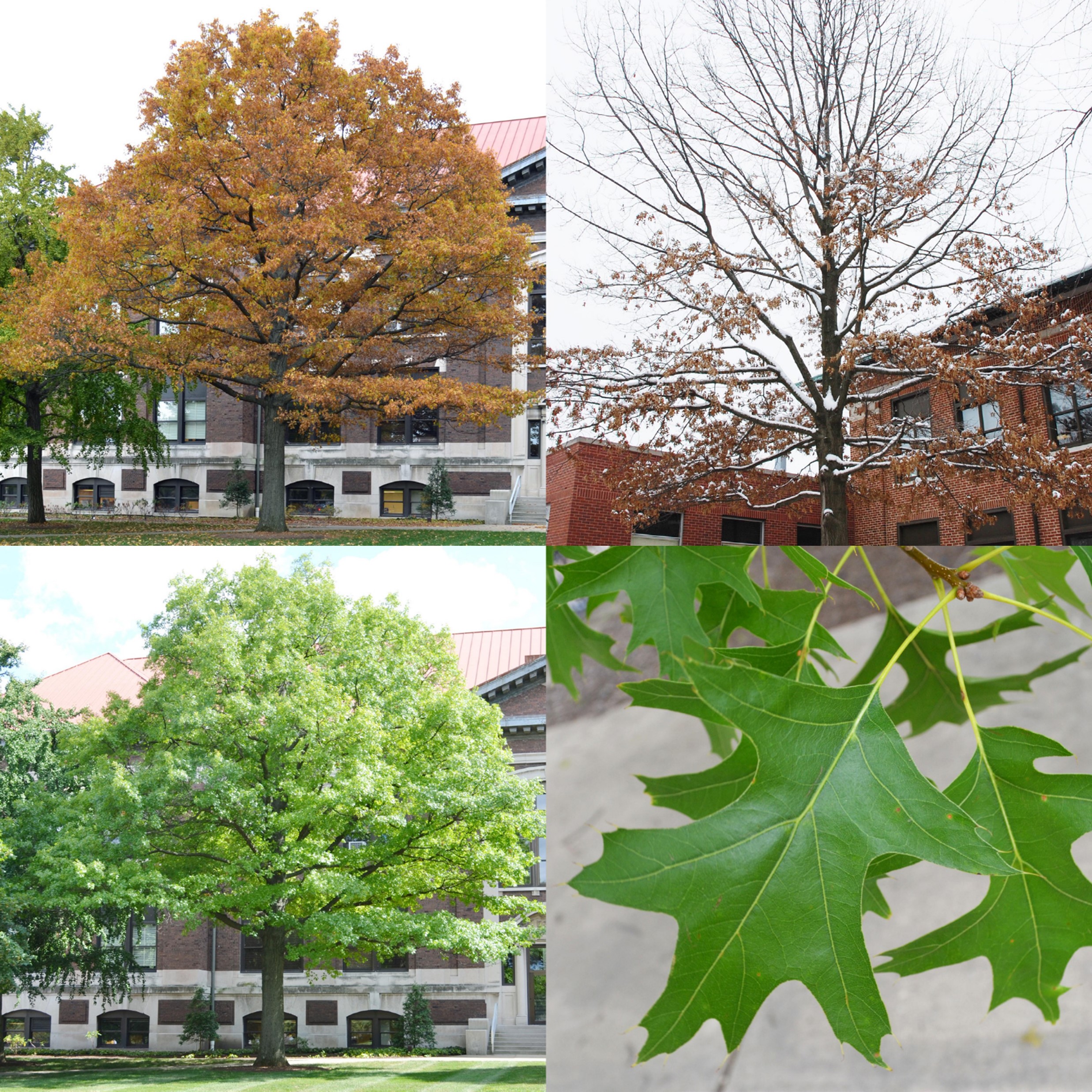
Figure 54. Pin Oak, Quercus palustris
55. Japanese Tree Lilac, Syringa reticulata
Origin: Exotic
Zone: 3
Function: Specimen, border accent, patio tree
Height: 20-30′
Spread: 15-25’
Form: Upright with rounded head
Seasonal Interest: Summer– Creamy-white flowers
Light: Full sun
Soil Moisture: Medium
Limitations: Minor borer and scale susceptibility
Cultivars: Limited
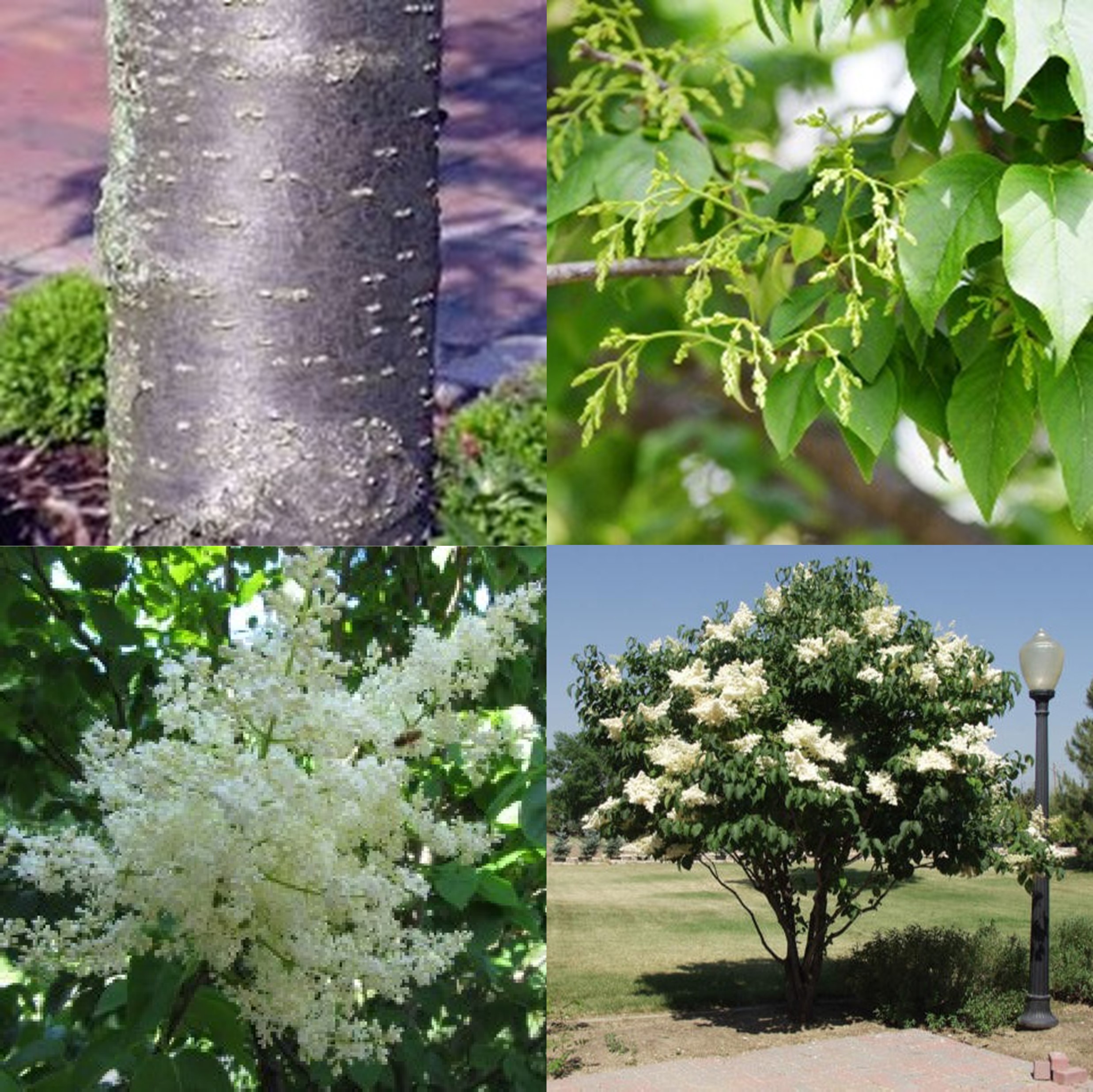
Figure 55. Japanese Tree Lilac, Syringa reticulata
56. Baldcypress, Taxodium distichum
Origin: Native
Zone: 4
Function: Specimen, massing, naturalizing
Height: 50-70’
Spread: 20-30’
Form: Slender and pyramidal
Seasonal Interest: Fall– Russet-brown foliage
Light: Full sun
Soil Moisture: Medium to wet
Limitations: Does not tolerate very alkaline soils
Cultivars: Limited
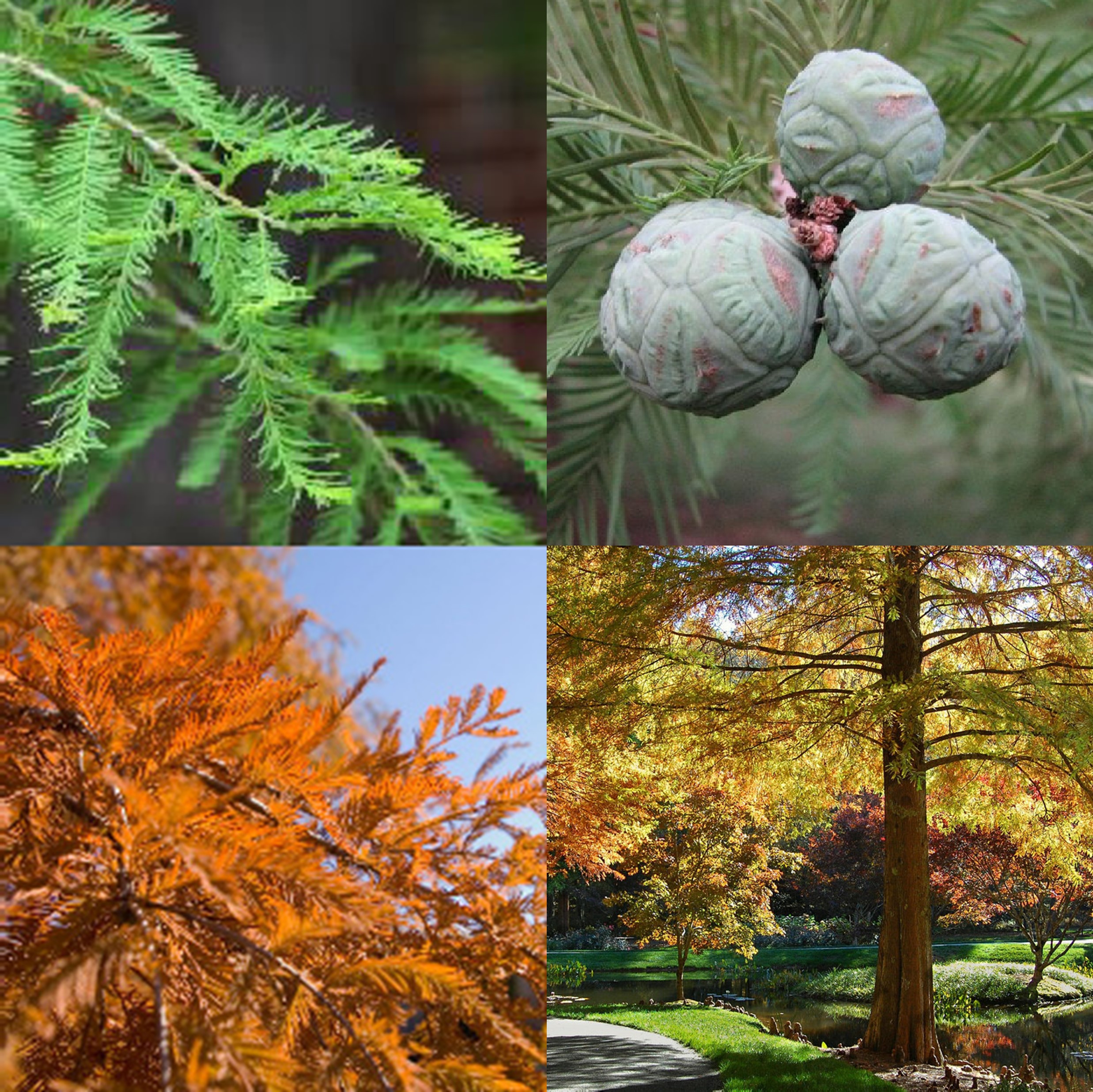
Figure 56. Baldcypress, Taxodium distichum
57. Arborvitae, Thuja ‘Green Giant’
Origin: Hybrid
Zone: 5
Function: Specimen, hedge, screen
Height: 40-60′
Spread: 12-18’
Form: Dense, narrow, pyramidal habit
Seasonal Interest: Summer-scale-like dark green evergreen foliage-does not yellow in winter, Fall/Winter– small, upright, light brown seed cones
Light: Full sun to part shade
Soil Moisture: Medium
Limitations: None
Cultivars: None

Figure 57. Arborvitae, Thuja ‘Green Giant’
58. Eastern Arborvitae, Thuja occidentalis
Origin: Native
Zone: 3
Function: Hedge, screen, massing, specimen
Height: 40-60’
Spread: 10-15’
Form: Upright to globose depending on variant selected
Seasonal Interest: All– Evergreen
Light: Full sun to light shade
Soil Moisture: Medium to wet
Limitations: Bagworms can be a problem. Winter foliage often discolors
Cultivars: Many
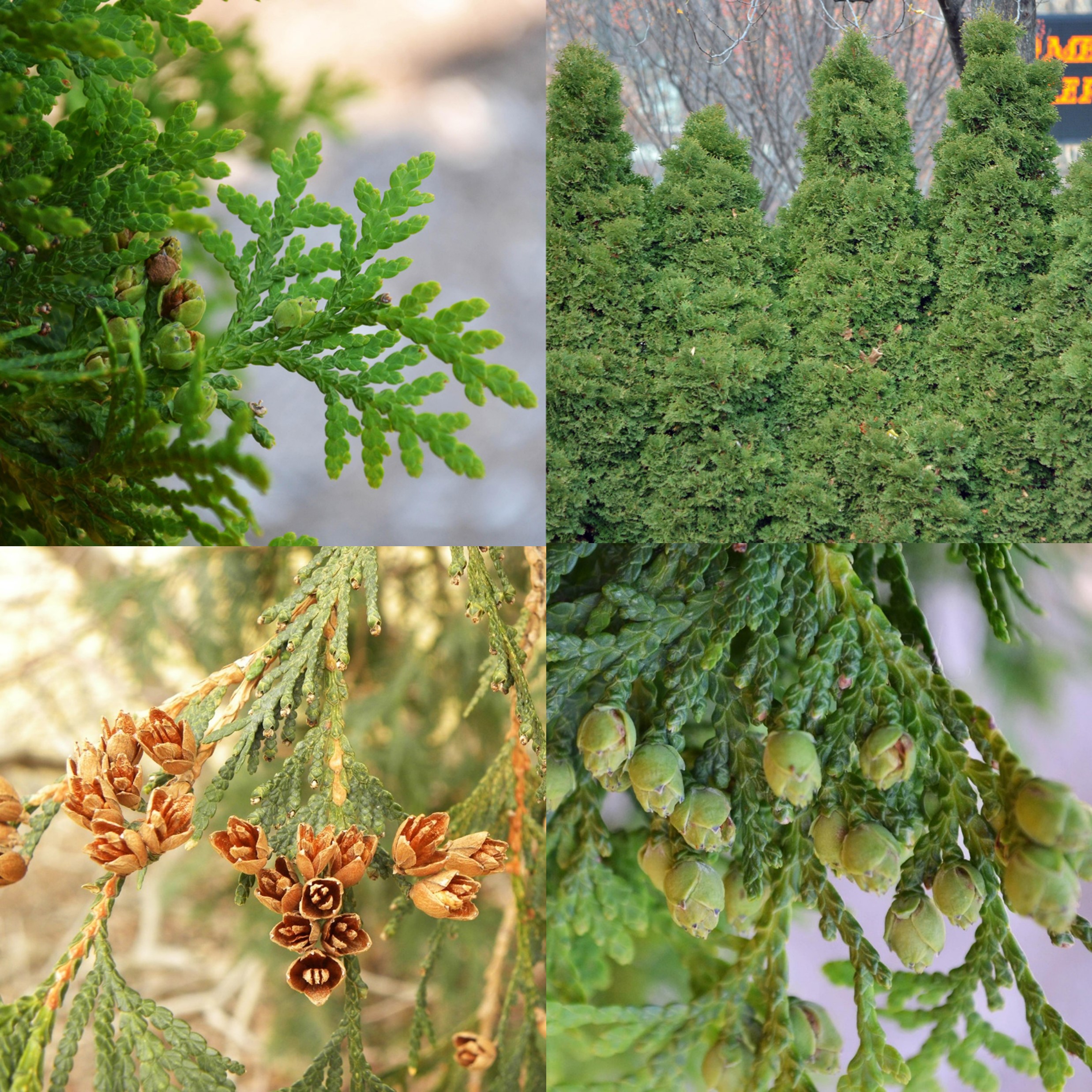
Figure 58. Eastern Arborvitae, Thuja occidentalis
59. Littleleaf Linden, Tilia cordata
Origin: Native
Zone: 3
Function: Shade or street tree
Height: 90’
Spread: 40-50’
Form: Upright, pyramidal with lower branches drooping
Seasonal Interest: Fall– Sometimes soft yellow foliage
Light: Full sun
Soil Moisture: Medium
Limitations: Preferred by Japanese beetles
Cultivars: Few

Figure 59. Littleleaf Linden, Tilia cordata
60. Canadian Hemlock, Tsuga canadensis
Origin: Native
Zone: 3
Function: Hedge, screen, specimen
Height: 40-70’
Spread: 25-35’
Form: Upright and pyramidal
Seasonal Interest: All– Evergreen
Light: Full sun to shade
Soil Moisture: Medium to wet
Limitations: Foliage discolors in exposed winter sites. Wooly Adelgid susceptible
Cultivars: Few

Figure 60. Canadian Hemlock, Tsuga canadensis
61. Frontier Elm, Ulmus ‘Frontier’
Origin: Hybrid
Zone: 4
Function: Shade tree, specimen
Height: 20-25′
Spread: 10-15’
Form: Upright pyramidal.
Seasonal Interest: Fall– Red-purple foliage
Light: Full sun
Soil Moisture: Medium
Limitations: Weak wooded, but good Dutch elm disease and elm leaf beetle resistance
Cultivars: None
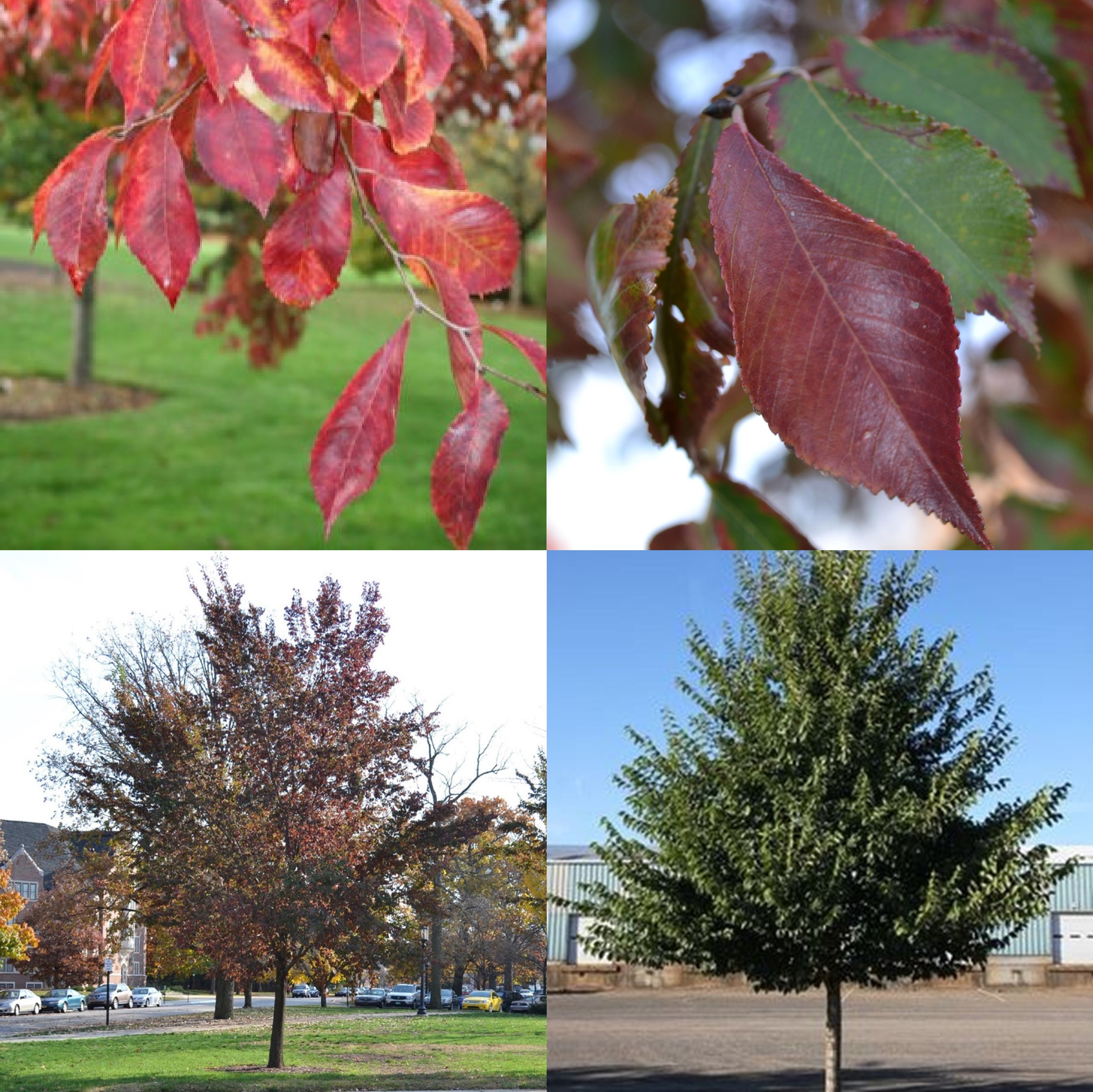
Figure 61. Frontier Elm, Ulmus ‘Frontier’
62. Bosque Elm, Ulmus parvifolia ‘UPMTF’
Origin: Cultivar
Zone: 5
Function: Shade tree, specimen
Height: 50-60′
Spread: 35-40
Form: Upright pyramidal to broadly oval
Seasonal Interest: Fall-Yellow-orange foliage, All– exfoliating bark
Light: Full sun
Soil Moisture: Medium
Limitations: Slow growth. Roots sensitive to disturbance
Cultivars: Limited

Figure 62. Bosque Elm, Ulmus parvifolia ‘UPMTF’
63. Chinese Elm, Ulmus parvifolia ‘Emer II’ ALLEE
Origin: Cultivar
Zone: 5
Function: Shade tree, specimen
Height: 60-70′
Spread: 35-55’
Form: Variable upright to vase-shaped.
Seasonal Interest: Fall– Yellow foliage
Light: Full sun
Soil Moisture: Medium
Limitations: Weak wooded, but good Dutch elm disease and elm leaf beetle resistance
Cultivars: None

Figure 63. Chinese Elm, Ulmus parvifolia ‘Emer II’ ALLEE
64. Nootka Falsecypress, Xanthocyparis nootkatensis
Origin: Native
Zone: 4
Function: Specimen, screen
Height: 30-45′
Spread: 10-20’
Form: Upright conical with drooping branches
Seasonal Interest: All – Evergreen
Light: Full sun
Soil Moisture: Medium to wet
Limitations: Foliage discoloration in exposed winter sites
Cultivars: Limited

Figure 64. Nootka Falsecypress, Xanthocyparis nootkatensis
65. Japanese Zelkova, Zelkova serrata
Origin: Exotic
Zone: 5
Function: Shade tree, specimen
Height: 50-80’
Spread: 40-70’
Form: Upright and vase-shaped
Seasonal Interest: Fall– Yellow to maroon foliage
Light: Full sun
Soil Moisture: Medium
Limitations: Minor problems with elm disease and pests
Cultivars: Limited
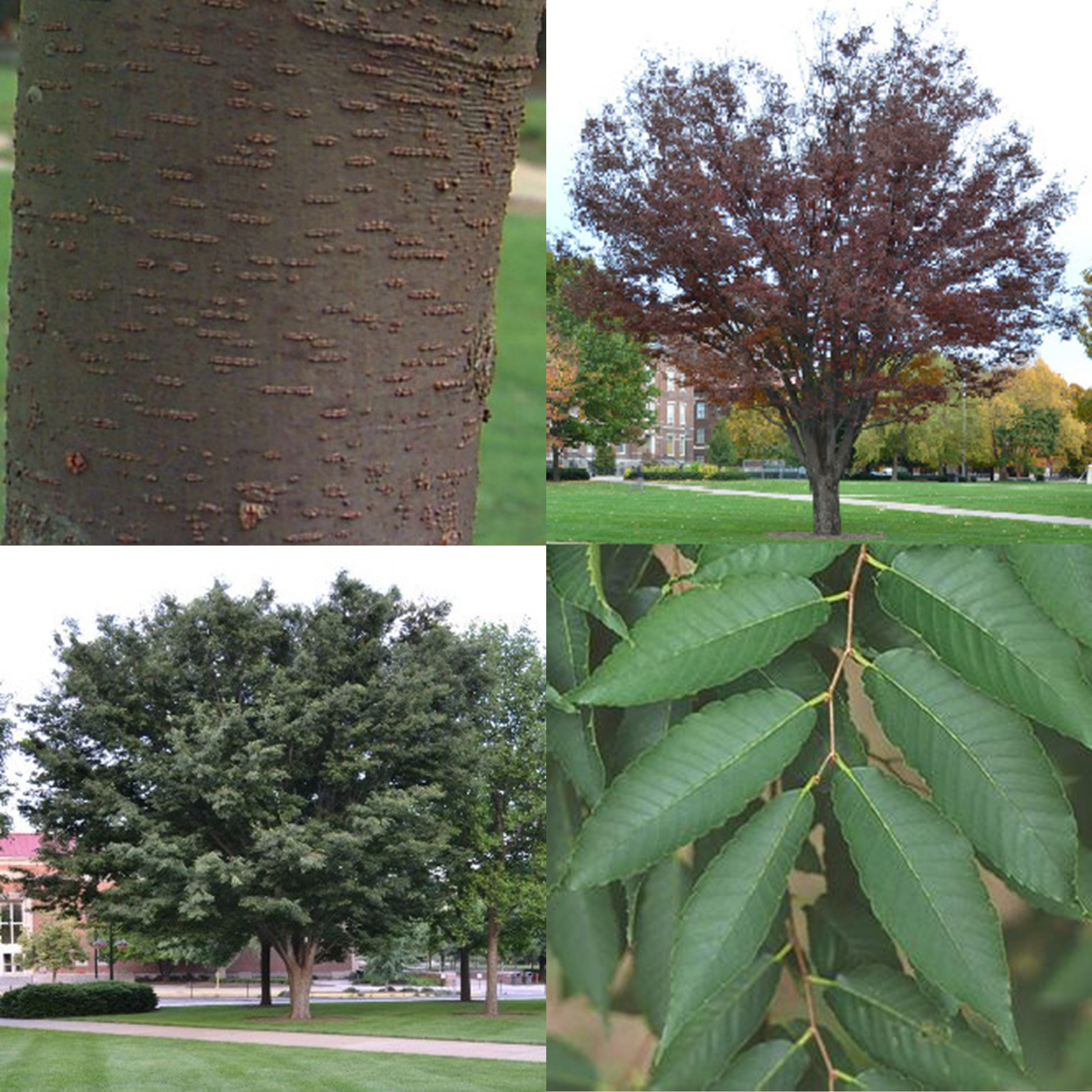
Figure 65. Japanese Zelkova, Zelkova serrata
Shrubs
1. Bottlebrush Buckeye, Aesculus parviflora
Origin: Native
Zone: 4
Function: Specimen, massing
Height: 8-12’
Spread: 8-15’
Form: Broad, mound-like, with upright branch tips
Seasonal Interest: Summer:- White bottlebrush-like flowers
Light: Full sun to partial shade
Soil Moisture: Medium
Limitations: Suckers freely
Cultivars: Limited

Figure 66. Bottlebrush Buckeye, Aesculus parviflora
2. Red Chokeberry, Aronia arbutifolia
Origin: Native
Zone: 4
Function: Naturalizing border, specimen
Height: 6-10’
Spread: 3-5’
Form: Upright, loosely branching
Seasonal Interest: Spring- White flowers. Fall– Crimson-red foliage
Light: Full sun to partial shade
Soil Moisture: Medium to dry
Limitations: Without pruning, gets leggy with age
Cultivars: Limited

Figure 67. Red Chokeberry, Aronia arbutifolia
3. Black Chokeberry, Aronia melanocarpa
Origin: Native
Zone: 3
Function: Hedge, Naturalize
Height: 3-5’
Spread: 3-5’
Form: open, upright, spreading, somewhat rounded
Seasonal Interest: Spring-white flowers, Fall– black berries, wine-red to purplish-red foliage
Light: Full sun to part shade
Soil Moisture: Medium
Limitations: None
Cultivars: Few

Figure 68. Black Chokeberry, Aronia melanocarpa
4. Boxwood, Buxus ‘Green Gem’, ‘Green Velvet’, ‘Green Mountain’
Origin: Hybrid
Zone: 4
Function: Specimen, naturalizing, border, hedge
Height: 3-5’
Spread: 2-4’
Form: Compact to loosely rounded or upright
Seasonal Interest: All- evergreen
Light: Full sun to part shade
Soil Moisture: Medium
Limitations: Exposure to winter sun and winds can cause bronzing of foliage in some cultivars
Cultivars: Many, Sheridan Green Series selected for winter hardiness

Figure 69. Boxwood, Buxus ‘Green Gem’, ‘Green Velvet’, ‘Green Mountain’
5. Butterfly Bush, Buddleja davidii
Origin: Exotic
Zone: 5
Function: Specimen, naturalizing, border
Height: 6-8’
Spread: 3-5’
Form: Bushy with arching stems
Seasonal Interest: Summer-Lilac to purple with orange-yellow throats
Light: Full sun
Soil Moisture: Medium
Limitations: Can be invasive
Cultivars: Many
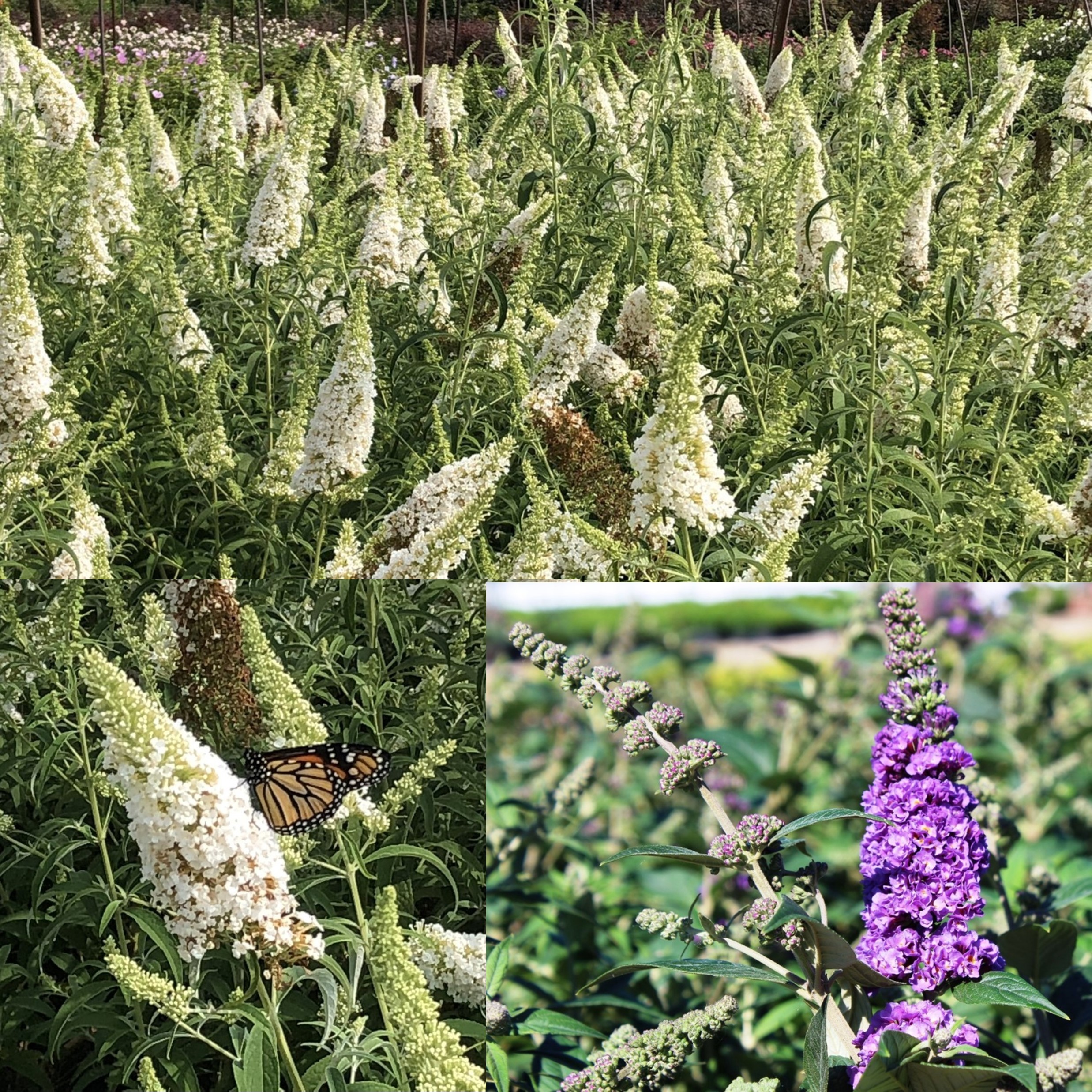
Figure 70. Butterfly Bush, Buddleja davidii
6. Japanese Barberry, Berberis thunbergia
Origin: Exotic
Zone: 4
Function: Hedge, border, specimen
Height: 3-6’
Spread: 4-7’
Form: Stiff branching in rounded mass
Seasonal Interest: Fall– Reddish foliage
Light: Full sun
Soil Moisture: Medium
Limitations: Avoid extremely wet sites, can be invasive
Cultivars: Many

Figure 71. Japanese Barberry, Berberis thunbergia
7. Littleleaf Boxwood, Buxus microphylla var. koreana
Origin: Exotic
Zone: 4
Function: Border, specimen, foundation, rock garden
Height: 3-4’
Spread: 3-4’
Form: Compact to loosely rounded
Seasonal Interest: All- Evergreen
Light: Full sun to partial shade
Soil Moisture: Medium
Limitations: Leaf browning in winter sun
Cultivars: Many
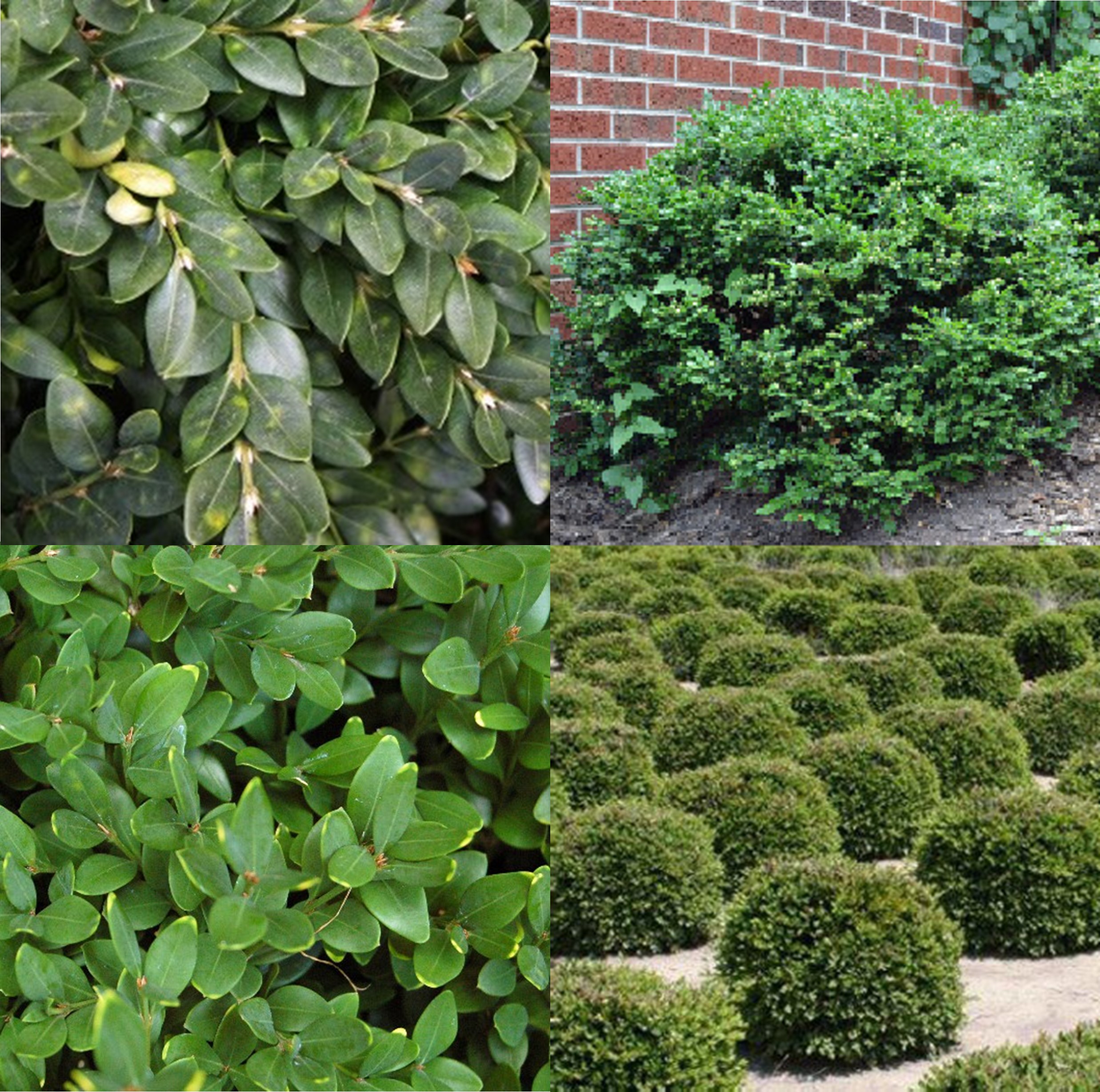
Figure 72. Littleleaf Boxwood, Buxus microphylla var. koreana
8. Sweetshrub, Calycanthus floridus
Origin: Native
Zone: 4
Function: Border, specimen, massing
Height: 6-9’
Spread: 6-12’
Form: Spreading, bushy, and regularly rounded
Seasonal Interest: Spring- Fragrant, reddish-brown flowers
Light: Full sun to shade
Soil Moisture: Medium to wet
Limitations: Seeds are poisonous
Cultivars: Limited

Figure 73. Sweetshrub, Calycanthus floridus
9. Summersweet Clethra, Clethra alnifolia
Origin: Native
Zone: 4
Function: Border, screen, massing, specimen
Height: 4-8’
Spread: 4-6’
Form: Upright, becoming a rounded mass
Seasonal Interest: Summer- Fragrant, white flowers
Light: Full sun
Soil Moisture: Medium
Limitations: Can become mite infested on dry soils
Cultivars: Many
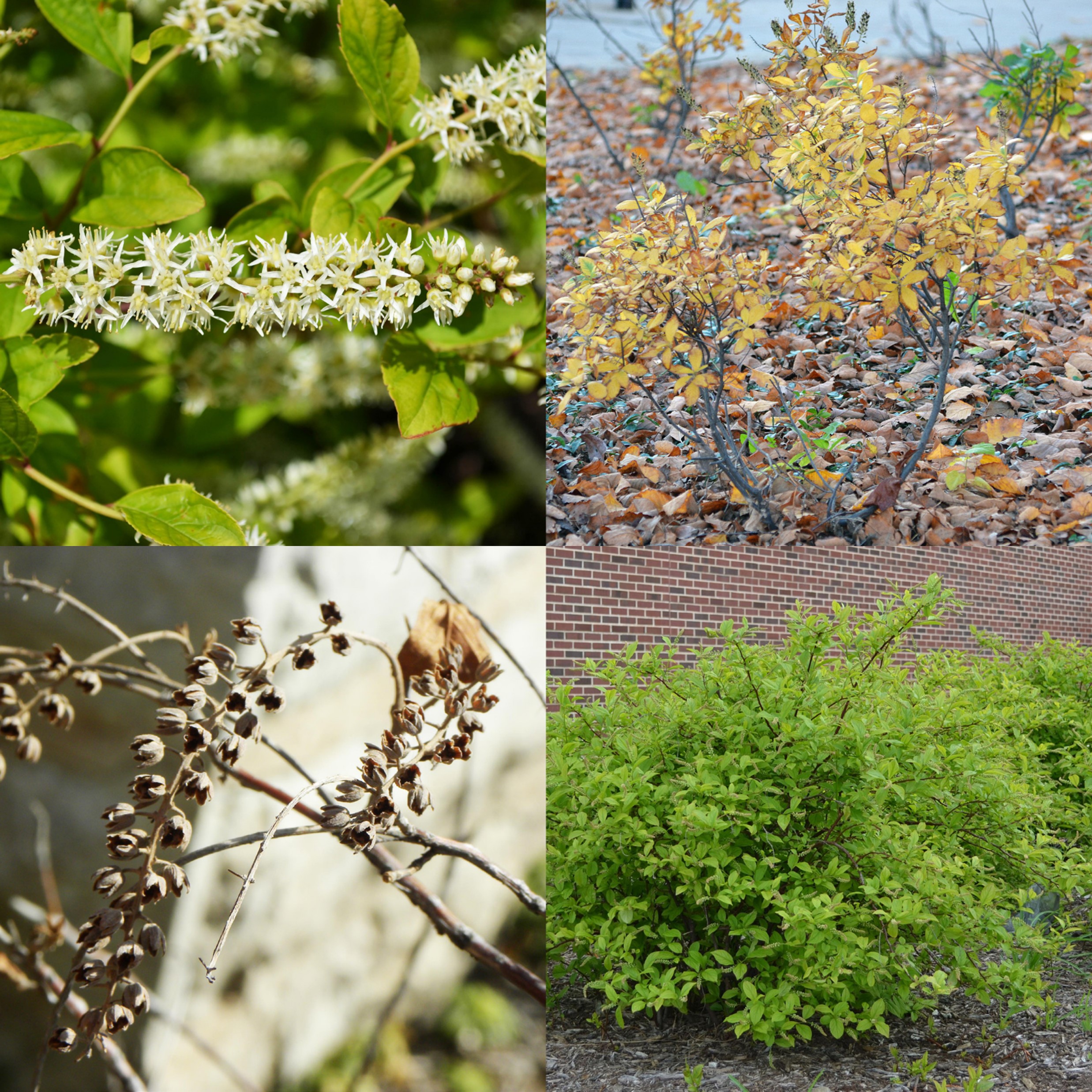
Figure 74. Summersweet Clethra, Clethra alnifolia
10. Redosier Dogwood, Cornus sericea
Origin: Native
Zone: 2
Function: Screen, massing, bank cover, border, specimen
Height: 7-9’
Spread: 6-10’
Form: Upright with arching branches making a thicket
Seasonal Interest: Fall– Red foliage and white fruit. Winter– Red twigs
Light: Full sun to partial shade
Soil Moisture: Medium to wet
Limitations: 3-year pruning cycle improves form and winter twig color
Cultivars: Many

Figure 75. Redosier Dogwood, Cornus sericea
11. Smoketree, Cotinus coggygria
Origin: Exotic
Zone: 4
Function: Specimen, border, massing
Height: 10-15’
Spread: 10-15’
Form: Stiffly upright with rounded head
Seasonal Interest: Summer– Yellow-pink-purple panicles. Fall– Multi-colored foliage
Light: Full sun
Soil Moisture: Medium
Limitations: Verticillium wilt can be problematic
Cultivars: Many

Figure 76. Smoketree, Cotinus coggygria
12. Slender Deutzia, Deutzia gracilis
Origin: Exotic
Zone: 4
Function: Hedge, Naturalize
Height: 2-4’
Spread: 3-4’
Form: Dense, rounded
Seasonal Interest: Spring-white flowers
Light: Full sun to part shade
Soil Moisture: Medium
Limitations: None
Cultivars: Few

Figure 77. Slender Deutzia, Deutzia gracilis
13. Cranberry Cotoneaster, Cotoneaster apiculatus
Origin: Exotic
Zone: 4
Function: Border (front), groundcover, rock garden
Height: 3’
Spread: 3-6’
Form: Low, mound-like with graceful arching branches
Seasonal Interest: Summer– Cranberry-red fruits. Fall– Red foliage
Light: Full sun
Soil Moisture: Medium
Limitations: Mite and lacebug problems in especially dry sites
Cultivars: Limited

Figure 78. Cranberry Cotoneaster, Cotoneaster apiculatus
14. Winged Euonymus, Euonymus alatus
Origin: Exotic
Zone: 4
Function: Border, specimen, hedge
Height: 15-20’
Spread: 15-20’
Form: Upright with horizontal branches
Seasonal Interest: Fall– Flame-red foliage
Light: Full sun to partial shade
Soil Moisture: Medium
Limitations: Can be invasive by seeds
Cultivars: Limited (‘Compactus’ sold as Burning Bush)
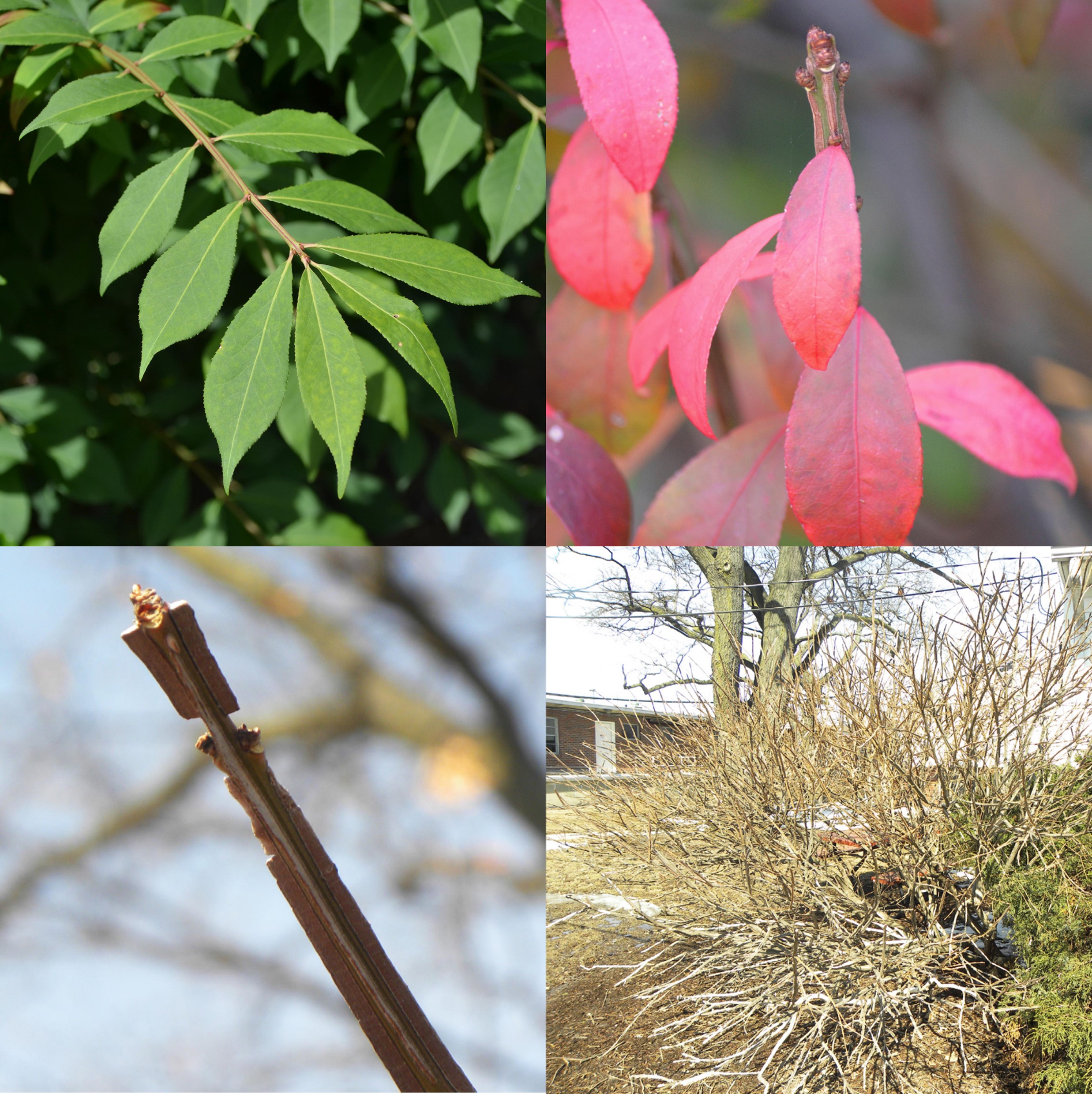
Figure 79. Winged Euonymus, Euonymus alatus
15. Border Forsythia, Forsythia x intermedia
Origin: Hybrid
Zone: 4
Function: Border, screen, specimen
Height: 8-10’
Spread: 10-12’
Form: Upright with arching branches, fountain-shaped
Seasonal Interest: Spring– Yellow flowers
Light: Full sun to partial shade
Soil Moisture: Medium to wet
Limitations: Flower buds can be killed by severe winters and late frost
Cultivars: Many
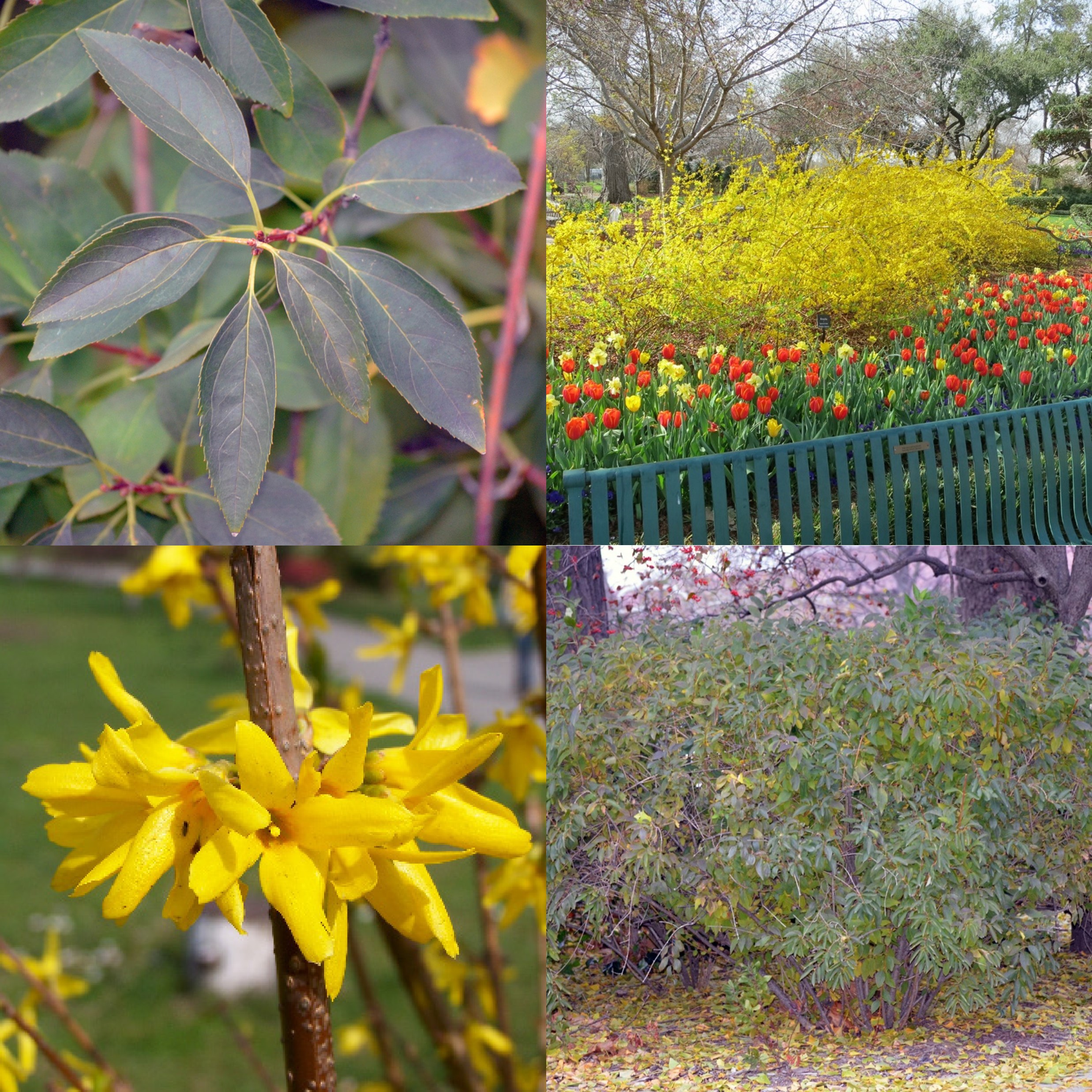
Figure 80. Border Forsythia, Forsythia x intermedia
16. Dwarf Fothergilla, Fothergilla gardenia
Origin: Native
Zone: 4
Function: Border, specimen, massing
Height: 2-3’
Spread: 2-4’
Form: Upright and rounded
Seasonal Interest: Spring– Creamy-white bottlebrush flowers
Light: Full sun to partial shade
Soil Moisture: Medium to wet
Limitations: Chlorosis develops in very alkaline soils
Cultivars: Limited
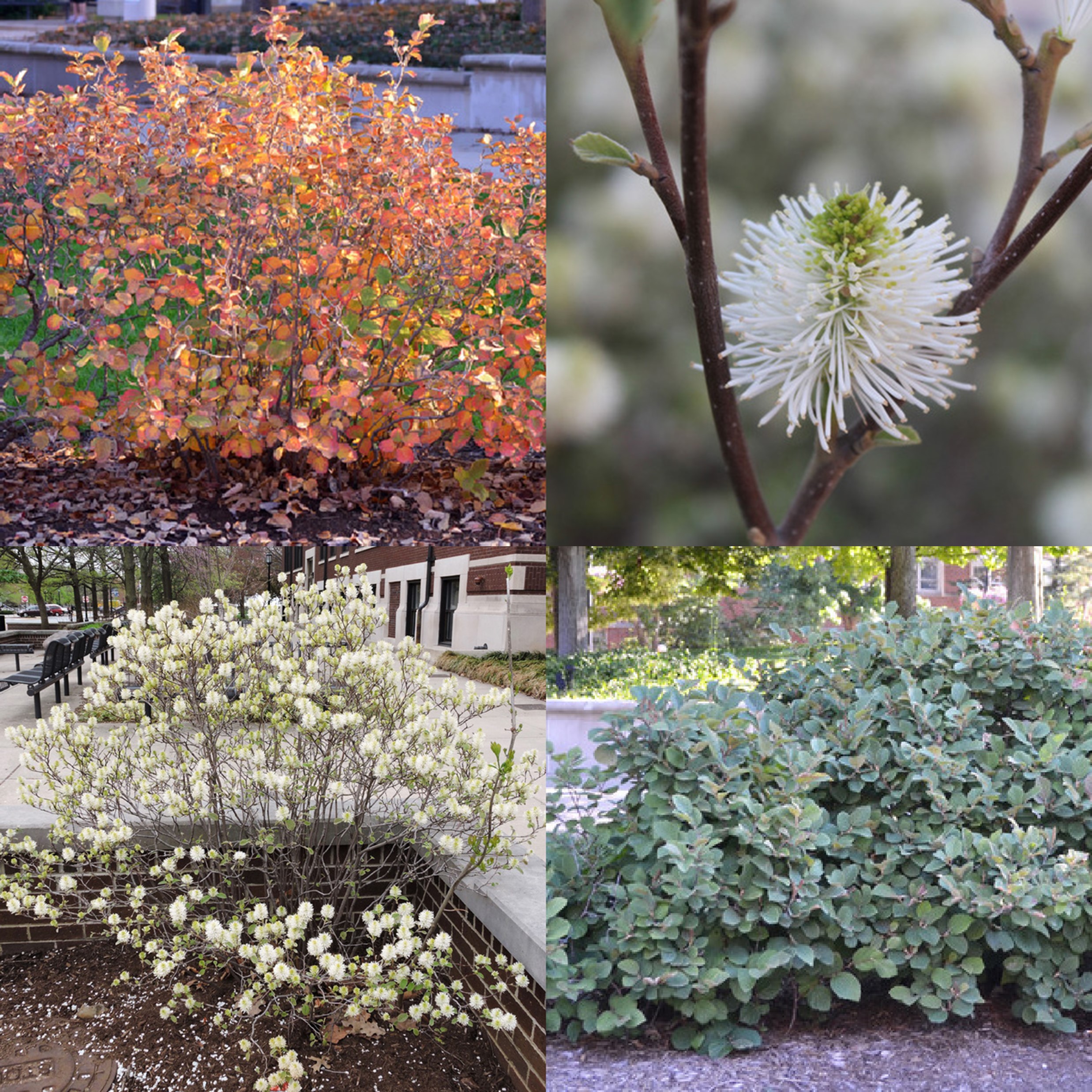
Figure 81. Dwarf Fothergilla, Fothergilla gardenia
17. Common Witchhazel, Hamamelis virginiana
Origin: Native
Zone: 3
Function: Border, screen, specimen, naturalizing
Height: 20-30′
Spread: 20-30’
Form: Upright, wide spreading
Seasonal Interest: Fall-Yellow, sometimes twinged with orange or red flowers
Light: Full sun to part shade
Soil Moisture: Medium
Limitations: None
Cultivars: Few
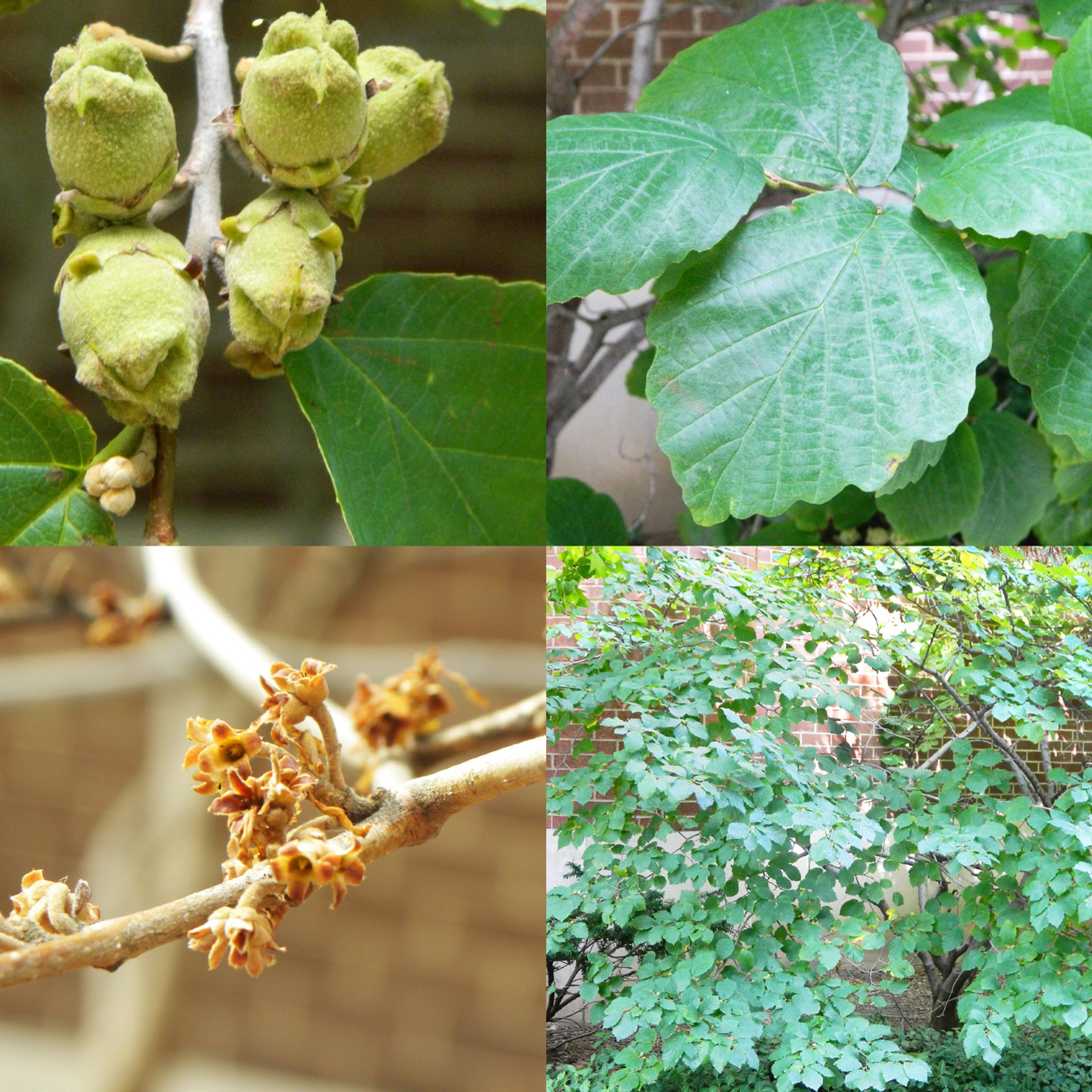
Figure 82. Common Witchhazel, Hamamelis virginiana
18. Vernal Witchhazel, Hamamelis vernalis
Origin: Native
Zone: 4
Function: Border, screen, specimen, naturalizing
Height: 6-10’
Spread: 10-15’
Form: Upright, wide-spreading
Seasonal Interest: Fall– Yellow foliage. Winter– Yellow flowers
Light: Full sun to shade
Soil Moisture: Medium
Limitations: Slow growth, avoid pruning
Cultivars: Limited

Figure 83. Vernal Witchhazel, Hamamelis vernalis
19. Rose-of Sharon, Hibiscus syriacus
Origin: Exotic
Zone: 5
Function: Specimen, border, hedge
Height: 8-12’
Spread: 6-10’
Form: Stiffly upright with few branches
Seasonal Interest: Fall– Colorful flowers
Light: Full sun to partial shade
Soil Moisture: Medium to wet
Limitations: Becomes leggy with age
Cultivars: Many
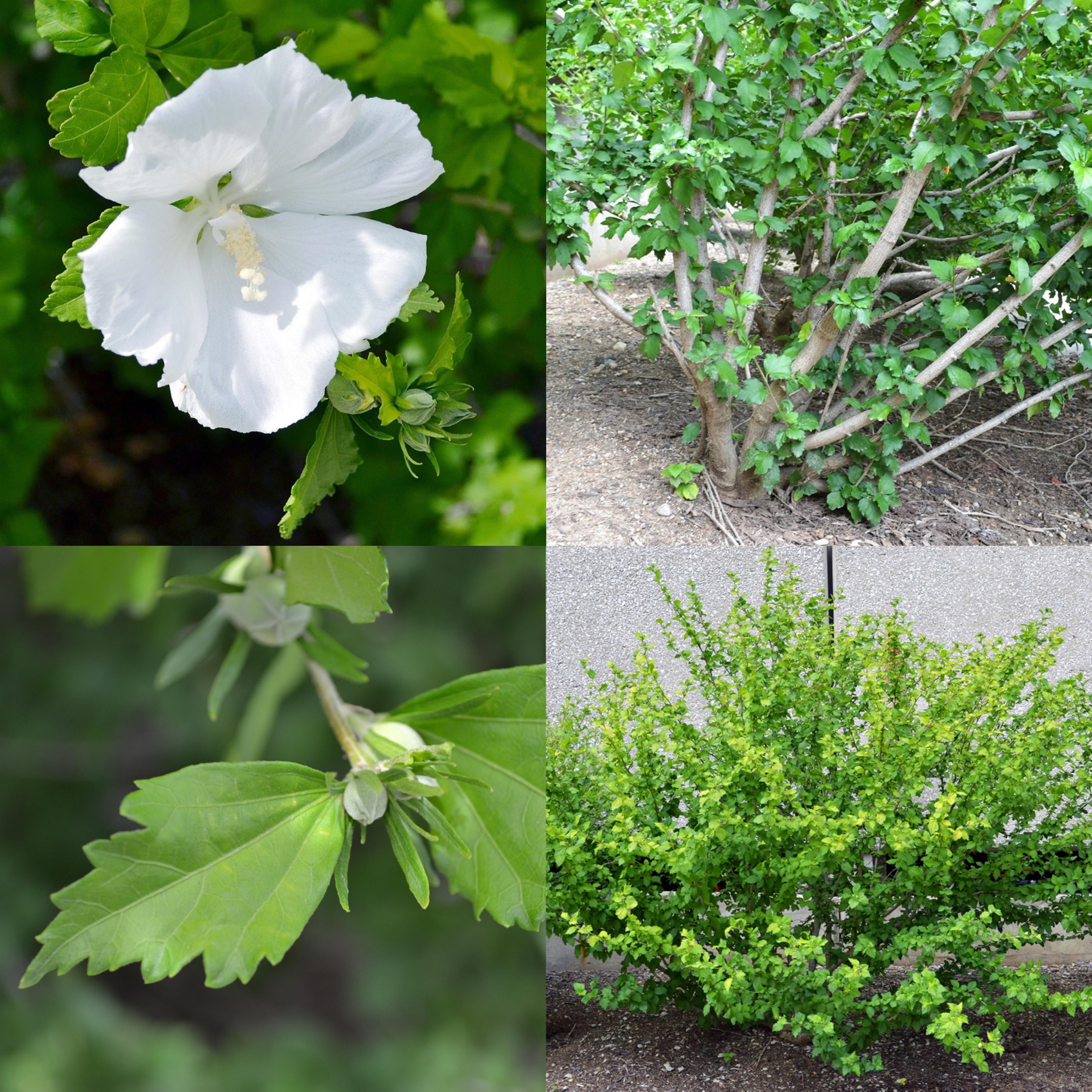
Figure 84. Rose-of Sharon, Hibiscus syriacus
20. Big Leaf Hydrangea, Hydrangea macrophylla
Origin: Exotic
Zone: 5
Function: Border, massing, specimen
Height: 3-4’
Spread: 3-4’
Form: Broad, rounded
Seasonal Interest: Summer-Rose to red to blue flowers
Light: Part shade
Soil Moisture: Medium
Limitations: None
Cultivars: Few
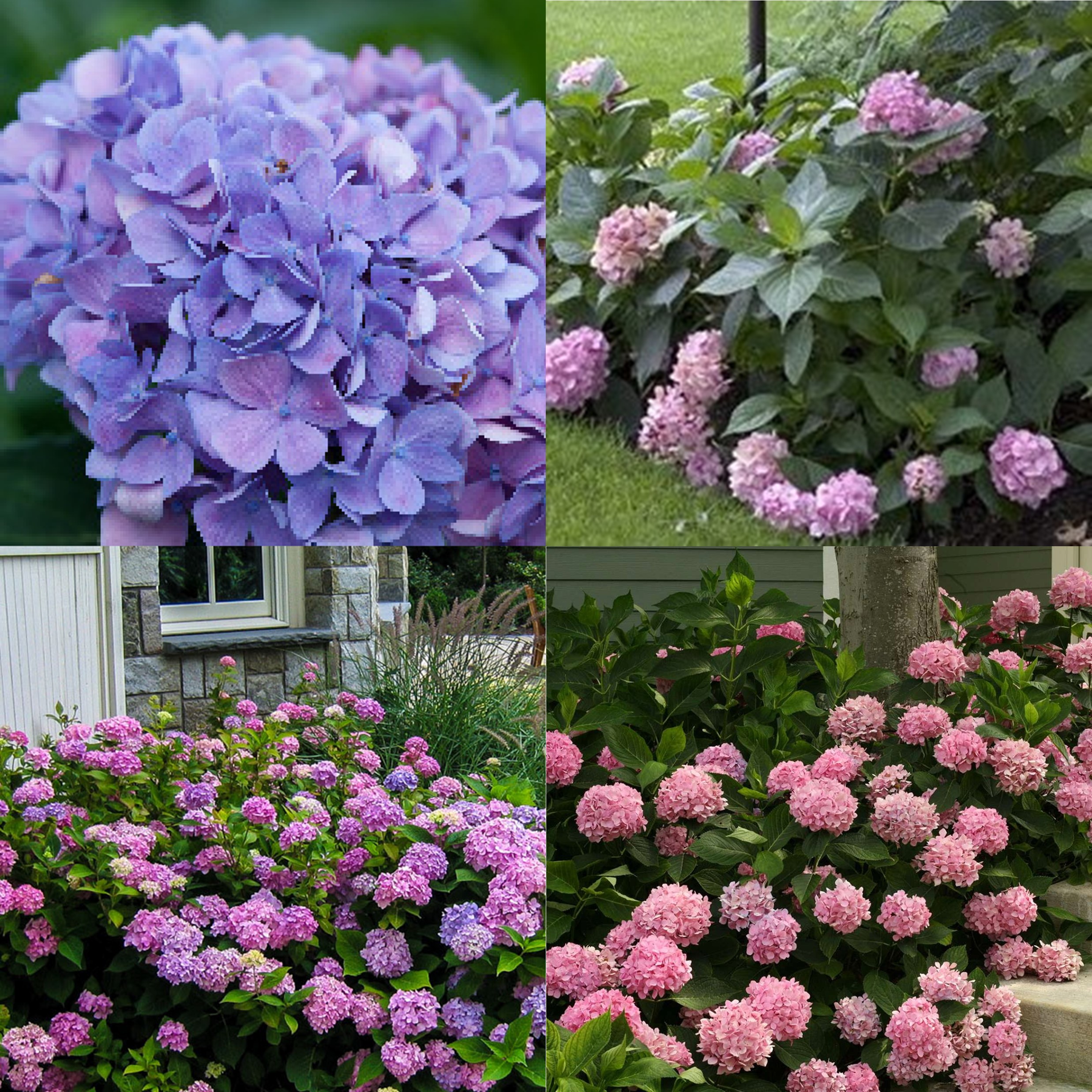
Figure 85. Big Leaf Hydrangea, Hydrangea macrophylla
21. Panicle Hydrangea, Hydrangea paniculata
Origin: Exotic
Zone: 3
Function: Specimen, hedge
Height: 8-15’
Spread: 6-12’
Form: Upright, spreading
Seasonal Interest: Summer-White flower panicles
Light: Full sun to part shade
Soil Moisture: Medium
Limitations: None
Cultivars: Few
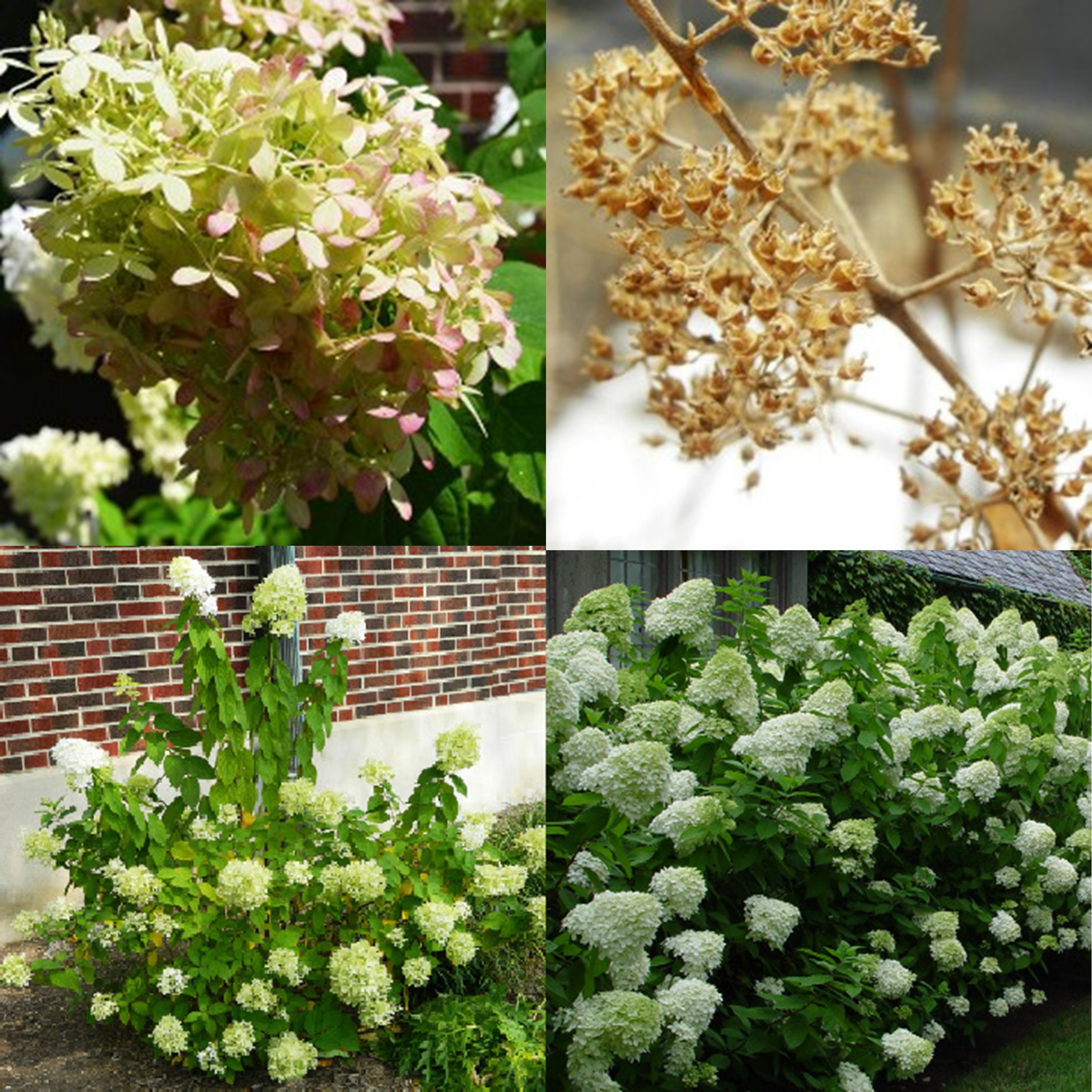
Figure 86. Panicle Hydrangea, Hydrangea paniculata
22. Smooth Hydrangea, Hydrangea arborescens
Origin: Native
Zone: 4
Function: Border, massing, specimen
Height: 3-5’
Spread: 3-5’
Form: Broad rounded, low growing and clumping
Seasonal Interest: Summer– White flowers
Light: Full sun to shade
Soil Moisture: Medium to wet
Limitations: Tops may kill to ground in colder winters
Cultivars: Many
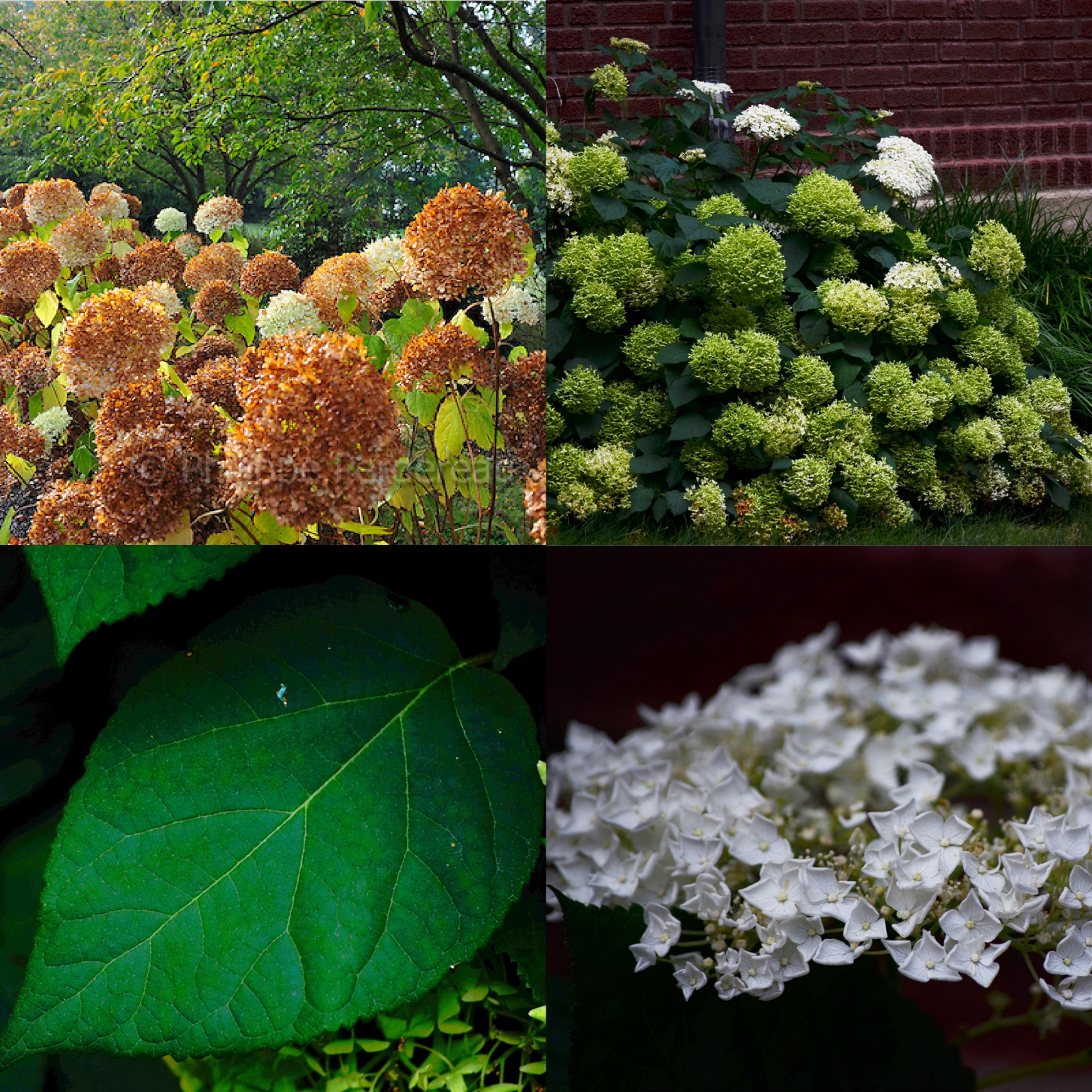
Figure 87. Smooth Hydrangea, Hydrangea arborescens
23. Oakleaf Hydrangea, Hydrangea quercifolia
Origin: Native
Zone: 5
Function: Border, massing, specimen
Height: 5-8’
Spread: 5-8’
Form: Upright and loosely irregular
Seasonal Interest: Summer– White flowers, Fall– Maroon foliage
Light: Full sun to shade
Soil Moisture: Medium to wet
Limitations: Tops may kill to ground in severe winters
Cultivars: Many

Figure 88. Oakleaf Hydrangea, Hydrangea quercifolia
24. Meserve Holly, Ilex x meserveae
Origin: Hybrid
Zone: 5
Function: Specimen, massing, screen, foundation
Height: 3-6’
Spread: 3-6’
Form: Upright, rounded, slightly arching branches
Seasonal Interest: All– Evergreen. Fall– Red berries (on females)
Light: Full sun to partial shade
Soil Moisture: Medium to wet
Limitations: Winter desiccation injury in exposed sites. Avoid alkaline soils
Cultivars: Many

Figure 89. Meserve Holly, Ilex x meserveae
25. Winterberry, Ilex verticillate
Origin: Native
Zone: 3
Function: Border, screen, massing, stream banks
Height: 6-10’
Spread: 6-10’
Form: Upright, oval- to broad rounded, twiggy
Seasonal Interest: Fall– Red berries
Light: Full sun to partial shade
Soil Moisture: Medium to very wet
Limitations: Leaf spot and mildew can be severe. Avoid alkaline soils
Cultivars: Many
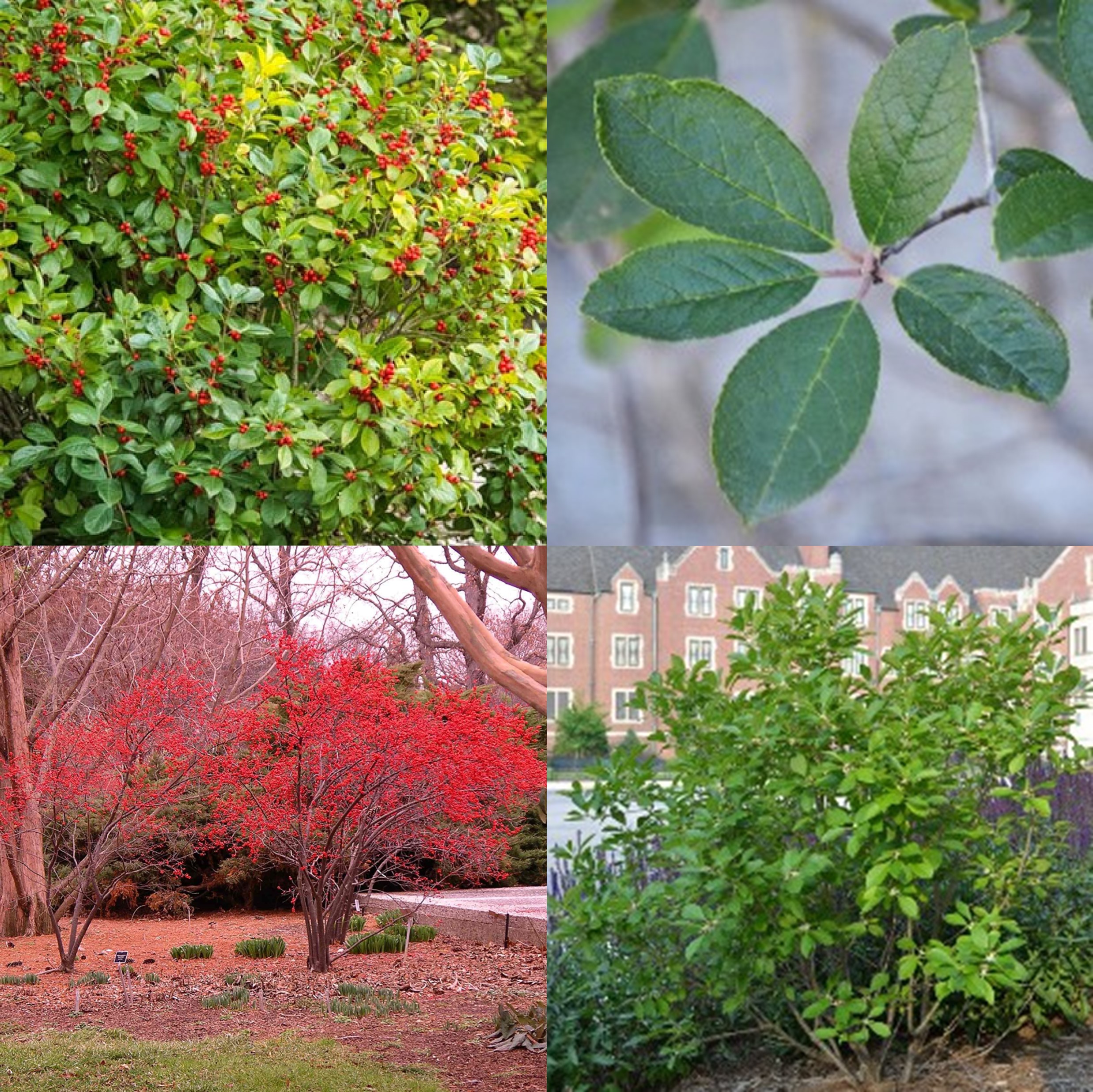
Figure 90. Winterberry, Ilex verticillate
26. Virginia Sweetspire, Itea virginica
Origin: Native
Zone: 5
Function: Naturalizing, border, specimen
Height: 3-5’
Spread: 3-5’
Form: Low mound with upright branches
Seasonal Interest: Summer– White to deep pink flowers
Light: Full sun to shade
Soil Moisture: Medium to wet
Limitations: Pruning needed to maintain form; leafs out late
Cultivars: Limited
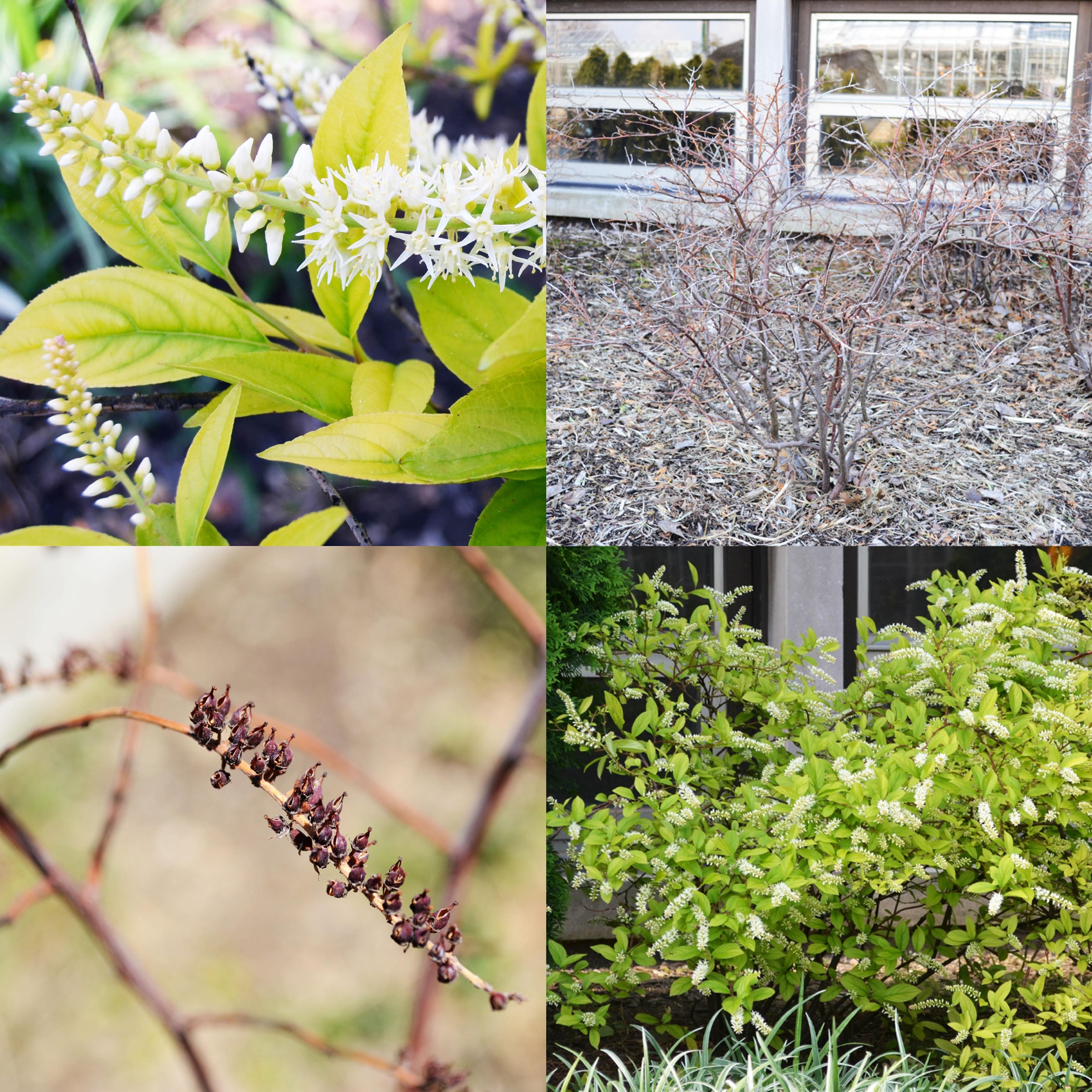
Figure 91. Virginia Sweetspire, Itea virginica
27. Chinese Juniper, Juniperus chinensis
Origin: Exotic
Zone: 4
Function: Screen, specimen, border
Height: 50-60′
Spread: 15-20’
Form: Procumbent to spreading based on variant selected
Seasonal Interest: All– Evergreen
Light: Full sun
Soil Moisture: Medium to dry
Limitations: Phomopsis twig blight susceptible
Cultivars: Many (varying in growth habit)
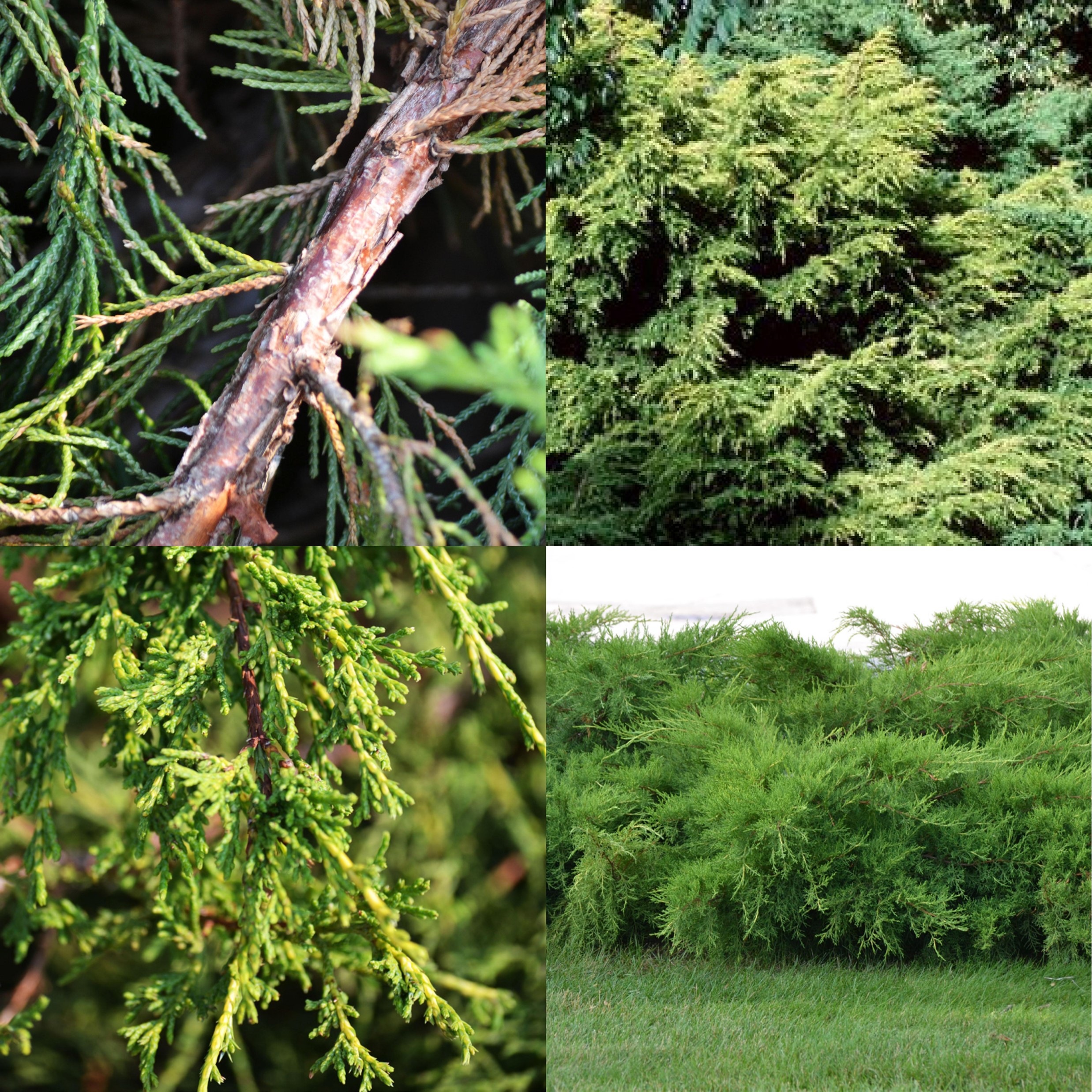
Figure 92. Chinese Juniper, Juniperus chinensis
28. Creeping Juniper, Juniperus horizontalis
Origin: Native
Zone: 3
Function: groundcover
Height: .5 – 1.5’
Spread: 5-8’
Form: Procumbent to spreading
Seasonal Interest: All– Evergreen
Light: Full sun
Soil Moisture: Medium
Limitations: Blight and occasional insect pests
Cultivars: Few
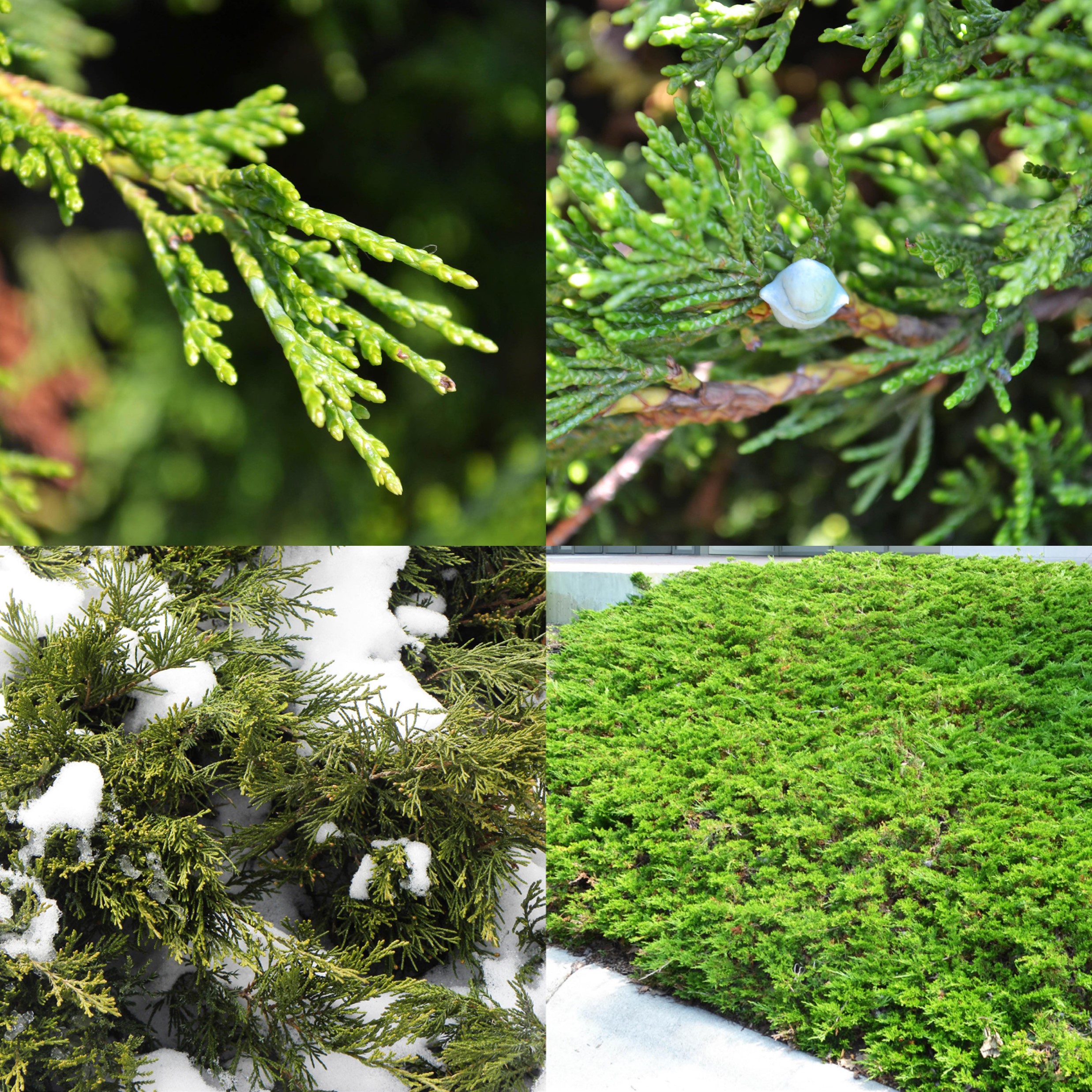
Figure 93. Creeping Juniper, Juniperus horizontalis
29. Japanese Garden Juniper, Juniperus procumbens
Origin: Exotic
Zone: 4
Function: groundcover
Height: 1-2’
Spread: 10-15’
Form: Procumbent to spreading
Seasonal Interest: All– Evergreen
Light: Full sun
Soil Moisture: Medium
Limitations: Phomopsis twig blight susceptible
Cultivars: Few

Figure 94. Japanese Garden Juniper, Juniperus procumbens
30. Red Cedar, Juniperus virginiana ‘Grey Owl’
Origin: Hybrid
Zone: 2
Function: Hedge
Height: 2-4’
Spread: 4-6’
Form: Broad, wide spreading
Seasonal Interest: All– Evergreen
Light: Full sun
Soil Moisture: Medium
Limitations: Cedar apple rust
Cultivars: None
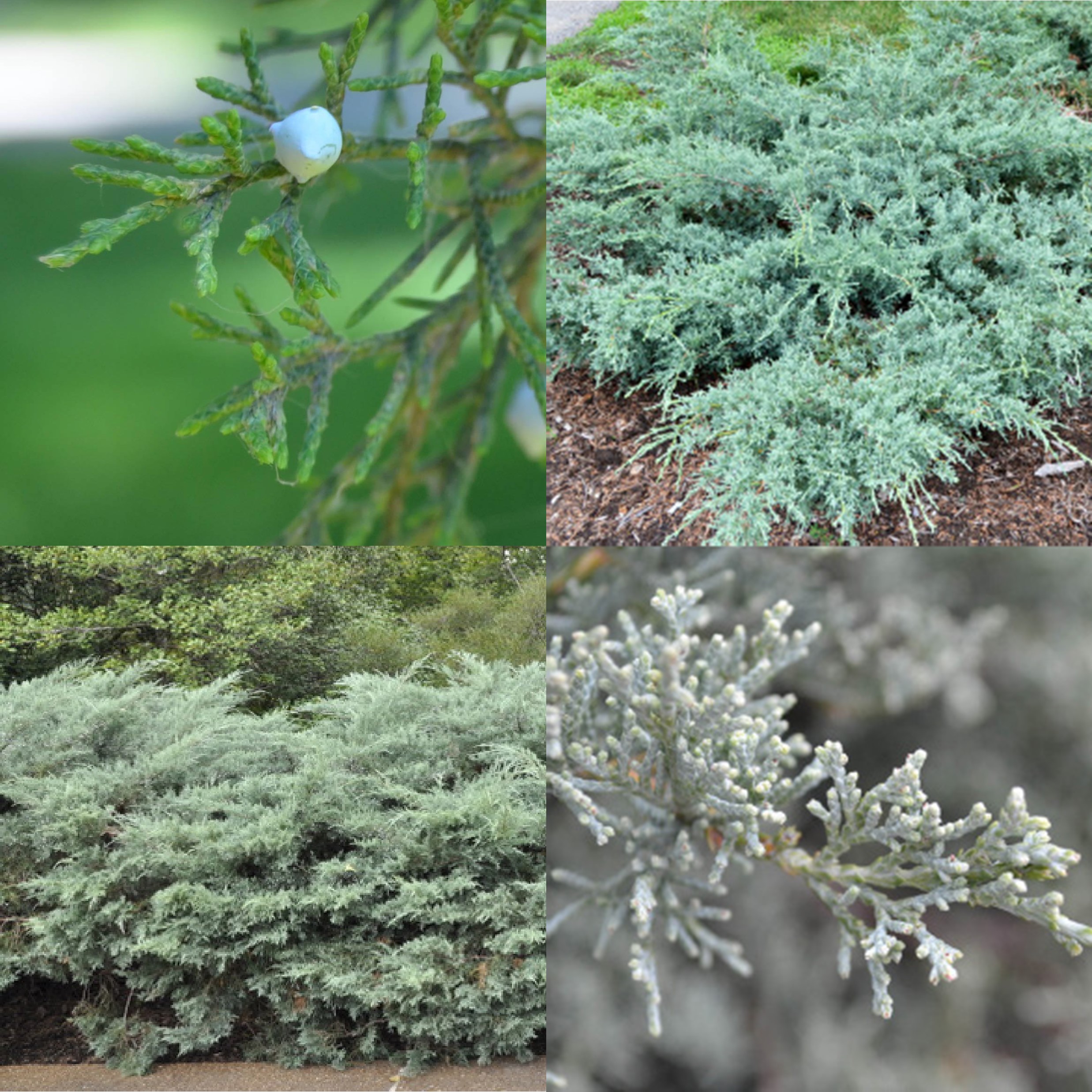
Figure 95. Red Cedar, Juniperus virginiana ‘Grey Owl’
31. Border Privet, Ligustrum obtusifolium
Origin: Exotic
Zone: 4
Function: Border, screen, informal hedge
Height: 10-12’
Spread: 12-15’
Form: Upright, arching, horizontal branching
Seasonal Interest: Fall– Russet to purplish foliage
Light: Full sun to partial shade
Soil Moisture: Medium to wet
Limitations: Can be invasive
Cultivars: Many
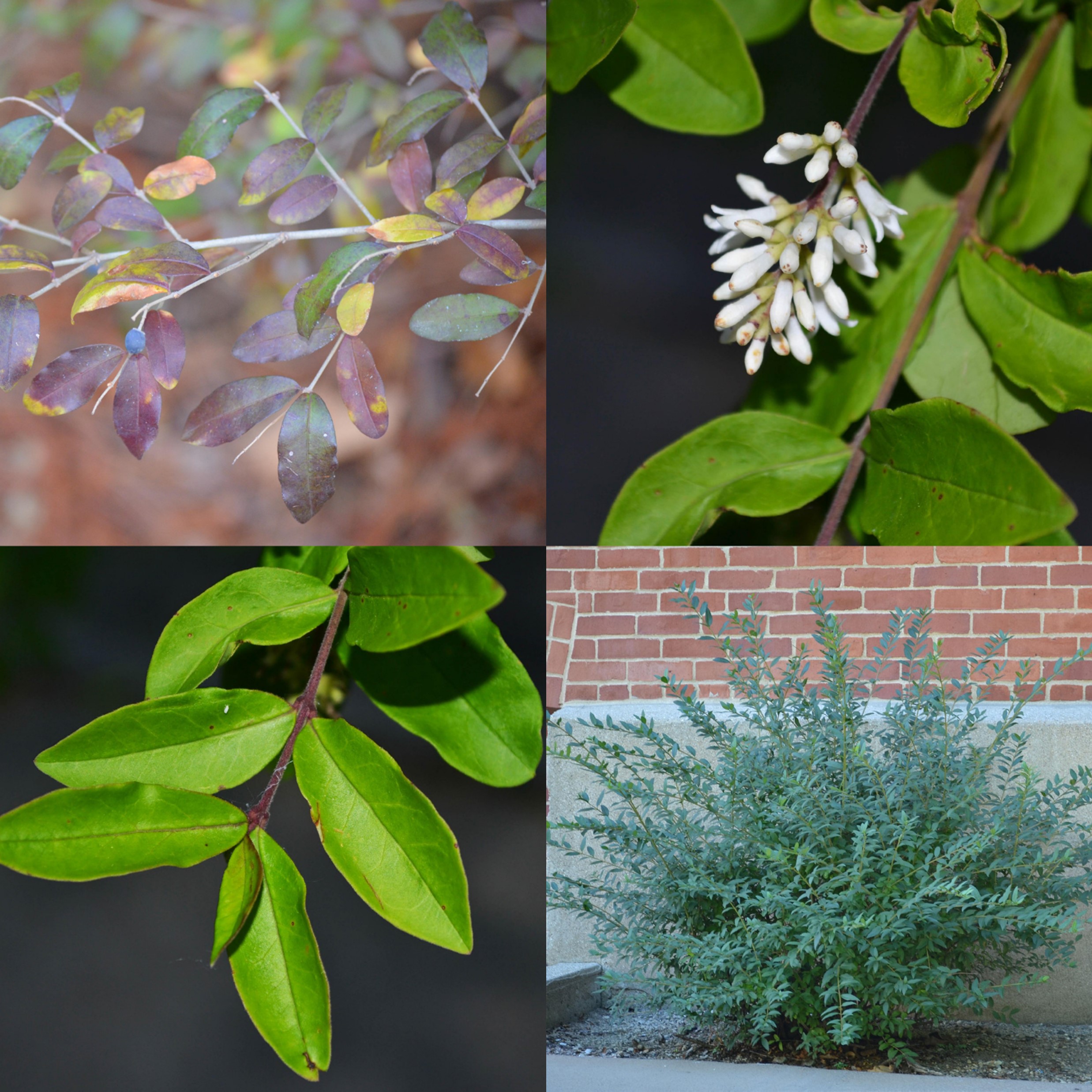
Figure 96. Border Privet, Ligustrum obtusifolium
32. Northern Bayberry, Myrica pensylvanica
Origin: Native
Zone: 3
Function: Border, massing, foundation or patio
Height: 5-12’
Spread: 5-12’
Form: Upright, somewhat rounded outline
Seasonal Interest: Summer– Glossy dark green foliage
Light: Full sun to partial shade
Soil Moisture: Medium to dry
Limitations: Difficult to transplant from field
Cultivars: Limited

Figure 97. Northern Bayberry, Myrica pensylvanica
Origin: Exotic
Zone: 3
Function: Foundation, massing, specimen, border
Height: 5-10’
Spread: 8-12’
Form: Low spreading to upright
Seasonal Interest: All– Evergreen
Light: Full sun
Soil Moisture: Medium to dry
Limitations: Scale insects can disfigure; European Pine Shoot Moth
Cultivars: Many (mostly dwarf forms)
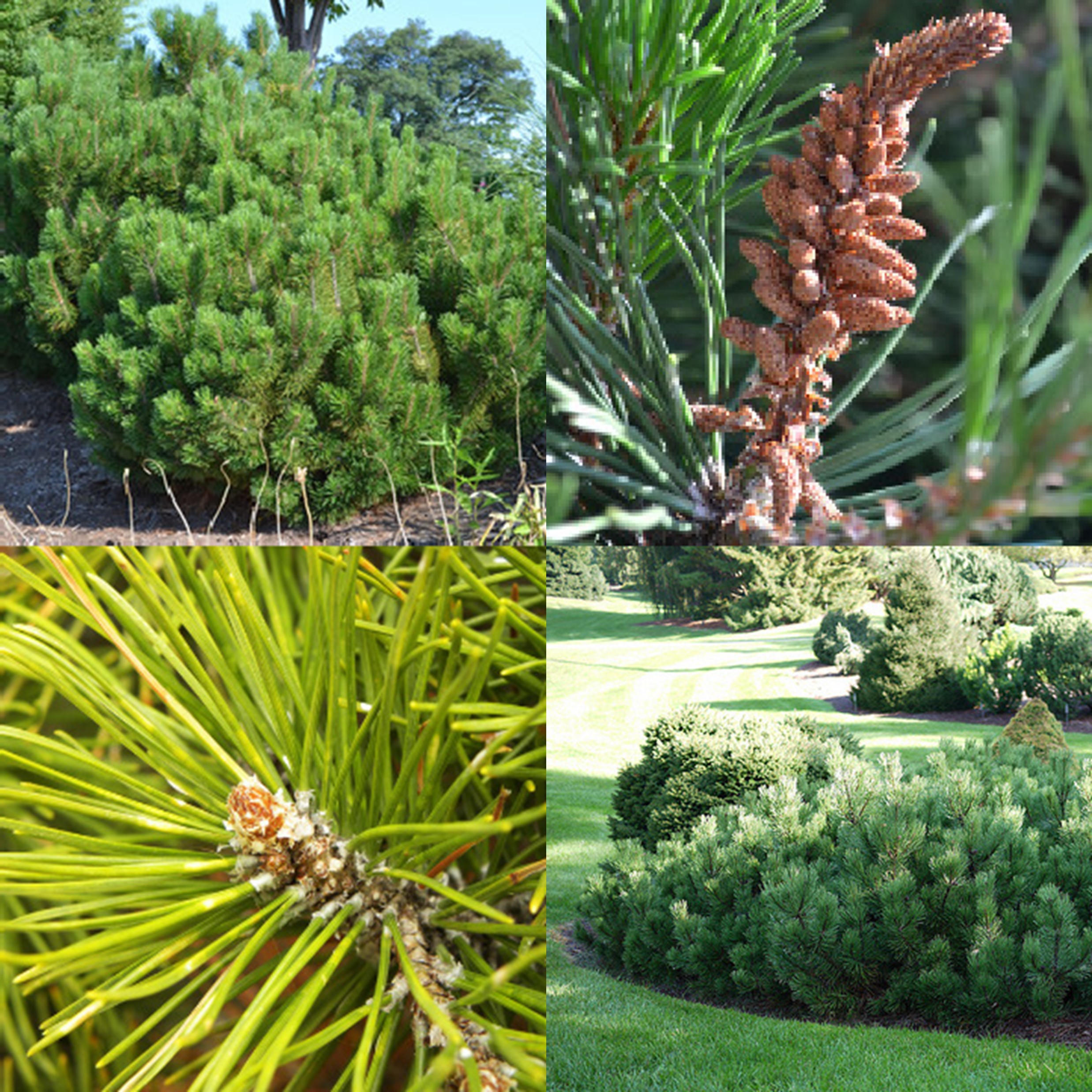
Figure 98. Mugo Pine, Pinus mugo
34. Bush Cinquefoil, Potentilla fruticose
Origin: Native
Zone: 2
Function: Border, hedge, specimen, rock garden
Height: 1-4’
Spread: 2-4’
Form: Upright branching, bushy, low rounded mass
Seasonal Interest: Summer– Yellow flowers
Light: Full sun
Soil Moisture: Medium
Limitations: Pruning is needed to remove wayward branches
Cultivars: Many
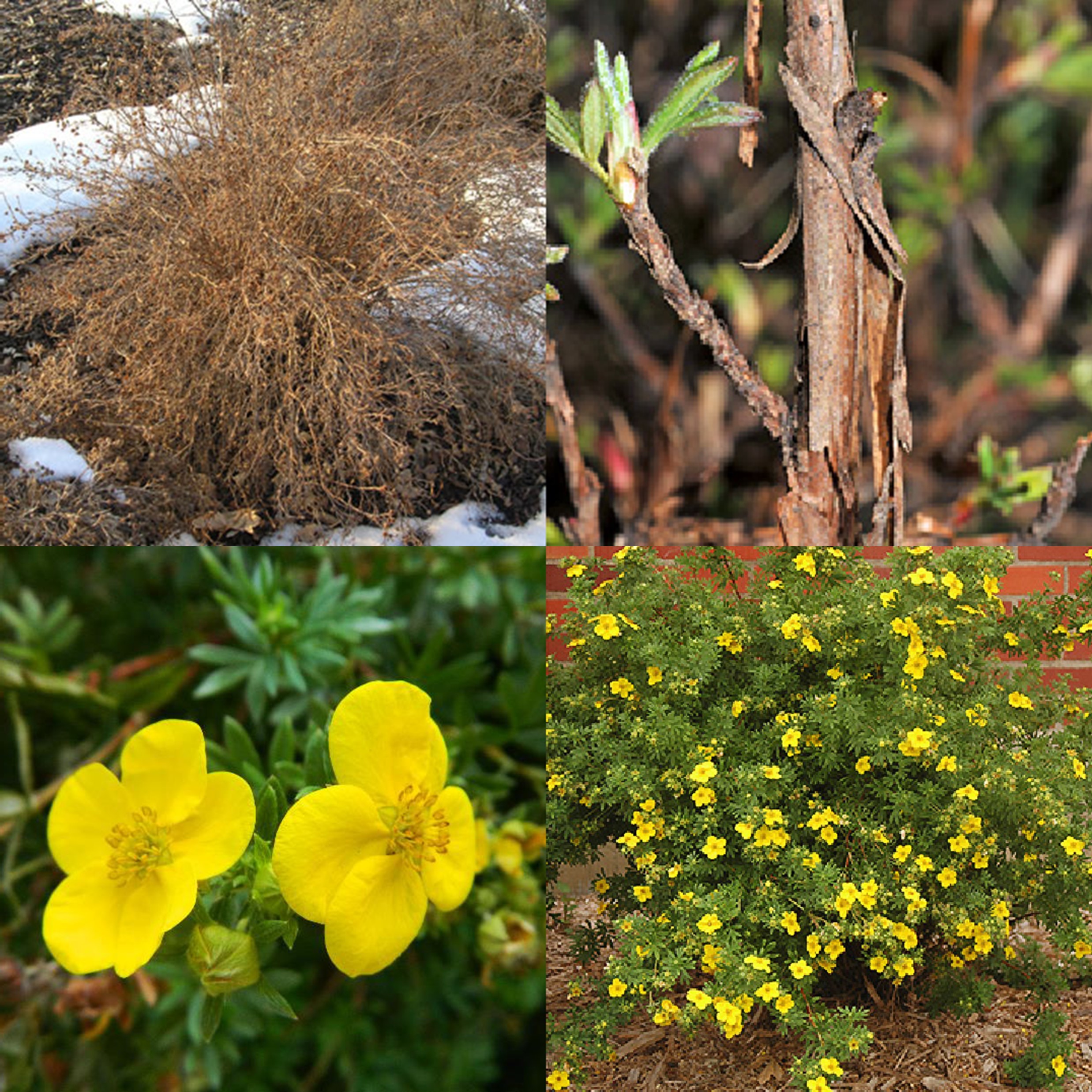
Figure 99. Bush Cinquefoil, Potentilla fruticose
35. Catawba Rhododendron, Rhododendron catawbiense
Origin: Native
Zone: 4
Function: Border, screen, massing, specimen
Height: 6-10’
Spread: 5-8’
Form: Upright, irregularly mounded mass
Seasonal Interest: All– Evergreen. Spring– Lilac-purple flowers
Light: Full sun to partial shade
Soil Moisture: Medium
Limitations: Needs acid soil. Winter burn can occur on exposed sites
Cultivars: Many
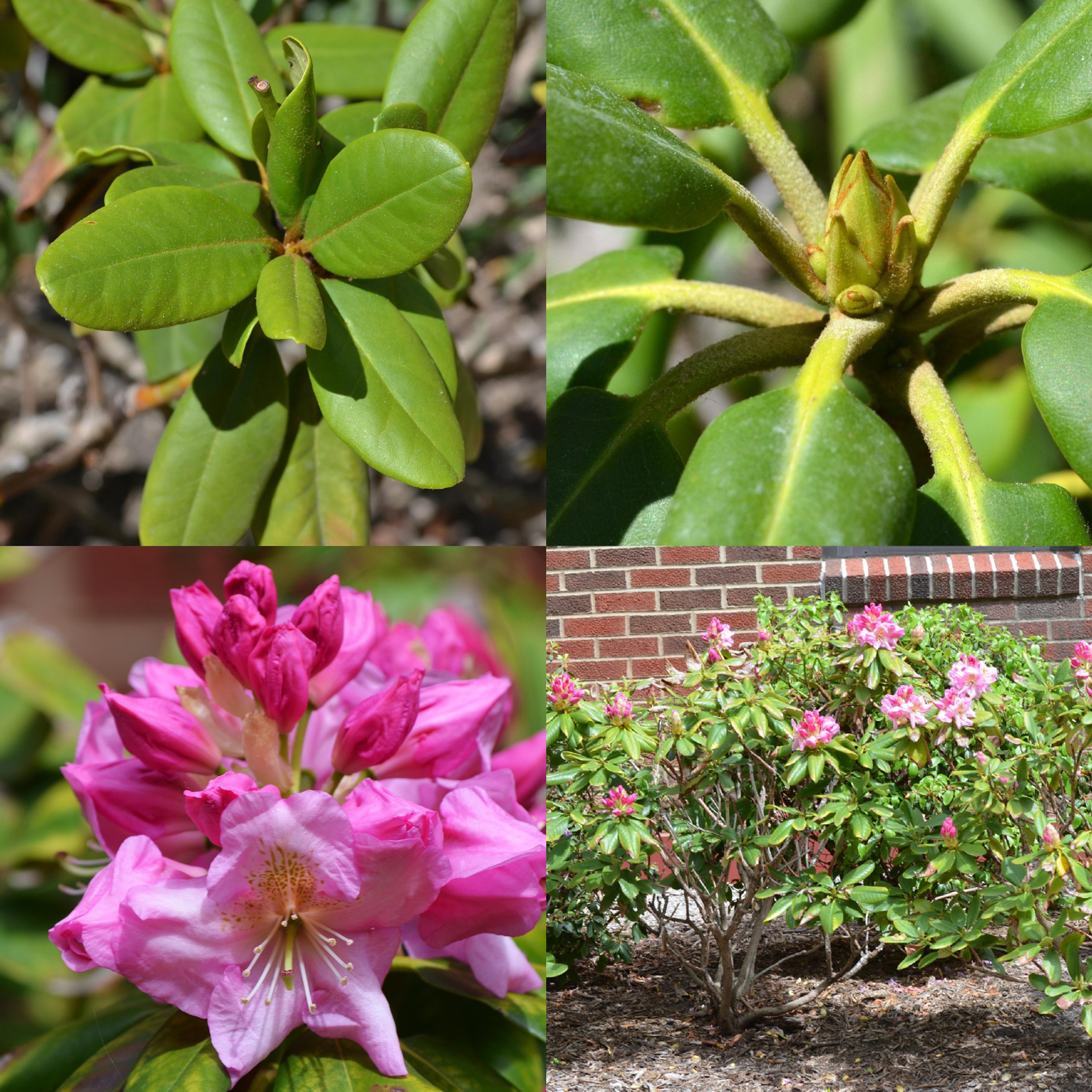
Figure 100. Catawba Rhododendron, Rhododendron catawbiense
36. P.J.M. Rhododendron, Rhododendron x ‘PJM’ (PJM Hybrid Group)
Origin: Hybrid
Zone: 4
Function: Specimen, borders
Height: 3-6’
Spread: 3-7’
Form: Compact, rounded
Seasonal Interest: All– Evergreen. Spring– Lavender flowers, Fall– purplish foliage
Light: Part shade to full shade
Soil Moisture: Medium
Limitations: Chlorosis, many insects, diseases
Cultivars: Few

Figure 101. P.J.M. Rhododendron, Rhododendron x ‘PJM’ (PJM Hybrid Group)
37. Japanese Spiraea, Spiraea japonica
Origin: Exotic
Zone: 3
Function: Specimen, border
Height: 4-6’
Spread: 5-7’
Form: Dense, upright, mounded
Seasonal Interest: Spring– Pink flowers
Light: Full sun
Soil Moisture: Medium
Limitations: None
Cultivars: Many
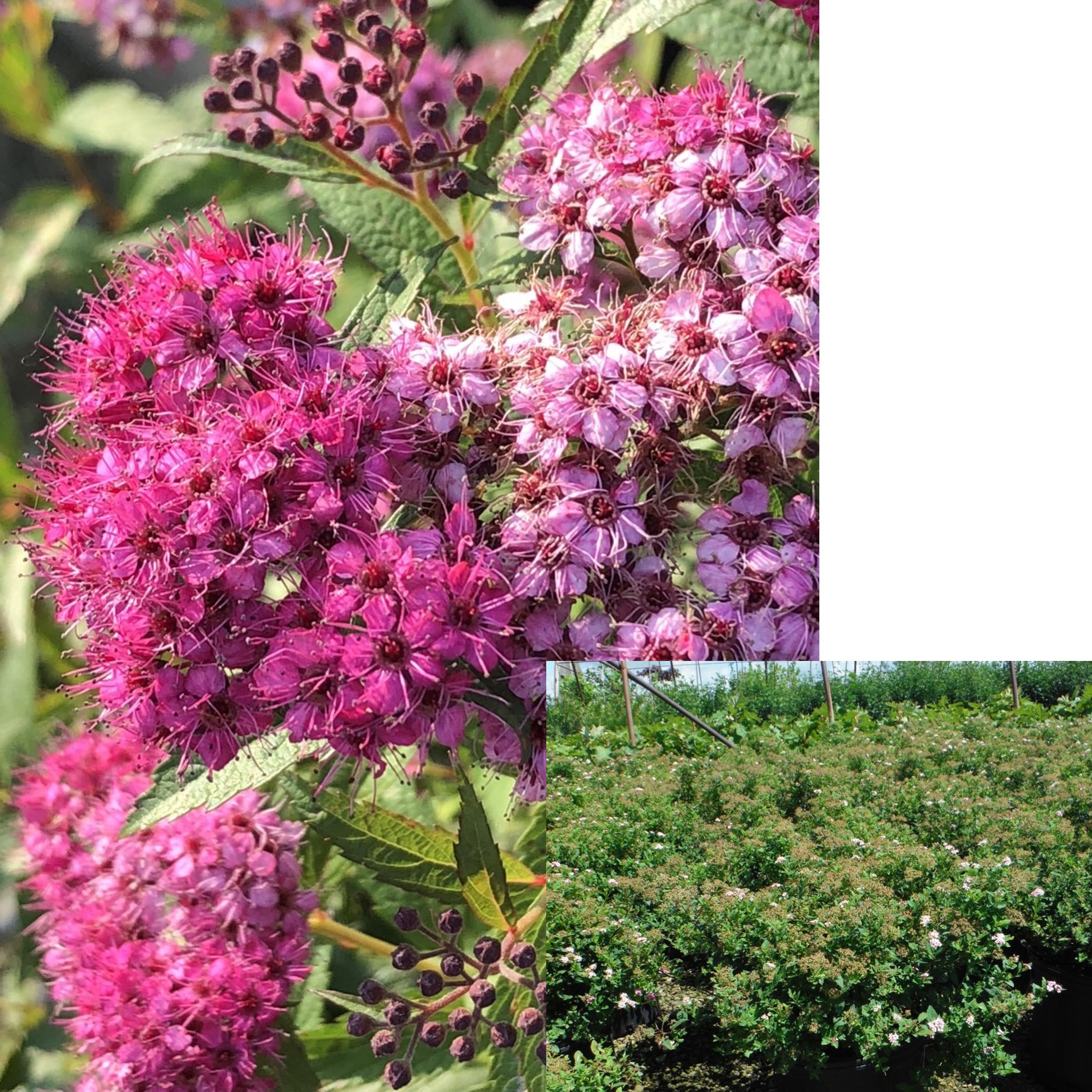
Figure 102. Japanese Spiraea, Spiraea japonica
38. Fragrant Sumac, Rhus aromatica
Origin: Native
Zone: 3
Function: Massing, border, large-scale groundcover
Height: 2-6’
Spread: 6-10’
Form: Prostrate with ascending branches
Seasonal Interest: Fall– Red to orange foliage
Light: Full sun
Soil Moisture: Medium to dry
Limitations: Spreads quickly by rhizomes
Cultivars: Limited
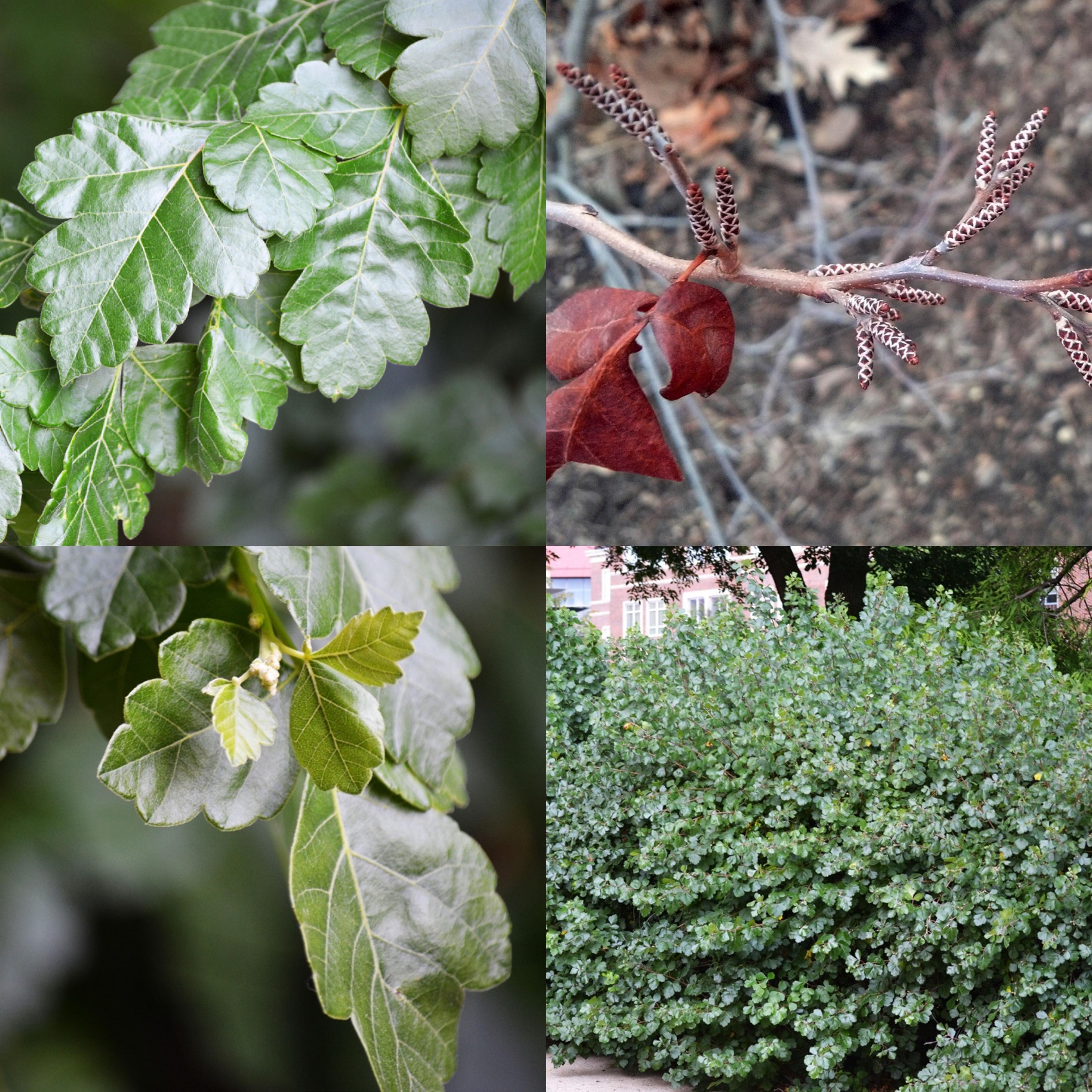
Figure 103. Fragrant Sumac, Rhus aromatica
39. Oregon Grapeholly, Mahonia aquifolium
Origin: Native
Zone: 4
Function: Specimen, border
Height: 3-6’
Spread: 3-5’
Form: Low mound-like to stiffly upright
Seasonal Interest: All– Evergreen. Spring– Yellow flowers
Light: Full sun to shade
Soil Moisture: Medium to wet
Limitations: Quite susceptible to foliage winter burn
Cultivars: Limited

Figure 104. Oregon Grapeholly, Mahonia aquifolium
40. Meyer Lilac, Syringa meyeri
Origin: Exotic
Zone: 3
Function: Specimen, border
Height: 6-8’
Spread: 6-12’
Form: Uniform mound with neat, broad outline
Seasonal Interest: Spring– Pink flowers
Light: Full sun
Soil Moisture: Medium
Limitations: Scale insects
Cultivars: Limited

Figure 105. Meyer Lilac, Syringa meyeri
41. Common Lilac, Syringa vulgaris
Origin: Exotic
Zone: 3
Function: Specimen, border
Height: 8-15’
Spread: 6-12’
Form: Upright with oval head
Seasonal Interest: Spring– Colorful flowers
Light: Full sun
Soil Moisture: Medium
Limitations: Serious mildew susceptibility
Cultivars: Many

Figure 106. Common Lilac, Syringa vulgaris
42. Anglojap Yew, Taxus x media
Origin: Hybrid
Zone: 4
Function: Foundation, border, hedge, specimen
Height: 2-20’
Spread: Variable
Form: Pyramidal to columnar based on variant selected
Seasonal Interest: All– Evergreen
Light: Full sun to shade
Soil Moisture: Medium
Limitations: Perform best with good drainage
Cultivars: Many
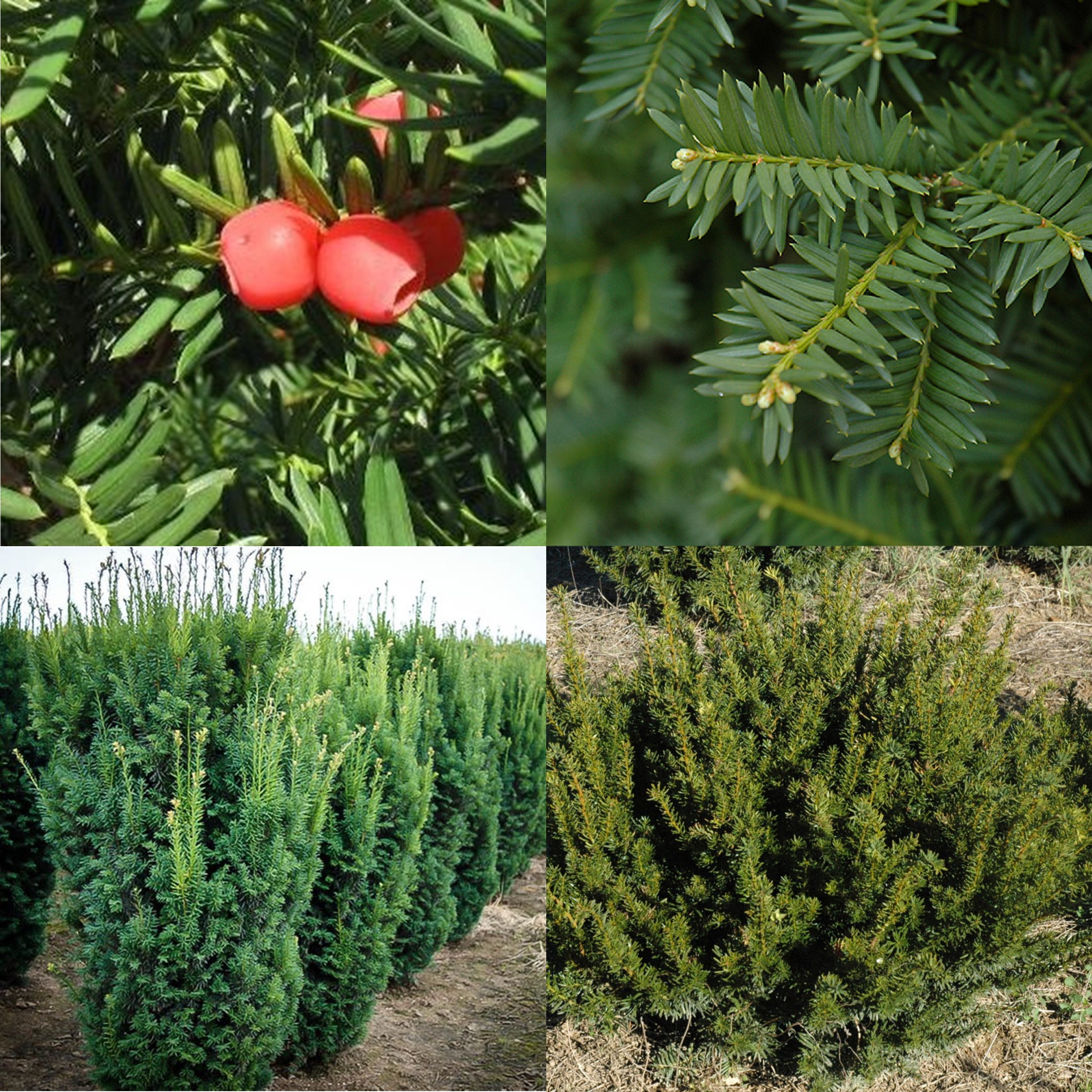
Figure 107. Anglojap Yew, Taxus x media
43. Koreanspice Viburnum, Viburnum carlesii
Origin: Exotic
Zone: 4
Function: Border, specimen
Height: 4-5’
Spread: 4-8’
Form: Rounded, regular outline
Seasonal Interest: Spring– White flowers. Fall– Reddish foliage
Light: Full sun
Soil Moisture: Medium
Limitations: Bacterial leaf spot susceptible
Cultivars: Limited

Figure 108. Koreanspice Viburnum, Viburnum carlesii
44. Arrowwood Viburnum, Viburnum dentatum
Origin: Native
Zone: 2
Function: Border, screen, naturalizing
Height: 6-15’
Spread: 6-15’
Form: Upright, with branches later arching to ground
Seasonal Interest: Spring– Creamy-white flowers. Fall– Red foliage and blue fruits
Light: Full sun to shade
Soil Moisture: Medium to wet
Limitations: Grows poorly in dry soil
Cultivars: Many
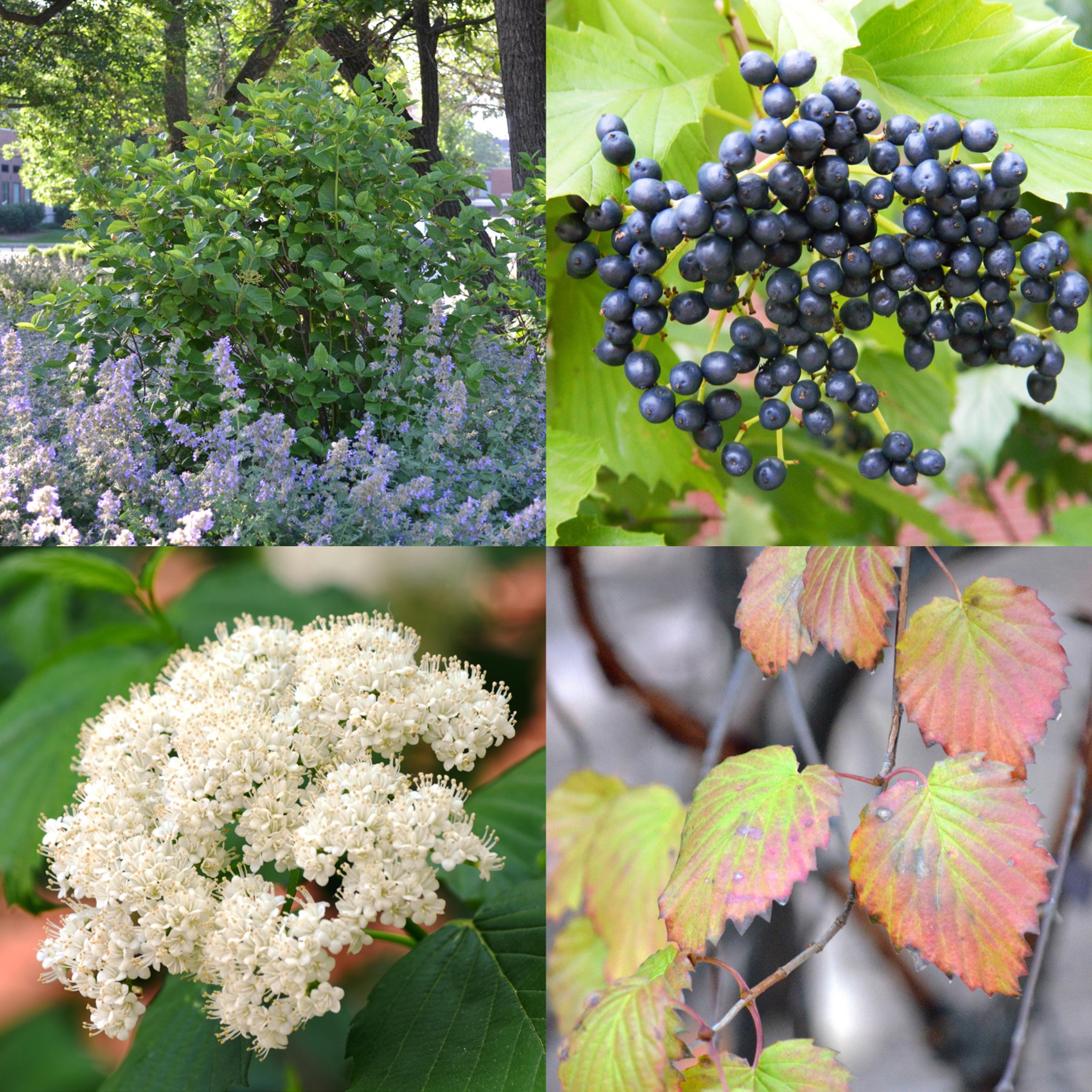
Figure 109. Arrowwood Viburnum, Viburnum dentatum
45. Linden Viburnum, Viburnum dilatatum
Origin: Exotic
Zone: 4
Function: Border, specimen, screen
Height: 8-10’
Spread: 6-10’
Form: Upright and rounded
Seasonal Interest: Spring– Creamy-white flowers. Fall– Scarlet foliage and red fruits
Light: Full sun to partial shade
Soil Moisture: Medium
Limitations: Borers are a minor problem
Cultivars: Limited
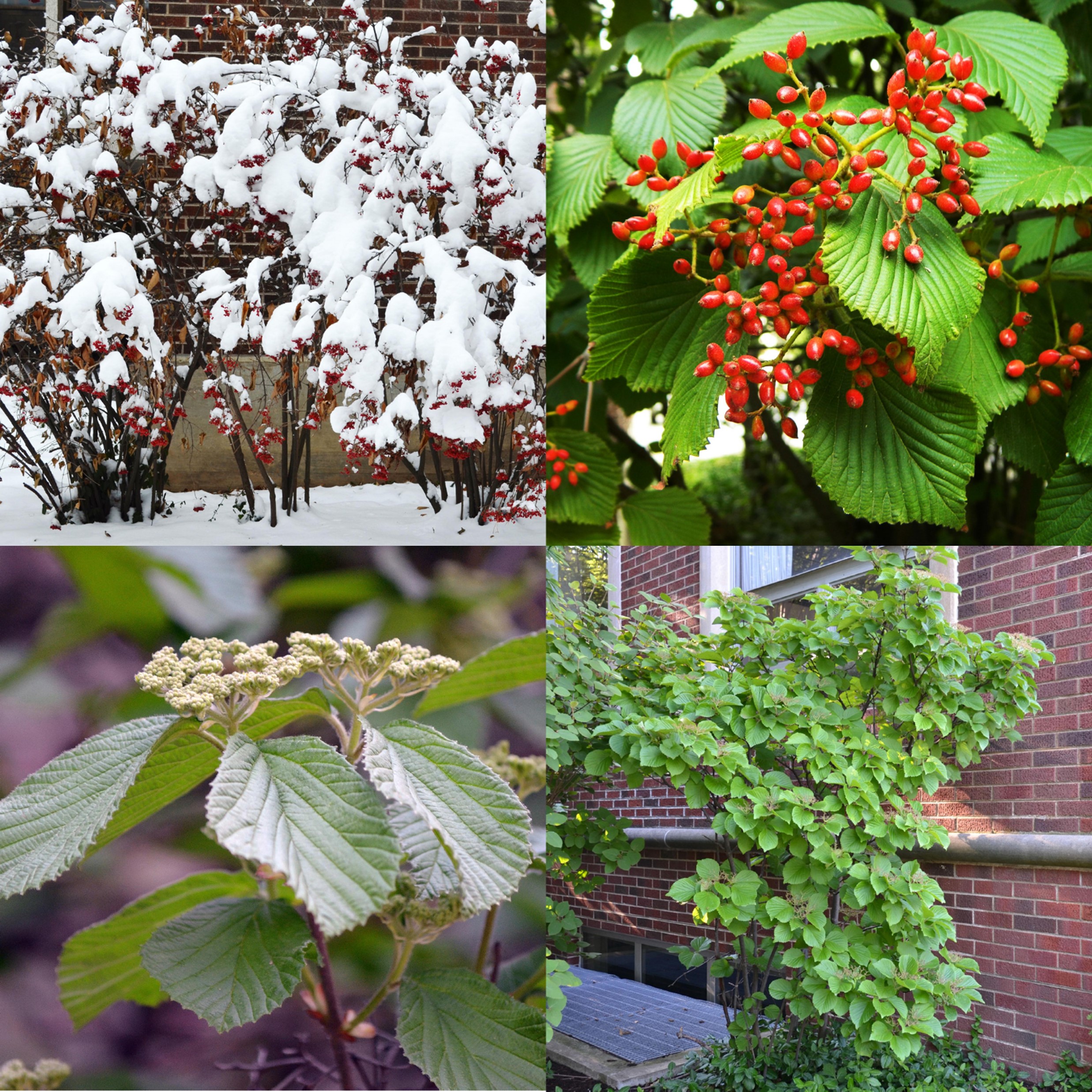
Figure 110. Linden Viburnum, Viburnum dilatatum
46. European Cranberrybush Viburnum, Viburnum opulus
Origin: Exotic
Zone: 3
Function: Border, screen
Height: 8-12’
Spread: 10-15’
Form: Upright, multi-stemmed, sometimes arching to ground
Seasonal Interest: Spring– White flowers. Summer– Red fruit
Light: Full sun to partial shade
Soil Moisture: Medium
Limitations: May be troubled by aphids; Viburnum borer
Cultivars: Many

Figure 111. European Cranberrybush Viburnum, Viburnum opulus
47. Doublefile Viburnum, Viburnum plicatum var. tomentosum
Origin: Exotic
Zone: 5
Function: Border, screen, specimen
Height: 8-10’
Spread: 9-12’
Form: Upright with strong horizontal branching
Seasonal Interest: Spring– White flowers. Fall– Reddish foliage
Light: Full sun to partial shade
Soil Moisture: Medium to wet
Limitations: Drought susceptible
Cultivars: Many
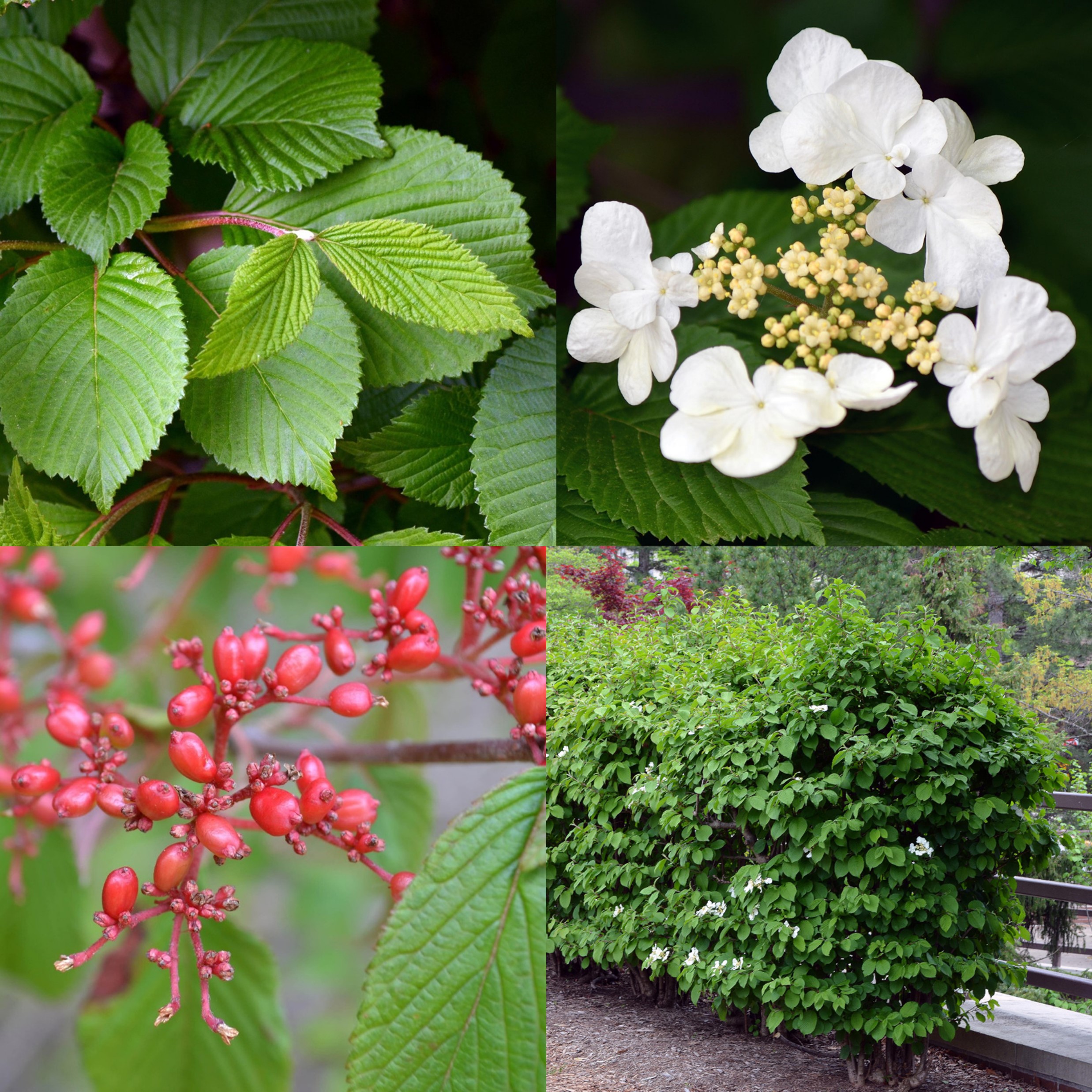
Figure 112. Doublefile Viburnum, Viburnum plicatum var. tomentosum
48. Blackhaw Viburnum, Viburnum prunifolium
Origin: Native
Zone: 3
Function: Border, screen, small specimen tree
Height: 12-15’
Spread: 8-12’
Form: Stiffly upright and regular in outline
Seasonal Interest: Spring– Creamy-white flowers. Summer– Deep purple foliage
Light: Full sun to partial shade
Soil Moisture: Medium to dry
Limitations: No serious problems
Cultivars: Limited
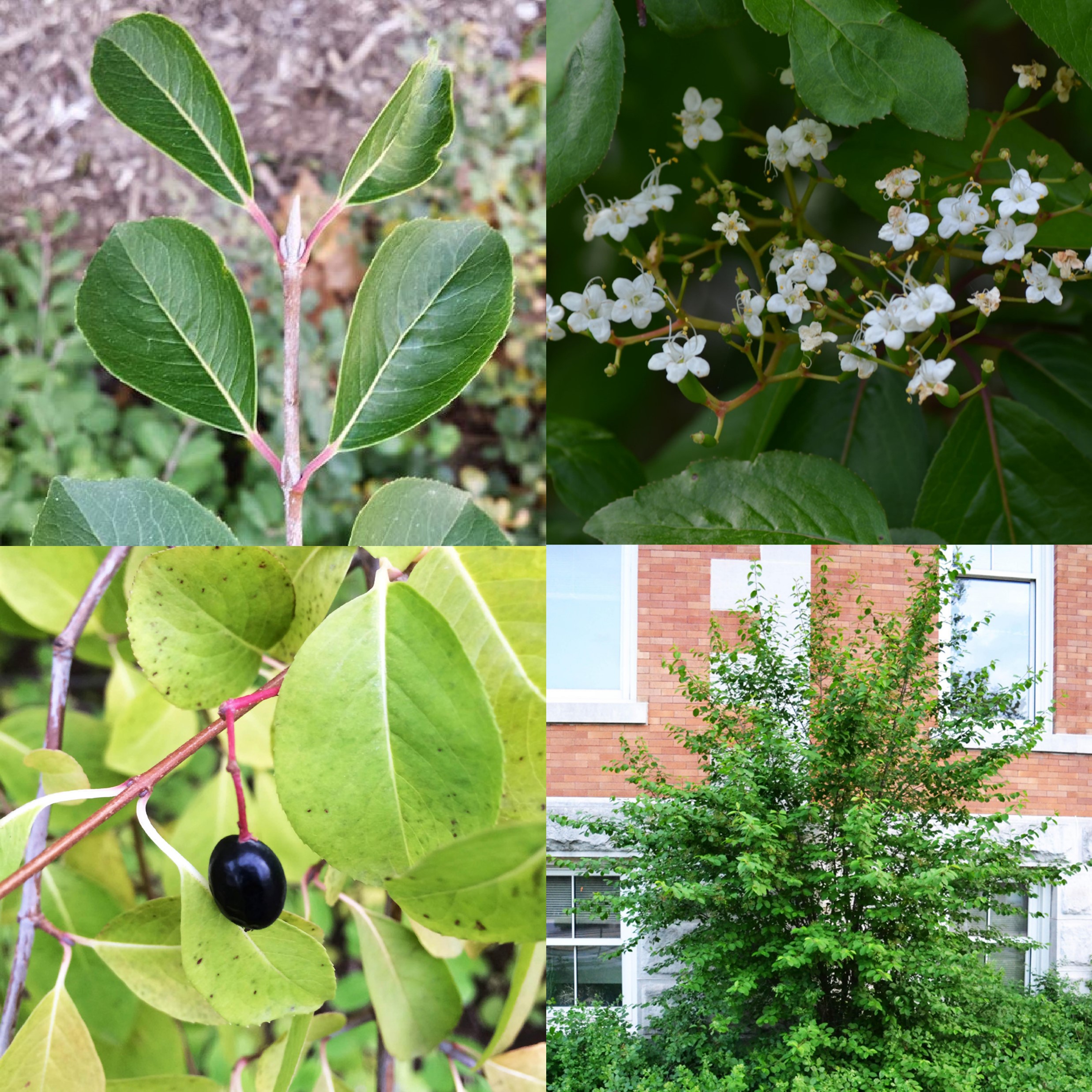
Figure 113. Viburnum, Viburnum prunifolium
49. Lantanaphyllum Viburnum, Viburnum x rhytidophylloides
Origin: Hybrid
Zone: 5
Function: Border, specimen
Height: 8-10’ +
Spread: 8-10’
Form: Upright, spreading with arching branches, becoming rounded
Seasonal Interest: Spring– White flowers. Summer– Fruit red ripening black
Light: Full sun to partial shade
Soil Moisture: Medium to wet
Limitations: None
Cultivars: Limited

Figure 114. Lantanaphyllum Viburnum, Viburnum x rhytidophylloides
50. Siebold Viburnum, Viburnum sieboldii
Origin: Exotic
Zone: 4
Function: Specimen, screen, border
Height: 15-20’
Spread: 10-15’
Form: Upright, stiff, stout, branches and open
Seasonal Interest: Spring– White flowers. Fall– Fruit red ripening black
Light: Full sun to partial shade
Soil Moisture: Medium to wet
Limitations: Does not tolerate dry soils
Cultivars: Limited

Figure 115. Siebold Viburnum, Viburnum sieboldii
51. Old Fashioned Weigela, Weigela florida
Origin: Exotic
Zone: 5
Function: Specimen, border
Height: 6-9’
Spread: 9-12’
Form: Spreading, rounded, ultimately branching to ground
Seasonal Interest: Spring– Rosy-pink flowers
Light: Full sun to partial shade
Soil Moisture: Medium
Limitations: Thinning helps prevent legginess
Cultivars: Many
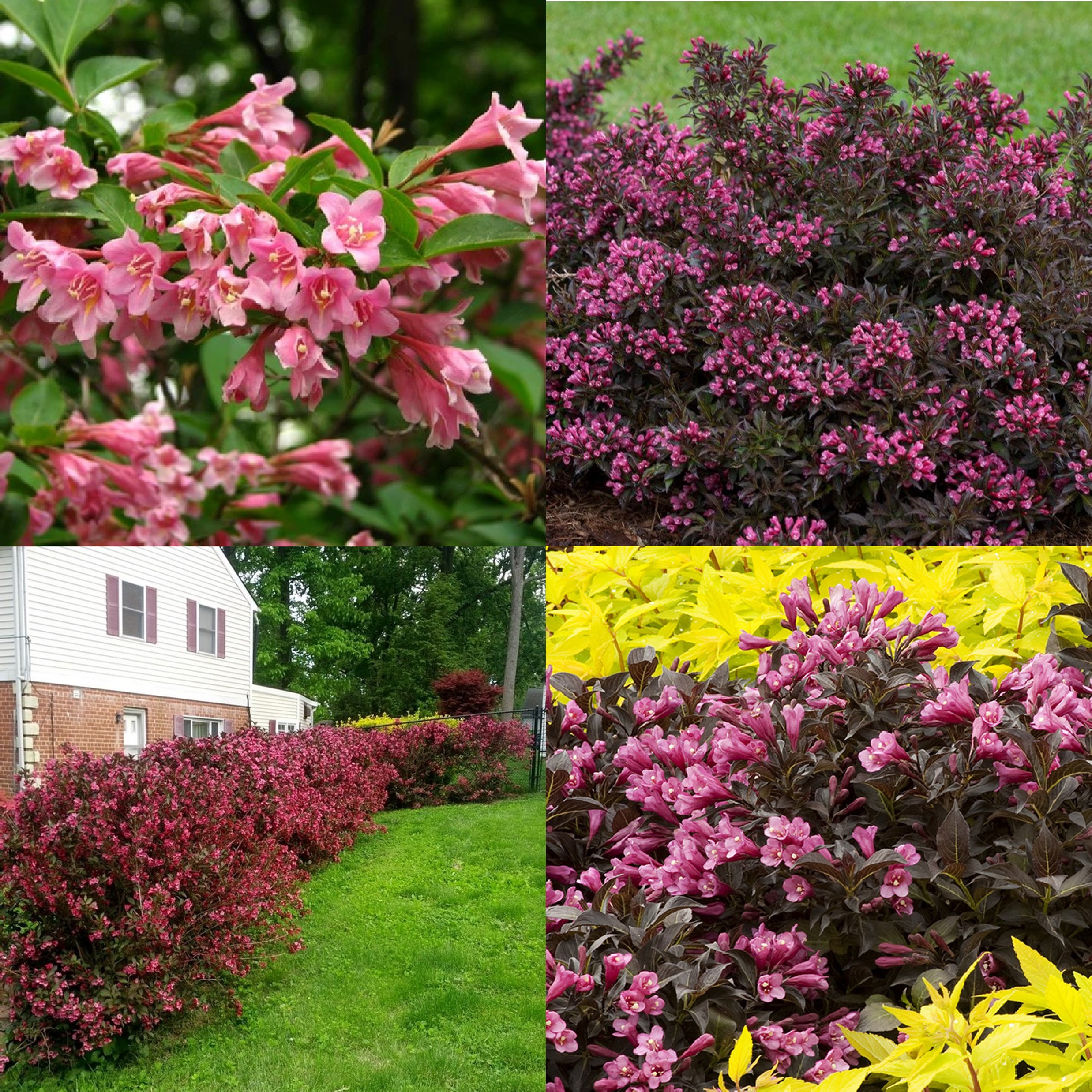
Figure 116. Old Fashioned Weigela, Weigela florida
Vines and Groundcovers
1. Trumpetcreeper, Campsis radicans
Origin: Native
Zone: 4
Function: Specimen, screen (with support)
Height: 30-40′
Spread: 40’+
Form: Vine, climbing by aerial rootlets
Seasonal Interest: Summer- Scarlet-orange flowers
Light: Full sun
Soil Moisture: Medium
Limitations: Aggressive, becoming heavy on structures; reseeds, can be invasive
Cultivars: Limited

Figure 117. Trumpetcreeper, Campsis radicans
2. Jackman Clematis, Clematis x jackmanii
Origin: Hybrid
Zone: 4
Function: Screen with support, specimen
Height: 18’ (supported)
Spread: 5-18’
Form: Climbing vine with clasping leaves
Seasonal Interest: Summer- Large colorful flowers
Light: Full sun
Soil Moisture: Medium
Limitations: Cool, well-drained organic soil is needed
Cultivars: Many

Figure 118. Jackman Clematis, Clematis x jackmanii
3. Wintercreeper Euonymus, Euonymus fortunei
Origin: Exotic
Zone: 4
Function: Vine, ground cover, low shrub (some variants)
Height: 12” (70’ supported)
Spread: 40’+
Form: Vine climbing by aerial rootlets, to shrub form
Seasonal Interest: All– Evergreen
Light: Full sun to shade
Soil Moisture: Medium
Limitations: Euonymus scale can be serious, can be invasive
Cultivars: Many (varying much in growth habit)

Figure 119. Wintercreeper Euonymus, Euonymus fortunei
Origin: Exotic
Zone: 4
Function: Ground or wall cover
Height: 90’ vine, 8” cover
Spread: 10-20’
Form: Trailing vine of climbing by rootlets
Seasonal Interest: All– Evergreen
Light: Full sun to shade
Soil Moisture: Medium to wet
Limitations: Can be invasive
Cultivars: Many

Figure 120. English Ivy, Hedera helix
5. Climbing Hydrangea, Hydrangea anomala ssp. petiolaris
Origin: Exotic
Zone: 4
Function: Vine clinging by aerial rootlets
Height: 60-80’
Spread: 60’+
Form: Vine, in more than one plane on wall, shrub in open
Seasonal Interest: Summer– White flowers
Light: Full sun to shade
Soil Moisture: Medium to wet
Limitations: Slow to establish
Cultivars: Limited

Figure 121. Climbing Hydrangea, Hydrangea anomala ssp. petiolaris
6. Trumpet Honeysuckle, Lonicera sempervirens
Origin: Native
Zone: 4
Function: Trellis or fence cover, clumping groundcover
Height: 10-12′
Spread: 10-12’
Form: Twining vine
Seasonal Interest: Spring: Orange-red flower
Light: Full sun to shade
Soil Moisture: Medium to dry
Limitations: Aphids can disfigure, can be invasive
Cultivars: Many

Figure 122. Trumpet Honeysuckle, Lonicera sempervirens
7. Japanese Spurge, Pachysandra terminalis
Origin: Exotic
Zone: 4
Function: Ground cover
Height: 6-12”
Spread: 2’
Form: Spreading by rhizomes, upright branch tips
Seasonal Interest: All– Evergreen
Light: Shade to partial shade
Soil Moisture: Medium
Limitations: Volutella blight
Cultivars: Limited

Figure 123. Japanese Spurge, Pachysandra terminalis
8. Boston Ivy, Parthenocissus tricuspidate
Origin: Exotic
Zone: 4
Function: Wall cover
Height: 30-50′
Spread: 30-50’
Form: Vine climbing by modified tendrils
Seasonal Interest: Fall– Reddish foliage
Light: Full sun to shade
Soil Moisture: Medium
Limitations: Forms a poor groundcover
Cultivars: Limited

Figure 124. Boston Ivy, Parthenocissus tricuspidate
Origin: Exotic
Zone: 4
Function: Ground cover
Height: 3-6”
Spread: Spreads indefinitely
Form: Trailing, ground hugging mass
Seasonal Interest: Spring– Blue-violet flowers
Light: Shade to partial shade
Soil Moisture: Medium
Limitations: Stem rot disease problems on wet soil, Invasive
Cultivars: Many

Figure 125. Periwinkle, Vinca minor
10. Japanese Wisteria, Wisteria floribunda
Origin: Exotic
Zone: 5
Function: Specimen, screen (supported), standard
Height: 30’+
Spread: 30’+
Form: Twining vine
Seasonal Interest: Spring– Fragrant, blue-violet flowers
Light: Full sun
Soil Moisture: Medium to dry
Limitations: May not flower for 5-10 years
Cultivars: Many

Figure 126. Japanese Wisteria, Wisteria floribunda
11. Common Kentucky Wisteria, Wisteria macrostachya
Origin: Native
Zone: 3
Function: Flowering vine for arbors, pergolas, posts, trellises
Height: 25’
Spread: 8’
Form: Twining, climbing vine
Seasonal Interest: Summer– blue, fragrant flowers
Light: Full sun
Soil Moisture: Medium
Limitations: Susceptible to insects and fungal disease- none significant, slow to establish
Cultivars: Few

Figure 127. Common Kentucky Wisteria, Wisteria macrostachya