Macho(R) insecticide contains imidacloprid. Here is the specimen label for Macho 2F. Screenshots of safety information are in the figures below.
This answer assumes use of a waterwheel transplanter.*
There is some hazard but if transplanters wear PPE (personal protective equipment) indicated for applicators/handlers they should be ok. It is not considered highly toxic to people. The Safety Data Sheet indicates it may be mildly irritating to eyes and skin.
PPE is:
- Long sleeved shirt and long pants.
Shirts, pants, and socks should be washed with detergent and hot water, separately from other laundry. You (the employer) is are not required to supply long sleeved shirts and pants to workers, but it might make things easier. You may want to consider purchasing lightweight cloth coveralls for employees that they can use when this type of PPE is required. It might also be possible to find used button-down shirts or blouses at a used clothing store (e.g. Goodwill) and maybe used pants that could be kept specifically for PPE use. Another option is to purchase disposable Tyvek coveralls, although they might be in short supply due to the pandemic. Lightweight rain pants and jackets could also be used, but they might be too warm if transplanting takes a long time. - Chemical resistant, waterproof gloves
- Shoes and socks.
The PPE should be removed immediately after transplanting and any contact with the transplanting water is completed. Wash outside of gloves before removing. Transplanters should change out of PPE as soon as possible, and shower or bathe as soon as possible.
Transplanters should complete Worker Protection Training for Pesticide Handlers before transplanting. See resources at the Pesticide Education Resource Center http://pesticideresources.org/wps/training/percvids/. There is a video for training handlers here, but check the main page first for information about training requirements.
Workers who enter the field within 12 hours of the Macho(R) application should wear coveralls, chemical resistant gloves, and shoes plus socks. The exception is if they will not contact any plants, soil, or water that has been treated with Macho(R) – in that case there are no specific requirements for PPE. These workers should complete Worker Protection Training for Workers.
One way that might reduce exposure is to have employees follow behind the transplanter instead of riding it, and bend down to place plants in the holes. This would increase the distance between people and the stream of from the planter. They would still need to wear PPE as described in item 5.
Here is some information about safety from the National Pesticide Information Center at http://npic.orst.edu/factsheets/imidagen.html#howwork. Imidacloprid works by disrupting nerve cell signaling. It is much more toxic to insects and other invertebrates than to mammals and birds because it binds better to insect nerve cells. Symptoms of exposure reported by farmworkers include skin or eye irritation, dizziness, breathlessness, confusion or vomiting. Imidacloprid does not get through skin easily but if eaten it can get through the lining of stomach or intestine. When imidacloprid gets in the body it moves throughout the bloodstream and is broken down in the liver and excreted.

Precautionary statements excerpt from label.
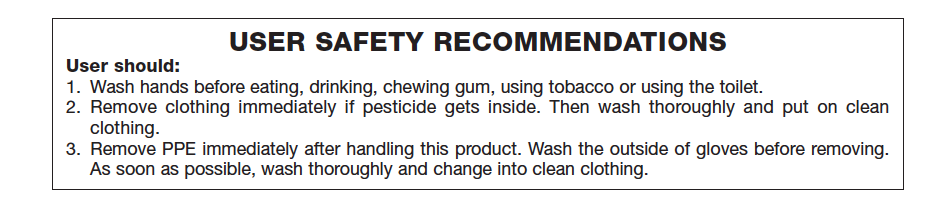
User safety recommendations excerpt from label.

Ag use requirements excerpt from label.
*If you are not familiar with these machines, at about 8:50 in this video the machine is in action https://www.youtube.com/watch?v=8-8nQRD0fKw