








IT WAS FAR FROM BUSINESS AS USUAL FOR THE NINE ACADEMIC UNITS DURING THE FIRST YEAR OF THE COLLEGE OF HEALTH AND HUMAN SCIENCES (HHS), WHICH BEGAN JULY 1, 2010. A FEW DEPARTMENTS AND SCHOOLS CHANGED THEIR NAMES TO BETTER REFLECT THE EDUCATION, RESEARCH AND OUTREACH EFFORTS. RESEARCHERS GAINED NATIONAL AND INTERNATIONAL ATTENTION FOR THEIR WORK. AND THE SEEDS FOR COLLABORATION BEGAN SPREADING THROUGHOUT THE NEW COLLEGE AND ACROSS CAMPUS. BELOW ARE SOME OF THE HHS HIGHLIGHTS. FOR MORE NEWS, DROP BY ONLINE AT WWW.PURDUE.EDU/HHS.
CONSUMER SCIENCES AND RETAILING

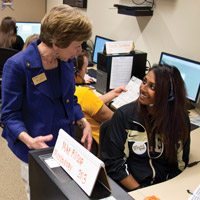
Sugato Chakravarty, head of consumer sciences and retailing, was quoted in a New York Times article in May talking about the benefits of social media in a teaching setting. Students who might not otherwise speak up in a large classroom have used Hotseat — a Purdue- developed back-channel system — to post questions and comments throughout his personal finance lectures.
HEALTH AND KINESIOLOGY

Larry Leverenz, clinical professor and a member of Purdue’s sports medicine staff since 1991, became interim head of the department on July 1, 2011. He was also a part of a cross-disciplinary team, which included Purdue researchers from biomedical engineering and electrical and computer engineering, that suggested some high school football players suffer undiagnosed changes in brain function from repeated impact and continue playing even though they are impaired. Their research was part of a Sports Illustrated cover story in October 2010. Leverenz was also named to the National Athletic Trainers’ Association Hall of Fame in June. Read more >>
HEALTH SCIENCES
Neil Zimmerman, associate professor of industrial hygiene, took his research global after learning about the effects of manganese exposure and their related health effects in certain Italian communities. Exposure to manganese has been found to cause neurological symptoms that mimic Parkinson’s disease. Zimmerman is part of an international research team that received a $2.5 million grant from the National Institute of Environmental Health Sciences.
HOSPITALITY AND TOURISM MANAGEMENT
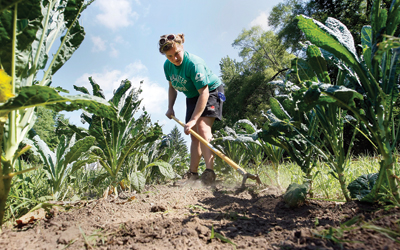
The department officially became a school on July 1, 2011. In collaboration with the College of Agriculture, students developed a student-run farming initiative to learn about sustainable agriculture. Planting of the five-acre expanse located 200 yards west of McCormick Road on State Road 26 began in spring. Students and professors met in class once a week to hear guest speakers address important farming issues — composting, sustainability, basic economics and specialty crop production.
Read story and watch video >>
HUMAN DEVELOPMENT AND FAMILY STUDIES
The Board of Trustees voted in favor of changing the department’s name from Child Development and Family Studies to Human Development and Family Studies. Researchers like Cleveland Shields, associate professor, are taking leading roles in the new Center for Poverty and Health Disparities, which is a part of the Regenstrief Center for Healthcare Engineering in Purdue’s Discovery Park.
NURSING
Laura Sands, professor and director of research, was named to the Katherine Birck Professorship, the school’s first endowed chair. If ever an endowed chair matched the wishes and philosophies of the donor, the Birck professorship — named after a career nurse — is a shining example.
NUTRITION SCIENCE
The Department of Foods and Nutrition officially became the Department of Nutrition Science on July 1, 2011. Connie Weaver, distinguished professor and head, was elected to membership in the Institute of Medicine of the National Academies in October. And on the collaborative front, the Ingestive Behavior Research Center, led by Richard Mattes, director and distinguished professor, hosted the Symposium for Flavor and Feeding, an international conference for researchers, in September.
PSYCHOLOGICAL SCIENCES
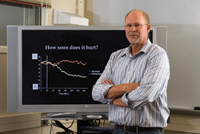
Kip Williams’ work on ostracism gained national attention with a May article in Current Directions in Psychological Sciences. Williams, a professor who has long studied the subject, says ostracism or exclusion may not leave external scars, but it can cause pain that often is deeper and lasts longer than a physical injury. Read more >>
SPEECH, LANGUAGE, AND HEARING SCIENCES
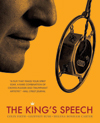
The Oscar-winning film, “The King’s Speech,” may have helped draw attention to stuttering disorders. “CBS Sunday Morning” came to campus to feature the work of Anne Smith, distinguished professor, and Christine Weber-Fox, professor. Their research project in stuttering has been ongoing for many years with the support of the National Institutes of Health. View video >>
Keith Kluender became the new head of SLHS in January 2012. Kluender was previously at the University of Wisconsin-Madison where he directed the Wisconsin Speech Perception Laboratory and was a professor in the departments of Psychology and Communication Disorders.
HHS EXTENSION
Diabetes afflicts the lives of almost 600,000 Indiana adults. Purdue Extension Health and Human Sciences works throughout the state to educate individuals on both diabetes prevention and strategies for dealing with the disease. Extension specialists and educators teach people how to prepare enjoyable foods in ways that reduce calories, fat and sodium, and increase dietary fiber. “Dining with Diabetes” consists of four 2-hour sessions and a follow-up session presented by county extension educators and other health care professionals. Last year, 1,174 people participated in the program, reporting significant improvement in diet and exercise behaviors.
BILL AND SALLY HANLEY HALL
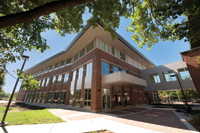
Faculty, staff and students began moving into Hanley Hall in May. The $11.5 million building is the new home of the Department of Human Development and Family Studies, the Military Family Research Institute and the Purdue Center on Aging and the Life Course. The 32,600- gross-square-foot structure houses two classrooms of the Ben and Maxine Miller Child Development Laboratory School, conference space and laboratory space for faculty and graduate student research. The building, dedicated in October, was made possible in part by a $3 million gift from the Hanleys, who are Purdue alumni, and $1.5 million from the Lilly Endowment.
MARRIOTT HALL

This $12.2 million, 40,000-square-foot building was completed in September. The facility upgrades all program areas of Purdue’s School of Hospitality and Tourism Management. A new demonstration classroom that seats 95 students, several new laboratories, a career center, and a student-services area and reception space are the signature features of Marriott Hall. Lavazza Espressions Café opened for business at the start of the school year. The John Purdue Room and the Boiler Bistro followed in the spring semester.
LYLES-PORTER HALL

The new $54 million HHS facility will combine all components of the Department of Speech, Language, and Hearing Sciences with other clinical facilities and research centers associated with HHS and the Indiana University School of Medicine - Lafayette, which will be housed in the remainder of the new building. The building will be located on the Life and Health Sciences Park and include an 850-vehicle parking garage.
Chris Ladisch, inaugural dean of HHS, says the new facility includes academic, clinical and research space and will provide an atmosphere that supports the education and research goals of the participating entities.
“Lyles-Porter Hall will serve a principal role in establishing interdisciplinary research partnerships that focus on the healing and well-being of people,” Ladisch says. “It also will position the College of Health and Human Sciences to attract prominent educators, researchers and clinical staff who will work together to address major challenges in the area of human health.”
In addition to $38 million in bond proceeds, gifts totaling $16 million will be used to build the facility, which is expected to be completed by fall 2014.
Alumna and speech pathologist Marybeth Lyles Higuera committed $10 million to build Lyles-Porter Hall, named for her family.