Six engineers affiliated with Purdue have earned one of the field’s highest professional distinctions: membership in the National Academy of Engineering (NAE). Current faculty members Vladimir M. Shalaev and Yuehwern Yih have been elected for induction into the NAE’s Class of 2025. Four other 2025 inductees also have deep Purdue engineering ties. They represent the largest number of current Purdue faculty inducted into the NAE in nearly two decades.
The shared culprit in a slew of diseases — cancers, neurodegenerative diseases and diabetes — is molecules our cells have made incorrectly. Think of them as proteins gone wrong. Whether the cause is genetic or environmental, these proteins are improperly folded, fail to do their job and can accumulate in the body with devastating results. By looking for missteps in the intricate process of folding proteins, a project at Purdue is paving the way for a new generation of therapeutics that strike at the root of these diseases.
Soy-based materials developed at Purdue have been proven to reduce surface tension in a liquid as well as or better than commercial petroleum-based materials. The new materials could make personal care products more sustainable while maintaining product quality. Petroleum-based surfactants are used in most conventional shampoos, conditioners and antimicrobial washes.
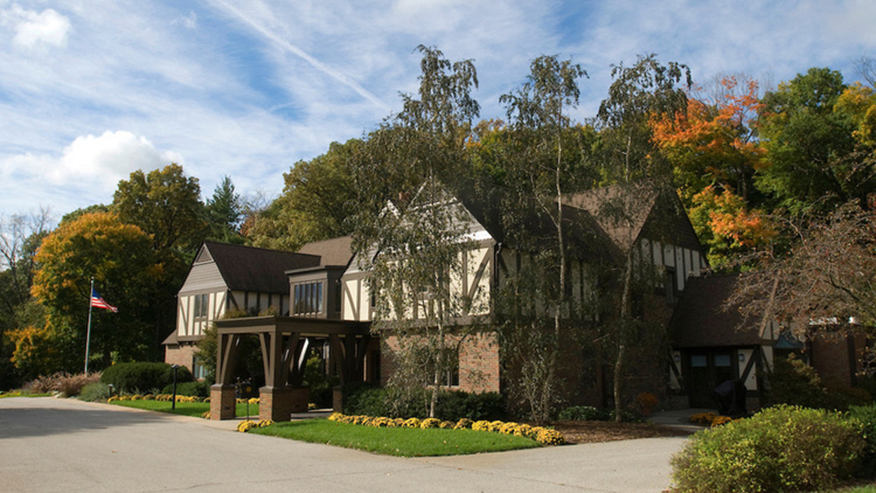
Registration is open for faculty to attend the Westwood Lecture Series from 4:30-5:30 p.m. Wednesday (Feb. 19) at Westwood, the Purdue president’s residence. Two leading Purdue researchers will discuss the university’s growing role in the next revolution of pharmaceutical manufacturing. Alina Alexeenko, the Reilly Professor in Aeronautics and Astronautics and Chemical Engineering, and Elizabeth Topp, a professor of industrial and molecular pharmaceutics and chemical engineering, will present their Westwood Lecture titled “Onshoring Pharmaceutical Manufacturing: Towards the Next Revolution.” Space is limited to the first 50 faculty who
register online.
In a quiet Lafayette neighborhood, a unique house stands as a testament to collaboration and innovation. It’s not just a home — it’s a symbol of transformation. Thanks to the leadership of Jason Ware, director of engaged scholar development at the John Martinson Honors College (JMHC), and JMHC students, this house became the students’ first Habitat for Humanity Smart Build.