March 31, 2020
As the novel coronavirus pandemic approaches 1 million cases worldwide, Purdue University researchers have launched more than 30 research projects and have applied for funding for nearly 20 additional projects.
March 30, 2020
Jacqueline Linnes, a professor of biomedical engineering who runs a lab at Purdue University. She’s created a COVID-19 test. She told me the science is complicated, but getting from lab to market is even harder.
Creating COVID-19 Tests is Complicated Science, and Business
March 30, 2020
The American Institute for Medical and Biological Engineering (AIMBE) has announced the induction of Sherry L. Harbin, Ph.D., Professor, Weldon School of Biomedical Engineering, Purdue University to its College of Fellows.
Sherry L. Harbin Inducted Into Medical and Biological Engineering Elite
March 30, 2020
The American Institute for Medical and Biological Engineering (AIMBE) has announced the induction of Thomas M. Talavage, Ph.D., Professor, Weldon School of Biomedical Engineering and School of Electrical and Computer Engineering, Purdue University to its College of Fellows.
Thomas M. Talavage Inducted Into Medical and Biological Engineering Elite
March 3, 2020
Only a select number of state and local laboratories have permission from U.S. health officials to use diagnostic tests for COVID-19, a coronavirus-caused disease. If the virus is spreading nationwide, most communities do not have access to the necessary tests.
Paper device could bring portable coronavirus detection, but funding bars production
January 27, 2020
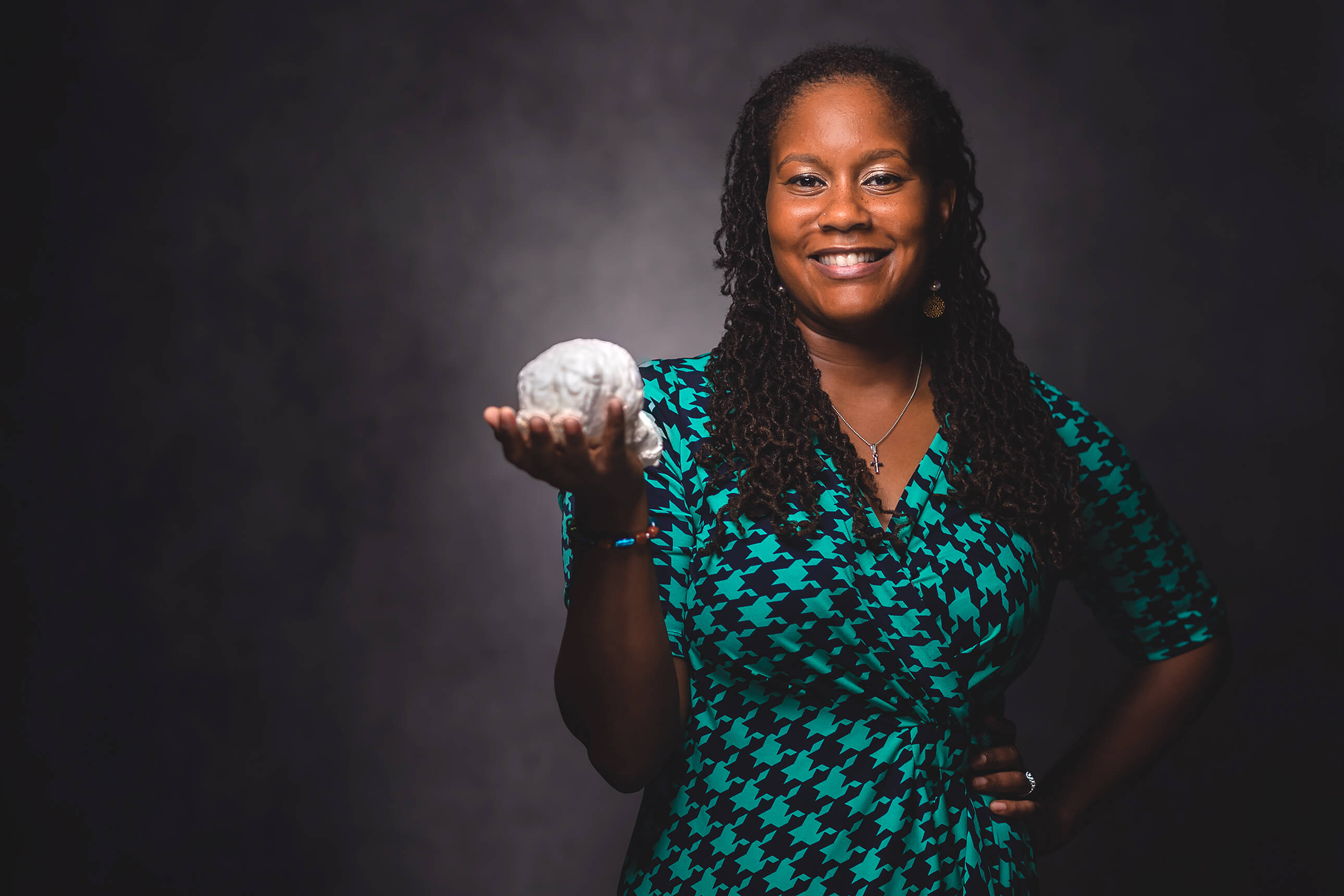
The human brain has some remarkable capabilities – including the ability to block cancer drugs from effectively reaching cancer cells in the brain. The greatest obstacle when it comes to treating cancer that has spread to the brain is the blood-brain barrier, the brain’s natural defense mechanism that is a collection of blood vessels that can filter out what goes in and out of the brain
Getting cancer drugs to the brain is difficult – but a new ‘road map’ might make it easier
January 15, 2020
Eight of the top 10 selling drugs in the United States are biologics, which are produced from living organisms or certain components of living organisms. Subcutaneous injection – where the drug is injected into the tissue layer between the skin and the muscle – is emerging as an effective delivery route alternative to intravenous infusion and allows a user to take the drug at home. The practice has not been broadly adopted, in part due to pain and discomfort that occurs during an injection. Now, Purdue University researchers have developed technology to help drug manufacturers create new formulations and injection devices of medications to reduce the pain and discomfort.
A technology devised to help reduce injection pain, swelling from some best-selling drugs
January 10, 2020
The body can recover from many things, but the damage caused by Parkinson’s disease isn’t one of them. No cure exists for Parkinson’s, which 1 million people in the U.S. are expected to be living with by 2020. But an outright cure isn’t the primary objective of research by Chongli Yuan, a Purdue University chemical engineering professor and leader of Purdue’s section of a multidisciplinary team studying the possibility of building synthetic neuron cells
Synthetic neurons project offers platform for disease treatment, further brain research
December 27, 2019
SAD, Seasonal Affective Disorder, is the onset of depression that follows a seasonal pattern. Daniel Foti, Associate Professor of Psychological Sciences at Purdue University, shares common symptoms and methods to treat SAD.
Sad is More Than Just Feeling Sad. How to Combat Seasonal Affective Disorder
December 20, 2019
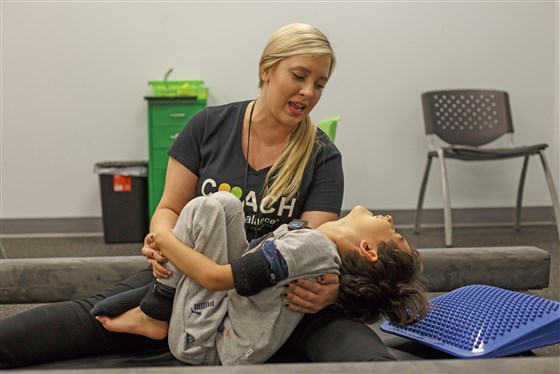
Purdue University's Thomas Redick, Ph.D., Psychology Professor, has reviewed hundreds of brain training studies and he along with many other experts have told NBC just why they think these may not really be working.
Parents Pay Thousands For "Brain Training" to Help Kids with ADHD and Autism. But Does it Work?
